Shiga
Welcome to Hikone Castle
Perched with an air of quiet defiance atop Konki Hill, Hikone Castle is one of only five Japanese castles designated as National Treasures. Unlike the reconstructed concrete shells found elsewhere, Hikone offers a visceral connection to the 17th century. Feel the cool, centuries-old timber beneath your palms and breathe in the scent of aged cedar as you ascend the steep, defensive staircases. The castle’s silhouette, reflected in the emerald waters of the moat, serves as a gateway to an era of samurai discipline and aesthetic perfection. From the saline breeze drifting off Lake Biwa to the meticulously manicured daimyo gardens, Hikone is not merely a destination—it is a sensory immersion into Japan's feudal soul.
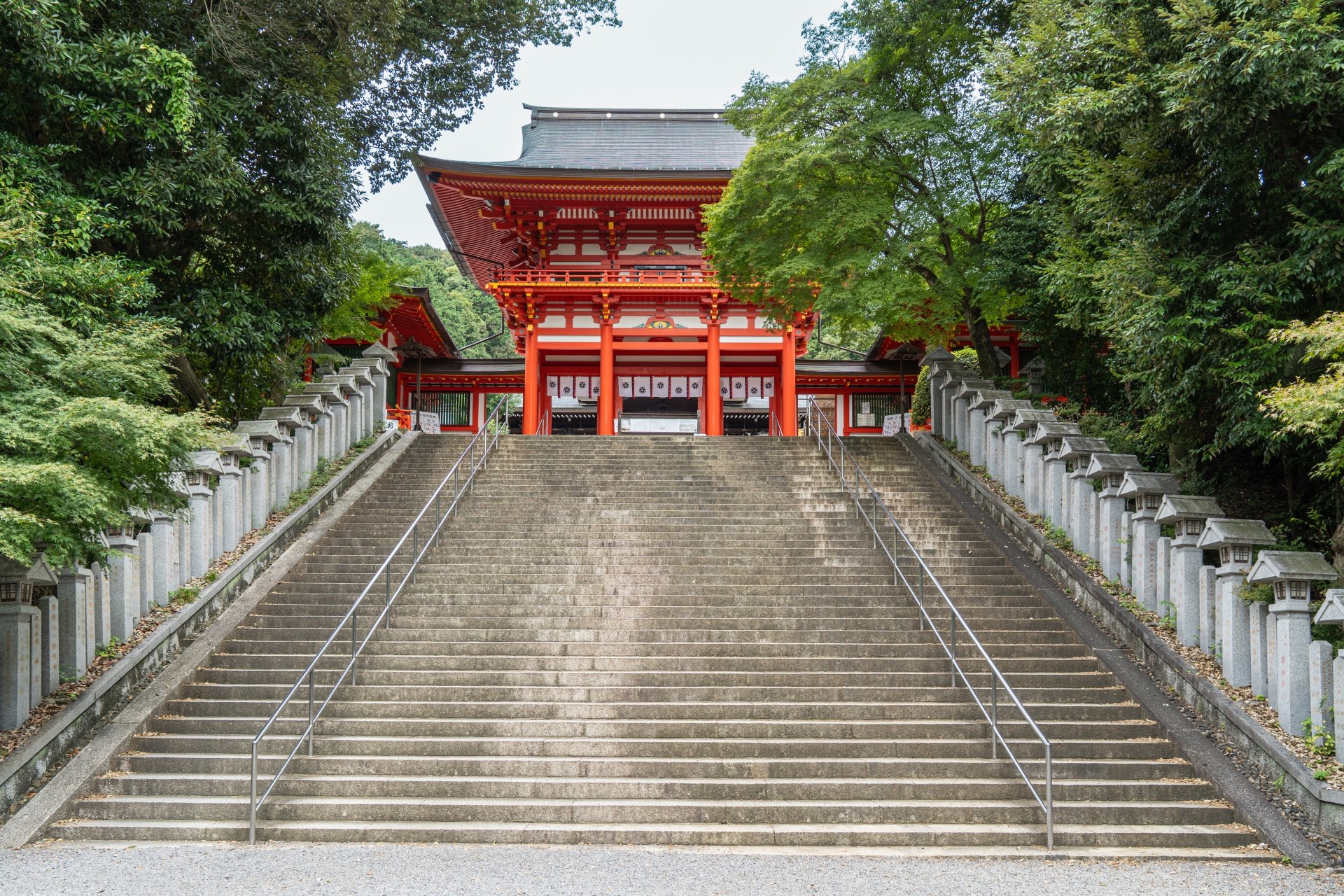
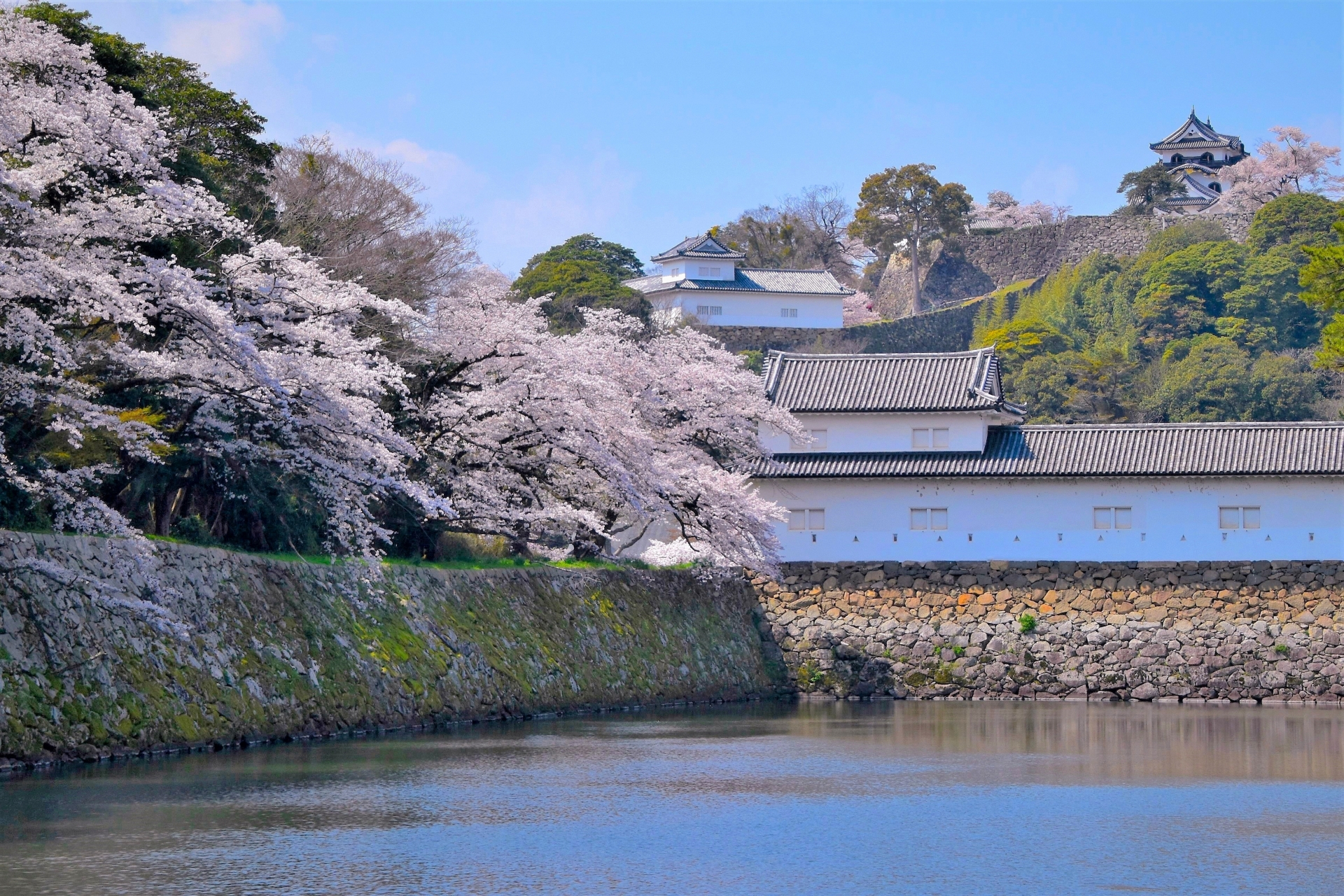
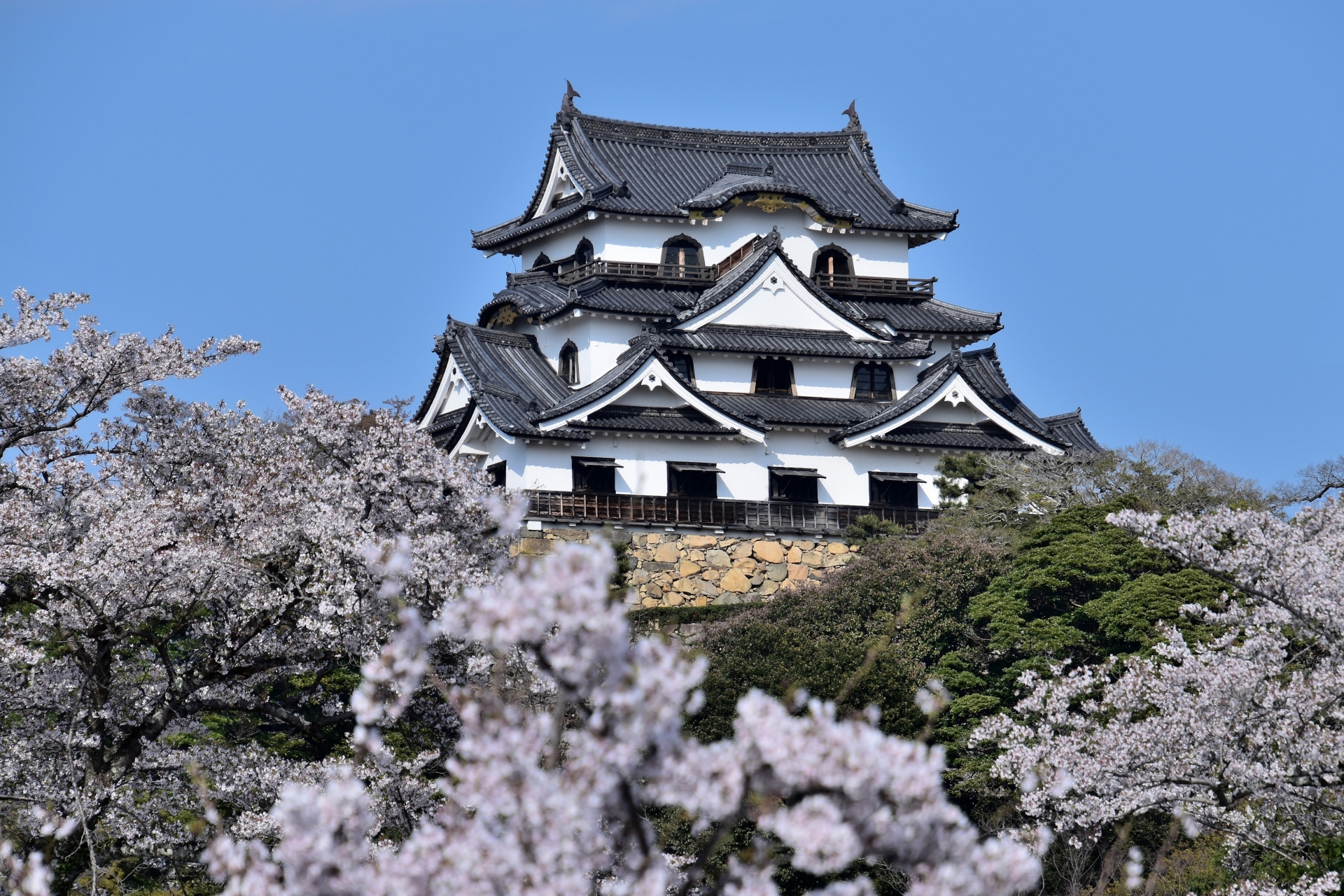
The Main Keep (Tenshu)
The crown jewel of Hikone is its original three-story keep, a masterpiece of architectural diversity featuring multiple gables and gold-leaf accents. As you navigate the intentionally treacherous, vertical stairs designed to thwart invaders, you can touch the hand-hewn pillars that have stood since 1622. The view from the top is unparalleled: a panoramic sweep of the sprawling Shiga countryside and the shimmering, infinite horizon of Lake Biwa. It is a place where the wind carries the whispers of the Ii Clan, offering a profound sense of temporal displacement and architectural awe.
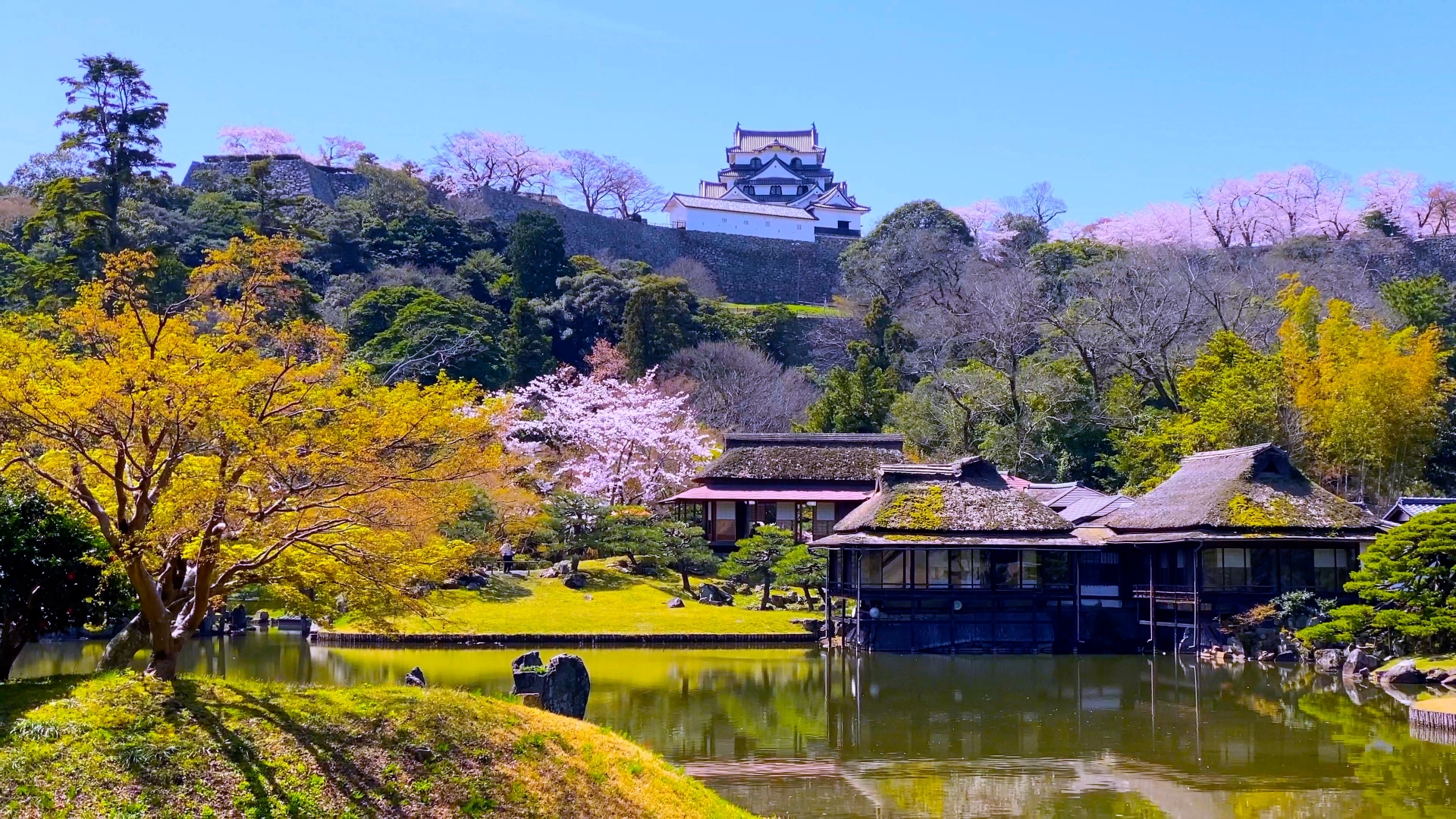
Genkyu-en Garden
Designed in 1677, this 'strolling pond garden' is a poetic representation of the Eight Views of Lake Biwa. The garden is a symphony of texture and reflection; the castle keep looms majestically in the background, mirrored perfectly in the still waters of the central pond. Meander across arched vermillion bridges and through groves of meticulously shaped pines. The sensory experience is completed at the Hoshosho tea house, where the aroma of whisked matcha mingles with the earthy scent of damp moss, providing a tranquil sanctuary that feels worlds away from modern civilization.
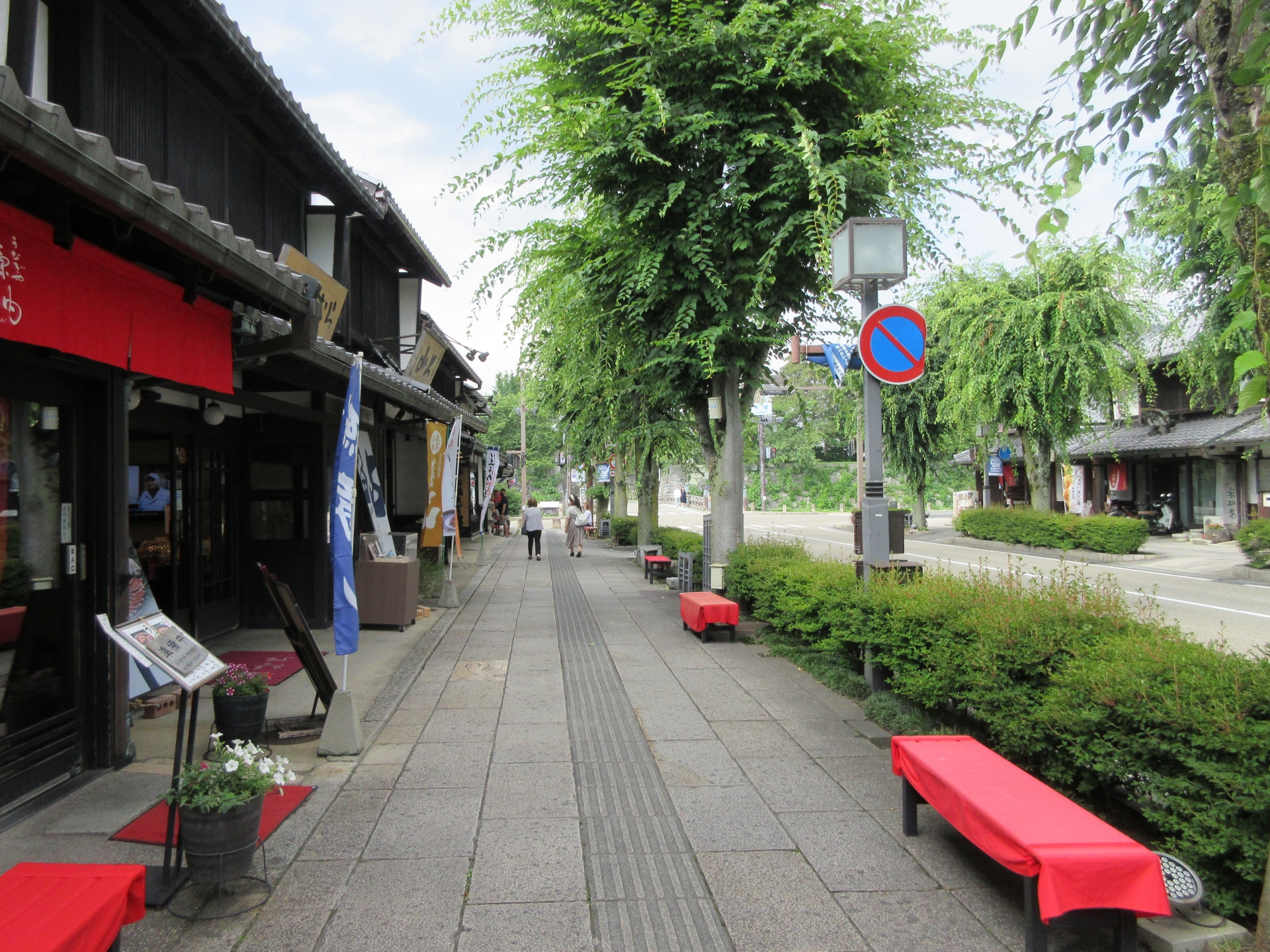
Yume-Kyobashi Castle Road
Step through a time portal on this meticulously preserved street, where modern shops are housed in traditional 'Edo-style' buildings with charcoal-black walls and gabled roofs. The air here is thick with the savory, umami-rich aroma of grilled Omi beef and the sweet scent of traditional wagashi. It is a vibrant corridor of culture where you can find artisanal lacquerware and local sake. The tactile contrast of the cobblestone streets against the sleek glass of boutique galleries makes this the perfect finale to your Hikone pilgrimage, blending historical reverence with contemporary luxury.
Local Soul Food
Tastes you can't find anywhere else.
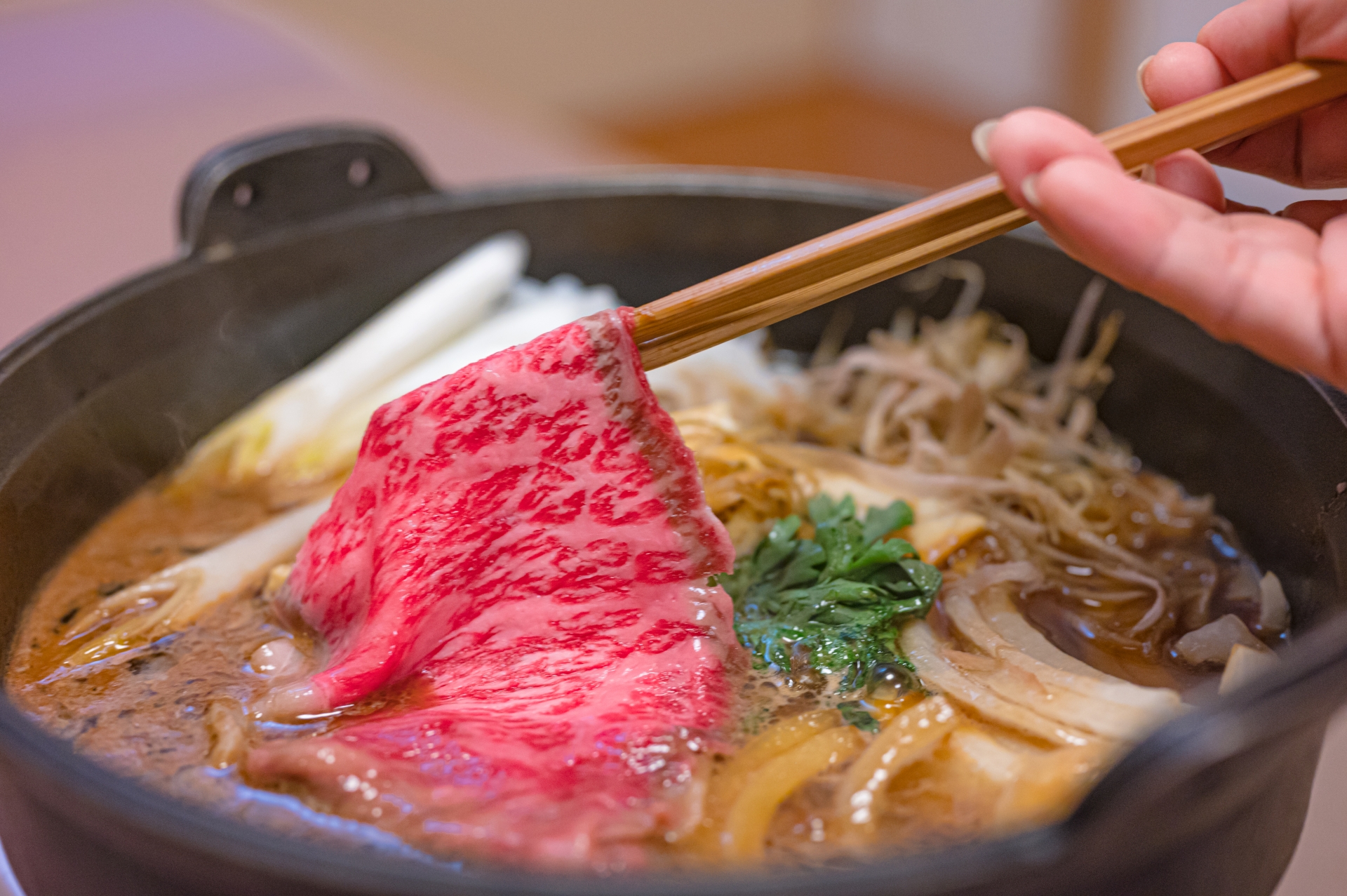
Omi Beef Sukiyaki
Indulge in one of Japan's 'Top Three' wagyu varieties. The Omi beef is characterized by its intricate marbling, which melts at room temperature. Searing the meat in a shallow iron pot releases a nutty, sweet aroma that coats the palate. Dipped in a silky, farm-fresh raw egg, each bite offers a buttery, velvet-like texture that redefines the concept of luxury dining.
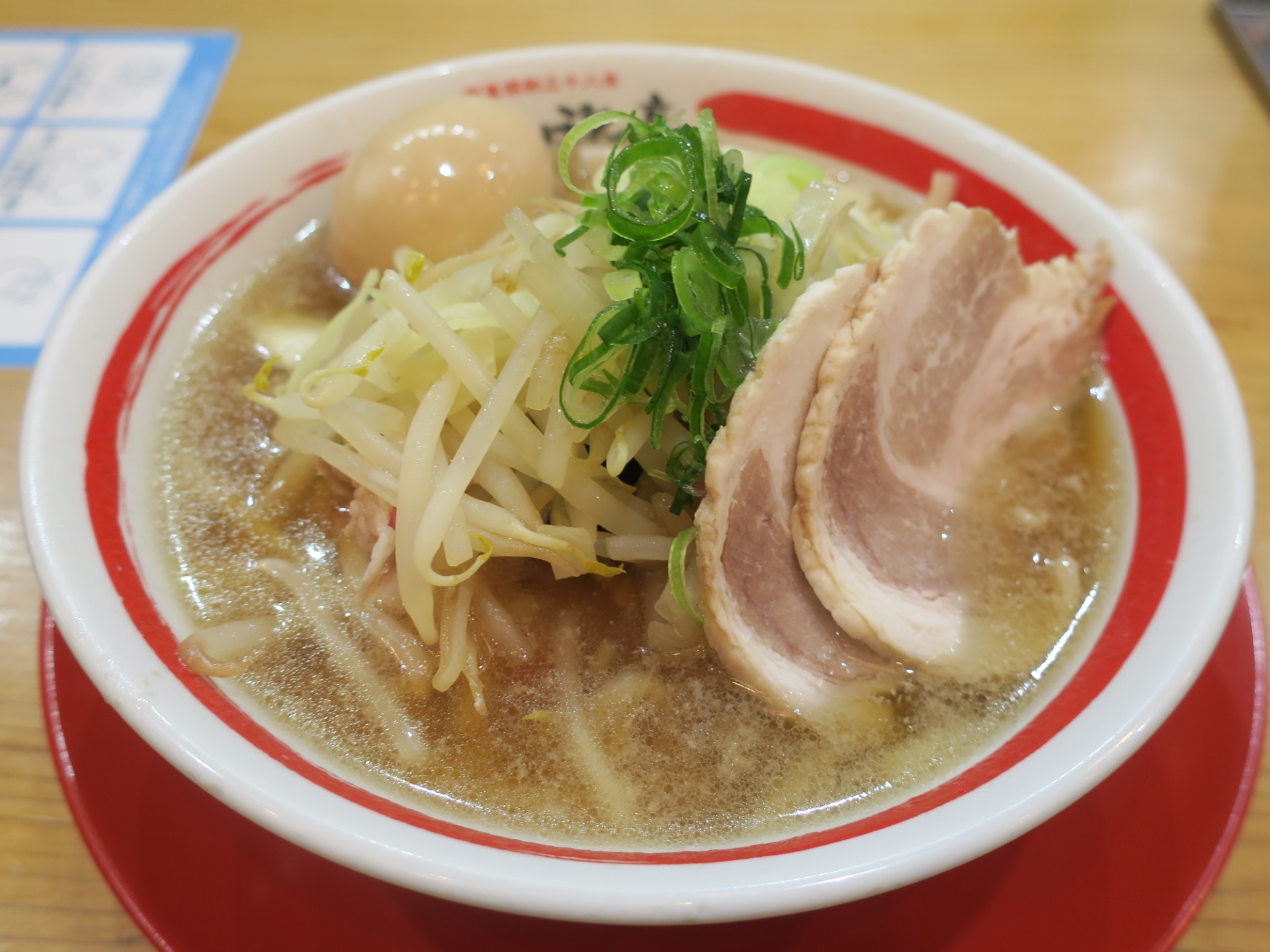
Hikone Champon
A soul-warming bowl of local comfort. Unlike its Nagasaki cousin, Hikone Champon features a clear, golden broth made from kelp and bonito flakes. The noodles are topped with a mountain of crisp, stir-fried vegetables and tender pork. Halfway through the meal, add a splash of vinegar to the broth to unlock a bright, refreshing acidity that cuts through the savory depth.
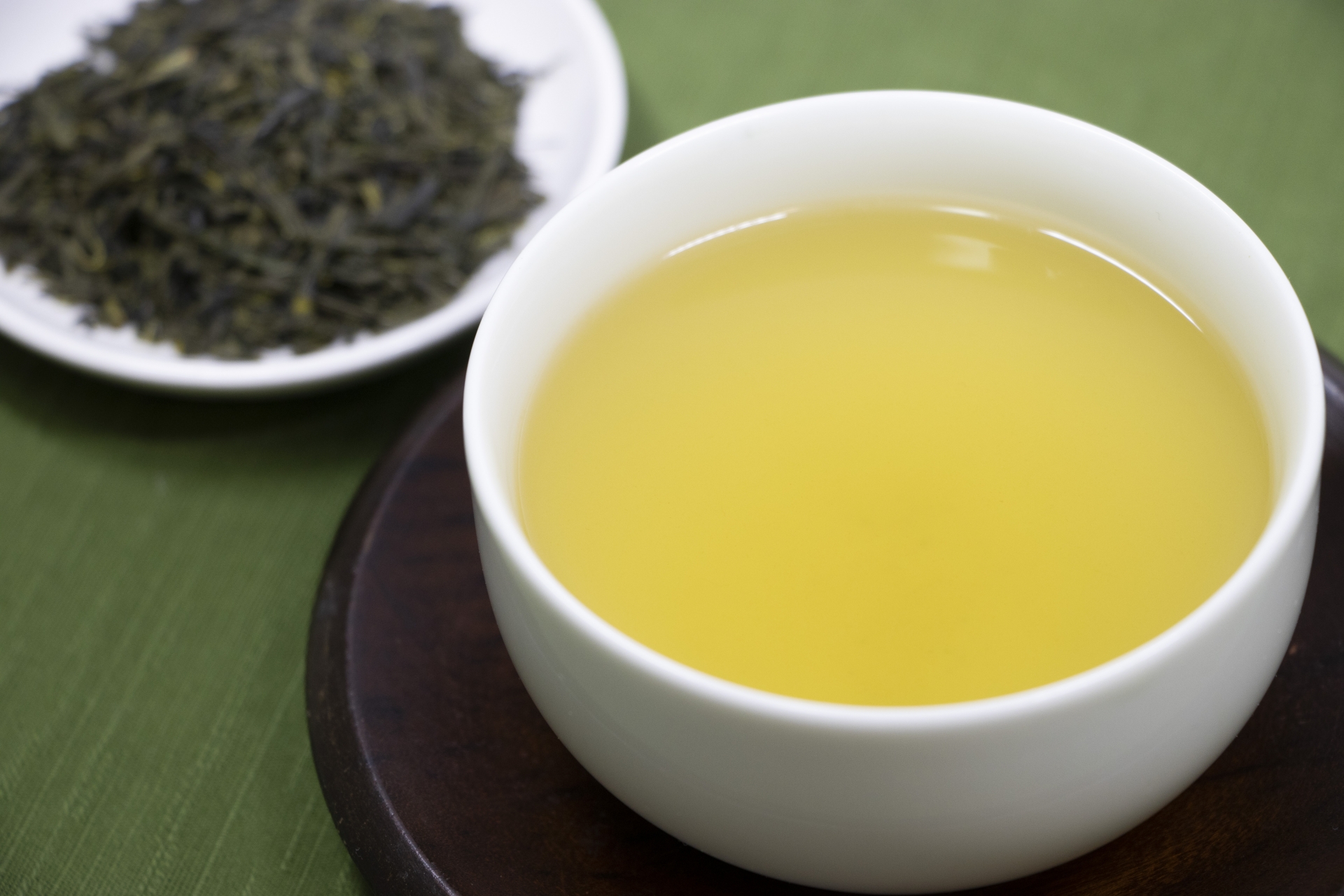
Omi Tea & Castle Wagashi
The high-altitude tea plantations of Shiga produce a matcha with an intense chlorophyll green and a profound umami finish. Pair this with a 'Hikone-jo' themed sweet—a delicate bean-paste confection shaped like the castle keep. The interplay between the bitter, frothy tea and the floral sweetness of the wagashi creates a moment of pure, meditative bliss.
Premium Stays
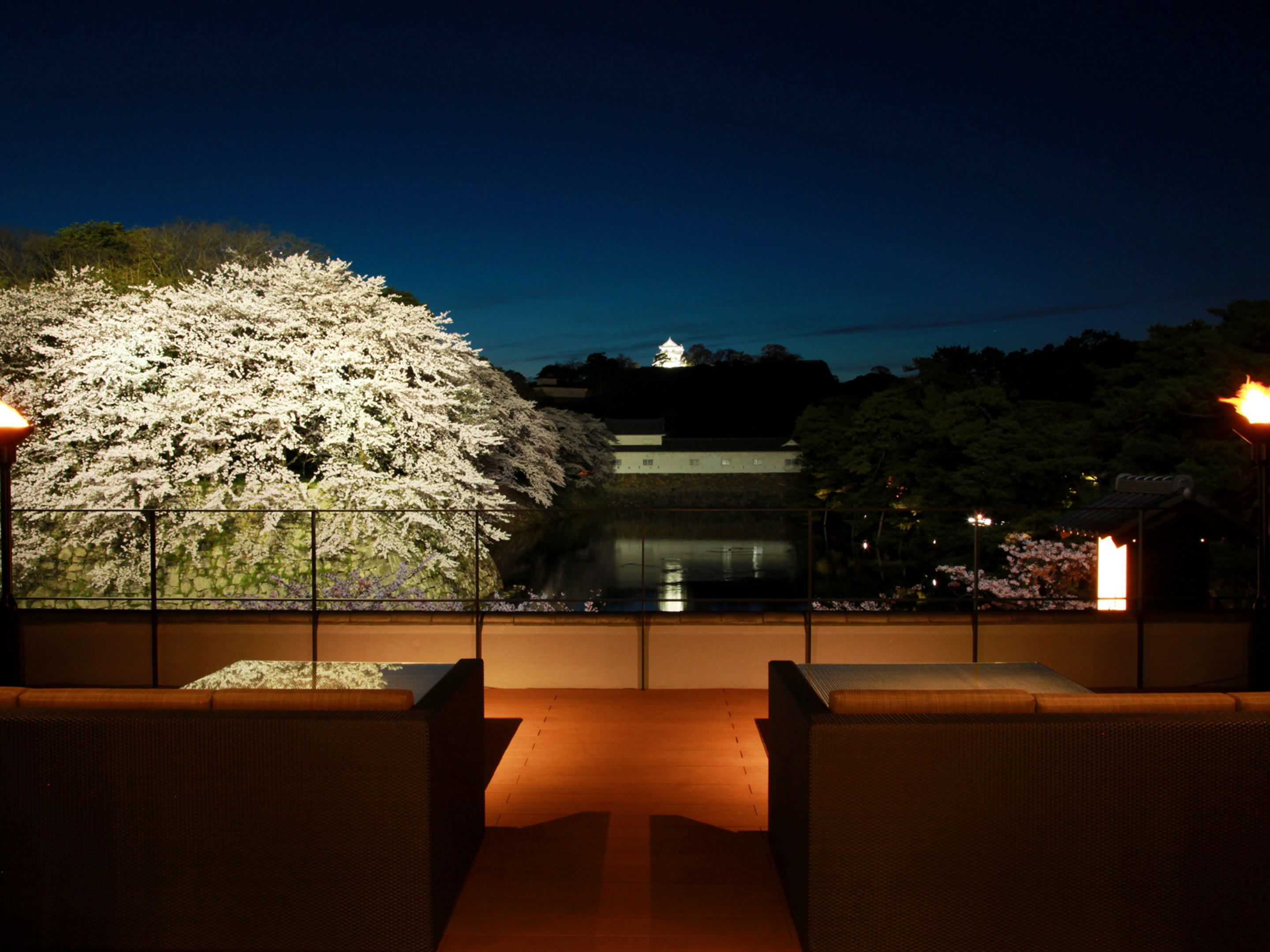
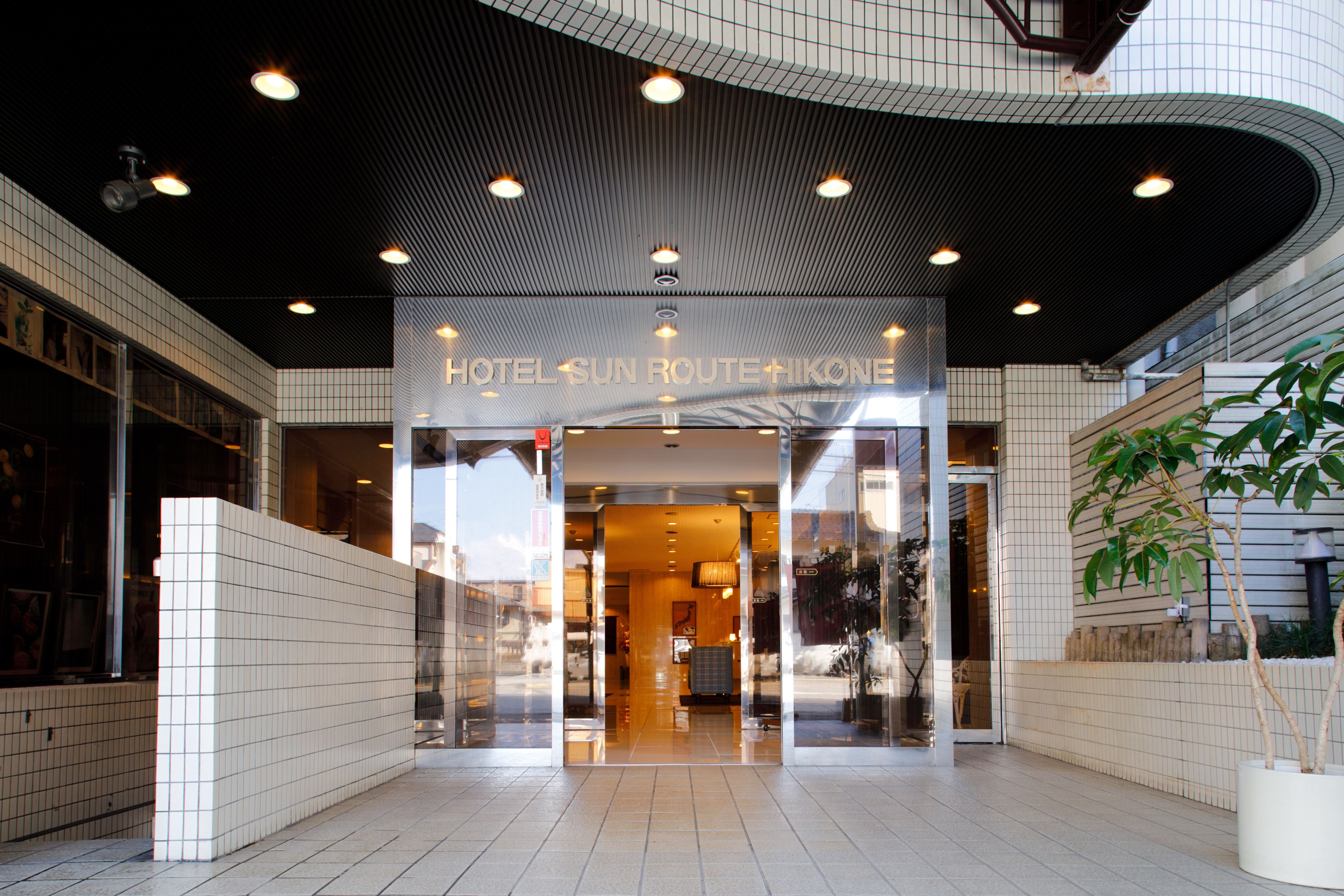
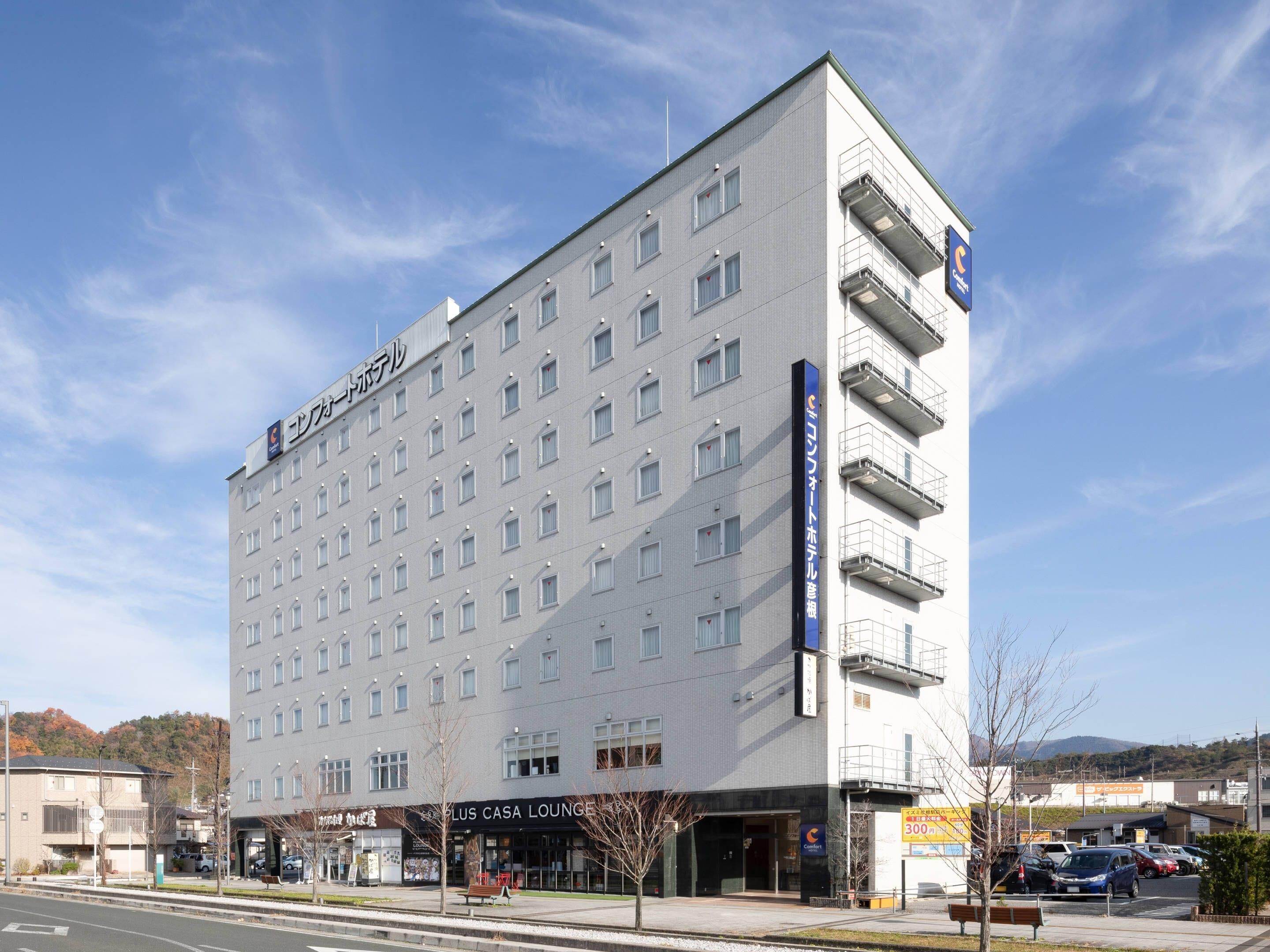
To truly capture the essence of Hikone, stay within sight of the castle walls. The area surrounding the moat offers the most atmospheric experience, allowing you to witness the castle illuminated at night—a spectral, golden vision rising above the dark waters of Lake Biwa.
Getting There
Hikone is easily accessible via the JR Tokaido Line. From Kyoto, take the Special Rapid service; it is a scenic 50-minute journey. Once at Hikone Station, the castle is a pleasant 15-minute walk down the main boulevard. Local 'Hikone Castle' buses run every 30-60 minutes, but walking is recommended to soak in the town's atmosphere.
FAQ
Inspired?
Share this destiny with someone special.