Welcome to Hachiman-bori
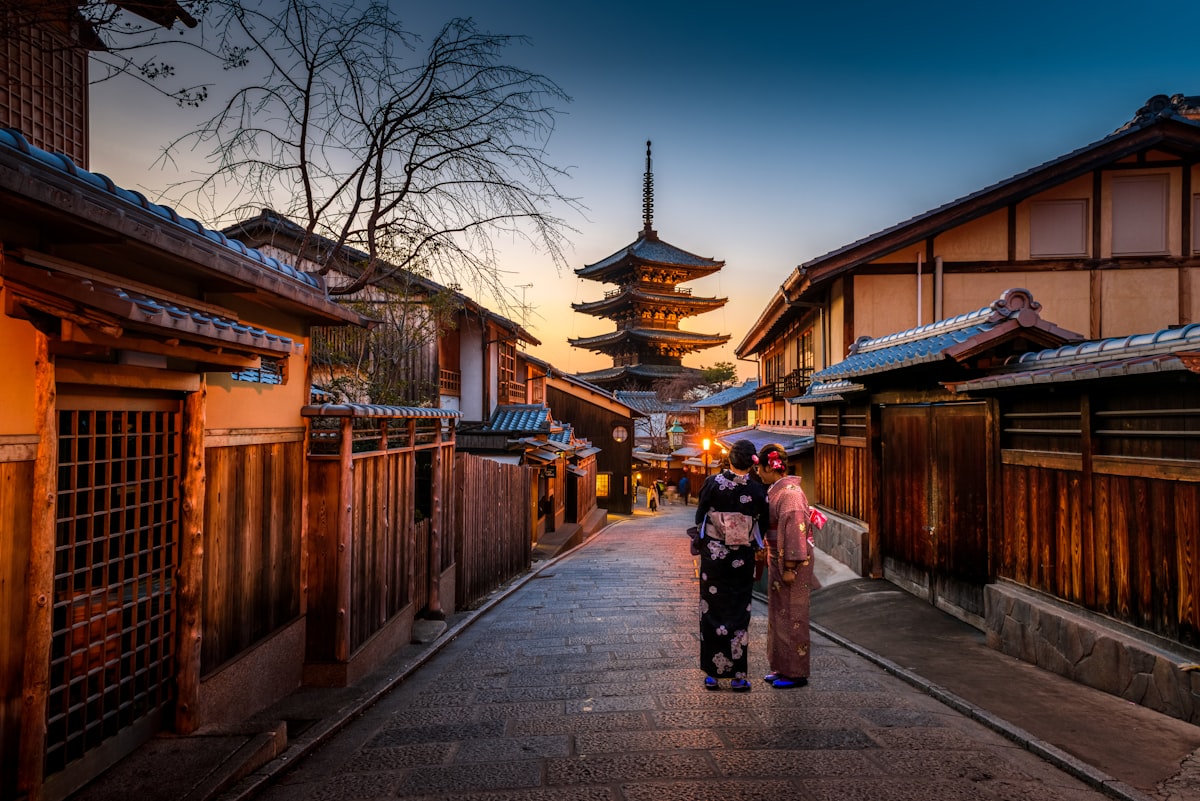
Step into a living ukiyo-e print where the rhythmic lap of water against moss-covered stone walls narrates centuries of merchant prosperity. Hachiman-bori is not merely a canal; it is the vital artery of Omihachiman, a place where the air carries the faint scent of cedarwood and the spirit of the 'Omi Merchants' lingers in every meticulously preserved townhouse. As the sun dips low, casting a liquid gold sheen over the water, the district transforms into a sanctuary of profound stillness. This is the ultimate destination for the discerning traveler seeking to escape the frenetic pace of modern Japan and reconnect with an era of quiet sophistication and architectural mastery.
Himitsuhachiman-gu Shrine
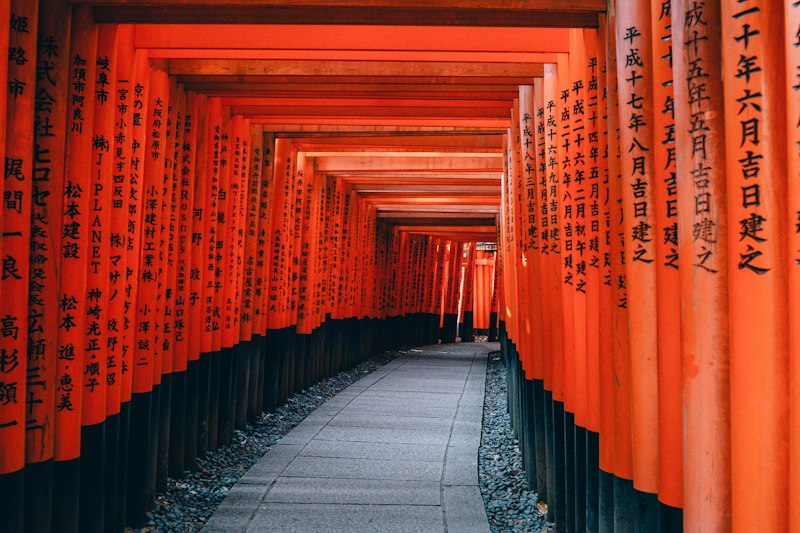
Standing as the spiritual guardian of the district, this ancient shrine exudes an aura of quiet authority. The massive vermilion torii gate serves as a threshold between the mundane and the divine. Wander through the towering cedar groves where the sunlight filters through in ethereal shafts, illuminating the intricate wood carvings of the main hall. It is a place to feel the weight of history and the pulse of local faith that has protected the canal's merchants for over a millennium.
The Kawara Museum
A tribute to the 'smoked silver' beauty of Japanese roof tiles, this museum is an architectural marvel in itself. The texture of the hand-fired clay and the rhythmic patterns of the rooflines tell the story of the artisans who defined the skyline of old Japan. Inside, the cool, dim galleries showcase tiles that are more sculpture than building material. The contrast between the dark, heavy tiles and the surrounding lush greenery provides a sensory feast for those who appreciate the 'wabi-sabi' aesthetic.
Hachiman-yama Ropeway
Ascend above the tiled roofs and winding waterways to witness the grand design of Omihachiman. From the summit, the sprawling beauty of Lake Biwa unfolds like a blue silk tapestry, bordered by the distant peaks of the Hira Mountains. The view offers a profound perspective on how the canal system was engineered to harmonize with the natural landscape. It is the perfect location to witness the transition of the seasons, from the soft pinks of cherry blossoms to the fiery ambers of autumn.
Local Soul Food
Tastes you can't find anywhere else.
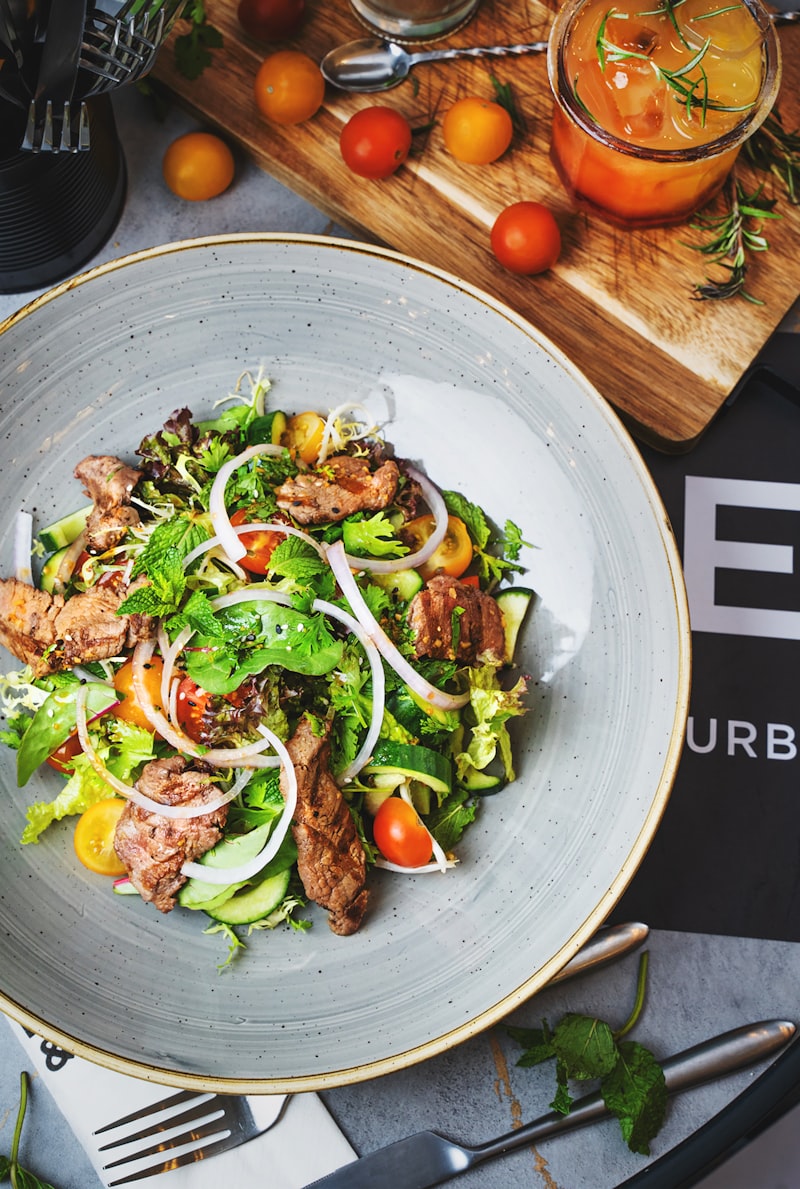
Premium Omi Beef Sukiyaki
Indulge in one of Japan's top three wagyu varieties. The meat features an intricate marbling that melts at room temperature, releasing a rich, nutty aroma. Simmered in a delicate sweet-savory dashi, the beef offers a buttery texture that dissolves on the tongue, leaving a lingering umami that defines luxury dining.
Aka-Konnyaku (Red Konjac)
A vibrant culinary mystery, this crimson-hued yam cake is unique to Omihachiman. Unlike standard grey varieties, its texture is remarkably springy and dense. Infused with iron for its startling color, it absorbs the flavors of local broths perfectly, providing a subtle, earthy foundation to any traditional meal.
Dechibokan (Steamed Yokan)
This rustic sweet is a masterclass in understated elegance. Wrapped in a fragrant bamboo leaf and steamed, the red bean paste takes on a soft, slightly chewy consistency with a hint of woody aroma. It is a humble yet deeply satisfying treat that pairs exquisitely with a bowl of whisked matcha.
Premium Stays
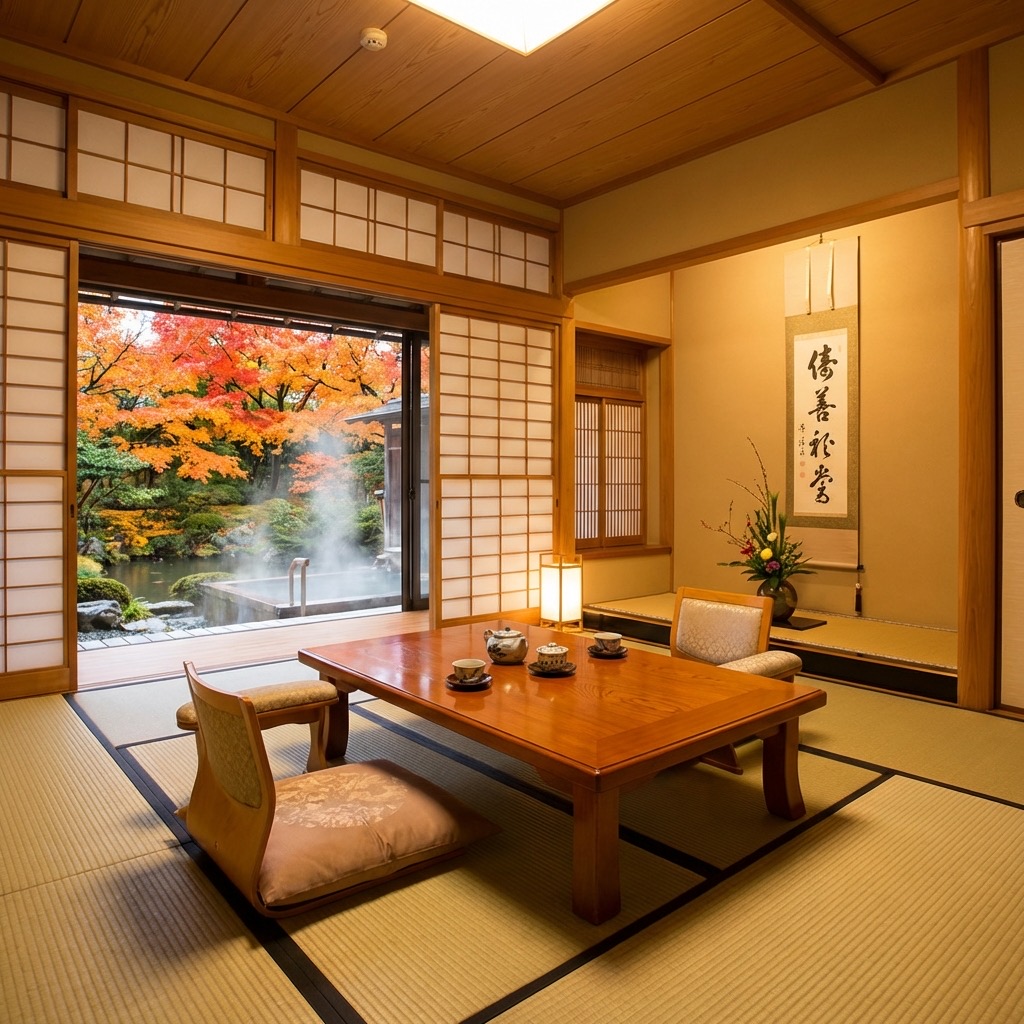
For the ultimate immersion, stay within the preservation district to experience the canal's evening silence, or near the station for seamless regional access.
Getting There
Take the JR Biwako Line from Kyoto Station to Omihachiman Station (approx. 30 mins). From there, a local bus runs to the 'Omihachiman-bori' stop every 20-30 minutes. Taxis are readily available and recommended for a direct 5-minute transit.
FAQ
Inspired?
Share this destiny with someone special.