Welcome to Gion District
Gion is not merely a destination; it is a living, breathing museum where the fragrance of sandalwood incense mingles with the cool evening air. As the sun dips below the Higashiyama mountains, the district transforms into a realm of soft lantern light and the rhythmic clack of wooden geta sandals against ancient cobblestones. This is the heart of Kyoto’s 'Flower Town,' a place where the enigmatic world of Geiko and Maiko continues to thrive behind lattice doors. To walk through Gion is to transcend time, feeling the tactile history of weathered machiya houses and the spiritual pull of sacred shrines. It is an essential pilgrimage for the discerning traveler seeking the soul of Japan, offering a sensory tapestry of refined aesthetics, whispered secrets, and unparalleled hospitality.
Yasaka Shrine (Gion-san)
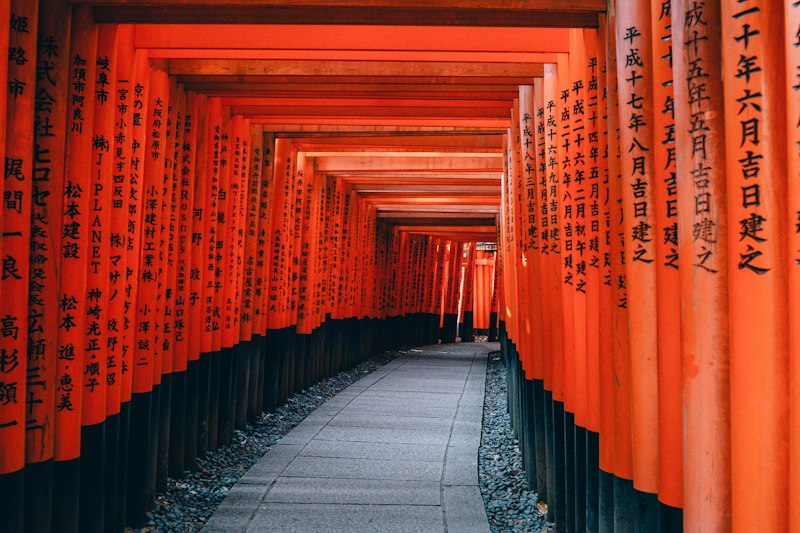
The spiritual anchor of Gion, Yasaka Shrine radiates a majestic energy, especially at dusk when hundreds of paper lanterns flicker to life. The air here carries a faint scent of old cedar and the soft chime of bells as worshippers offer prayers for prosperity and beauty. Walking through the towering vermilion gate, you feel an immediate shift from the bustling city to a sacred sanctuary. The central dance stage, adorned with lanterns bearing the names of local businesses, serves as a luminous centerpiece for Kyoto’s most vital traditions.
Hanamikoji Street
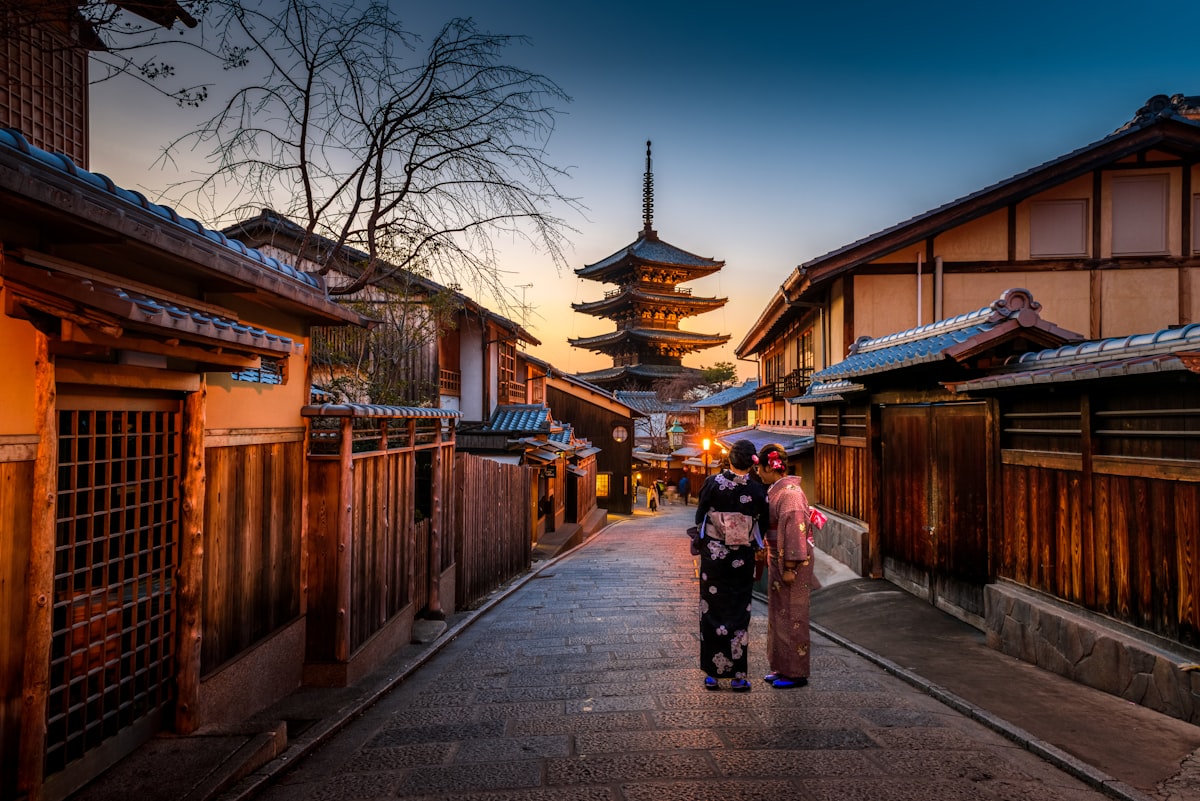
Hanamikoji is the quintessential Gion corridor, lined with exquisitely preserved machiya townhouses that now serve as exclusive ochaya (teahouses) and high-end restaurants. The visual texture of the dark wood lattices and the smooth, grey stones underfoot creates a cinematic atmosphere. This is where you might catch a fleeting glimpse of a Maiko gliding toward an evening appointment, her silk kimono whispering against the pavement. It is a place of profound silence and hidden depth, where the architecture itself tells stories of centuries-old social rituals and artistic refinement.
Shirakawa Canal
Often described as the most beautiful street in Asia, the area along the Shirakawa Canal offers a serene counterpoint to the busier parts of Gion. Weeping willows drape their emerald fingers into the crystal-clear water, while the Tatsumi Bridge provides a picturesque vantage point of the flowing stream. The sound of the water is a constant, soothing melody that masks the distant city hum. In spring, cherry blossoms create a snowy canopy of pink, while the evening illumination casts a romantic, ethereal glow over the traditional wooden buildings lining the bank.
Local Soul Food
Tastes you can't find anywhere else.
Kyoto-style Kaiseki Ryori
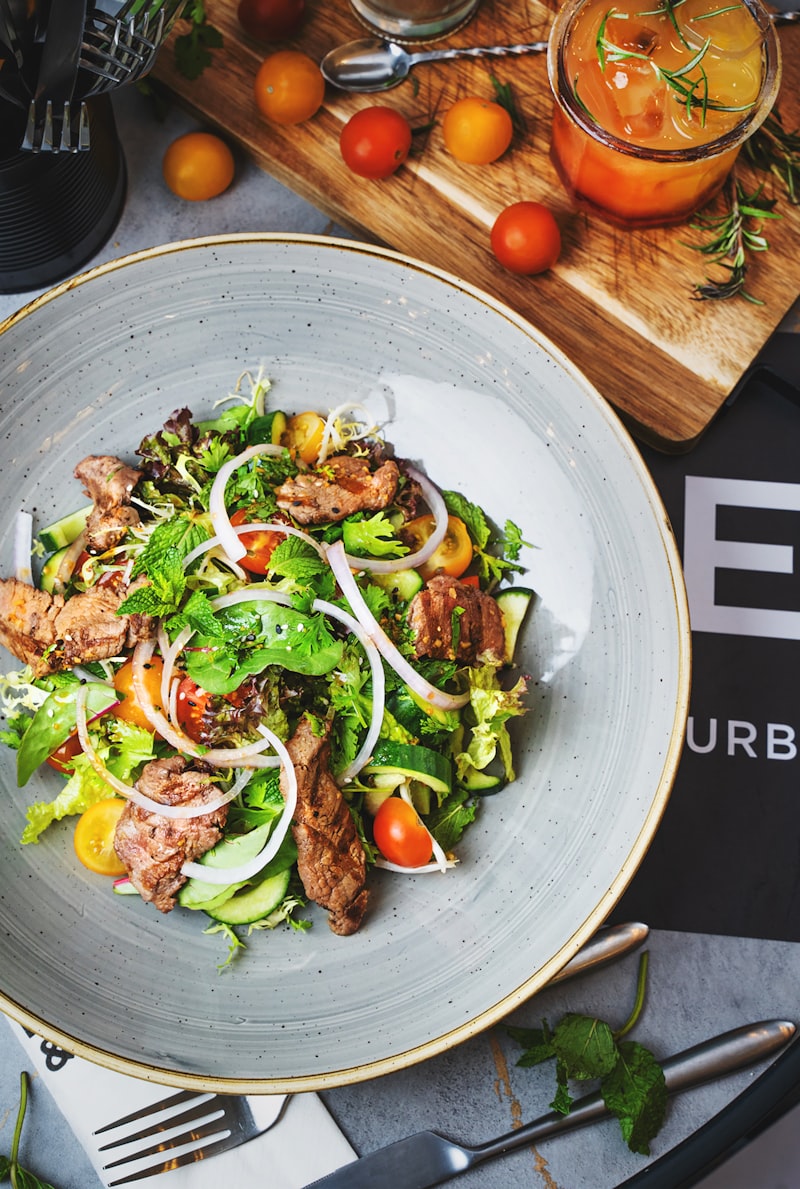
A multi-course symphony of the seasons. Each dish is a visual masterpiece, featuring the buttery melt of premium local wagyu and the delicate, oceanic sweetness of sea bream. The textures range from the silky smoothness of handmade tofu to the crisp snap of seasonal vegetables, all served on exquisite ceramic ware that reflects the time of year.
Saba-zushi (Cured Mackerel Sushi)
A Gion staple with deep historical roots. The mackerel is expertly cured in vinegar and salt, resulting in a rich, umami-heavy flavor profile that is beautifully balanced by the sweetness of the seasoned rice. Wrapped in a thin layer of kombu kelp, each bite offers a firm, meaty texture and a clean, refreshing finish that lingers on the palate.
Uji Matcha Parfait
The ultimate Kyoto indulgence. Layers of velvety matcha soft-serve, chewy shiratama dango (rice dumplings), and sweet red bean paste create a complex landscape of textures. The bitterness of the premium Uji matcha powder cuts through the sweetness, offering an earthy depth that is both sophisticated and immensely satisfying.
Premium Stays
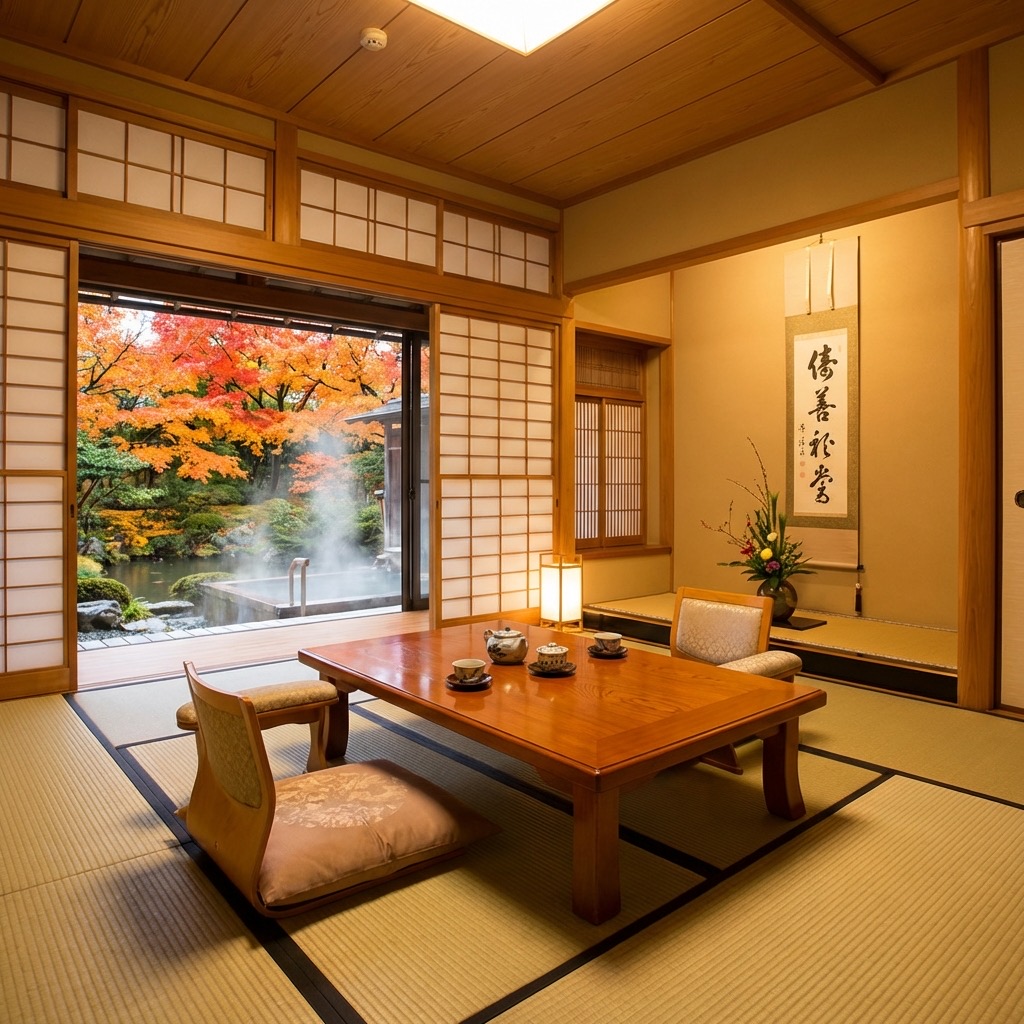
To truly absorb the Gion atmosphere, stay within the district or the adjacent Higashiyama area. This allows you to witness the magical transition of the streets from the morning mist to the lantern-lit evening without the need for transit.
Getting There
From Kyoto Station, take the City Bus #206 or #100 to the 'Gion' stop. Alternatively, take the Keihan Main Line to Gion-Shijo Station. Taxis are recommended for a direct, stress-free arrival at your hotel.
FAQ
Inspired?
Share this destiny with someone special.