Welcome to Fujinomiya Sengen Shrine
Standing at the base of the immortal Mt. Fuji, Fujinomiya Sengen Shrine is more than a destination; it is a spiritual threshold. For over a millennium, pilgrims have cleansed their souls in the icy, crystalline snowmelt of the sacred pond before ascending the peak. The air here carries a distinct, revitalizing chill, scented with ancient cedar and the faint sweetness of incense. As the head shrine of over 1,300 Sengen shrines across Japan, its vermillion architecture glows with a celestial intensity against the backdrop of the snow-capped volcano. Whether you seek a moment of profound silence or a deep dive into Shinto tradition, this sacred ground offers a sensory journey that connects the earthly realm to the divine heights of Japan’s most iconic summit.
The Honden (Main Hall)
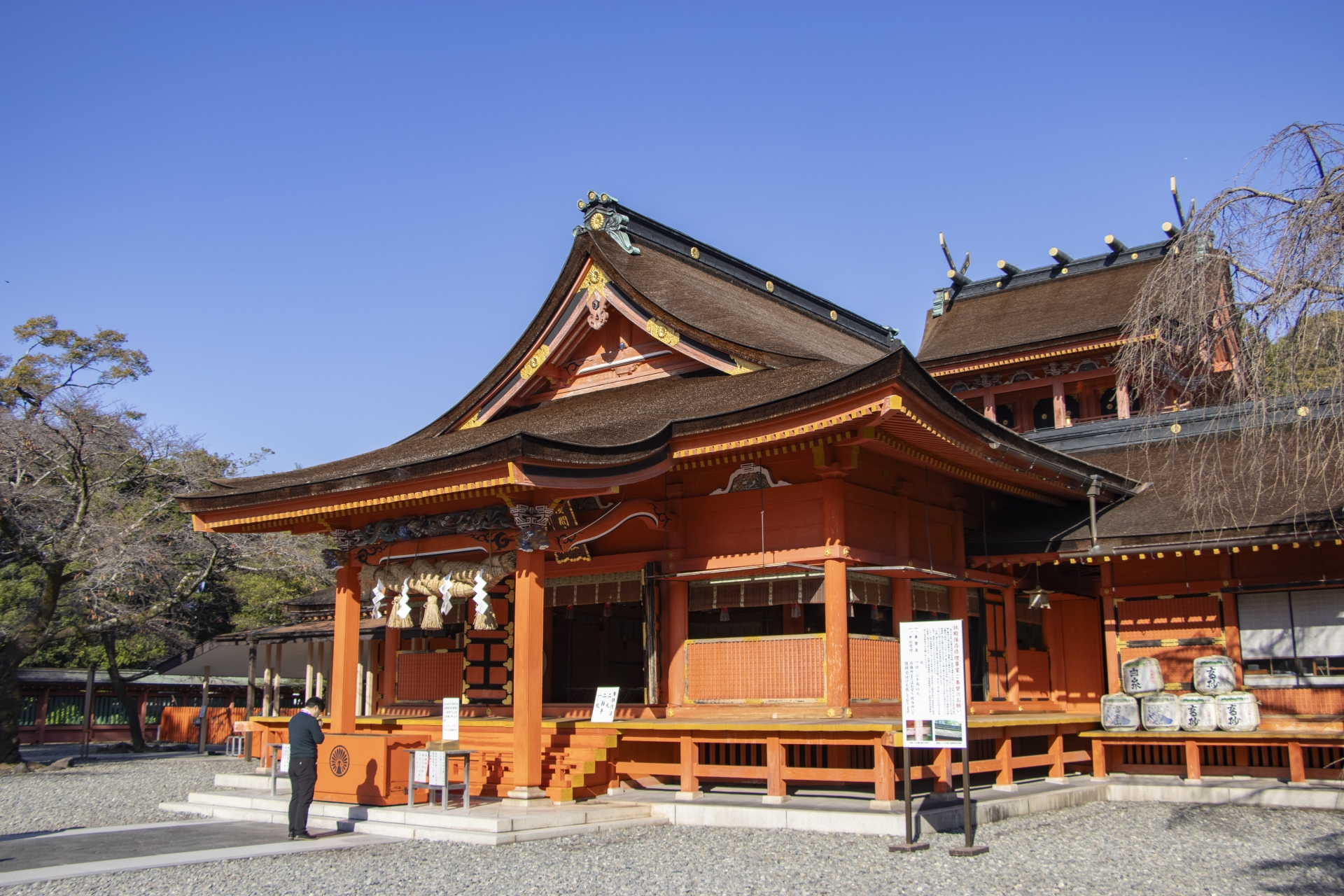
Witness the rare 'Sengen-zukuri' style, a two-story architectural marvel commissioned by the legendary Shogun Tokugawa Ieyasu. The lower level represents the earthly world, while the upper level reaches toward the heavens. The intricate carvings of dragons and floral motifs are bathed in a deep cinnabar red that seems to pulsate under the afternoon sun. It is a testament to the power of the Edo period, standing as a silent guardian of the mountain's volatile spirit and offering a space for quiet, reverent contemplation.
Wakutama-ike Pond
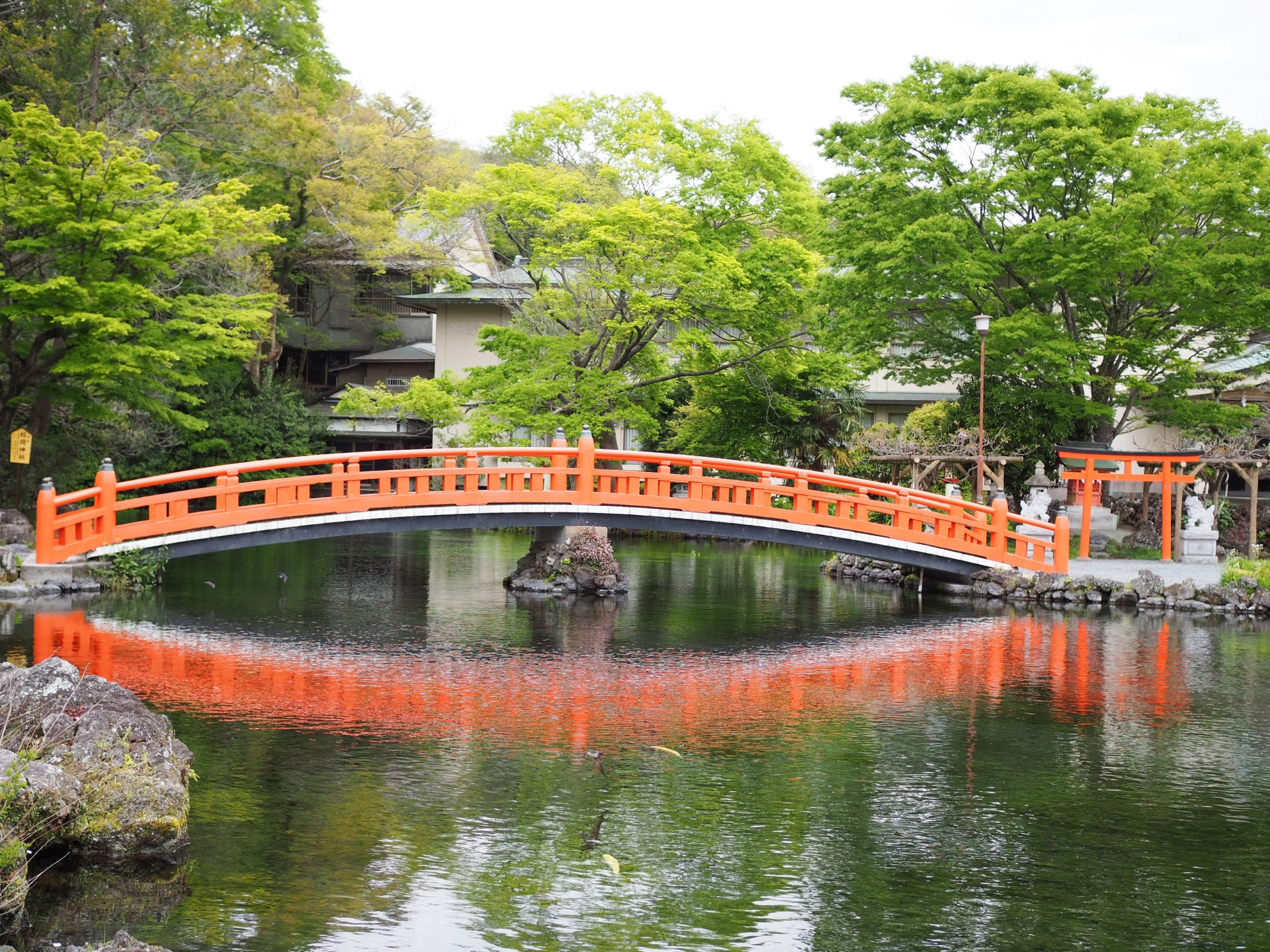
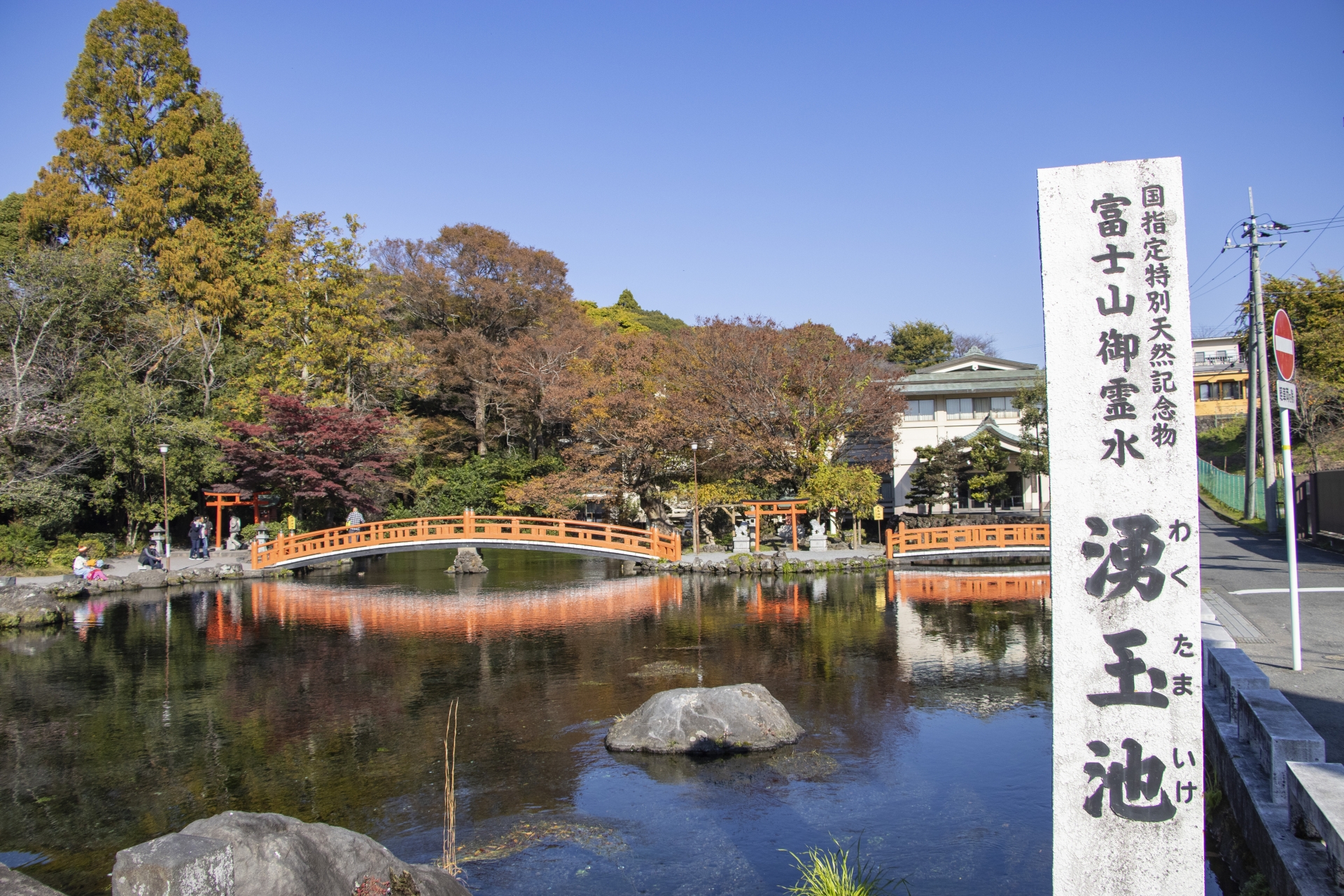
Experience the literal 'breath' of the mountain. This National Natural Monument is fed by the subterranean filtration of Mt. Fuji’s snowmelt, which takes decades to reach the surface. The water is so impossibly clear that the trout appear to be floating in mid-air. Dip your hands into the chilling 13°C water and feel the immediate, sharp clarity it brings to your senses. Historically, climbers would perform 'misogi' (purification) here, and the pond remains a sanctuary of absolute transparency and peace.
The Great Torii and Cherry Grove
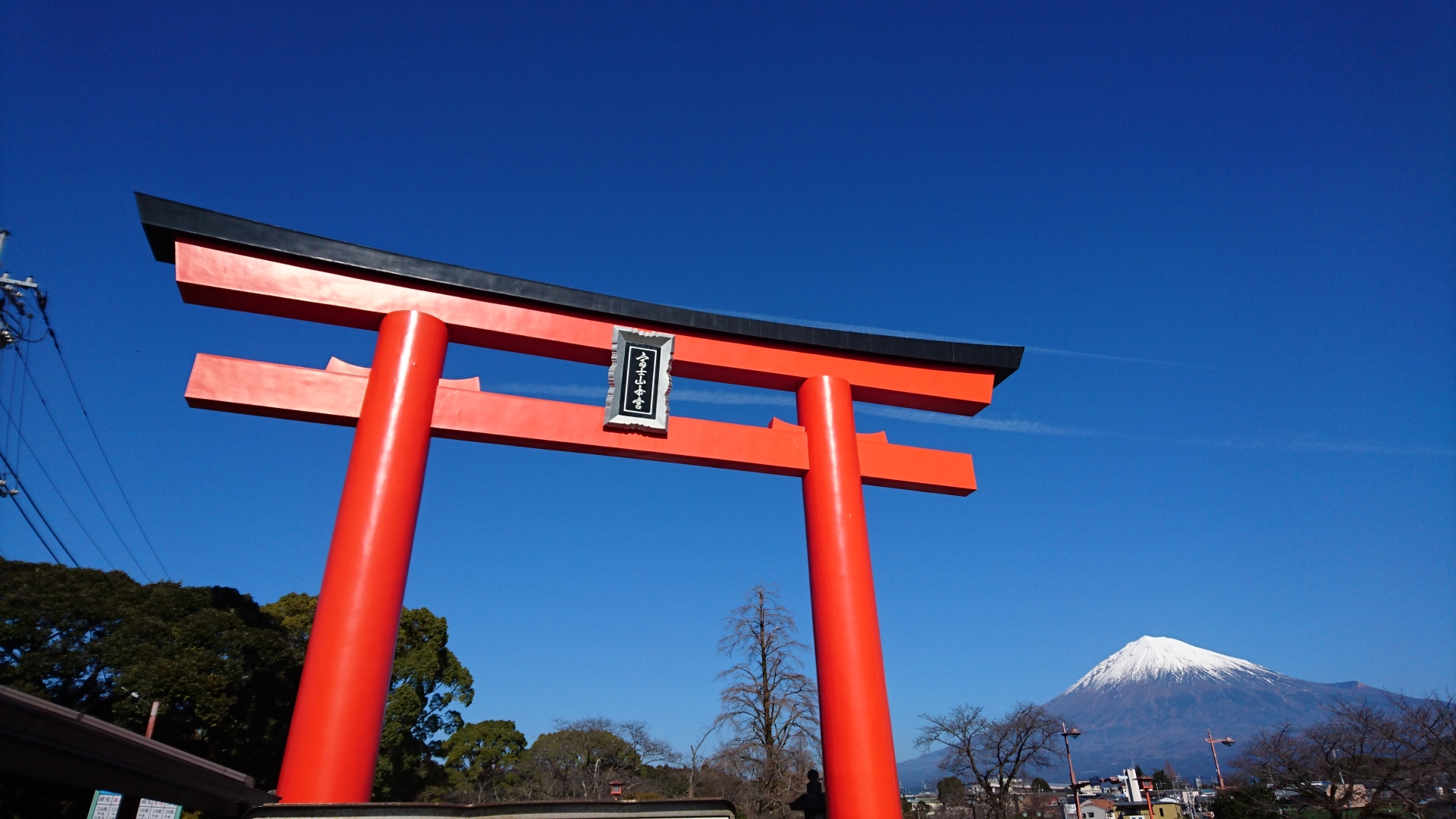
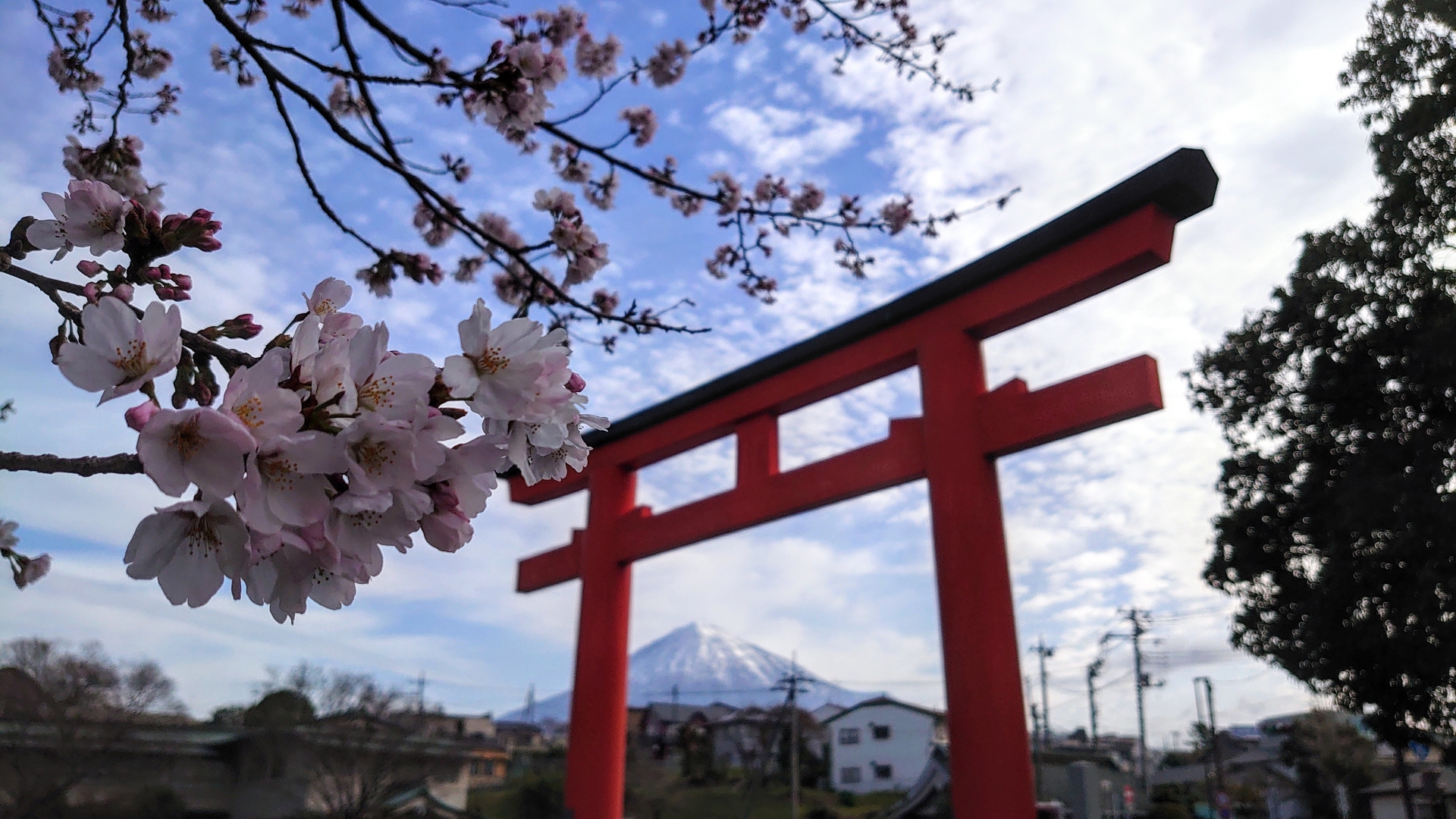
The approach to the shrine is framed by a massive vermillion Torii gate that perfectly frames the silhouette of Mt. Fuji on clear days. Adjacent lies a grove of over 500 cherry trees, including the 'Nene-zakura' planted by the wife of Toyotomi Hideyoshi. During spring, the air is thick with the scent of blossoms and the soft pink petals create a carpet over the stone paths. It is the quintessential Japanese landscape, where the strength of the mountain meets the delicate fleetingness of the sakura.
Local Soul Food
Tastes you can't find anywhere else.
Fujinomiya Yakisoba
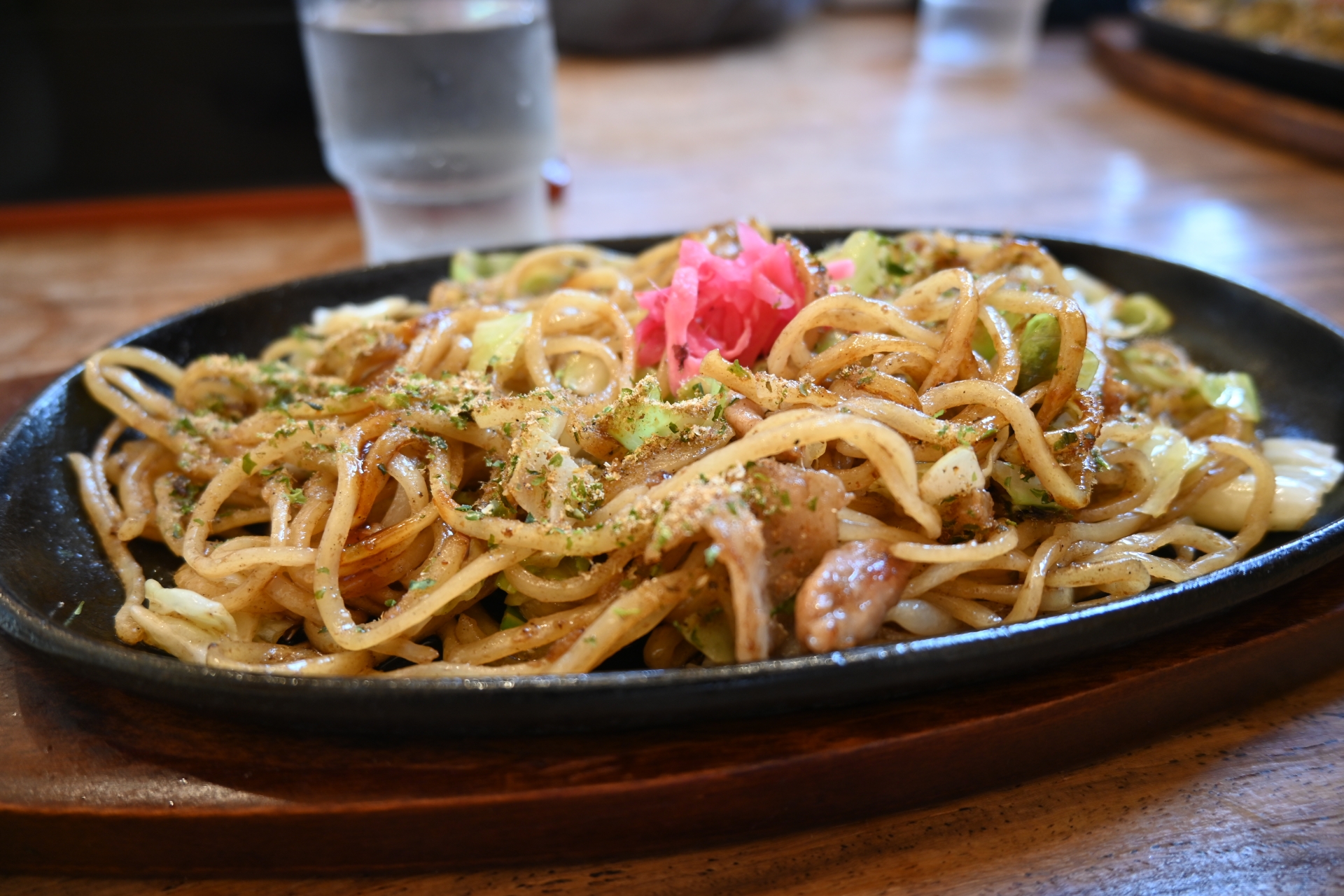
This is not your average street noodle. The texture is famously chewy and firm, a result of a unique steaming process. It is tossed with 'nikukasu'—crispy bits of rendered pork fat—and finished with a generous dusting of savory sardine powder. Each bite is an explosion of umami and smoke, best enjoyed steaming hot from a heavy iron griddle where the edges get slightly charred and crunchy.
Niji-masu (Rainbow Trout) Salt-Grill
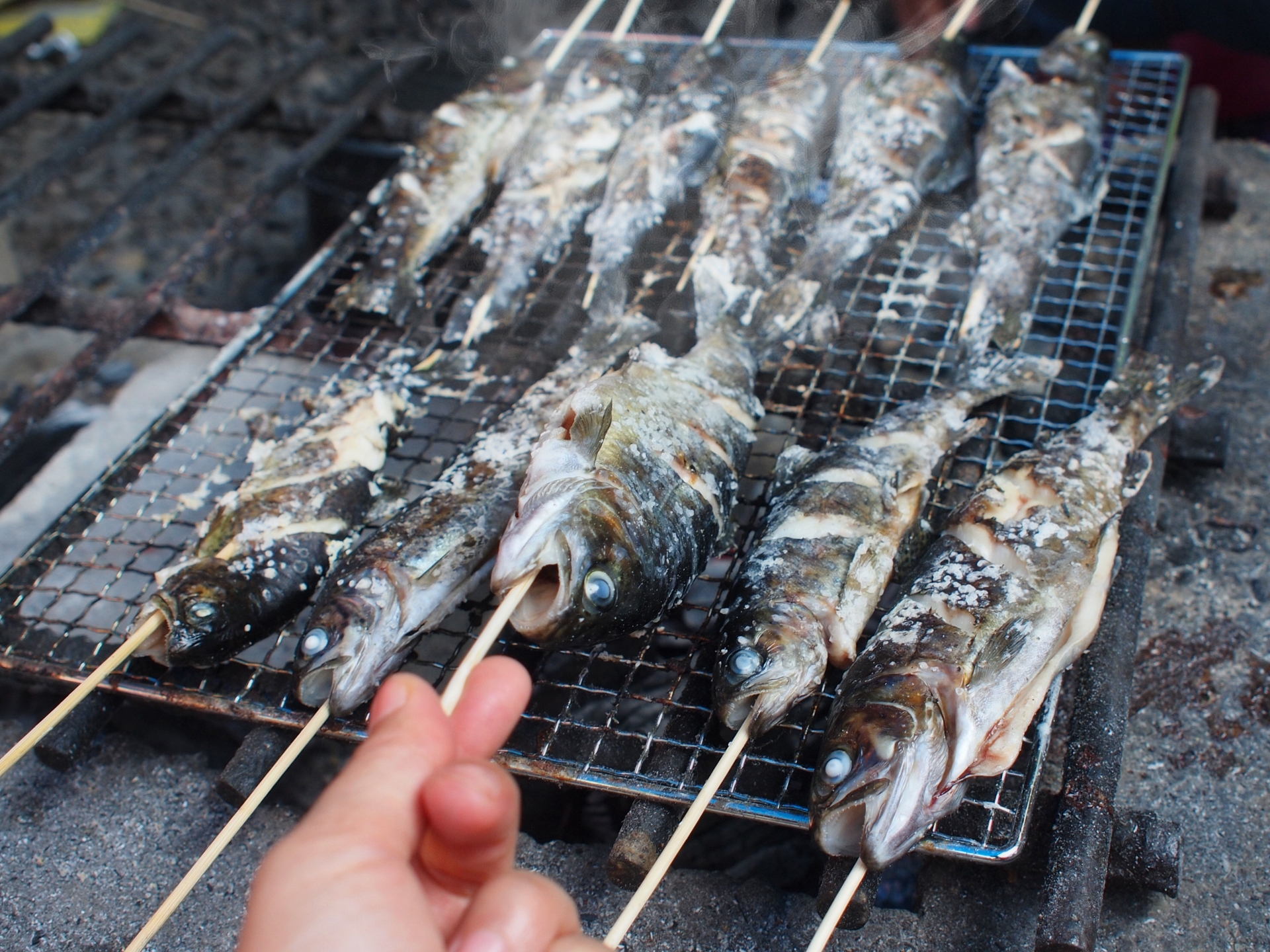
Raised in the pure, oxygen-rich snowmelt of Mt. Fuji, the local rainbow trout is remarkably clean in flavor. Grilled over charcoal with nothing but a crust of coarse sea salt, the skin becomes wafer-thin and crackling, while the flesh remains buttery and moist. The subtle sweetness of the fish is a direct reflection of the pristine waters of Wakutama-ike.
Fujisan Wagashi (Sengen Mochi)
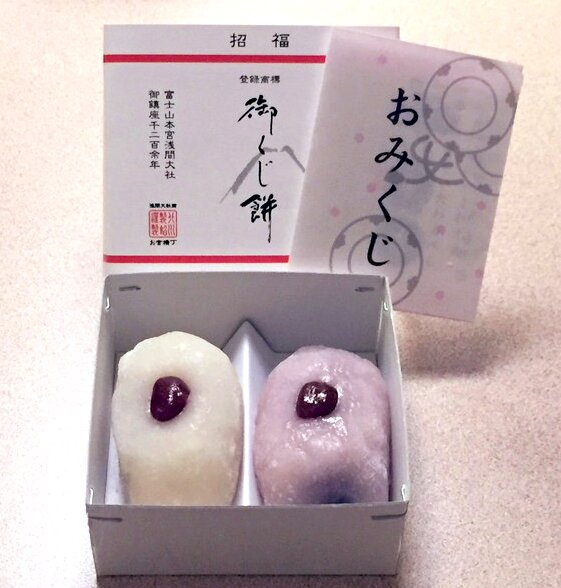
A delicate, pillowy rice cake filled with smooth, velvety red bean paste. Often shaped like the iconic mountain or stamped with the shrine's crest, these sweets provide a gentle, sugary contrast to the salty yakisoba. The texture is soft enough to melt on the tongue, leaving a lingering taste of high-quality adzuki and traditional craftsmanship.
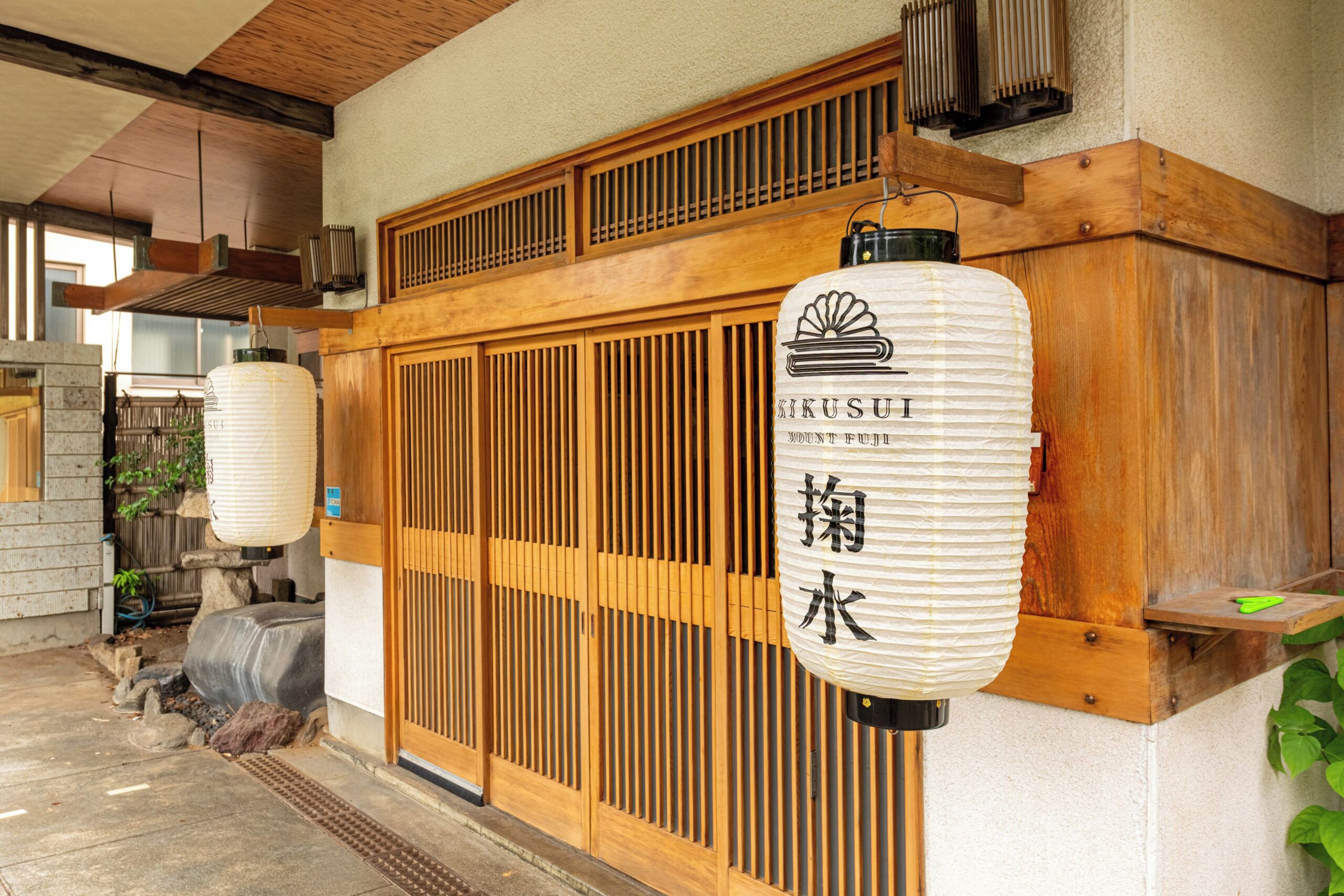
Premium Stays
To truly absorb the spiritual energy of the region, stay within walking distance of the shrine. This allows you to witness the morning rituals and the evening glow of the mountain in silence.


Getting There
Take the JR Shinkansen to Mishima or Shin-Fuji Station. From Mishima, take the JR Minobu Line directly to Fujinomiya Station. The shrine is a pleasant 10-minute walk from the station through a charming local shopping street.
FAQ
Inspired?
Share this destiny with someone special.