Welcome to Eiheiji Temple
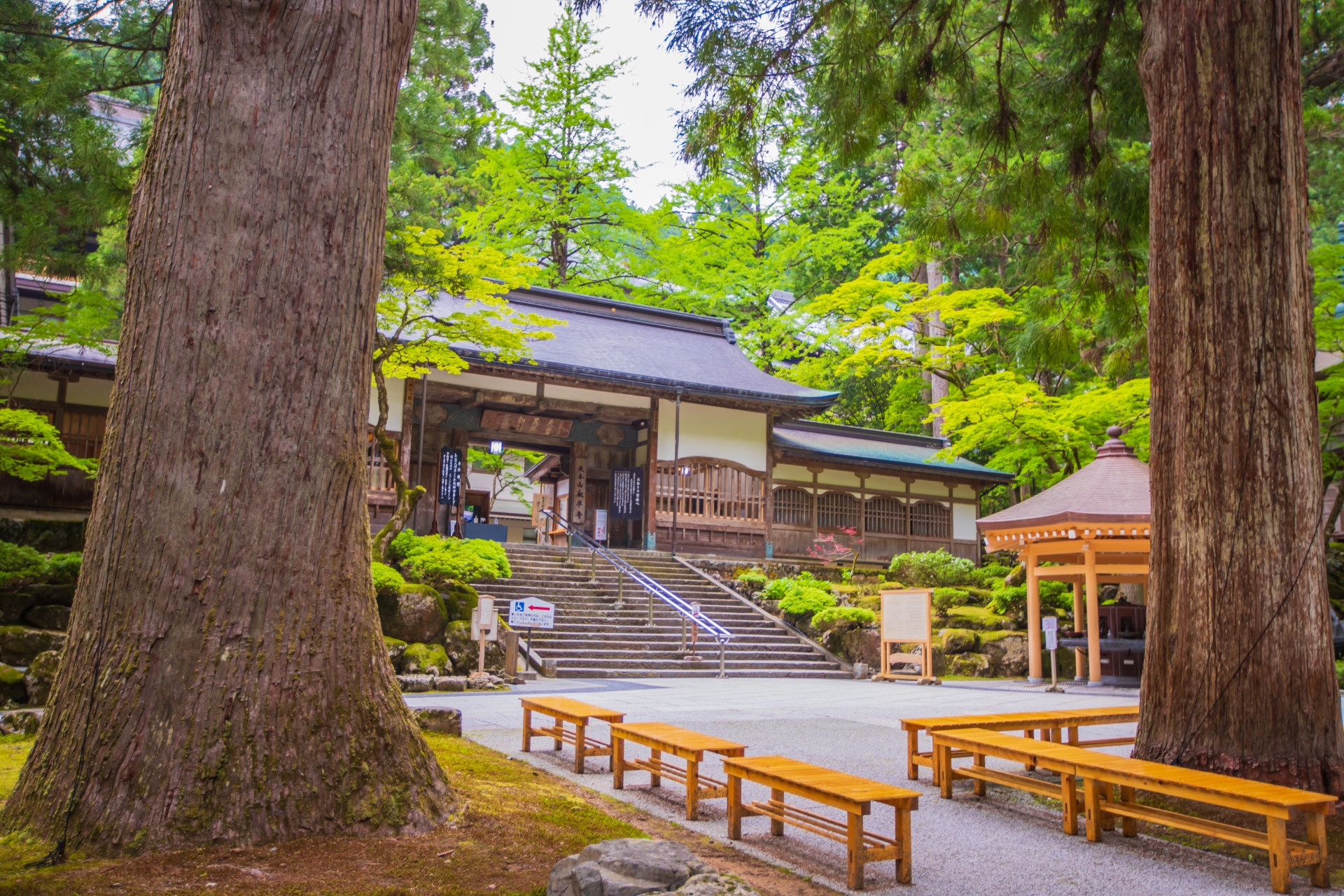
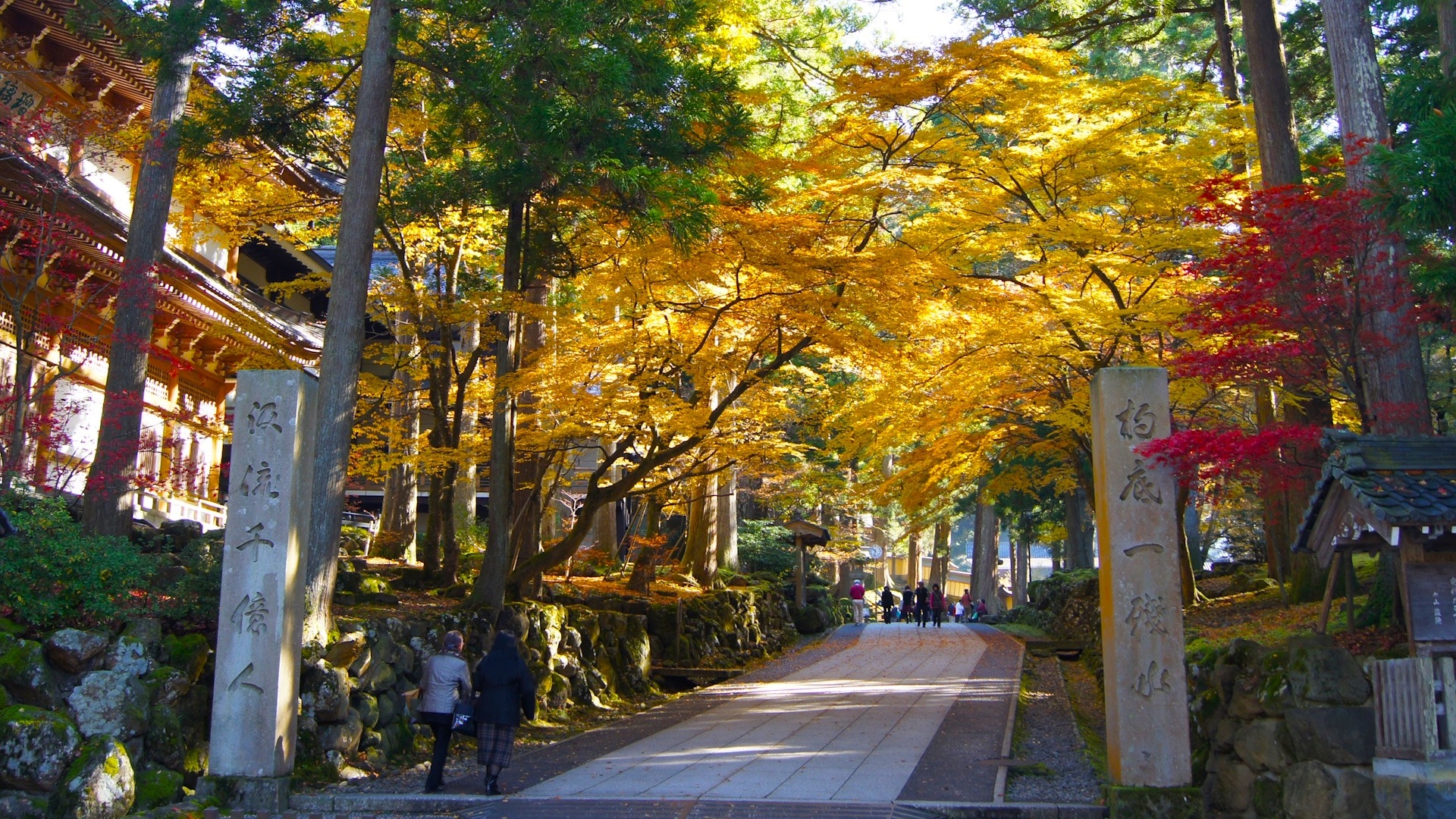
Deep within the mist-shrouded mountains of Fukui lies Eiheiji, the 'Temple of Eternal Peace.' Founded in 1244 by Zen Master Dogen, this active monastery is a living testament to the beauty of discipline. As you step onto the polished cedar floors, the air grows cool and heavy with the scent of aged incense and damp moss. Here, the rhythmic chanting of monks harmonizes with the rustle of thousand-year-old trees, offering a sensory journey that transcends the modern world. Whether you are seeking spiritual clarity or the architectural elegance of the Kamakura period, Eiheiji provides a sanctuary where time slows down, and every breath feels like a prayer.
The Sanshokan (Great Ceiling Hall)
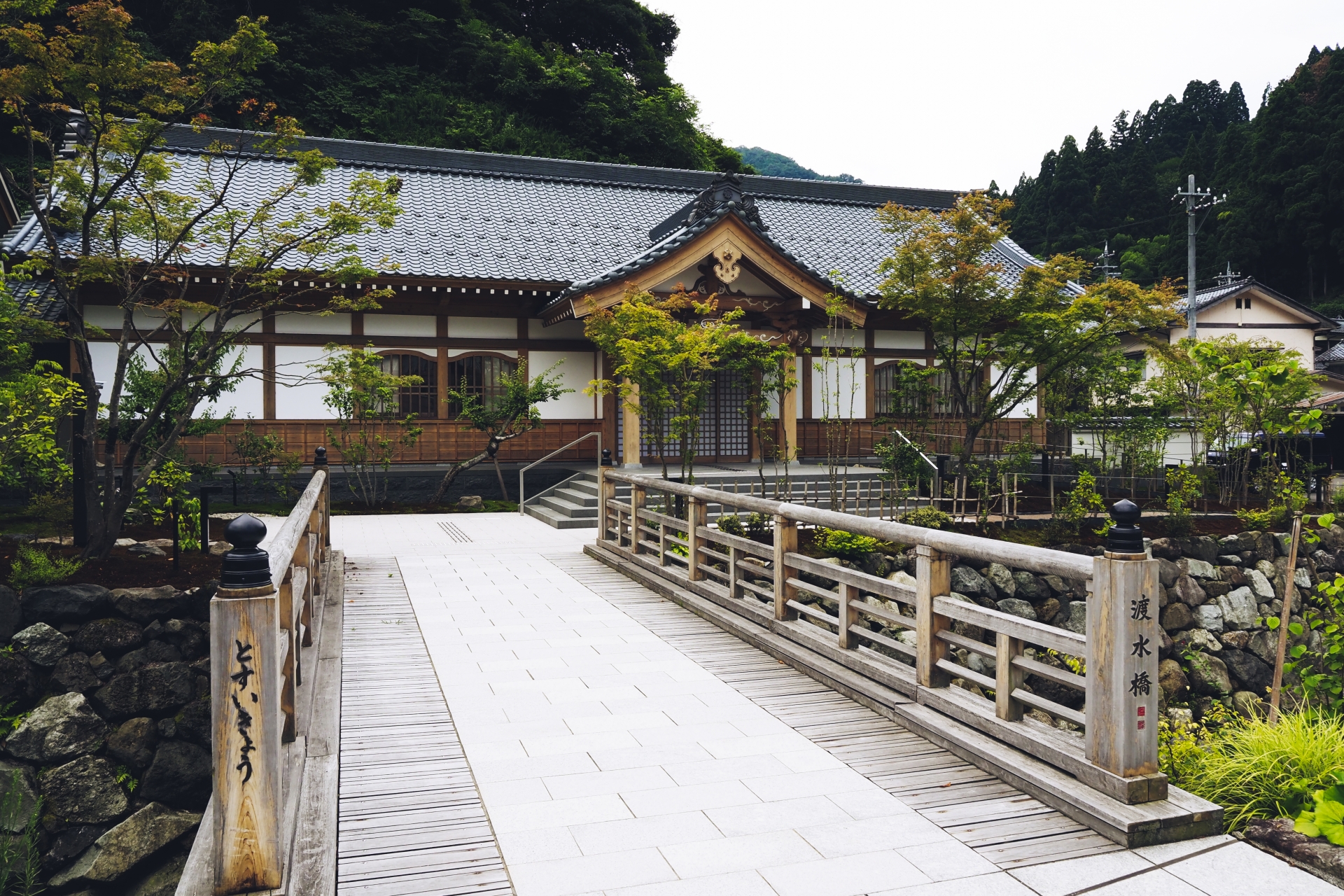
Prepare to be breathless as you enter the Sanshokan. Looking upward, you are met with a celestial tapestry of 230 vibrant paintings by 144 Japanese masters. These intricate depictions of birds, flowers, and mythical creatures are framed by deep lacquered wood, creating a kaleidoscope of color that contrasts sharply with the temple's austere Zen aesthetic. It is a rare moment of artistic indulgence within a space of strict minimalism, inviting visitors to lie back and lose themselves in the swirling details of Japanese flora and fauna.
The Butsuden (Buddha Hall)
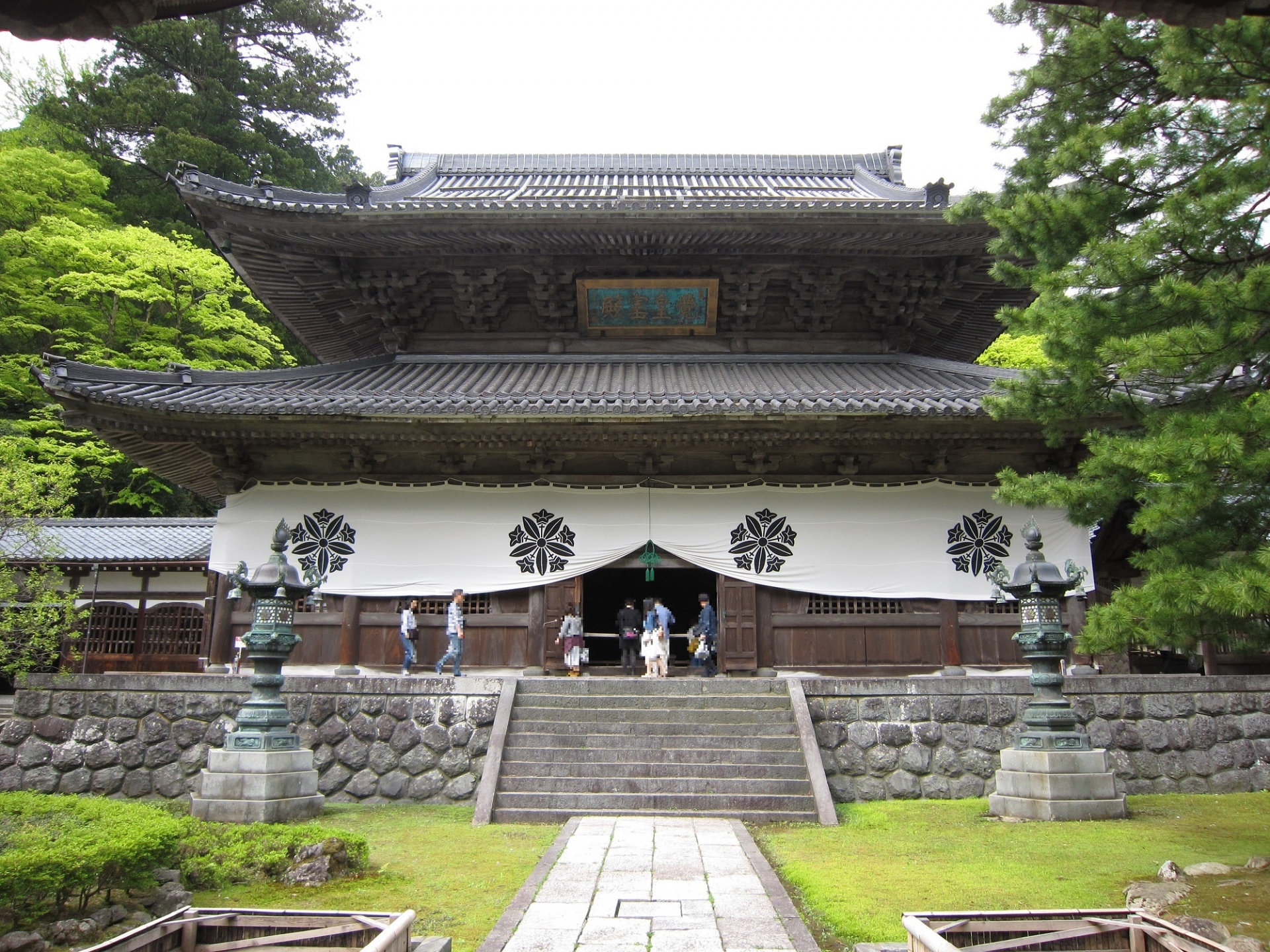
The heart of the complex, the Butsuden, is an architectural marvel of Chinese-style Zen construction. Inside, three magnificent statues representing the past, present, and future Buddhas sit enthroned amidst swirling clouds of blue incense smoke. The tactile sensation of the cold stone floor beneath your feet and the sight of the heavy, dark timber pillars—some hundreds of years old—evoke a sense of grounding and permanence. It is here that the daily rituals reach their peak, offering a window into the unwavering devotion of the resident monks.
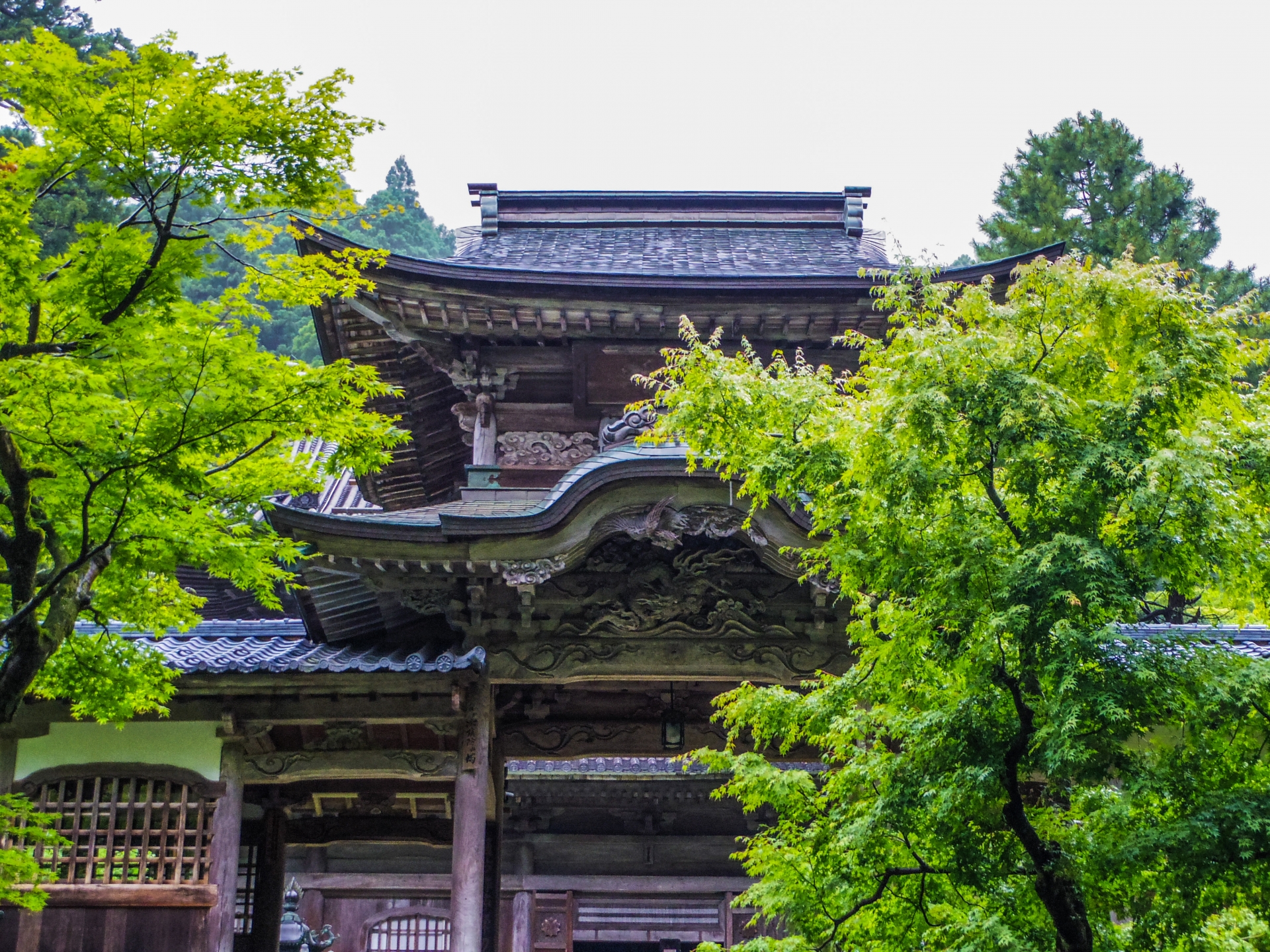
The Sanmon Gate
As the oldest structure in Eiheiji, the Sanmon Gate serves as the symbolic entrance to the world of enlightenment. Built in 1749, its massive two-story timber frame is guarded by the Four Heavenly Kings, their fierce countenances carved with startling realism. Walking through this gate feels like a physical transition; the air seems to thin and the sounds of the outside world vanish. The intricate wood joinery, held together without a single nail, showcases the pinnacle of traditional craftsmanship, standing as a silent sentinel over the temple's sacred grounds.
Local Soul Food
Tastes you can't find anywhere else.
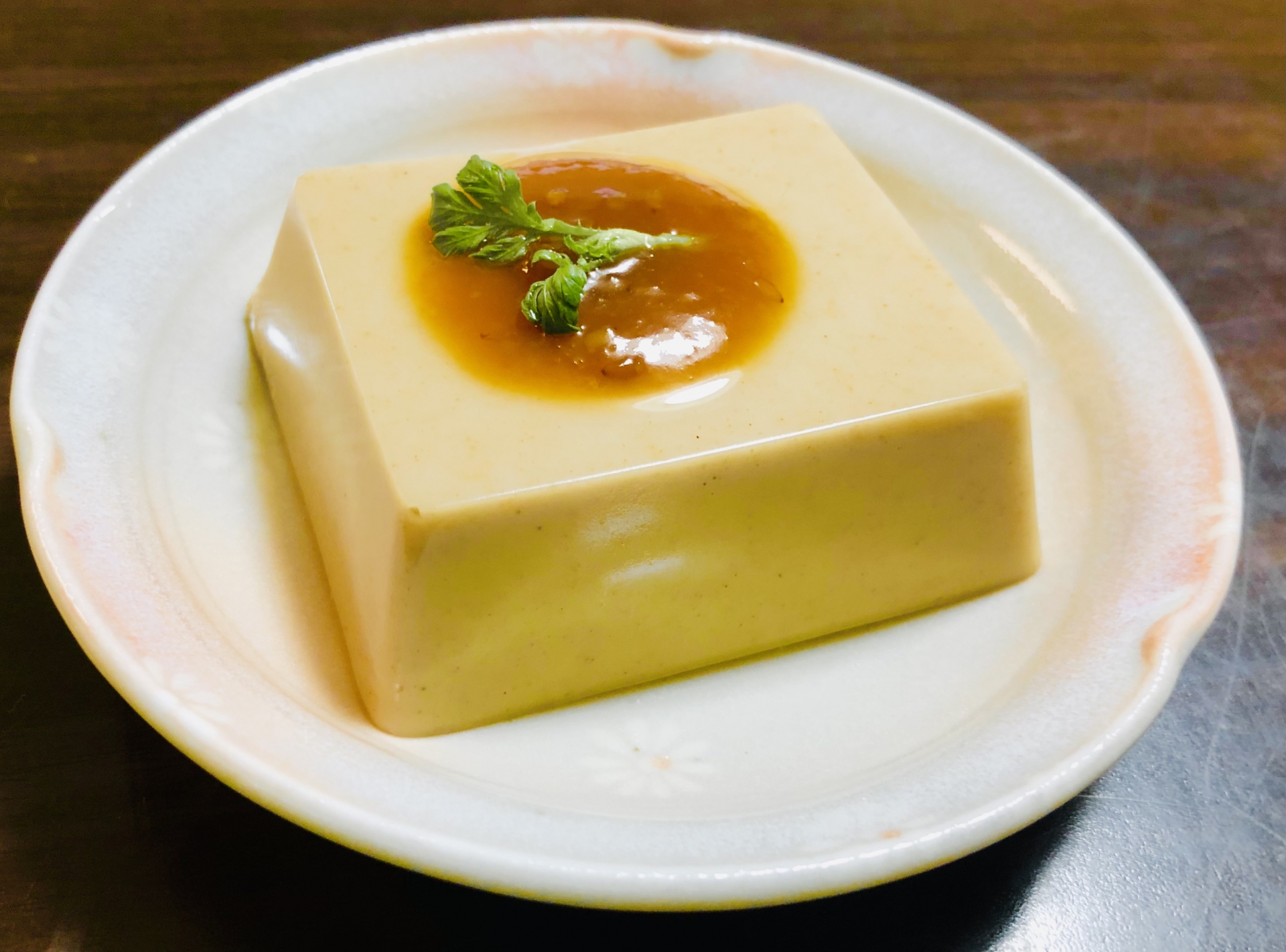
Eiheiji Goma-dofu (Sesame Tofu)
This is not your ordinary tofu. Crafted from meticulously ground sesame seeds and spring water, it possesses a texture that is simultaneously firm and velvety. As it touches your palate, it releases a rich, nutty aroma followed by a delicate sweetness that lingers. Served with a dollop of fresh wasabi and a splash of light soy sauce, it is the ultimate expression of Buddhist culinary refinement.
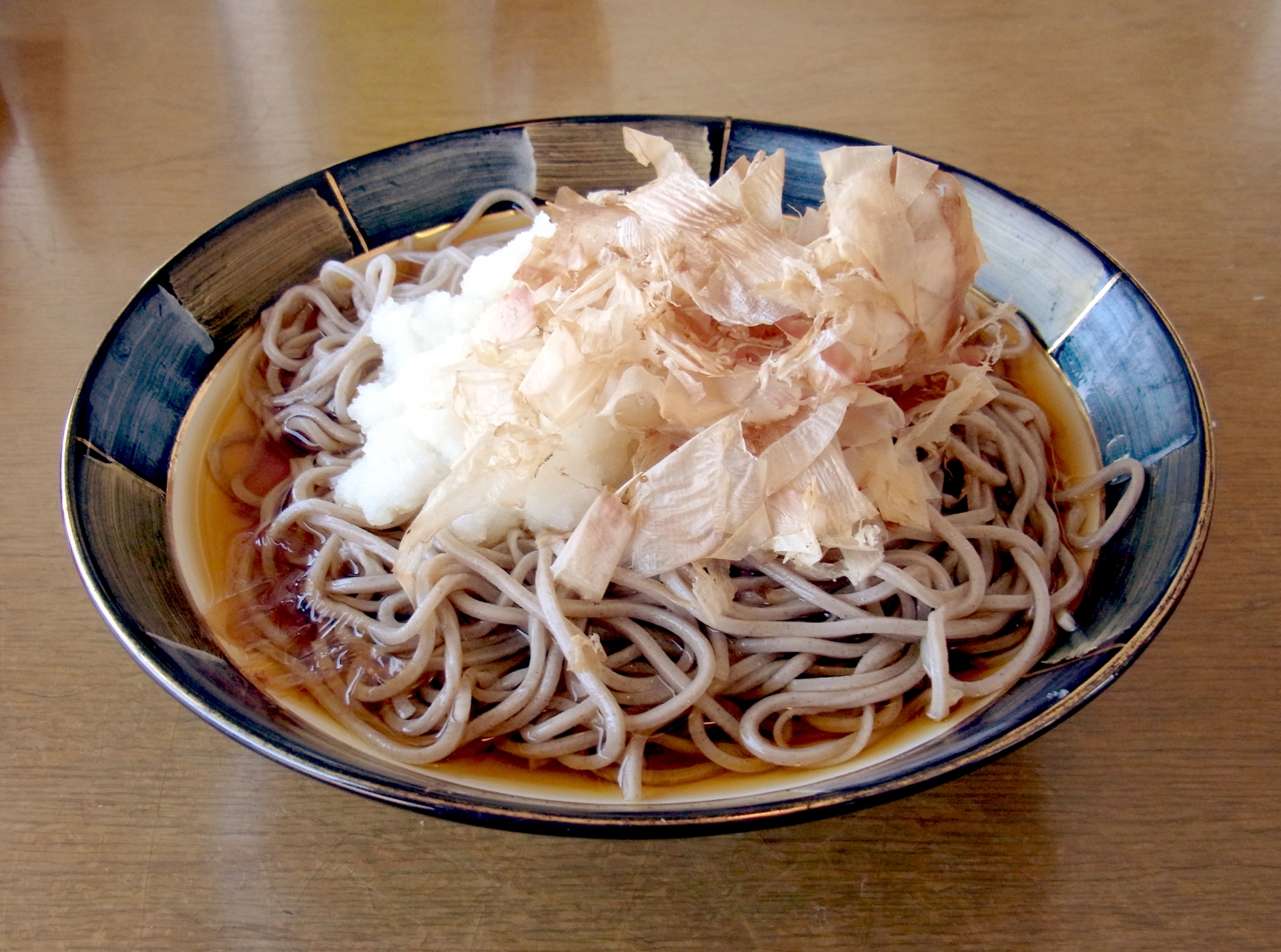
Echizen Oroshi Soba
A rustic and invigorating dish featuring firm, stone-ground buckwheat noodles. The 'Oroshi' style tops the noodles with a generous mound of spicy grated daikon radish, bonito flakes, and green onions. The contrast between the earthy, chewy noodles and the sharp, cooling bite of the radish creates a flavor profile that is uniquely Fukui—refreshing, bold, and deeply satisfying.
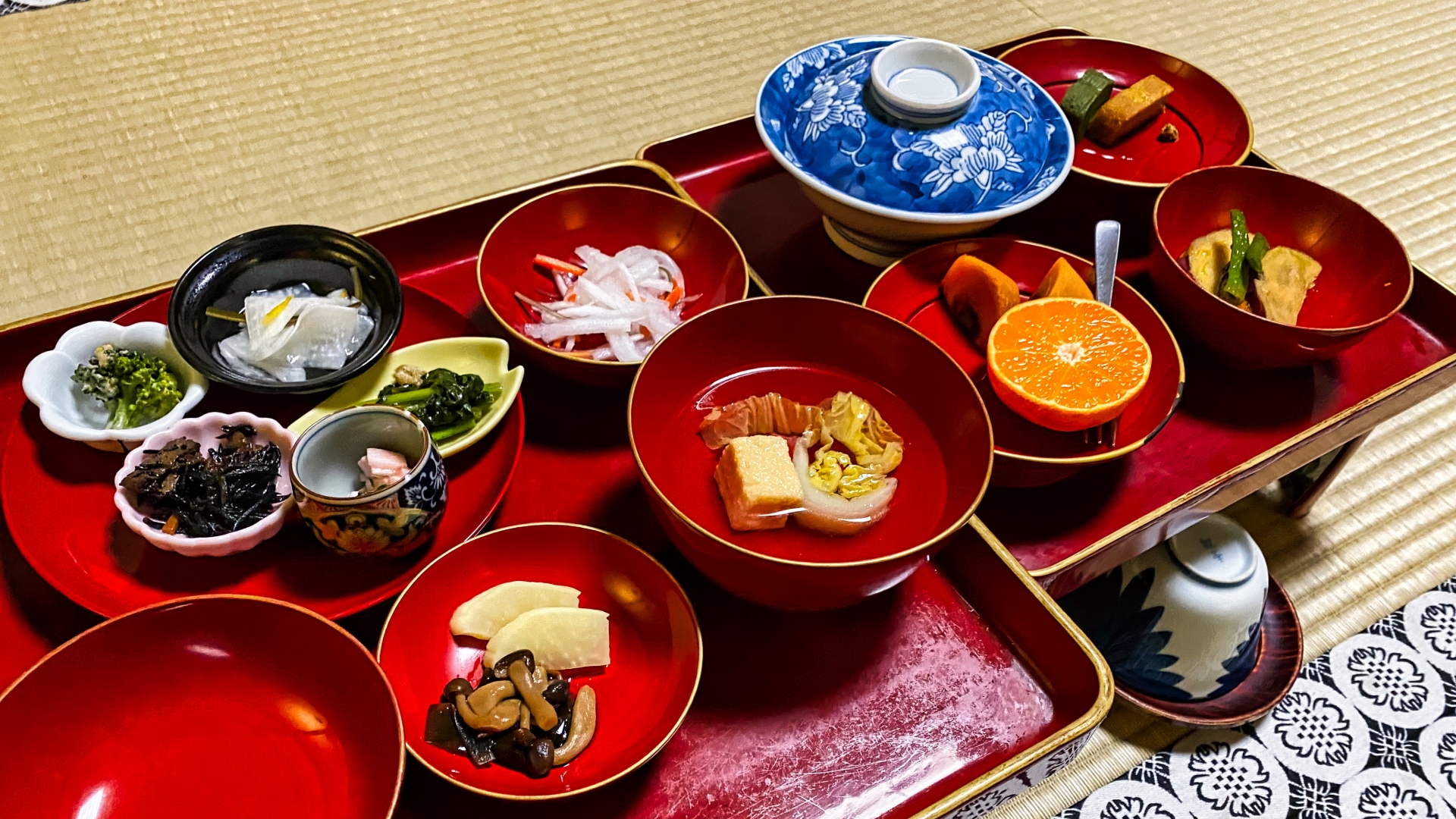
Shojin Ryori (Buddhist Vegan Course)
Experience the 'Cuisine of Devotion.' This multi-course meal utilizes seasonal mountain vegetables, wild plants, and soy products to create a symphony of subtle flavors. Each dish is prepared following the 'Rule of Five'—five colors, five tastes, and five preparation methods—ensuring a perfectly balanced nutritional and sensory experience that leaves the body feeling light and the mind clear.
Premium Stays
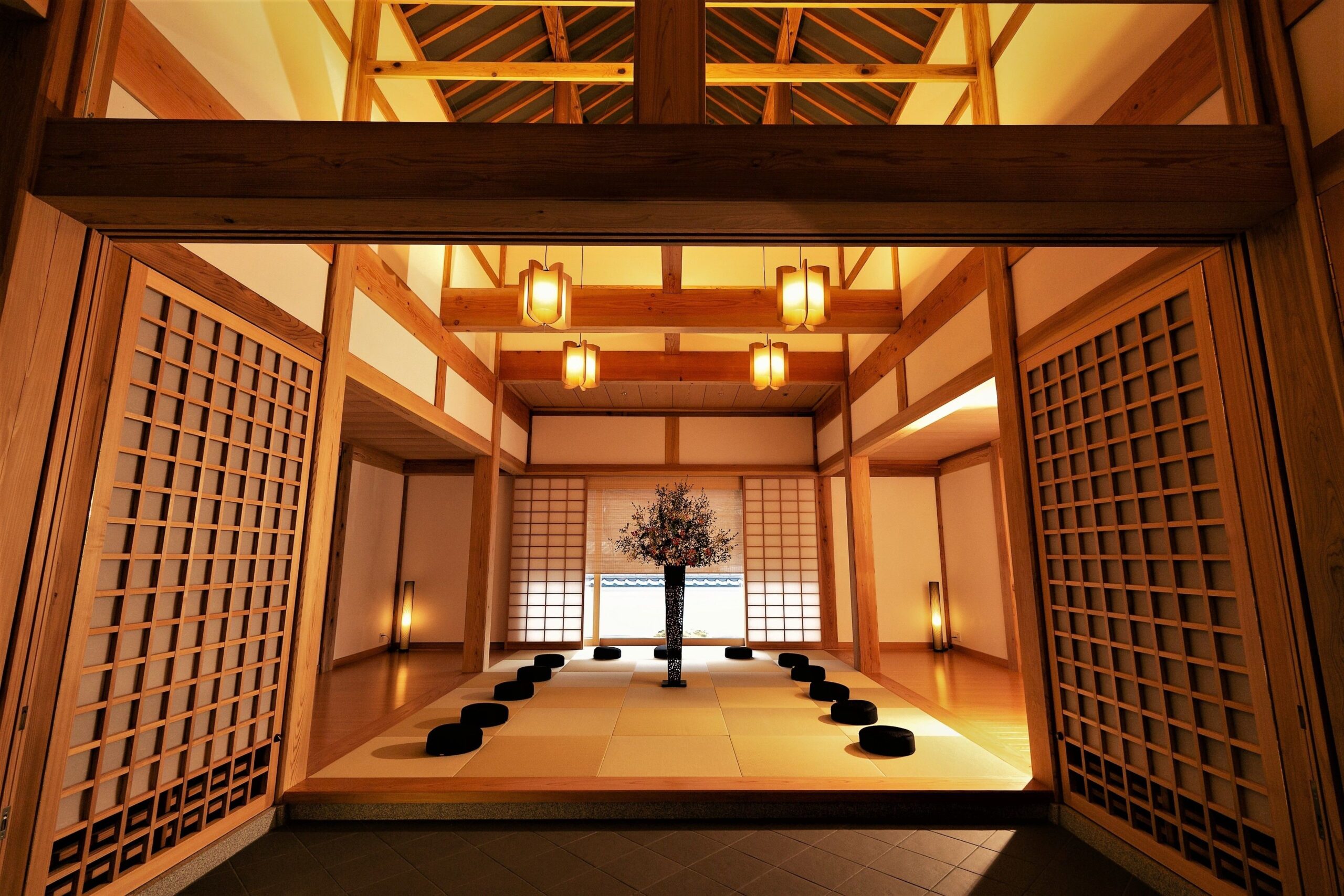
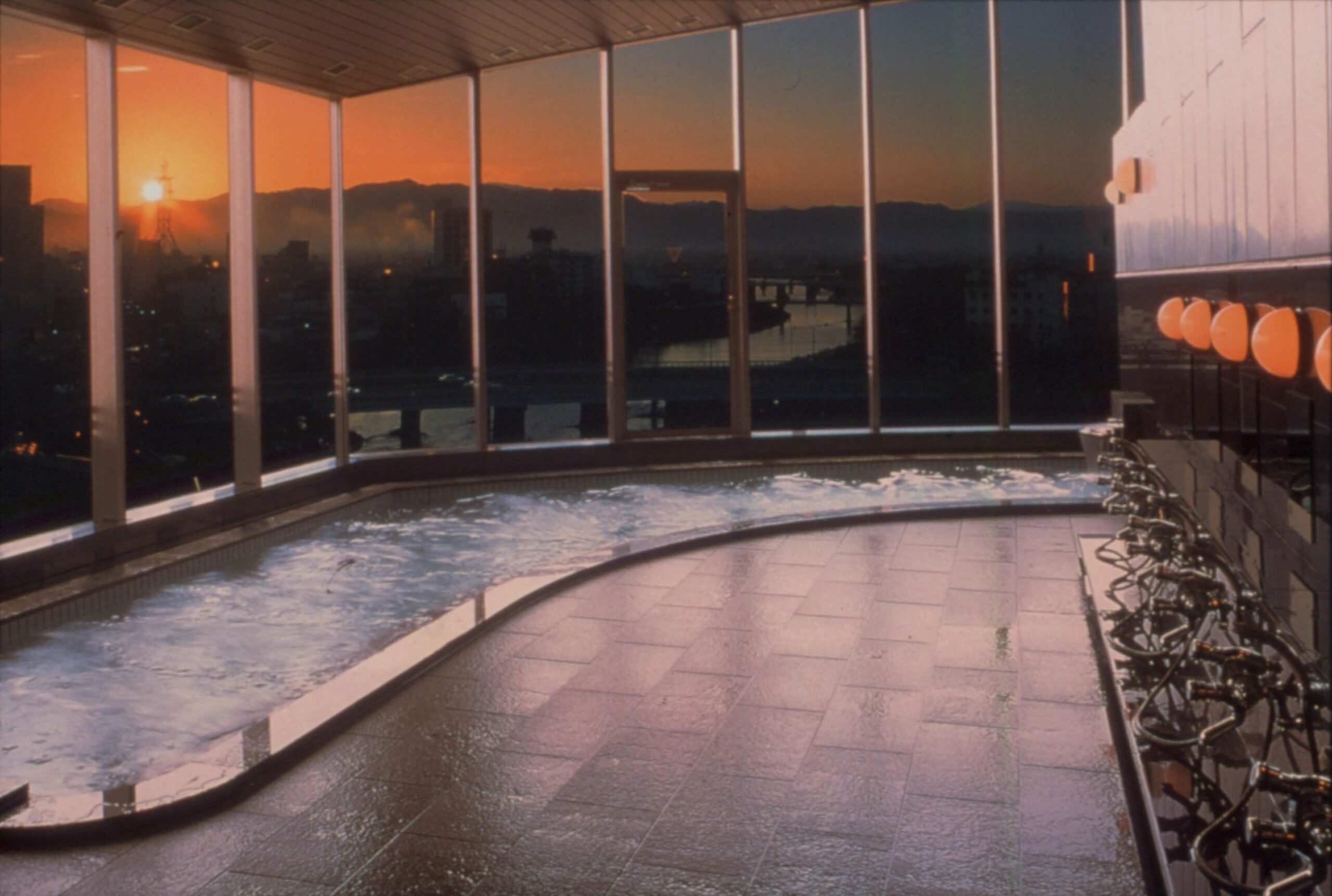
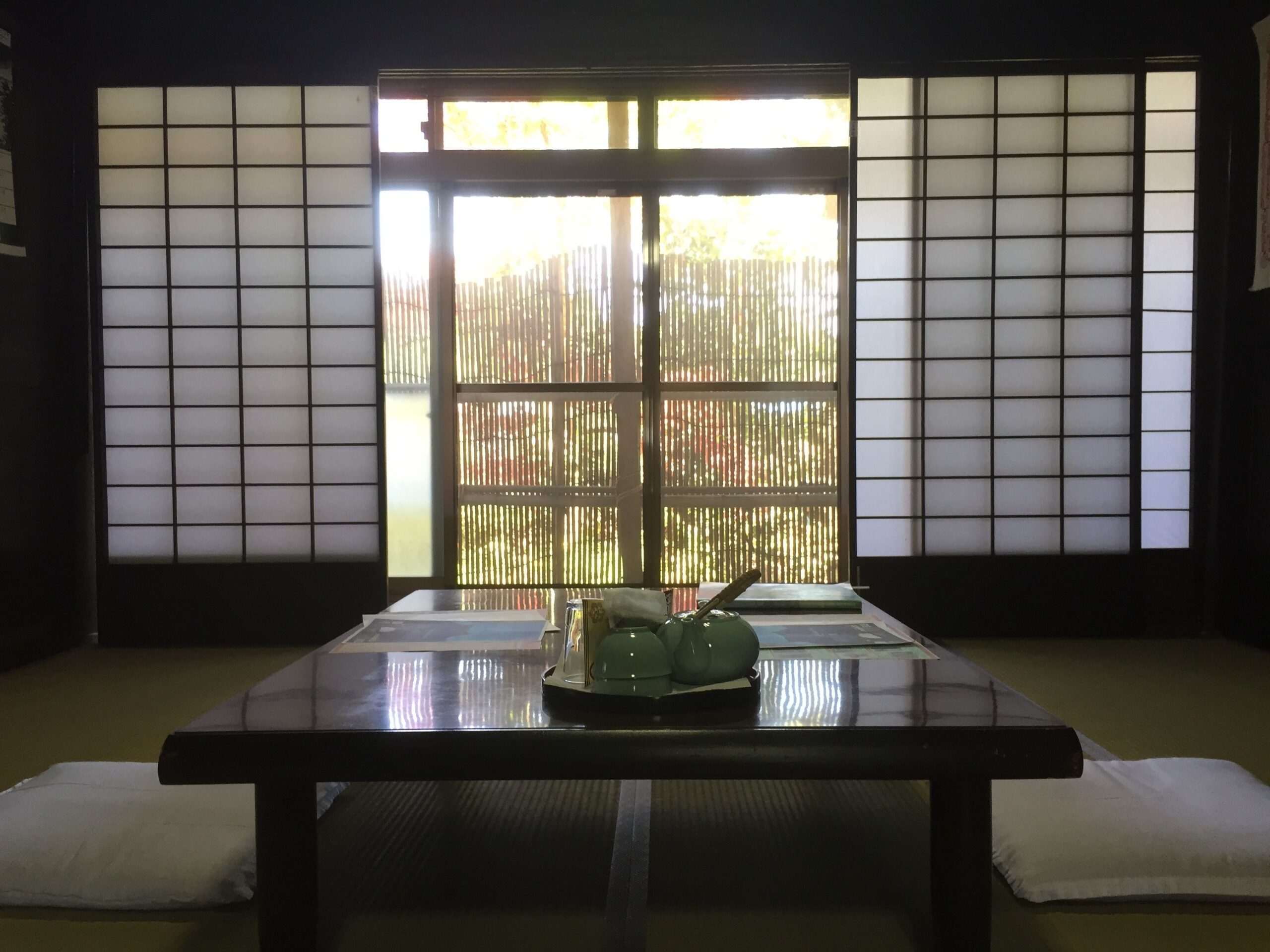
To truly absorb the energy of Eiheiji, staying within the temple vicinity is essential. For the ultimate immersion, choose a 'Shukubo' style luxury inn where the lines between spiritual practice and high-end hospitality blur beautifully.
Getting There
From JR Fukui Station, take the 'Eiheiji Liner' direct bus which departs every 30-60 minutes. Alternatively, take the Echizen Railway to Eiheijiguchi Station and transfer to a local bus. The direct liner is highly recommended for its convenience and scenic route.
FAQ
Inspired?
Share this destiny with someone special.