Fukuoka
Welcome to Dazaifu Tenmangu
Stepping into Dazaifu Tenmangu is like crossing a threshold into a living tapestry of Japanese history. The air here is different—thick with the scent of incense and the delicate, honeyed perfume of 6,000 plum trees. As you traverse the vermilion Taiko-bashi bridges, representing the past, present, and future, the gentle ripple of the pond water mirrors the tranquility of the sanctuary. Dedicated to Sugawara no Michizane, the deity of learning, this power spot vibrates with the silent prayers of thousands. Beyond the spiritual gravity, the approach is a sensory feast of charred sweets and artisan craftsmanship. Whether you seek intellectual clarity or the simple aesthetic bliss of a Zen garden, Dazaifu offers a profound connection to the ethereal heart of Kyushu.
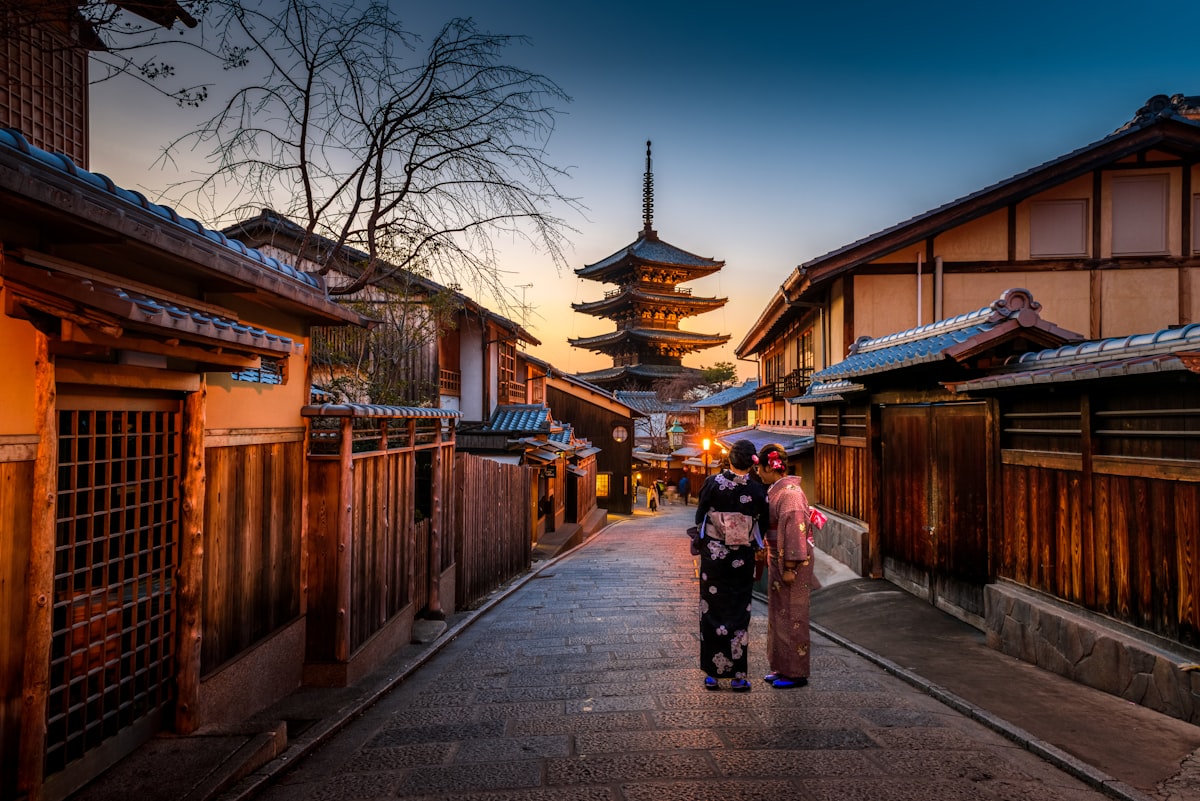
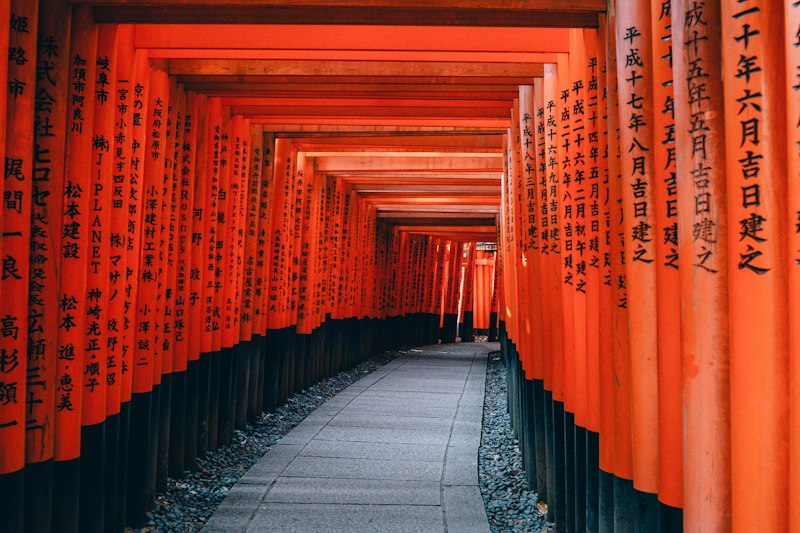
The Honden (Main Shrine Hall)
The Honden is a masterpiece of Momoyama-period architecture, radiating a sense of venerable power. Its massive thatched roof and intricate gold leaf carvings stand as a testament to 1,100 years of devotion. Legend tells of the 'Tobiume' (Flying Plum Tree) to the right of the hall, which miraculously flew from Kyoto to follow its master into exile. Standing before this sacred structure, the rhythmic clapping of worshippers and the rustle of the surrounding ancient camphor trees create a meditative symphony that grounds the soul in the present moment.
Komyozenji Temple
Just steps from the main shrine lies Komyozenji, a Rinzai Zen temple famous for its breathtaking 'kare-sansui' (dry landscape) gardens. The front garden uses pebbles to depict the character for 'light,' while the rear garden is a lush sea of vibrant green moss representing the continents and oceans. The contrast between the cool, damp velvet of the moss and the stark white gravel induces a state of deep contemplation. In autumn, the fiery maples drop their leaves onto the emerald moss, creating a visual masterpiece that rivals the finest galleries in Kyoto.
Kyushu National Museum
A striking architectural marvel, this museum features a massive, curved blue-glass facade that reflects the surrounding forested hills, making the building itself seem to disappear into the landscape. Inside, the 'Cultural Assets of Japan' are displayed with cutting-edge technology. The grand entrance hall is a soaring space of wood and light. It serves as a bridge between Japan's ancient roots and its modern technological prowess, offering a comprehensive look at how Kyushu served as the gateway for cultural exchange with the rest of Asia for centuries.
Local Soul Food
Tastes you can't find anywhere else.

Umegae Mochi
This is the quintessential taste of Dazaifu. A grilled rice cake filled with sweet azuki bean paste, stamped with the pattern of a plum blossom. The exterior is crisp and slightly charred, giving way to a soft, chewy texture and a warm, comforting sweetness. Eaten fresh from the vendor, the steam carries a delicate toasted aroma that is impossible to resist.
Hakata Mentaiko Rice
Experience the bold umami of Fukuoka's signature spicy cod roe. Served over a steaming bowl of premium Japanese rice, the mentaiko is creamy, salty, and carries a sophisticated heat. The tiny pearls of roe pop delicately on the tongue, releasing a vibrant oceanic flavor that is elevated by a drizzle of dashi-infused soy sauce and a sprinkle of nori.
Gokaku (Success) Ramen
A cultural twist on the world-famous tonkotsu ramen. Served in a unique pentagonal (five-sided) bowl—'gokaku' meaning both pentagon and 'passing an exam'—this dish features extra-long noodles for longevity and a rich, creamy pork bone broth that coats the palate in savory silk. It is a bowl of luck and flavor combined, perfect for the aspiring scholar or hungry traveler.
Premium Stays
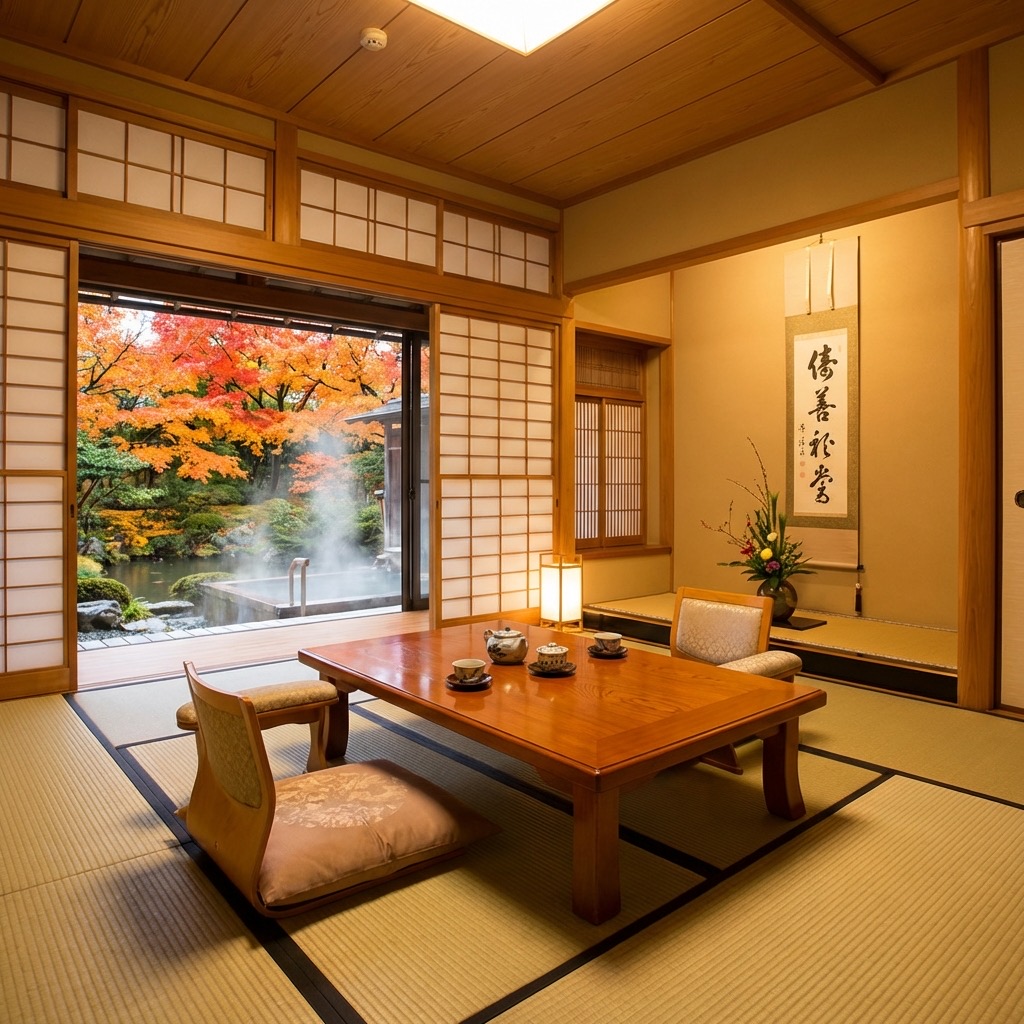
For the ultimate experience, stay in Dazaifu itself to enjoy the serene atmosphere after the day-trippers depart, or choose the Hakata station area for world-class luxury and seamless transit access.
Getting There
From Nishitetsu Fukuoka (Tenjin) Station, take the Nishitetsu Tenjin-Omuta Line to Futsukaichi Station, then transfer to the Dazaifu Line. Look for the 'Tabito' tourist train for a beautifully decorated themed ride.
FAQ
Inspired?
Share this destiny with someone special.