Fukuoka
Welcome to Dazaifu Tenmangu
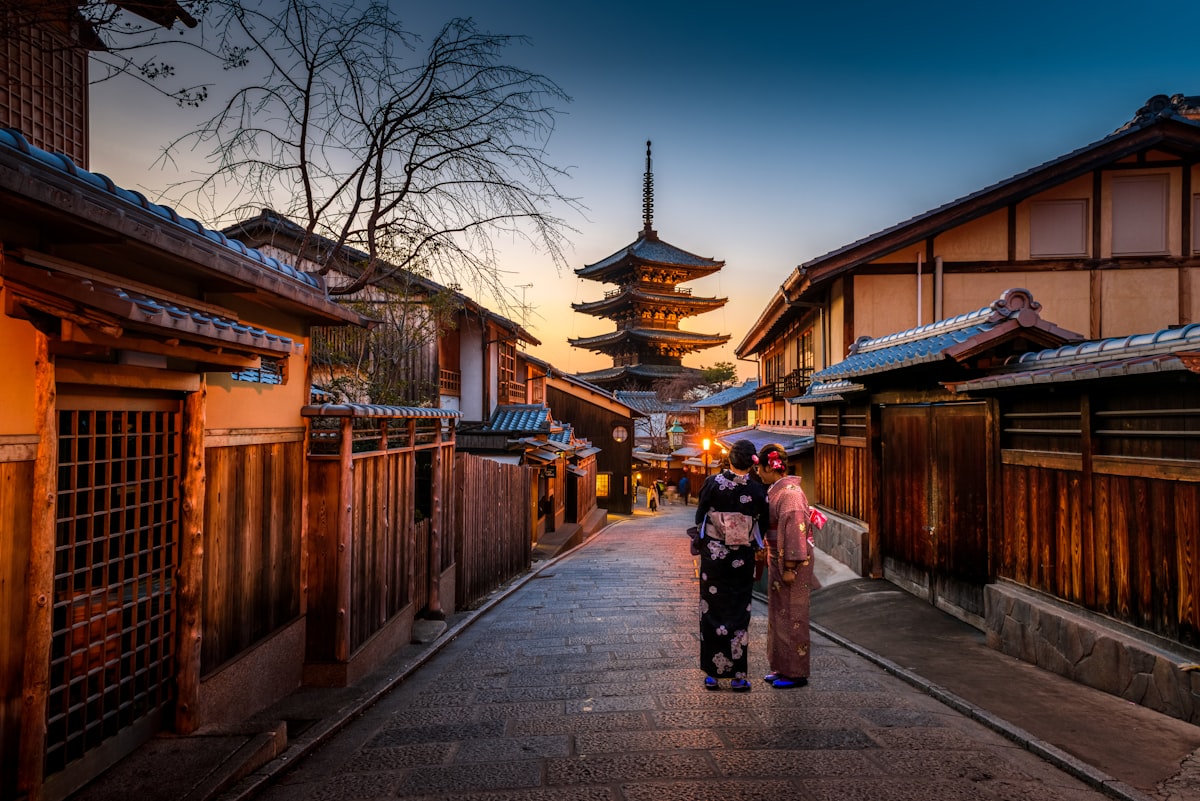
Dazaifu Tenmangu is not merely a shrine; it is a living tapestry of Japanese history and spiritual elegance. As you cross the vermilion bridges, the air thickens with the scent of aged cedar and the faint, sweet perfume of six thousand plum trees. This is the final resting place of Sugawara no Michizane, the deity of literature and learning. Here, the boundary between the mundane and the divine blurs amidst the rhythmic clapping of hands in prayer and the rustle of silk kimonos. Whether you seek academic triumph or the quiet solace of a moss-covered garden, Dazaifu offers a profound sensory journey that lingers long after you depart the sacred grounds.
The Taiko-bashi Bridges
Spanning the serene Shinji-ike Pond, these three vermilion bridges represent the past, present, and future. As you walk across the arched 'past' bridge, the reflection of the surrounding maples dances in the water, urging a moment of reflection. The middle 'present' bridge is flat, mirroring the stability of the now, while the final 'future' bridge rises to meet the grand gate. The tactile sensation of the smooth wood under your hand and the sight of colorful koi gliding beneath create a meditative transition into the sacred inner sanctum.
Starbucks Dazaifu Omotesando
Designed by the legendary Kengo Kuma, this is perhaps the world's most architecturally significant coffee house. Over 2,000 interwoven cedar beams create a dizzying, geometric forest that extends from the exterior into the depths of the cafe. The smell of freshly roasted beans mingles with the subtle, earthy aroma of natural wood. It is a stunning juxtaposition of modern 'kigumi' woodcraft against the ancient backdrop of the shrine approach. Sitting here with a latte feels like being inside a sophisticated wooden sculpture that breathes with the surrounding nature.
Kyushu National Museum
Rising like a blue glass wave from the forest, this museum is a masterpiece of contemporary design. Access it via the 'Rainbow Tunnel,' a futuristic corridor of light and escalators. The massive, curved glass facade reflects the changing sky and the lush green hills of Dazaifu, making the building itself a piece of environmental art. Inside, the vaulted ceilings and vast exhibition halls house treasures that tell the story of Japan’s cultural exchange with Asia. The sheer scale and quiet dignity of the space offer a cool, intellectual sanctuary.
Local Soul Food
Tastes you can't find anywhere else.

Umegae-mochi
The quintessential Dazaifu treat. A delicate rice cake filled with sweet azuki bean paste, branded with the sacred plum blossom. When served hot, the outer shell is incredibly crisp, crackling under the teeth to reveal a soft, chewy interior. The warmth of the mochi and the gentle sweetness of the beans provide a comforting sensory experience that has sustained pilgrims for centuries.
Mentaiko Tamagoyaki
Fukuoka is the capital of spicy cod roe (mentaiko). This dish features velvety, dashi-rich egg layers folded around a generous center of spicy, salty mentaiko. The contrast between the buttery, soft egg and the popping texture of the roe is a masterclass in balance. It’s an umami bomb that perfectly represents the bold flavors of the Kyushu region.
Onigawara Monaka
A sophisticated local sweet shaped like the fearsome demon tiles found on temple roofs. The crisp, airy wafer shell shatters beautifully, giving way to a rich, nutty red bean filling mixed with tiny bits of chewy mochi. It is as much a work of art as it is a dessert, offering a satisfying crunch and a deep, lingering sweetness that pairs perfectly with bitter matcha.
Premium Stays
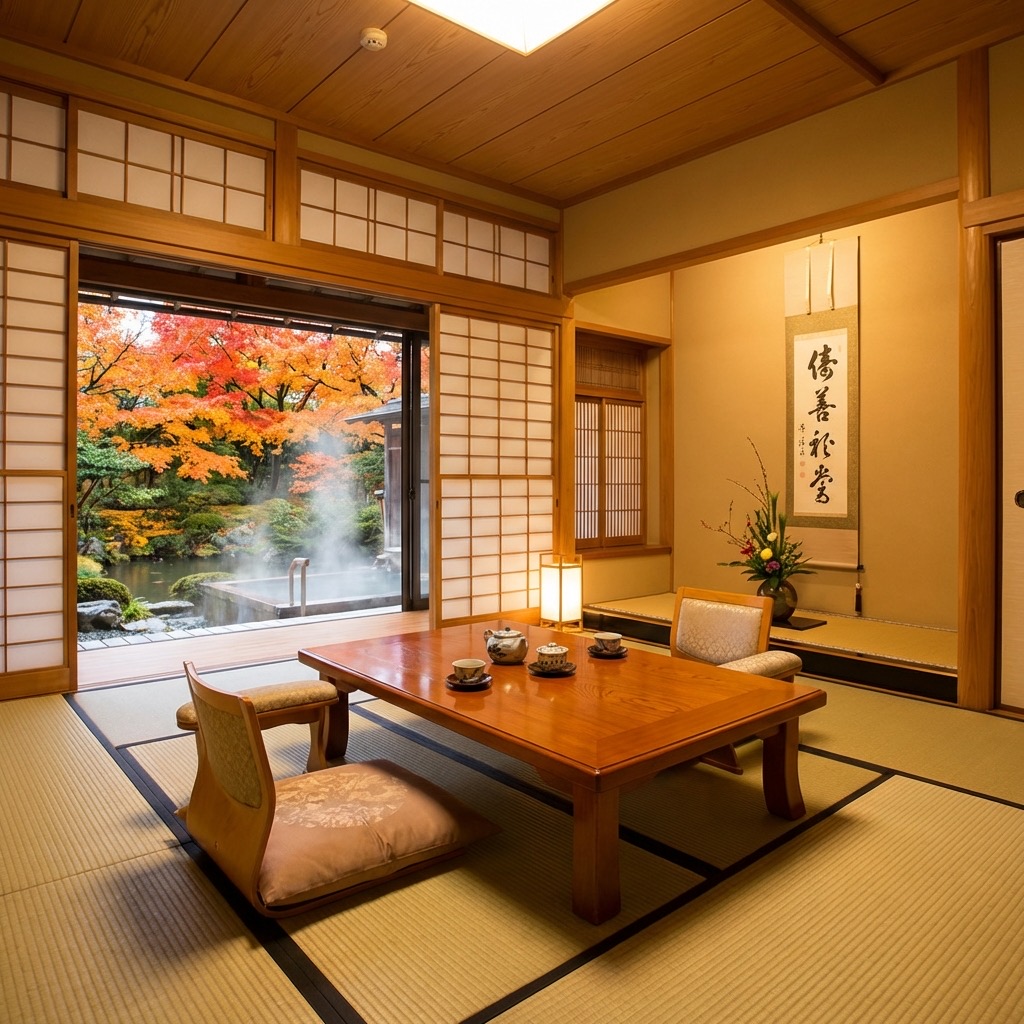
For the most immersive experience, stay within Dazaifu city to witness the shrine at dawn. Alternatively, the Tenjin district in Fukuoka offers luxury and easy access via the Nishitetsu line.
Getting There
From Fukuoka (Tenjin) Station, take the Nishitetsu Tenjin-Omuta Line to Futsukaichi Station, then transfer to the Dazaifu Line. Express trains run frequently, but always check the platform for the 'Tabito' decorative train for a more scenic journey.
FAQ
Inspired?
Share this destiny with someone special.