Welcome to Chuson-ji Temple
Stepping into the grounds of Chuson-ji is not merely a visit to a temple; it is a descent into the Pure Land of the Fujiwara clan. As you walk the Tsukizaka slope, the air thickens with the scent of damp earth and centuries-old cedar resin. This UNESCO World Heritage site is a testament to a vision of peace, realized in a time of war. The silence here is heavy, broken only by the soft chime of bells or the distant rustle of leaves. It is an emotional landscape where gold reflects the eternal and the surrounding forest reminds us of the ephemeral. For the discerning traveler, Chuson-ji offers a profound stillness that resets the soul, making it an essential pilgrimage for those seeking Japan’s deep spiritual core.
Konjikido (Golden Hall)
The crown jewel of Hiraizumi, this 12th-century mausoleum is entirely covered in gold leaf, both inside and out. As you enter the protective concrete shell, the sudden shimmer of gold against the dark interior is breathtaking. Intricate mother-of-pearl inlays and maki-e lacquer work tell a story of celestial beauty. The hall houses the mummified remains of the four generations of Northern Fujiwara lords, resting in a silence that has lasted nearly a millennium. It is a sensory overload of opulence and reverence that demands a quiet, lingering gaze.
Tsukizaka (Moon View Slope)
The approach to the temple is an experience in itself. This steep, 800-meter path is lined with towering cryptomeria trees planted during the Edo period. As you climb, the physical exertion heightens your senses—the cool mountain air, the sound of gravel beneath your feet, and the shifting shadows of the giants above. Along the way, several viewpoints offer glimpses of the Kitakami and Koromo rivers, providing a panoramic context to the strategic and spiritual importance of this sacred hill. It is a meditative ascent that prepares the mind for the treasures above.
Sankozo (Museum of Treasures)
To truly grasp the artistic height of the Northern Fujiwara, the Sankozo is indispensable. This museum houses over 3,000 national treasures and important cultural properties, including massive wooden Buddha statues that exude a serene, commanding presence. The craftsmanship is staggering—witness the delicate silk garments and the precision of the ancient metalwork. The museum provides the narrative backbone to the site, transforming the gold of Konjikido from mere wealth into a profound cultural statement of peace and enlightenment. It is the intellectual heart of the temple complex.
Local Soul Food
Tastes you can't find anywhere else.

Wanko Soba
Experience the rhythmic 'don-don' of servers tossing small mouthfuls of buckwheat noodles into your bowl. Each serving is accompanied by local condiments like spicy daikon, nori, and sashimi. The nutty aroma of the fresh soba is balanced by a rich, savory dashi. It is a playful, high-energy dining ritual that is as much about the hospitality as it is about the flavor.
Maesawa Beef Teppanyaki
Indulge in the buttery melt of Maesawa Beef, Iwate's pride. This A5-ranked wagyu is famous for its intense marbling and delicate sweetness. Seared on a hot plate, the fat renders into a silky juice that coats the palate. The aroma is intoxicating—a rich, umami-laden scent that defines luxury dining in the Tohoku region. It is a decadent necessity for any gourmand.
Hiraizumi Mochi Platter
A colorful array of chewy, hand-pounded rice cakes served with various toppings. From the savory-sweet tang of walnut paste and sesame to the classic ginger-soy glaze, each bite offers a different texture and flavor profile. The mochi is incredibly soft, reflecting the local tradition of celebrating milestones with these 'lucky' sweets. It is the perfect afternoon pick-me-up.
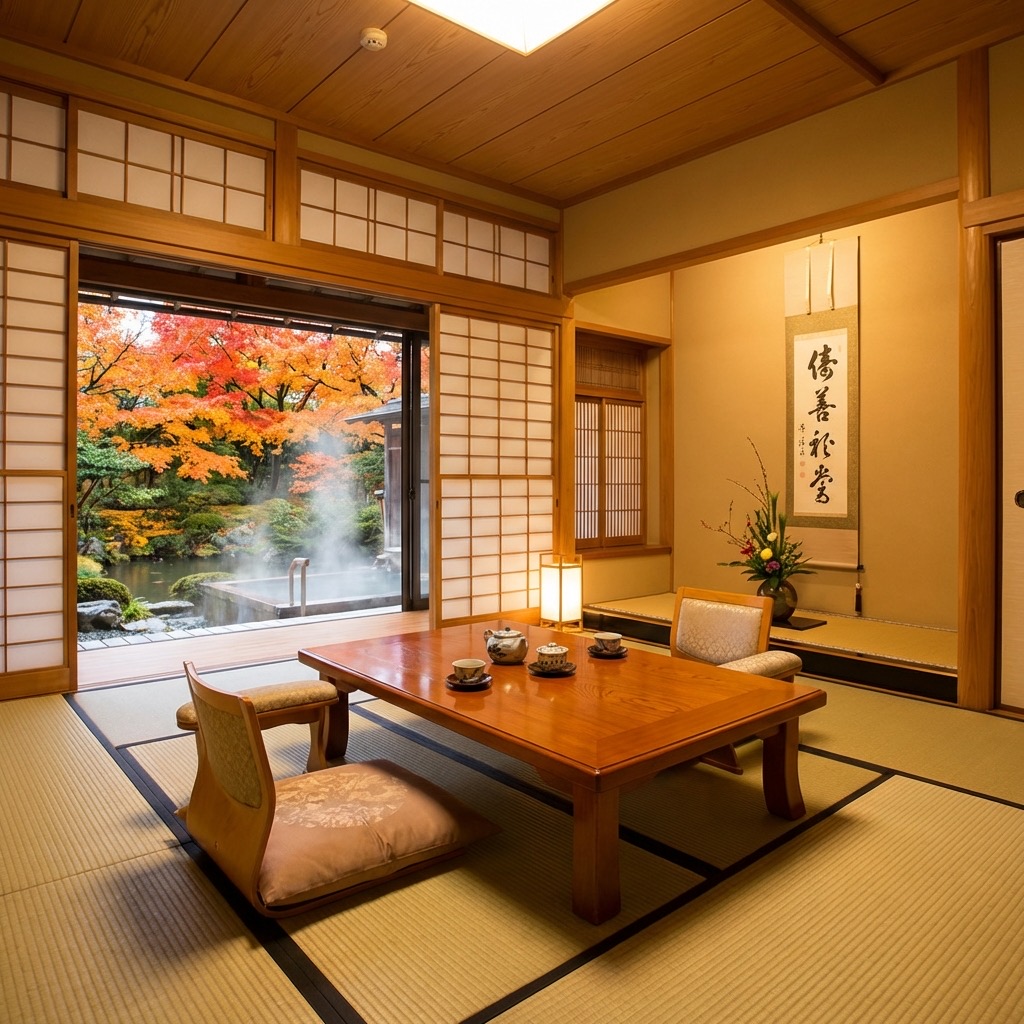
Premium Stays
For the ultimate experience, stay in the Hiraizumi area to enjoy the temple at dawn, or base yourself in nearby Ichinoseki for better transport links.
Getting There
Take the Tohoku Shinkansen to Ichinoseki Station (approx. 2.5 hours from Tokyo). Transfer to the JR Tohoku Line for a 9-minute ride to Hiraizumi Station. From there, the 'Run Run' loop bus departs every 15-30 minutes directly to Chuson-ji.
FAQ
Inspired?
Share this destiny with someone special.