Iwate
Welcome to Chuson-ji
Rising from the verdant slopes of Hiraizumi, Chuson-ji is more than a temple; it is a manifestation of the Pure Land on earth. As you ascend the ancient paths, the air cools, heavy with the scent of damp earth and centuries-old cedar needles. This UNESCO World Heritage site serves as a poignant reminder of the Northern Fujiwara clan's vision for a peaceful kingdom. From the blinding brilliance of the Golden Hall to the rhythmic chanting echoing through the forest, every step here is a tactile journey through Japan’s spiritual soul. Whether you are seeking architectural mastery or a quiet moment of introspection, Chuson-ji offers a sensory escape that transcends the mundane, inviting you to witness the enduring legacy of gold and grace.
Konjikido (The Golden Hall)
Encased within a protective concrete shell lies a breathtaking vision of the afterlife. The Konjikido is entirely covered in gold leaf, both inside and out, shimmering with an ethereal light that defies time. Intricate mother-of-pearl inlays and delicate maki-e lacquerware adorn the pillars, while the preserved remains of the Fujiwara lords rest beneath the altar. It is a masterpiece of 12th-century craftsmanship that leaves visitors in a state of hushed reverence, witnessing a level of opulence dedicated purely to the divine.
Tsukizaka (Moon Slope)
The journey to the heart of Chuson-ji begins with this majestic 800-meter approach. Flanked by towering cedar trees over 300 years old, the path creates a natural cathedral of green. The sound of your footsteps on the gravel rhythmically marks the transition from the secular world to the sacred. Along the slope, various small halls and viewpoints offer glimpses of the Kitakami River below, providing a serene atmosphere that prepares the mind for the spiritual treasures awaiting at the summit.
Sankozō Museum
A treasure house of Buddhist art, the Sankozō preserves over 3,000 national treasures and important cultural properties. Here, the sensory experience shifts to the tactile beauty of ancient wood carvings and the faded elegance of silk scrolls. The giant seated statues of Buddha command the room with a silent, powerful presence. It is the definitive location to understand the depth of the Hiraizumi culture, offering a scholarly yet deeply moving look at the artistic heights reached during the region's golden age.
Local Soul Food
Tastes you can't find anywhere else.

Wanko Soba
Experience the rhythmic thrill of Iwate’s most famous culinary tradition. Bite-sized portions of buckwheat noodles are served in rapid succession as servers chant 'Hai, jan-jan!' The slippery, nutty noodles are dipped in a savory dashi, accompanied by various toppings like spicy radish and tuna sashimi. It is a playful, high-energy feast that challenges both your appetite and your speed.
Maesawa Beef Steak
Indulge in the buttery melt of premium Maesawa Wagyu. Known for its exquisite marbling and deep umami profile, this beef is often seared over charcoal to lock in the juices. The aroma of rendered fat and sweet soy glaze is intoxicating. Each bite releases a velvety texture that dissolves on the tongue, leaving a rich, savory finish that defines luxury dining in Northern Japan.
Zunda Mochi
This local sweet features soft, chewy rice cakes smothered in a vibrant green paste made from crushed edamame. The texture is intentionally coarse, offering a delightful contrast between the smooth mochi and the nutty, slightly salty beans. It is a refreshing, earthy dessert that captures the essence of the Tohoku countryside with its bright color and subtle sweetness.
Premium Stays
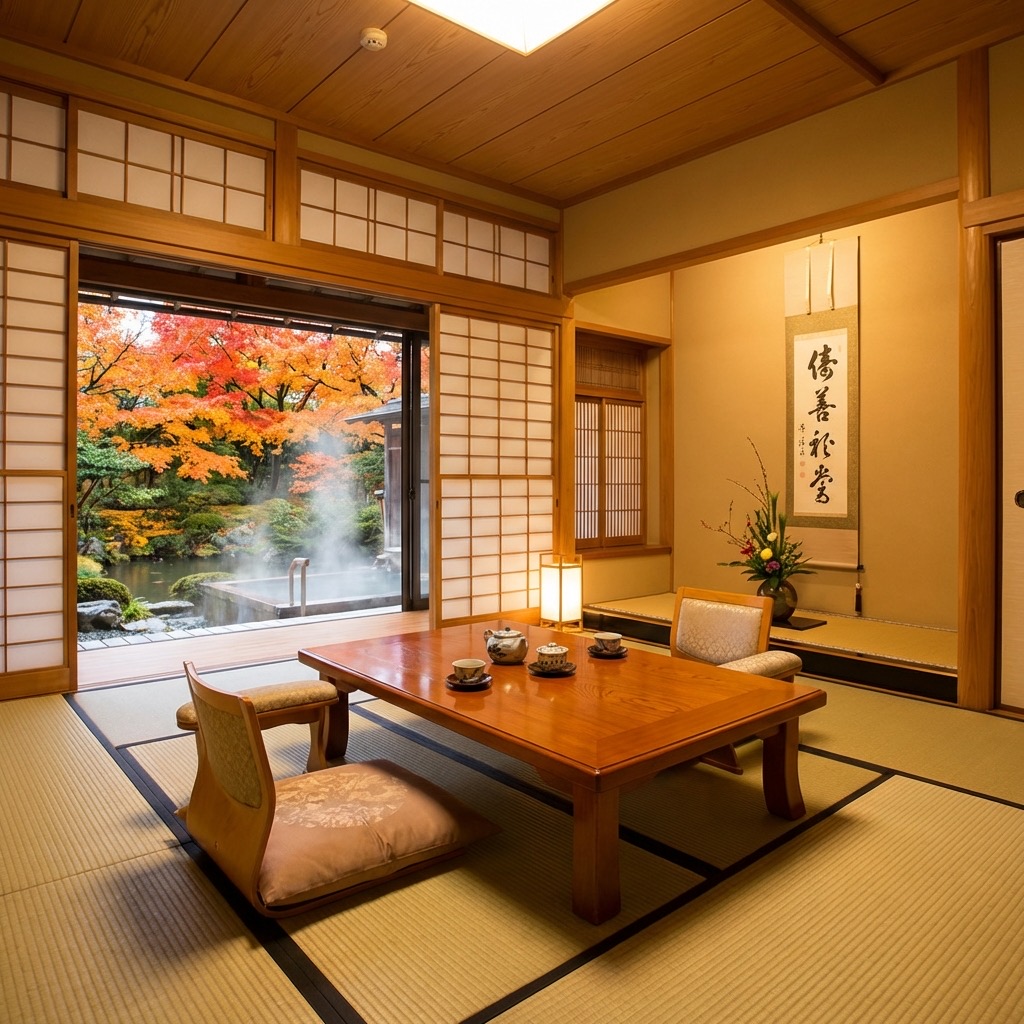
To truly absorb the spiritual energy of Hiraizumi, stay within the town itself or nearby Ichinoseki. Local ryokans offer a gateway to the region's hospitality, featuring hot springs that soothe the soul after a day of exploration.
Getting There
Take the JR Tohoku Shinkansen to Ichinoseki Station. From there, transfer to the JR Tohoku Main Line for a 9-minute ride to Hiraizumi Station. The temple is a 20-minute walk or a short loop-bus ride from the station.
FAQ
Inspired?
Share this destiny with someone special.