Saitama
Welcome to Chichibu
Chichibu is not merely a destination; it is a sensory awakening. Nestled within the rugged embrace of Saitama’s mountains, this sacred enclave breathes with the scent of ancient cedar and the crisp, invigorating chill of the Arakawa River. Here, the veil between the modern world and the spiritual realm thins, revealing ornate shrines carved with mythical beasts and valleys that ignite in a crimson blaze each autumn. Whether you are seeking the profound silence of a mountain pilgrimage or the vibrant energy of a centuries-old festival, Chichibu offers a timeless sanctuary. It is a place where the echo of temple bells lingers in the misty air, inviting the weary traveler to rediscover a sense of wonder and profound peace.
Mitsumine Shrine
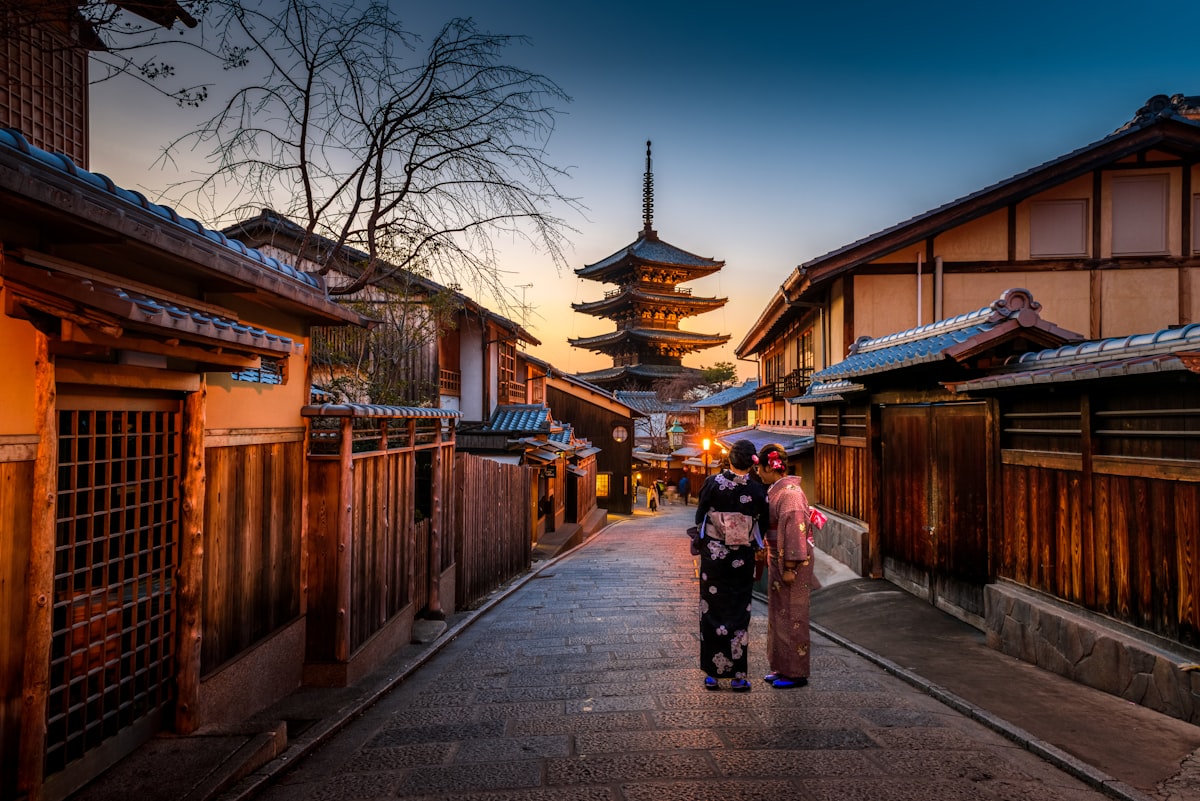
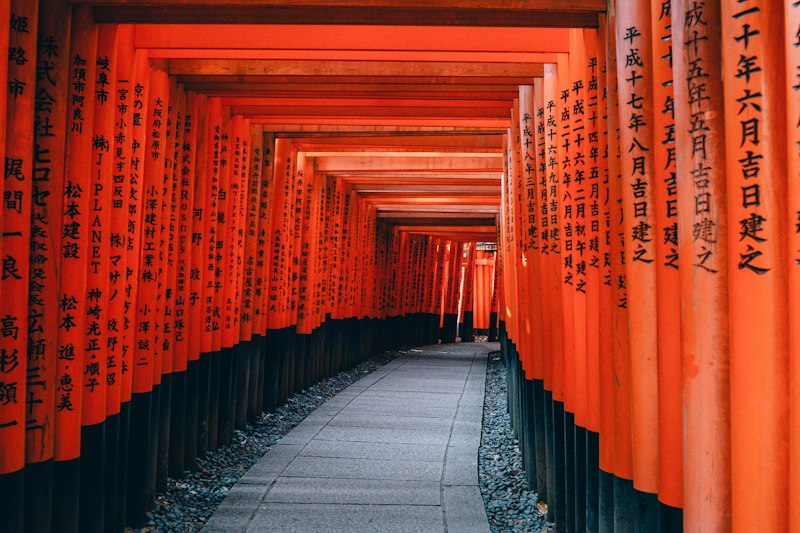
Perched 1,100 meters above sea level, Mitsumine Shrine is a realm of ethereal beauty. Unlike traditional shrines guarded by lions, Mitsumine is protected by stone wolves, messengers of the mountain gods. The air here is noticeably thinner and cooler, carrying the faint, sweet scent of thousand-year-old Japanese cypress. The architecture is a riot of color—intricate polychrome carvings of dragons and phoenixes that seem to pulse with life against the backdrop of swirling mountain mists. It is a place of profound spiritual gravity that demands silent reverence.
Chichibu Shrine
Located in the heart of the city, this shrine is a masterpiece of the Edo-period aesthetic. The main hall features the 'North Star Owl' and the 'Tsunonai-ryu' (Bound Dragon) carvings, attributed to the legendary Hidari Jingoro. Touching the weathered wood of the outer gates, one feels the weight of 2,000 years of history. During the Chichibu Yomatsuri, the atmosphere transforms into an electric celebration of light and sound, but on a quiet afternoon, the shrine offers a serene space to observe the delicate rituals of local worshippers.
Hitsujiyama Park (Shibazakura Hill)
In late spring, the earth here transforms into a living tapestry of pink, purple, and white. Over 400,000 moss phlox plants create a rolling sea of color that mirrors the undulating peaks of Mt. Buko in the distance. The scent is intoxicating—a light, honeyed floral fragrance that drifts on the breeze. Walking the winding paths feels like stepping into an Impressionist painting. The contrast between the soft, vibrant petals and the stoic, limestone-scarred face of the mountain creates a visual tension that is uniquely Chichibu.
Local Soul Food
Tastes you can't find anywhere else.
Waraji Katsudon
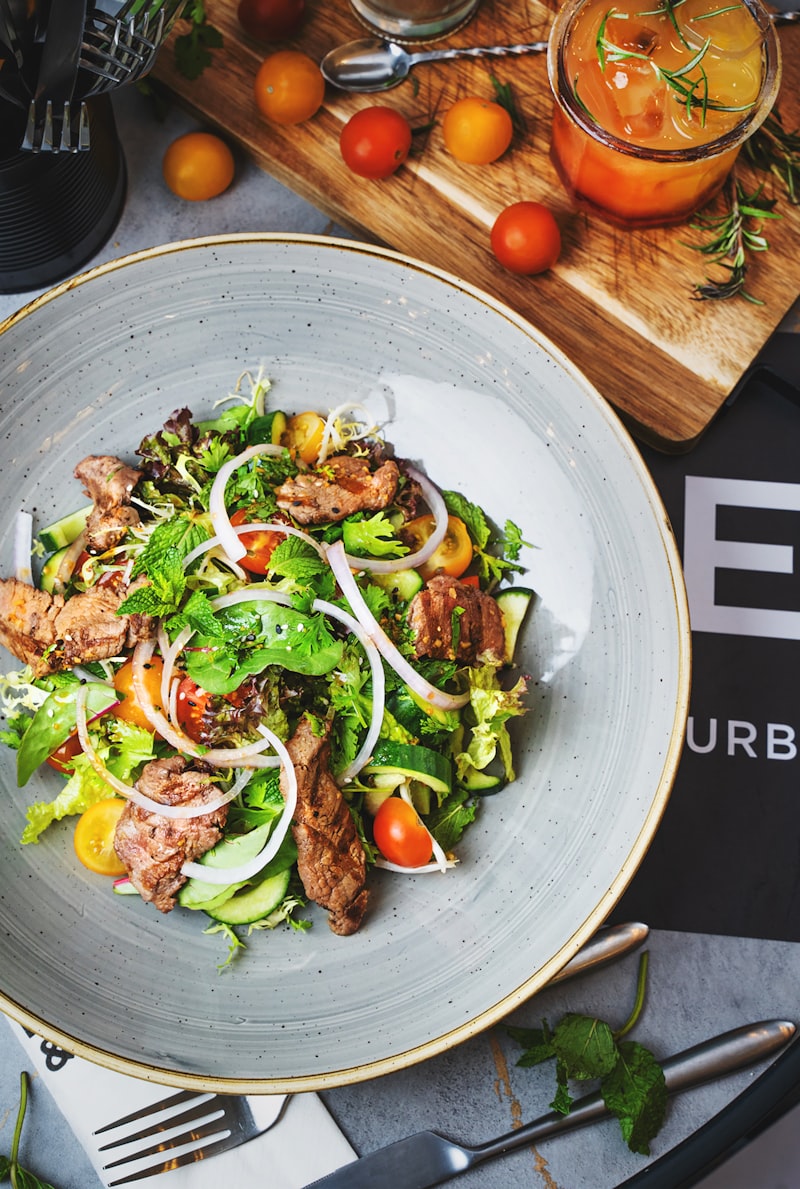
A culinary icon of the region, named after 'waraji' straw sandals due to its immense size. Two massive, tenderized pork cutlets are breaded in golden panko, deep-fried to a shatteringly crisp finish, and submerged in a secret sweet-savory soy glaze. The first bite offers a rhythmic crunch followed by the melt-in-your-mouth richness of premium Saitama pork, perfectly balanced by the steam-rising fluffiness of local white rice.
Chichibu Soba
Crafted using the region's exceptionally soft mountain spring water, these buckwheat noodles possess a distinctively firm, 'al dente' texture. The scent of toasted grain is prominent, heightened when dipped into a chilled tsuyu made from aged bonito. The experience is tactile and refreshing—the cool glide of the noodles and the sharp, clean finish of freshly grated wasabi provide a sophisticated palate cleanser after a day of mountain hiking.
Miso-potato
The ultimate Chichibu soul food. Local potatoes are steamed until they reach a buttery, cloud-like consistency, then coated in a light tempura batter and fried. The finishing touch is a generous drizzle of thick, caramelized sweet miso paste. The contrast between the salty-sweet glaze, the crispy exterior, and the hot, fluffy interior is a masterclass in textural harmony. It is a warm, comforting embrace in snack form.
Premium Stays
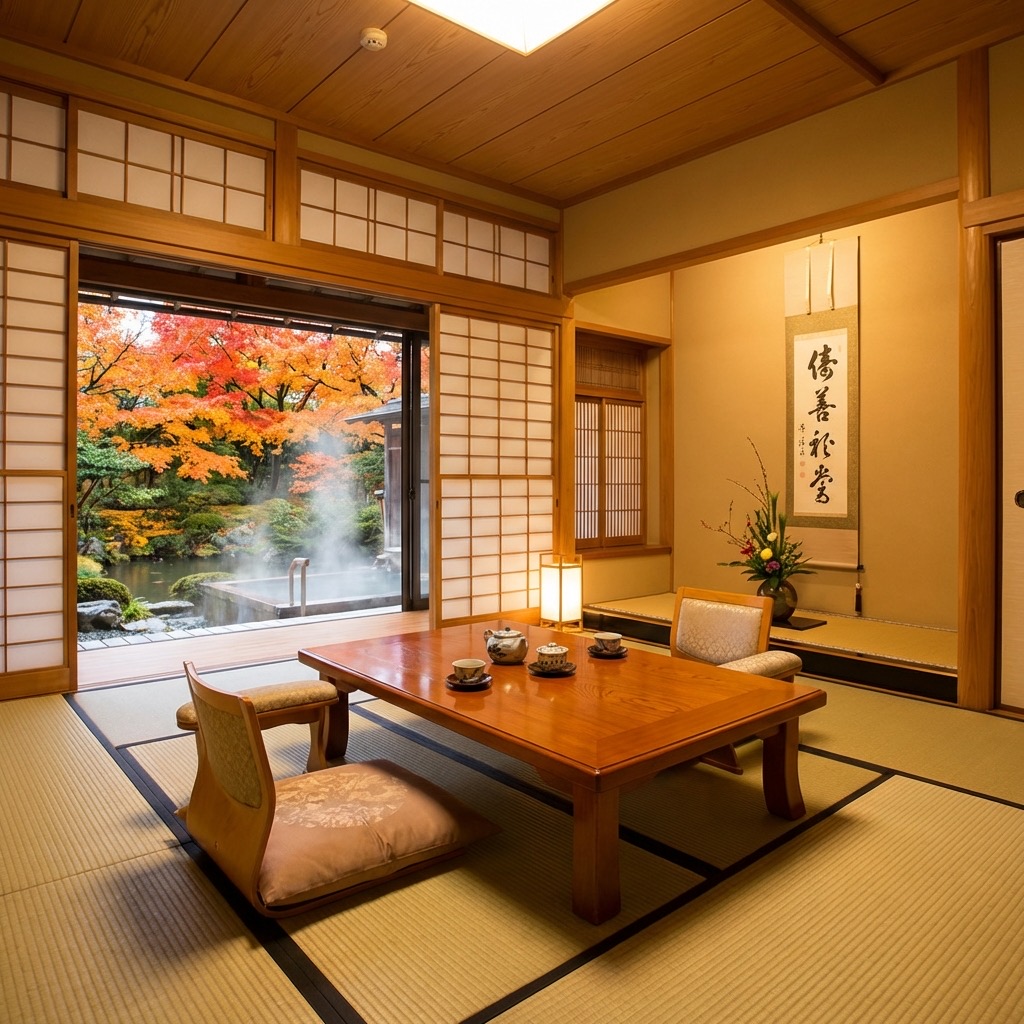
For the ultimate immersion, stay near the Seibu-Chichibu station for convenience, or retreat into the Ogano area for a secluded, traditional ryokan experience amidst the mountains.
Getting There
From Tokyo, take the Seibu Railway 'Laview' Limited Express from Ikebukuro Station. It is a futuristic, floor-to-ceiling window train that offers panoramic views. Once in Chichibu, local buses connect to Mitsumine, but they are infrequent—always photograph the timetable at the station.
FAQ
Inspired?
Share this destiny with someone special.