Okinawa
Welcome to Cape Maeda
Cape Maeda is more than a geographical landmark; it is a sensory awakening where the rugged limestone cliffs of Onna Village surrender to the crystalline embrace of the East China Sea. The air here is thick with the scent of salt spray and tropical hibiscus, while the horizon stretches into an infinite tapestry of cobalt and turquoise. As you stand atop the precipice, the rhythmic pulse of the tide against ancient coral rock serves as a primal soundtrack to your journey. This is the gateway to the legendary Blue Cave, a subterranean sanctuary where light and water perform a silent, ethereal dance. For the discerning traveler, Cape Maeda offers a rare convergence of adrenaline and absolute serenity, promising a profound connection to the untamed spirit of the Ryukyu Islands.
The Blue Cave (Ao no Dokutsu)
Beneath the rugged exterior of Cape Maeda lies a subterranean cathedral of light. As sunlight filters through the narrow entrance, it refracts against the white limestone floor, illuminating the cavern in a surreal, neon-blue glow. Swimming through this liquid sapphire is a transformative experience, where the silence of the deep is broken only by your own breath. Schools of rhythmic sweepers and neon damselfish dart through the shadows, creating a living mosaic of Okinawan marine life that feels like stepping into another dimension.
Zanpa Cape Lighthouse
Standing as a stark white sentinel against the crashing dark waves, the Zanpa Cape Lighthouse offers a dramatic contrast to the lush greenery of the mainland. The wind here is fierce and invigorating, carrying the saline mist of the Pacific. Walking the 2-kilometer cliffside trail reveals the raw, geological power of the island, with jagged rock formations that have withstood centuries of typhoons. It is a place of immense scale and solitude, perfect for reflecting on the vastness of the ocean while watching the sunset bleed into the sea.
Ryukyu Mura
A short journey from the coast transports you back to the era of the Ryukyu Kingdom. This living museum features authentic red-tiled residences relocated from across the archipelago. The air is filled with the earthy scent of woodsmoke and the rhythmic, percussive beat of Eisa drums. Artisans demonstrate the delicate art of Bingata dyeing and pottery, offering a tactile connection to Okinawa's resilient heritage. It is a soulful sanctuary where the slow pace of island life is preserved in every weathered timber and stone wall.
Local Soul Food
Tastes you can't find anywhere else.

Soki Soba
A bowl of pure comfort. These thick, chewy wheat noodles are submerged in a golden dashi broth infused with pork bone and bonito. The star is the 'Soki'—pork spare ribs braised until the cartilage turns to a buttery jelly. One bite releases a savory explosion of umami that lingers on the palate.
Umi Budo (Sea Grapes)
Known as 'green caviar,' these emerald algae strands offer a unique sensory thrill. Each tiny pearl pops against the tongue, releasing a refreshing burst of cool, saline brine. Served chilled with a side of citrusy ponzu, it is the ultimate refreshment after a morning in the sun.
Beni-imo Tart
The quintessential Okinawan sweet. A buttery, crumbly pastry shell cradles a rich, velvet-smooth swirl of purple sweet potato paste. The natural sweetness is subtle and earthy, perfectly capturing the volcanic terroir of the island in a vibrant, Instagram-ready violet hue.
Premium Stays
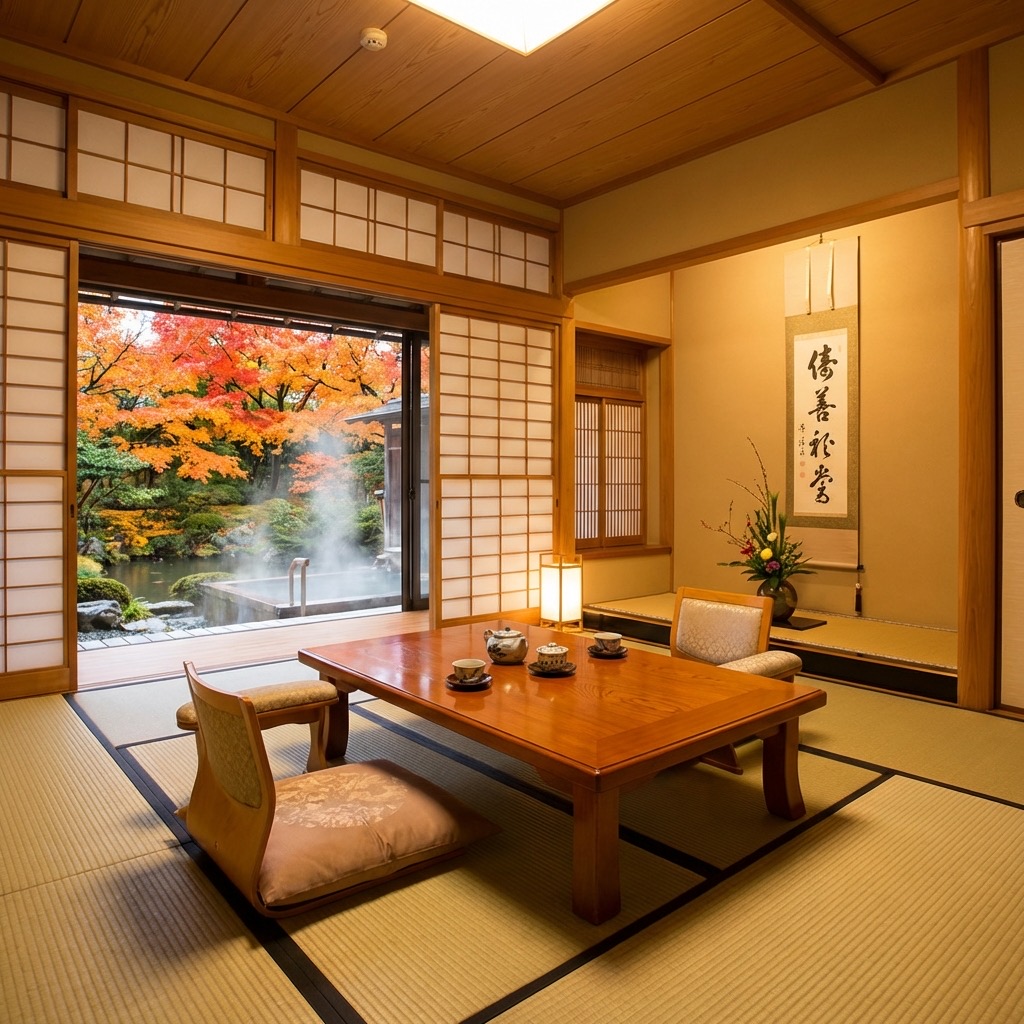
To truly experience Cape Maeda, stay in the Onna Village area. This 'Resort Row' offers unparalleled access to the best dive spots while keeping you nestled between the luxury of the coast and the charm of local villages.
Getting There
The most efficient way to reach Cape Maeda is by rental car via the Okinawa Expressway (Exit 6 - Ishikawa). Public buses (Route 20 or 120) stop at 'Kuraha,' followed by a 15-minute walk, but frequencies are low—check schedules meticulously.
FAQ
Inspired?
Share this destiny with someone special.