Welcome to Beppu Onsen Hells
Step into a realm where the terrestrial and the celestial collide. Beppu’s 'Hells' (Jigoku) are not merely geological curiosities; they are ancient spectacles of raw, primordial power. As you wander through the rising plumes of sulfurous steam, you feel the rhythmic pulse of the planet beneath your feet. From the cobalt depths of Umi Jigoku to the blood-red waters of Chinoike Jigoku, the sensory experience is overwhelming—the sharp tang of minerals in the air, the warmth of the subterranean breath on your skin, and the mesmerizing dance of boiling mud. This is a pilgrimage for those who seek to witness the earth’s most dramatic transformations in a setting of refined Japanese hospitality.
Umi Jigoku (Sea Hell)
Beneath a veil of ethereal white steam lies a pool of water so vividly turquoise it mirrors the tropical sea. Formed 1,200 years ago after a volcanic eruption, this 'Sea Hell' is a masterpiece of natural chemistry. Despite its serene appearance, the water boils at a lethal 98 degrees Celsius. Surrounding the cobalt expanse are lush, manicured gardens and a spacious conservatory where giant tropical water lilies thrive in the geothermal heat. It is a striking juxtaposition of violent energy and delicate botanical beauty that demands silent contemplation.
Chinoike Jigoku (Blood Pond Hell)
Evoking the imagery of ancient Buddhist scrolls, the Blood Pond Hell is Japan’s oldest natural 'hell.' The water is a startling, deep vermilion, colored by iron-rich chemically reactive mud at the basin’s floor. The atmosphere here is heavy with history and mystery; for centuries, the red clay was used to treat skin ailments and even dye fabrics. Standing at the edge, watching the steam rise against the backdrop of dark green foliage, one feels transported to a mythological underworld that is both terrifying and undeniably beautiful.
Tatsumaki Jigoku (Spout Hell)
Witness the raw punctuality of nature at this spectacular geyser, designated as a National Scenic Beauty. Every 30 to 40 minutes, the earth releases its pressure in a powerful vertical jet of boiling water and steam that reaches heights of 20 meters. Encased in a stone grotto to protect visitors, the sheer force of the eruption is audible—a guttural roar from the deep. It serves as a visceral reminder of the restless energy surging just beneath the surface of Beppu, completing your journey through the elements.
Local Soul Food
Tastes you can't find anywhere else.

Jigoku Mushi (Hell-Steamed Cuisine)
Experience the pure, unadulterated flavor of Oita’s bounty, cooked entirely by the earth’s own breath. Seasonal vegetables, succulent pork, and fresh seafood are placed in bamboo baskets over high-pressure geothermal steam vents. The process locks in nutrients while imparting a subtle, earthy mineral complexity. Each bite of the tender pumpkin or the snap of a steamed prawn is a testament to the harmony between the volcanic landscape and the local culinary craft.
Beppu Reimen (Chilled Noodles)
A refreshing departure from the heat, these noodles offer a sophisticated chewy texture born from a blend of buckwheat and wheat flour. Served in a chilled, umami-rich broth made from beef and seafood stock, the dish is topped with spicy kimchi, succulent beef slices, and a boiled egg. The cold temperature provides a sharp, invigorating contrast to the steamy atmosphere of the Hells, cleansing the palate with every silky strand.
Jigoku Purin (Hell Pudding)
This iconic dessert is a masterpiece of texture. Custard is slowly steamed over the hot springs, resulting in a dense, velvety consistency that melts on the tongue. The bitterness of the dark, burnt caramel sauce at the bottom perfectly offsets the rich sweetness of the cream. It is a smoky, indulgent treat that has become a symbol of Beppu’s geothermal ingenuity, often enjoyed while overlooking the rising steam of the Kannawa district.
Premium Stays
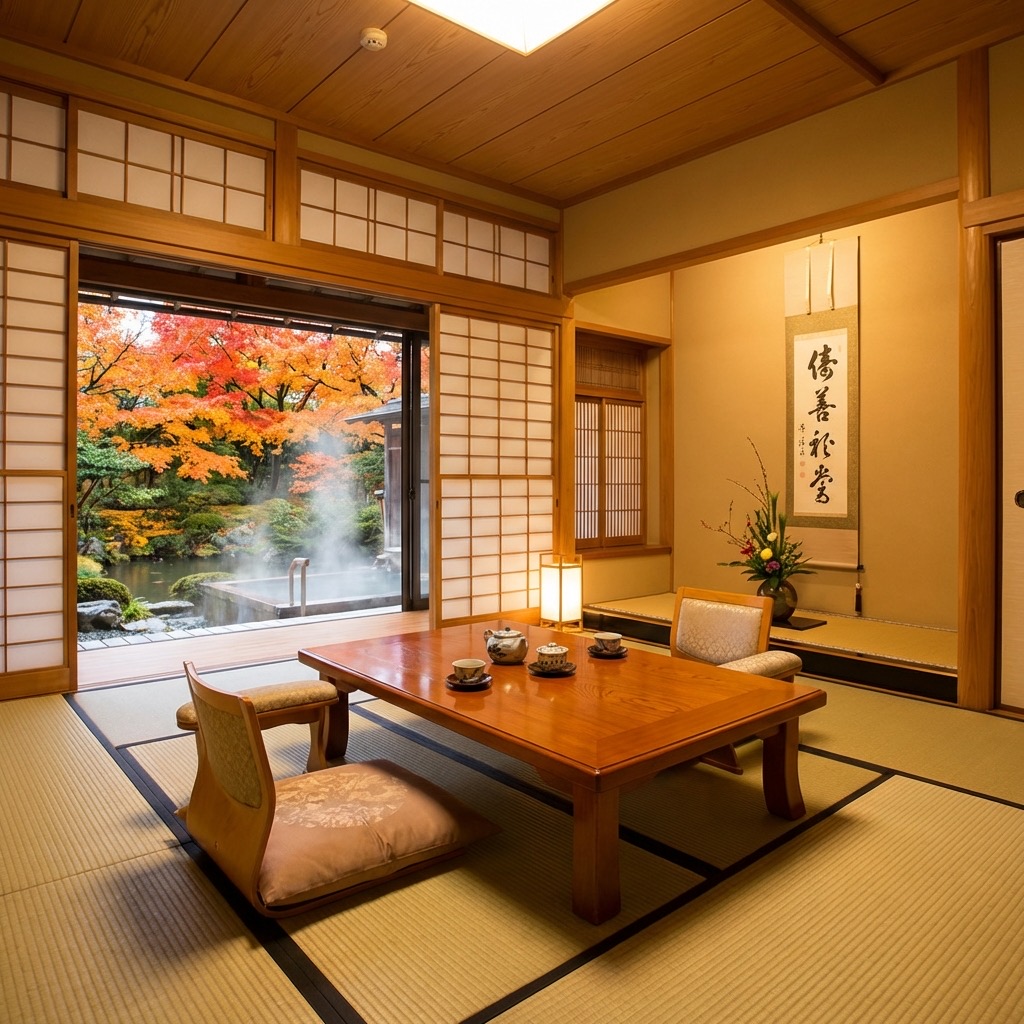
For the ultimate immersion, stay in the Kannawa district. This is the heart of the geothermal activity where steam rises from every street corner, offering a mystical atmosphere and immediate access to the most iconic Hells and traditional steam baths.
Getting There
From JR Beppu Station, take the Kamoi Bus (No. 5, 7, or 9) to the 'Umi-Jigoku-mae' stop. Buses run approximately every 15-20 minutes, but schedules can vary on weekends.
FAQ
Inspired?
Share this destiny with someone special.