Welcome to Beppu Jigoku
Step into a realm where the boundary between the terrestrial and the divine blurs amidst rising plumes of volcanic steam. Beppu Jigoku, or the 'Hells of Beppu,' is not merely a geological curiosity; it is a sensory odyssey that has captivated travelers for over a millennium. As you wander through the Kannawa district, the air carries the faint, nostalgic scent of sulfur and the rhythmic hiss of subterranean pressure. Here, the earth’s raw vitality manifests in surreal palettes—from the haunting cobalt of Umi Jigoku to the primal, blood-red depths of Chinoike Jigoku. This is a destination for the discerning traveler who seeks to witness the planet's pulse while indulging in the refined hospitality of Oita’s legendary hot spring culture. Allow the saline mist to settle on your skin as you uncover the profound spiritual energy of these ancient thermal wonders.
Umi Jigoku (Sea Hell)
The crown jewel of the circuit, Umi Jigoku greets visitors with a breathtaking expanse of cobalt blue water so vivid it defies belief. Created 1,200 years ago after a volcanic eruption, the pond simmers at a terrifying 98 degrees Celsius. Watch as the thick, white steam dances across the turquoise surface, framed by lush tropical gardens that thrive in the localized microclimate. The juxtaposition of the cool-toned water and the intense heat creates a mesmerizing cognitive dissonance that is both humbling and spiritually invigorating.
Chinoike Jigoku (Blood Pond Hell)
Deeply evocative and ancient, Chinoike Jigoku is Japan’s oldest natural 'hell.' The pond is a striking shade of vermillion, caused by the iron-rich chemically active minerals at its base. There is a primal, visceral energy here; the sight of the red water steaming against the dark green foliage of the surrounding hills feels like a scene from an ancient scroll. Historically, the red clay from this pond was used for skin treatments and dyeing fabrics, a tradition that continues today through specialized local ointments.
Tatsumaki Jigoku (Tornado Hell)
Witness the raw, rhythmic power of the earth at Tatsumaki Jigoku, a rare pressurized geyser. Every 30 to 40 minutes, the ground rumbles and a violent column of boiling water erupts from the earth, reaching heights of 20 meters. The sheer force is a reminder of the subterranean furnace fueling the entire Beppu region. Watching the eruption from the stone amphitheater is a communal experience of awe, as the spray catches the light and the roar of the water drowns out the modern world.
Local Soul Food
Tastes you can't find anywhere else.

Jigoku Mushi (Hell-Steamed Cuisine)
Experience the ultimate purity of flavor with ingredients cooked entirely by volcanic steam. The high-pressure vapors lock in the natural sweetness of local seasonal vegetables, plump prawns, and succulent pork. Each bite carries a subtle mineral complexity and a silky texture that no conventional oven can replicate. It is the taste of the earth itself—clean, hot, and profoundly nourishing.
Beppu Reimen (Chilled Noodles)
A sophisticated evolution of the traditional cold noodle, Beppu Reimen features a firm, chewy texture made from buckwheat and wheat flour. Served in a chilled, umami-rich broth made from beef bones and seafood, it is topped with spicy kimchi and a slice of tender beef. The contrast between the icy broth and the lingering heat of the kimchi provides a refreshing palate cleanser after a day in the steam.
Jigoku Purin (Hell-Steamed Pudding)
This is no ordinary custard. Steamed slowly in the natural heat of the hot springs, this pudding achieves a dense, velvety consistency that melts on the tongue. The rich, creamy egg base is perfectly balanced by a deep, slightly bitter caramel sauce that has been scorched by the volcanic intensity. It is a decadent, smoky sweet that has become an iconic symbol of Beppu’s culinary ingenuity.
Premium Stays
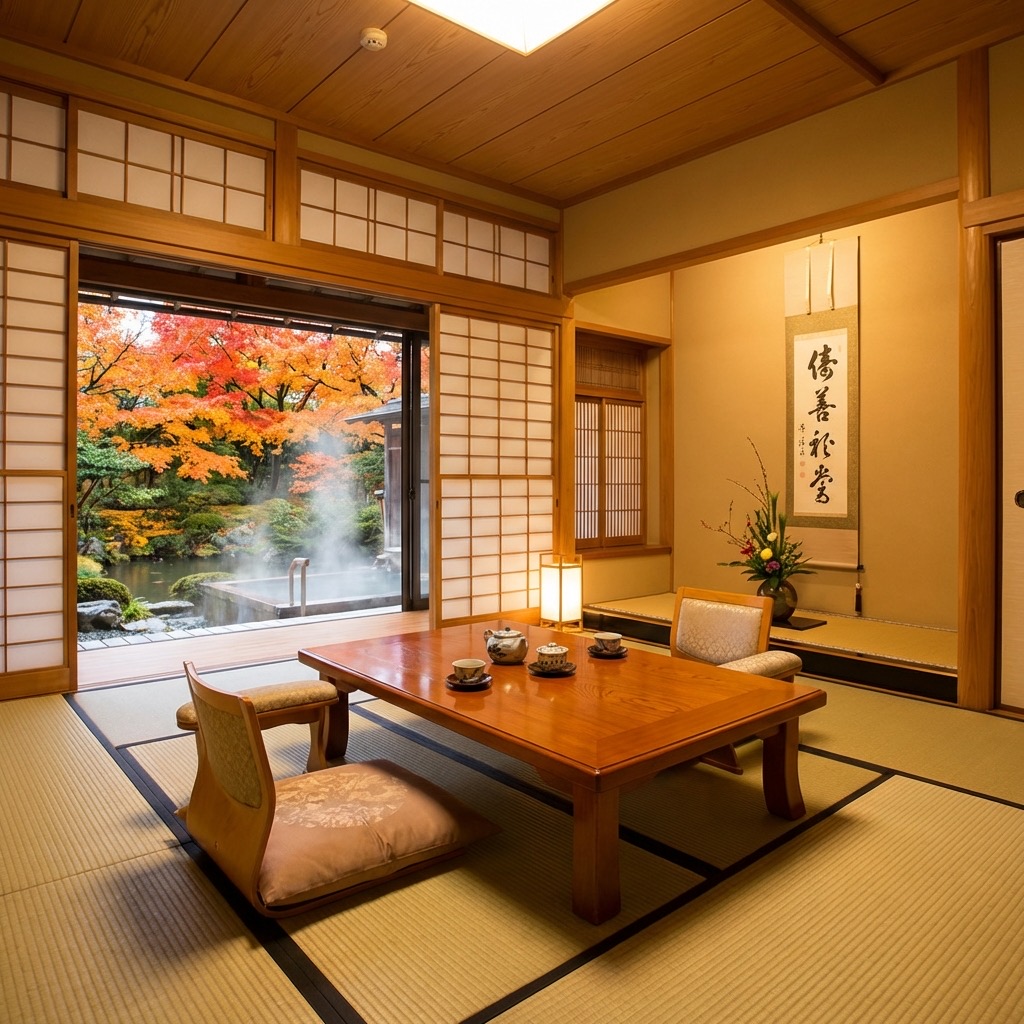
For the ultimate immersion, stay in the Kannawa area to be surrounded by the historic steam vents, or choose the Kankaiji area for elevated luxury views over the bay.
Getting There
From Beppu Station, take the Kamoi Bus (No. 5, 7, or 9) to the 'Umi-Jigoku-mae' stop. Buses run approximately every 15-20 minutes. For Chinoike and Tatsumaki, a short 5-minute taxi or bus ride from the main cluster is required.
FAQ
Inspired?
Share this destiny with someone special.