Welcome to Arashiyama
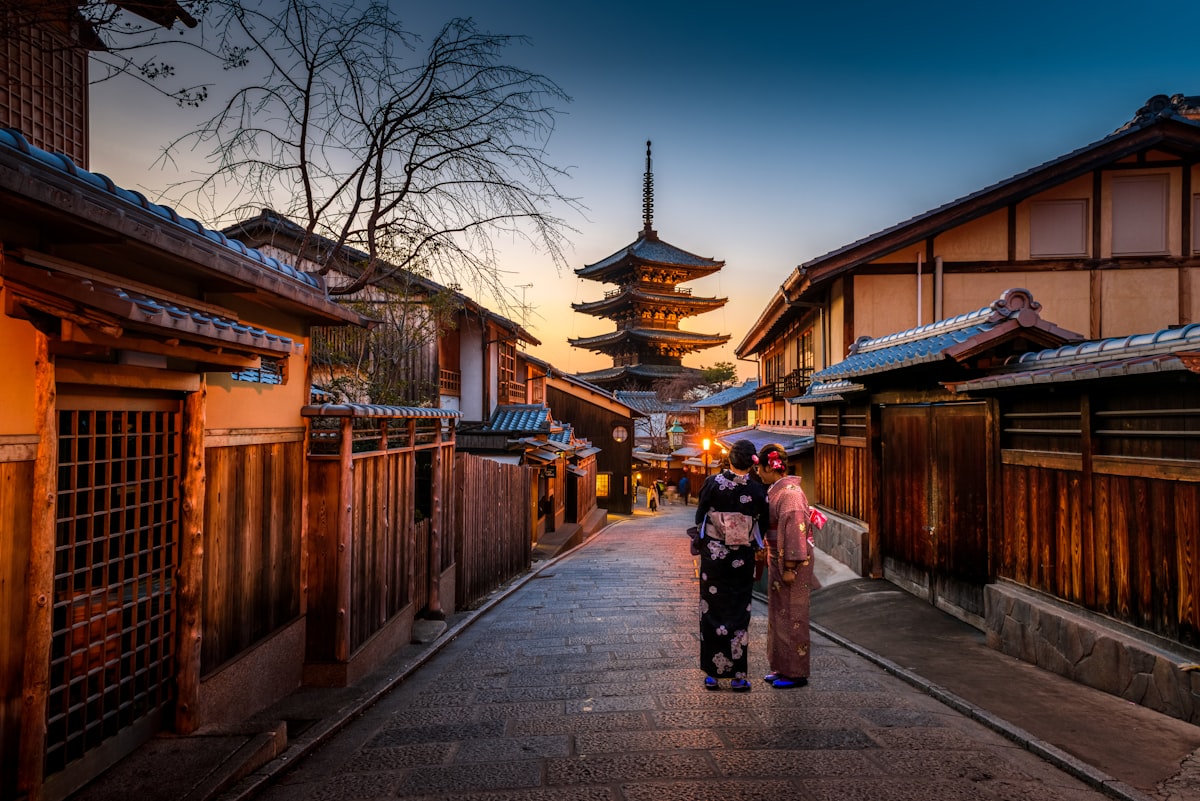
To step into Arashiyama is to enter a living ukiyo-e woodblock print. This western district of Kyoto, once the playground of Heian-period nobles, remains an ethereal sanctuary where the Katsura River carves a path through mist-shrouded peaks. Here, the air is thick with the scent of pine and the distant chime of temple bells. It is a place of profound spiritual resonance, where the rhythmic swaying of emerald bamboo groves provides a soundtrack to your inner reflection. Whether you are crossing the iconic Togetsukyo Bridge as the morning sun ignites the maples or savoring the delicate silkiness of local tofu, Arashiyama demands a slower pace. It is more than a destination; it is a sensory immersion into the very heart of Japanese aestheticism and serenity.
Sagano Bamboo Grove
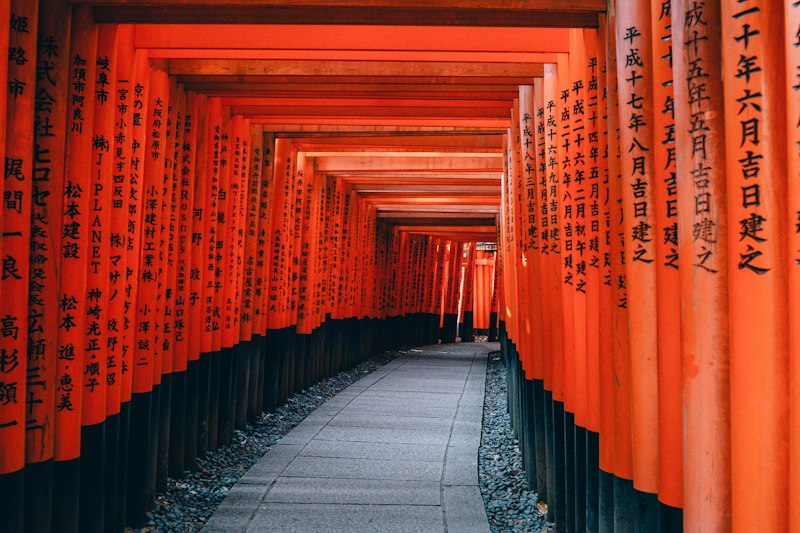
Walking through the Sagano Bamboo Grove is a transcendental experience that defies simple photography. As you wander the winding path, the towering stalks of green timber reach toward the heavens, filtering the sunlight into a soft, celestial glow. The true magic lies in the sound—the dry, rhythmic 'clack' of the stalks swaying in the wind, a soundscape officially recognized by the Japanese Ministry of Environment. It is a corridor of emerald light that feels like a gateway between the physical and spiritual worlds, offering a cool, earthen respite from the bustling city outside.
Tenryu-ji Temple
As the head temple of the Tenryu sect of Rinzai Zen Buddhism, this site is a masterpiece of landscape design. The Sogenchi Garden remains in its original form from the 14th century, featuring a stunning pond that reflects the surrounding mountains like a natural mirror. The 'Cloud Dragon' painting on the ceiling of the Hatto hall is a masterpiece of ink and shadow, its eyes seemingly following you from every corner of the room. The architecture seamlessly blends with the topography, creating a sense of infinite space that calms the mind and invites deep meditation.
Otagi Nenbutsu-ji
Nestled further up the hills, away from the main tourist drag, lies Otagi Nenbutsu-ji, home to 1,200 unique stone Rakan statues. Each figure represents a disciple of Buddha, but with a whimsical twist—some hold tennis rackets, others share a cup of sake, and many wear expressions of pure, unadulterated joy. The moss-covered stone and the playful spirit of the carvings create an atmosphere that is both sacred and profoundly human. It is the ultimate hidden gem for those seeking a personal connection with Kyoto’s spiritual history without the pressure of the crowds.
Local Soul Food
Tastes you can't find anywhere else.

Yudofu (Simmered Tofu)
Experience the pinnacle of Buddhist vegetarian cuisine. The tofu is incredibly silky, simmered in a clear kombu dashi that highlights the purity of Arashiyama's spring water. Each bite melts on the tongue, seasoned only with a splash of soy and a pinch of ginger.
Tai-chazuke (Sea Bream with Rice)
Fresh, translucent slices of sea bream are coated in a rich, nutty sesame sauce. Halfway through the meal, pour hot, aromatic green tea over the remaining fish and rice to create a comforting, savory broth that warms the soul.
Matcha Warabi Mochi
A delicate, jelly-like confection made from bracken starch, dusted heavily with premium Uji matcha powder. It possesses a unique, cooling texture that dissolves instantly, leaving behind a bittersweet tea fragrance and a subtle sweetness.
Premium Stays
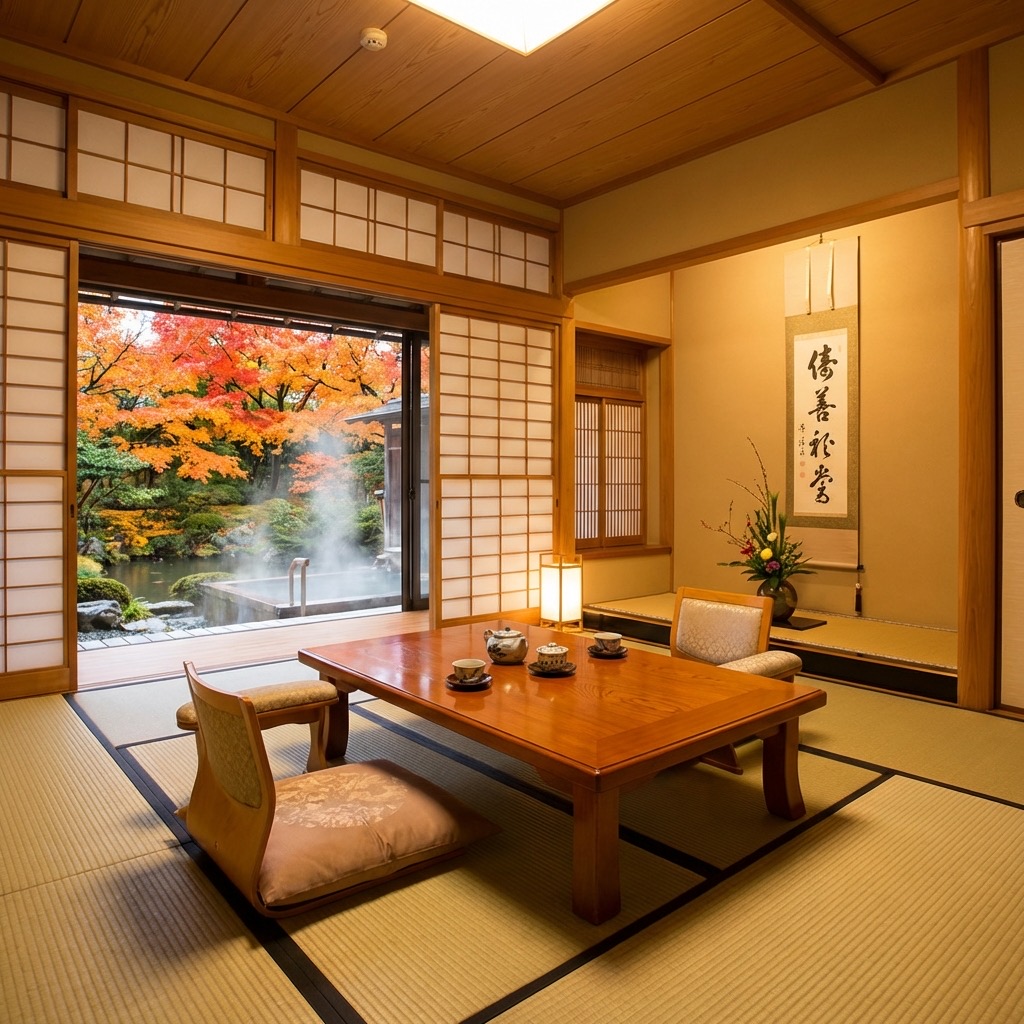
To truly capture the essence of Arashiyama, stay along the Katsura River. The morning mist over the water and the quiet evening streets offer a level of exclusivity and peace that the city center cannot provide.
Getting There
From Kyoto Station, take the JR Sagano Line to Saga-Arashiyama Station. Trains depart every 15-20 minutes. Avoid buses during peak season as traffic on the narrow roads can cause significant delays.
FAQ
Inspired?
Share this destiny with someone special.