Welcome to Arashiyama
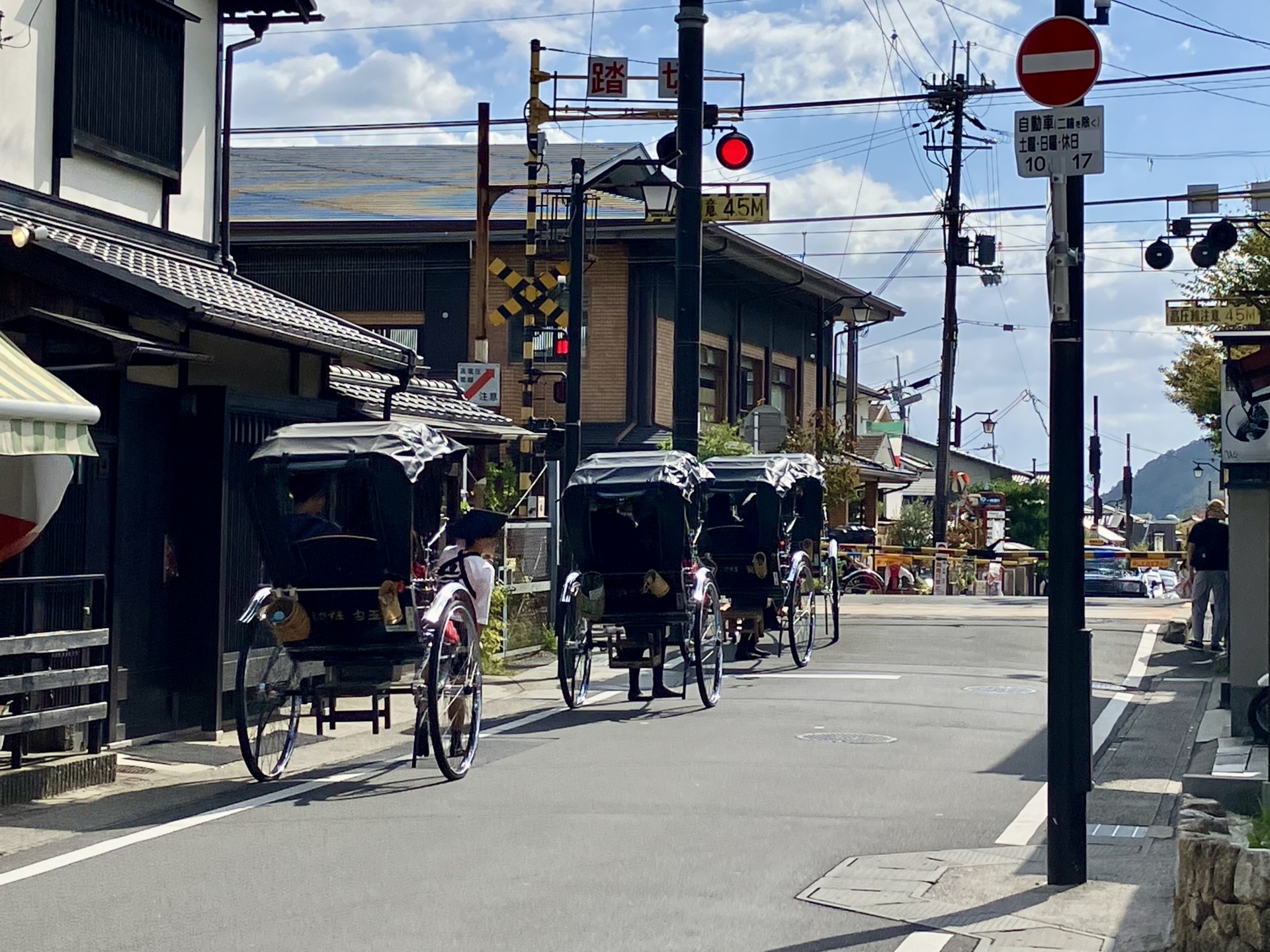
Arashiyama is not merely a destination; it is a sensory tapestry woven from the emerald threads of the Sagano bamboo stalks and the rhythmic chanting of ancient sutras. As the morning mist clings to the surface of the Hozugawa River, one feels a profound shift in energy—a transition from the modern world into a realm where time flows as slowly as the silken tofu served in its hidden gardens. Here, the air carries the scent of damp moss and charred cedar, inviting the discerning traveler to lose themselves in a landscape that has inspired poets and emperors for over a millennium. Whether you are seeking the spiritual resonance of a Zen garden or the buttery melt of seasonal wagashi, Arashiyama offers a sanctuary for the soul.
Sagano Bamboo Forest
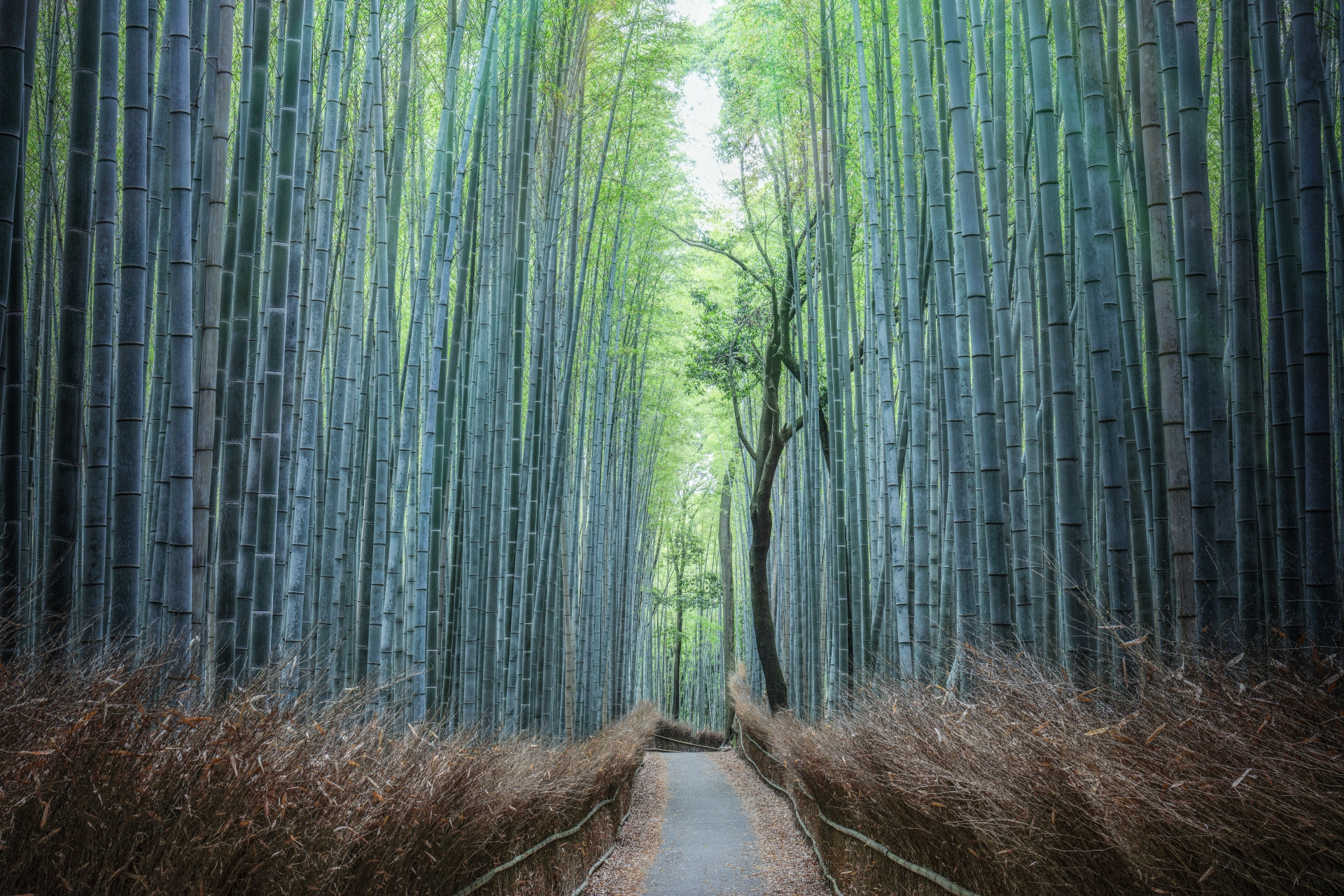
Step into a living cathedral where towering stalks of green bamboo reach toward the heavens, filtering the sunlight into a kaleidoscopic dance of shadows. The true magic lies in the sound—the 'o-to'—a hauntingly beautiful creaking and rustling that the Japanese Ministry of Environment has designated as one of the '100 Soundscapes of Japan.' Walking through this verdant corridor at dawn provides a meditative silence that is increasingly rare in our frantic world, offering a moment of pure, unadulterated connection with the natural spirit of Kyoto.
Tenryu-ji Temple
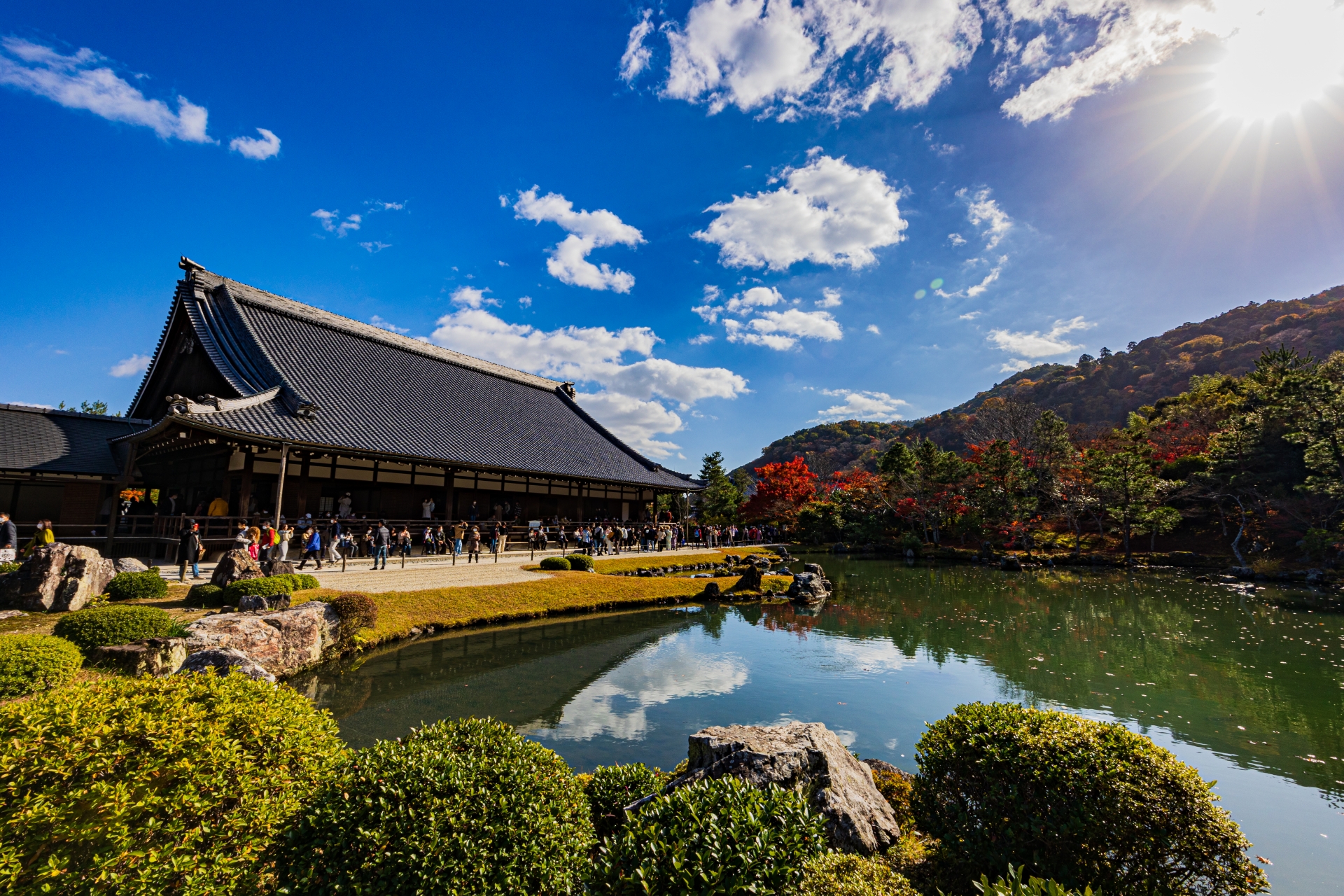
As the head temple of the Tenryu branch of Rinzai Zen Buddhism, this UNESCO World Heritage site is a masterpiece of landscape design. The Sogenchi Pond Garden, which remains in its original form from the 14th century, utilizes 'borrowed scenery' from the surrounding Arashiyama mountains. The sight of the jagged peaks reflected in the still, dark waters creates an illusion of infinite depth. Inside, the 'Cloud-Dragon' painting on the ceiling of the Hatto hall gazes down with fierce wisdom, its eyes appearing to follow you from every corner of the room.
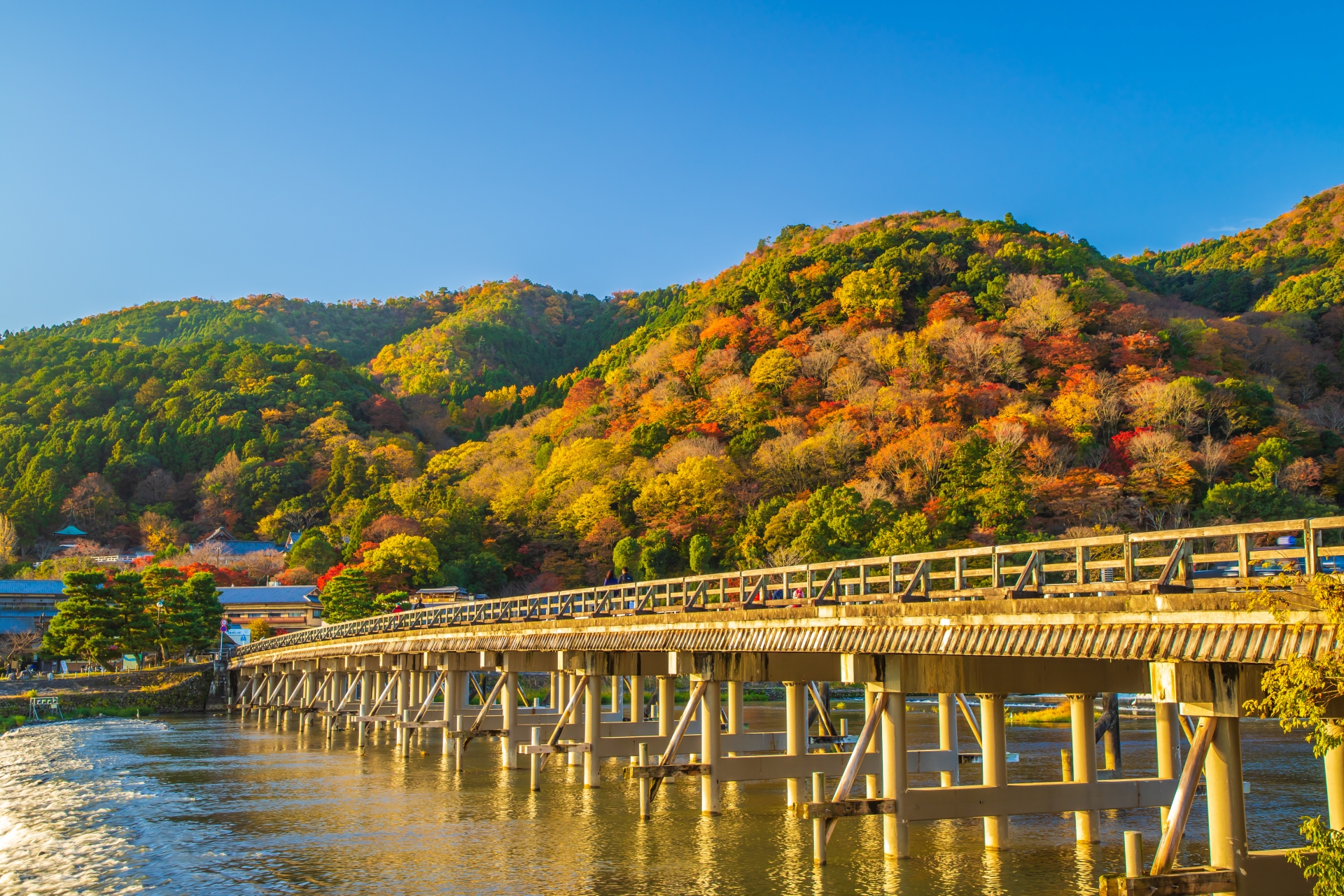
Togetsukyo Bridge
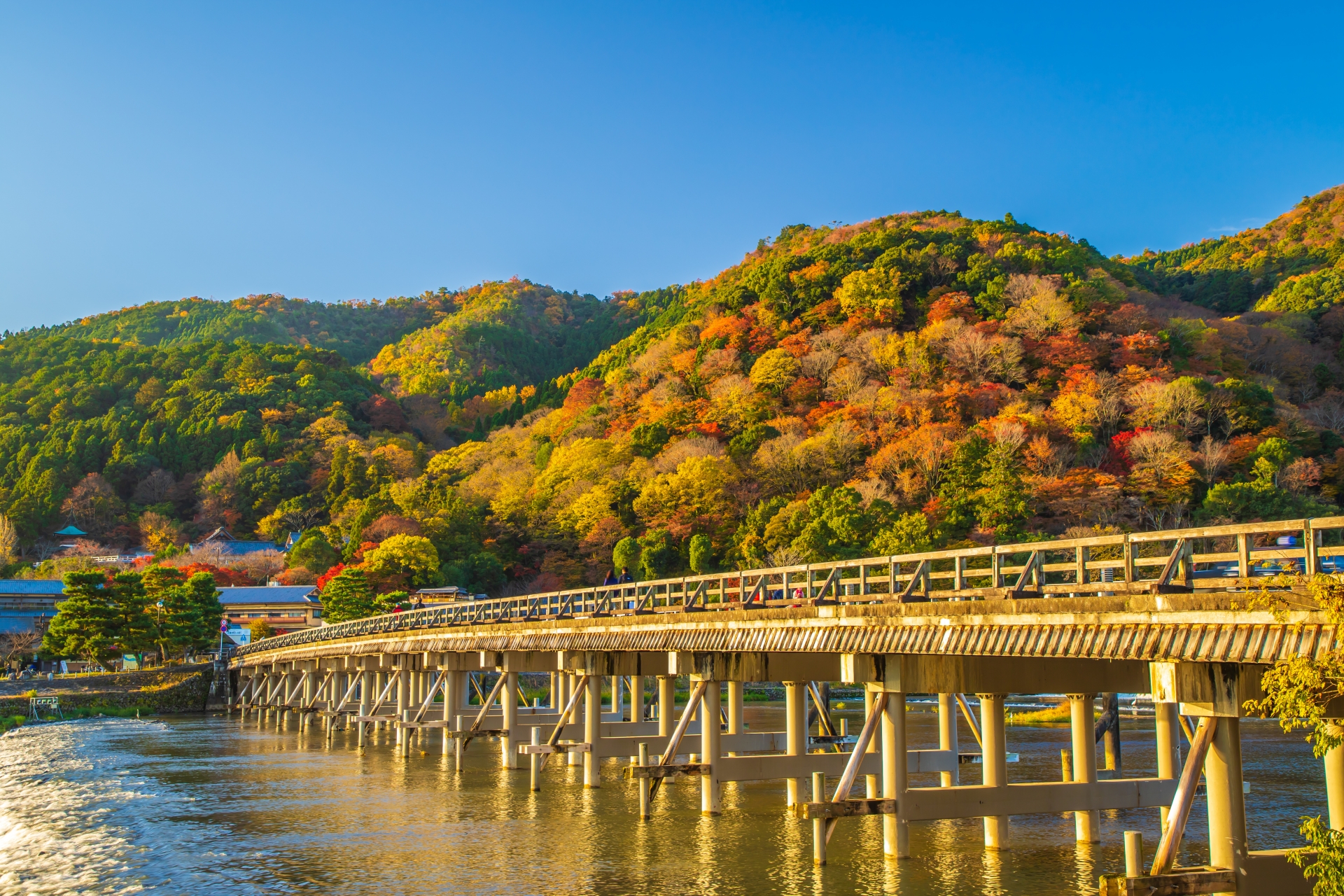
Spanning the Hozugawa River with an understated elegance, the 'Moon Crossing Bridge' is the iconic silhouette of Arashiyama. Originally built during the Heian Period, its wooden aesthetic masks a sturdy modern structure, blending history with functionality. Standing at the center of the bridge, one can feel the saline mist of the rushing water and witness the seasonal transformation of the mountainside—from the pale pink froth of cherry blossoms in spring to the fiery crimson of maple leaves in autumn. It is the ultimate vantage point for observing the traditional cormorant fishing at night.
Local Soul Food
Tastes you can't find anywhere else.
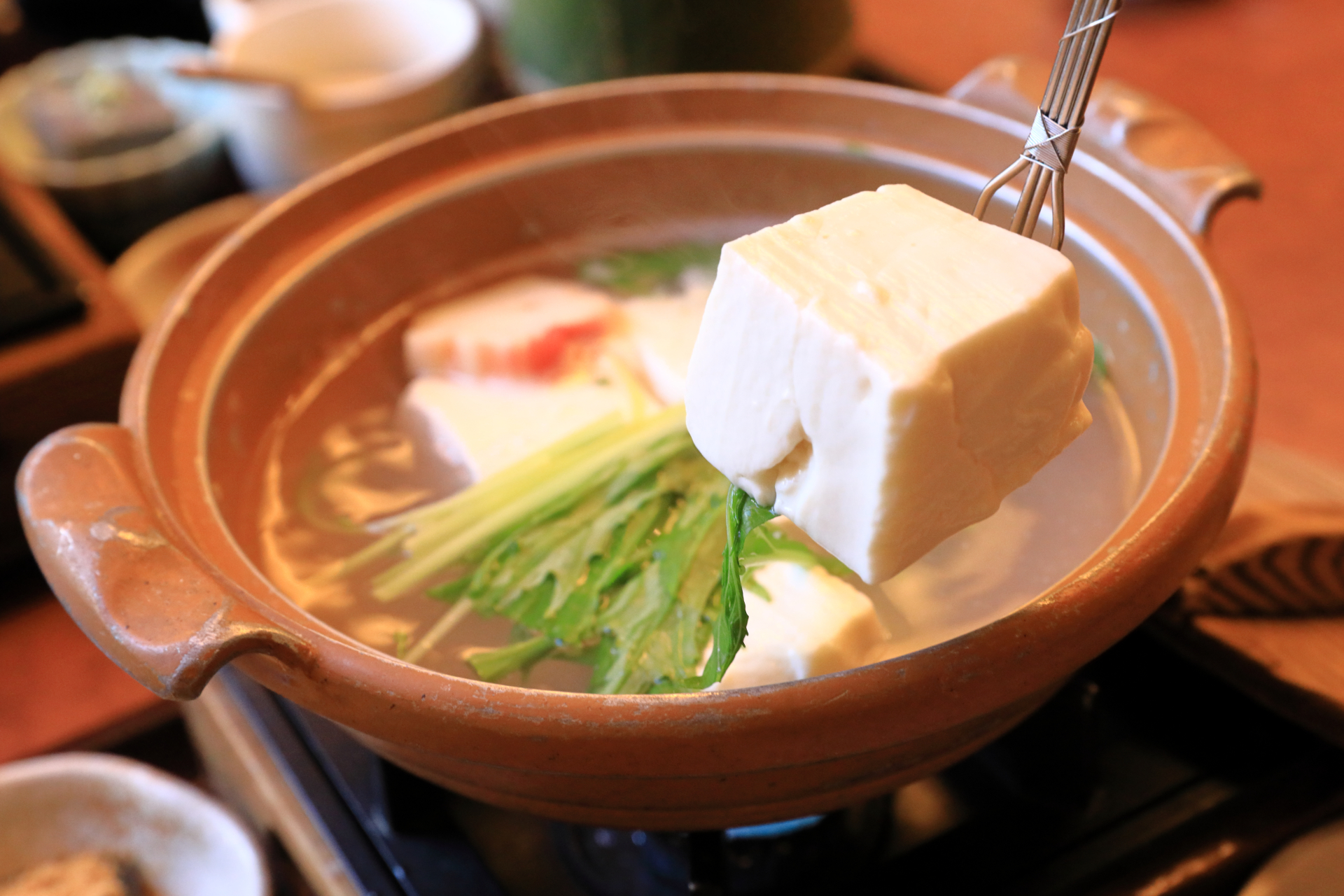
Yudofu (Simmered Tofu)
Experience the pinnacle of Shojin Ryori (Buddhist cuisine). The tofu is crafted with Arashiyama’s pristine spring water, resulting in a texture so silken it dissolves upon contact with the palate. Simmered in a clear kombu dashi, it is served with a delicate soy dipping sauce, freshly grated ginger, and bright scallions. The warmth of the broth and the clean, nutty flavor of the soy beans provide a comforting, grounding culinary experience.
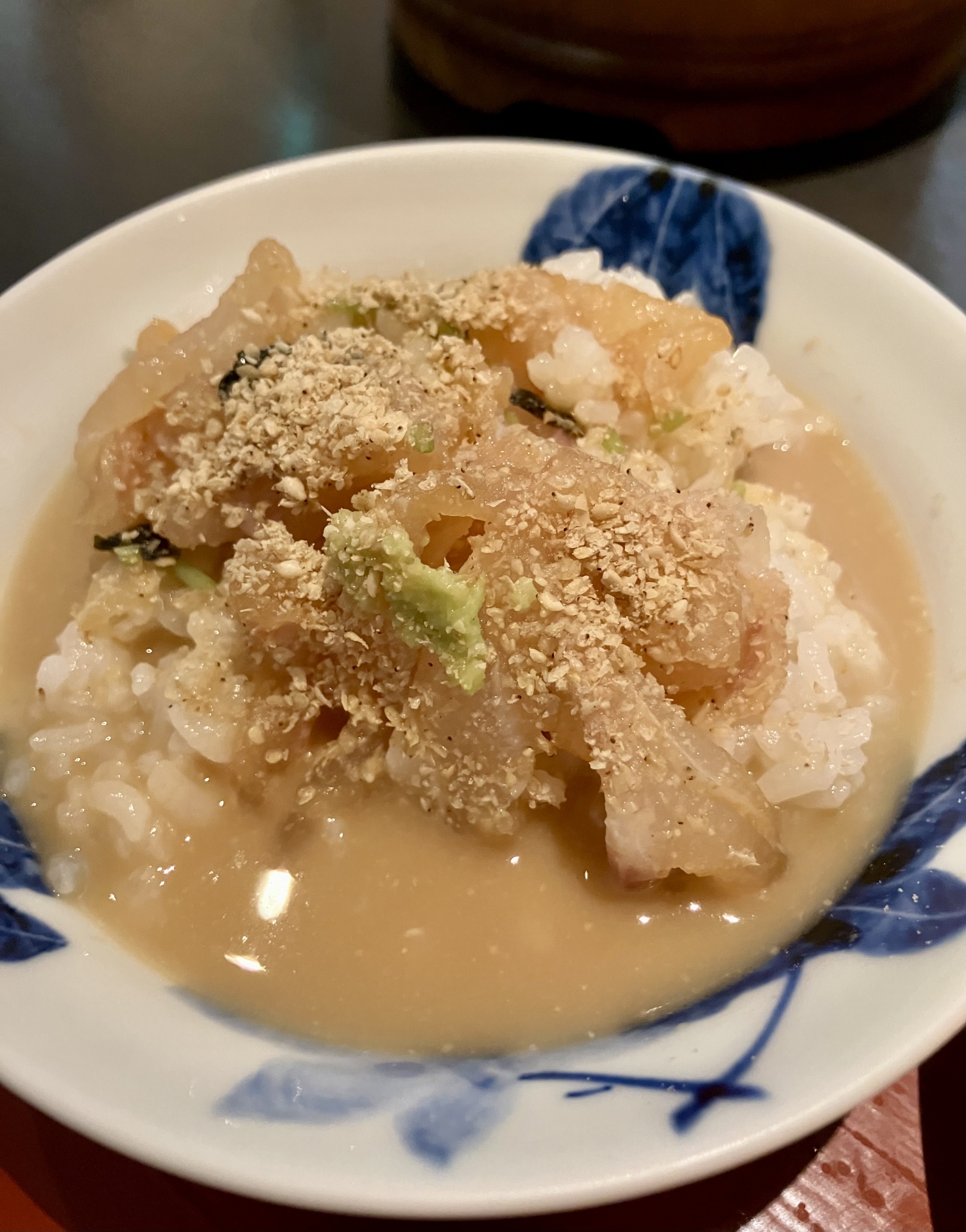
Tai-chazuke (Sea Bream with Rice)
A sophisticated play on textures and temperatures. Thinly sliced, succulent sea bream is marinated in a rich, creamy sesame sauce and served over steaming rice. Halfway through the meal, a fragrant, hot green tea or dashi is poured over the fish, lightly blanching the edges and creating a savory, comforting soup. The contrast between the firm fish and the delicate rice is a masterclass in Japanese balance.
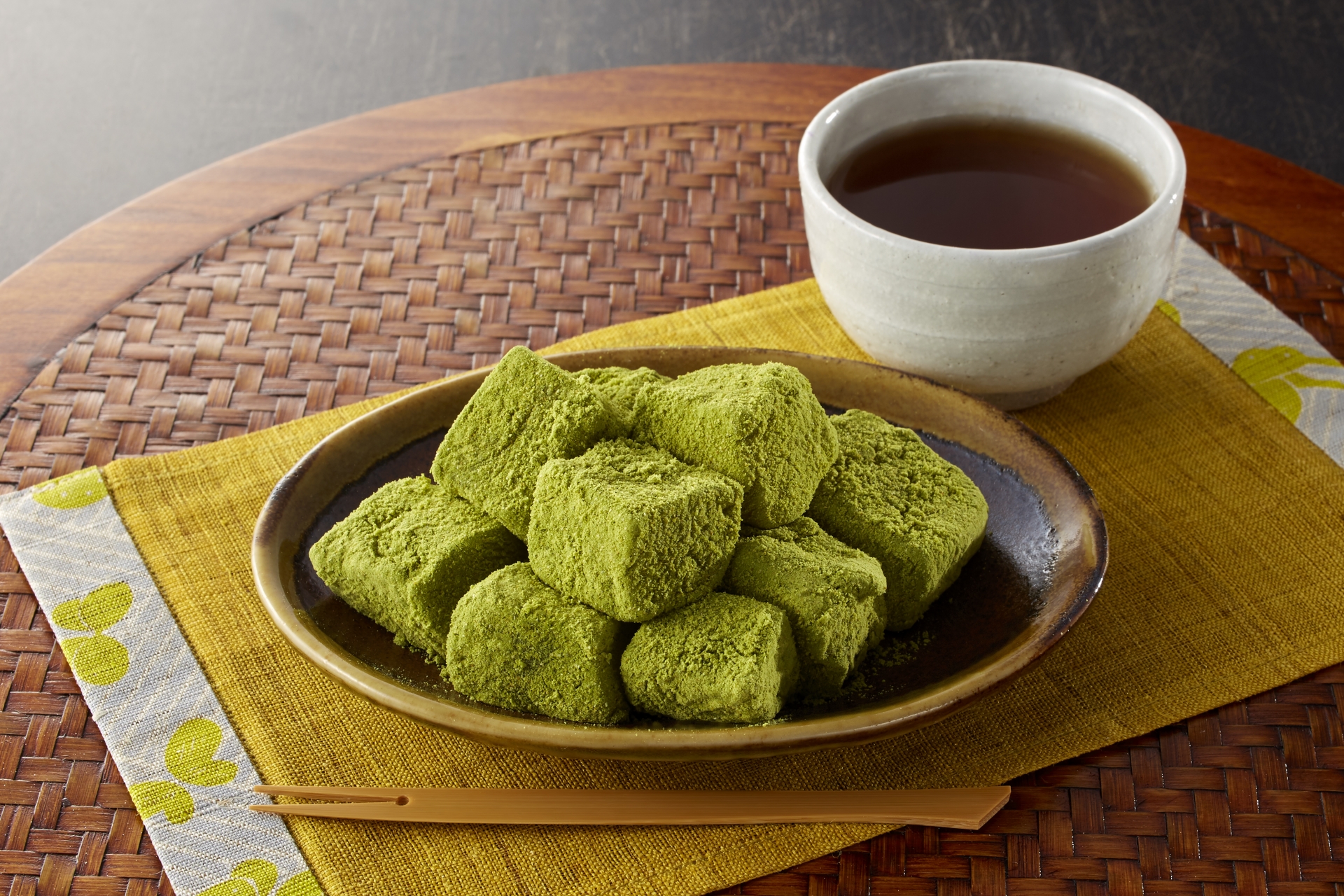
Matcha Warabi Mochi
This is not your average sweet. These jelly-like dumplings are made from bracken starch, giving them a cool, slippery, and incredibly soft texture. Dusted heavily with premium, bitter Uji matcha powder and drizzled with dark, smoky kuromitsu (black honey), they offer a sophisticated balance of sweet and earthy notes. It is the perfect refreshing treat after a long walk through the temple grounds.
Premium Stays
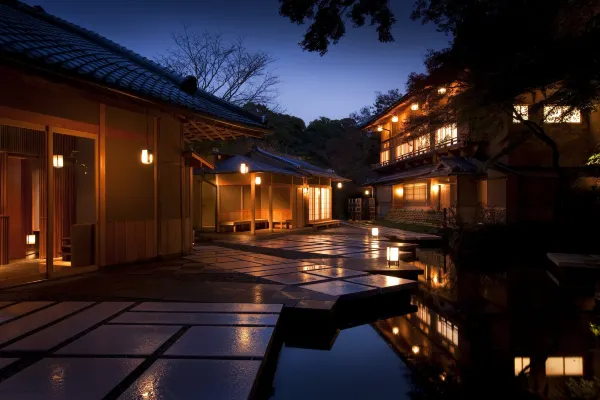
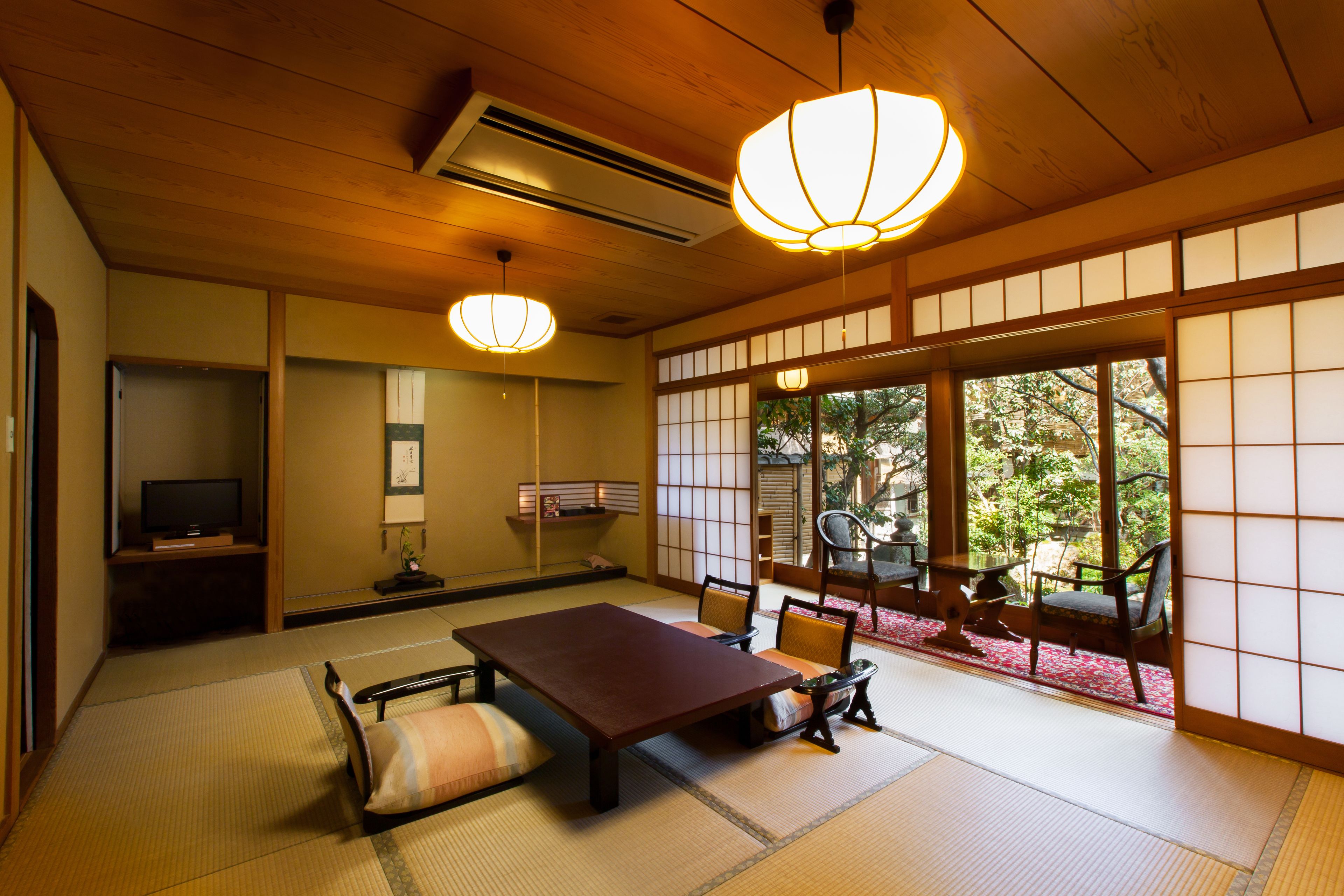
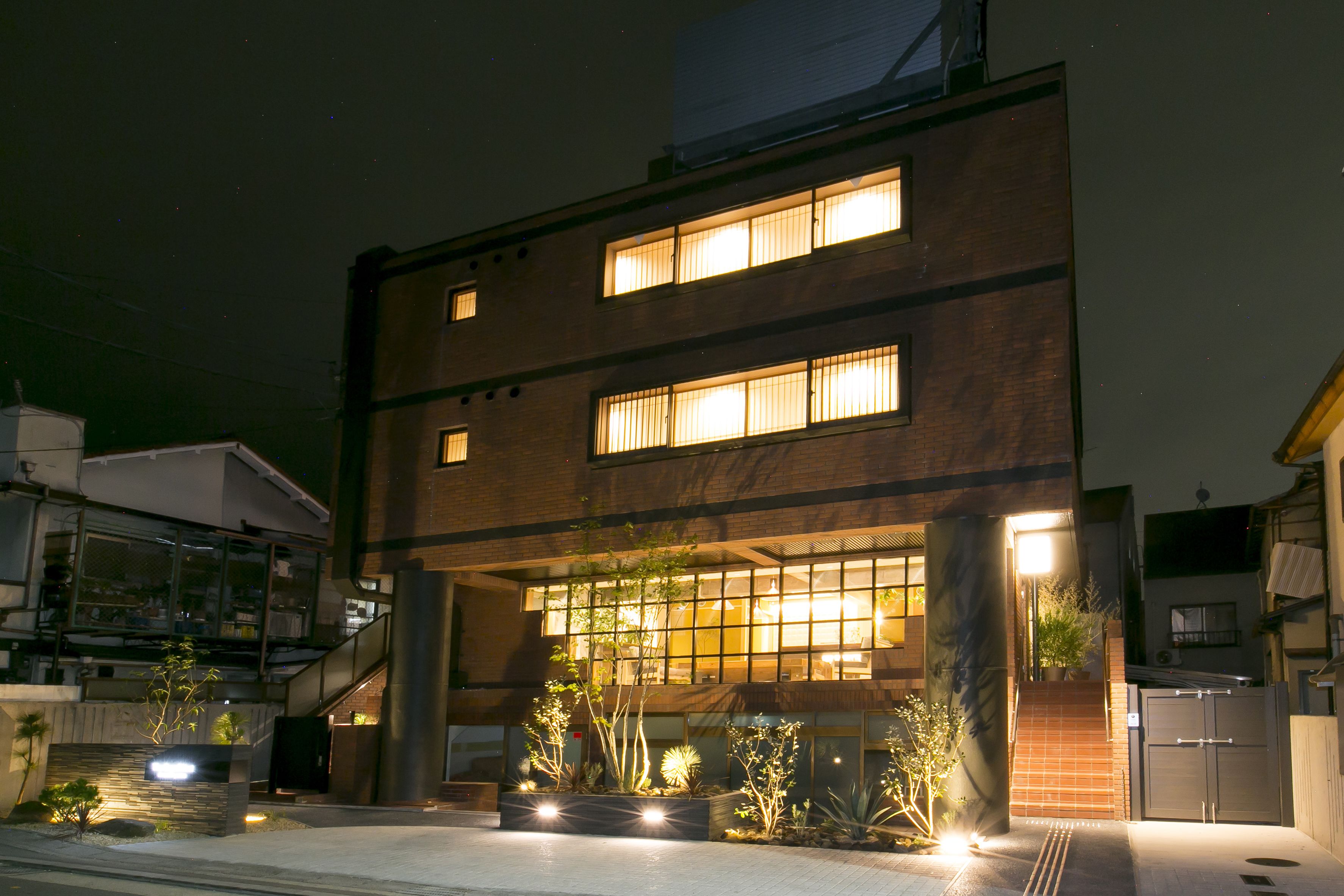
For the ultimate immersion, stay along the Hozugawa River. The proximity to the water provides a natural white noise that guarantees deep sleep, while the misty mornings offer a private viewing of Arashiyama before the day-trippers arrive from central Kyoto.
Getting There
From Kyoto Station, take the JR Sagano Line (San-in Line) to Saga-Arashiyama Station. Trains depart every 15-20 minutes. Avoid buses during peak season as traffic becomes stagnant.
FAQ
Inspired?
Share this destiny with someone special.