Hyogo
Welcome to Akashi Park
Nestled in the heart of Akashi, this sprawling 54-hectare sanctuary offers a profound dialogue between Japan’s feudal past and its coastal present. Akashi Park is not merely a public space; it is a living canvas where the white-walled Hitsujisaru and Tatsumi turrets stand as silent sentinels over meticulously manicured lawns. As you wander through the grounds, the air carries a delicate saline mist from the nearby Seto Inland Sea, mingling with the scent of ancient pine and seasonal cherry blossoms. It is a place for the soul to exhale—a destination where the grandeur of the Edo period architecture frames the modern engineering marvel of the Akashi Kaikyo Bridge on the horizon. Whether you are seeking a meditative morning stroll or a deep dive into samurai heritage, the park’s gravity is undeniable.
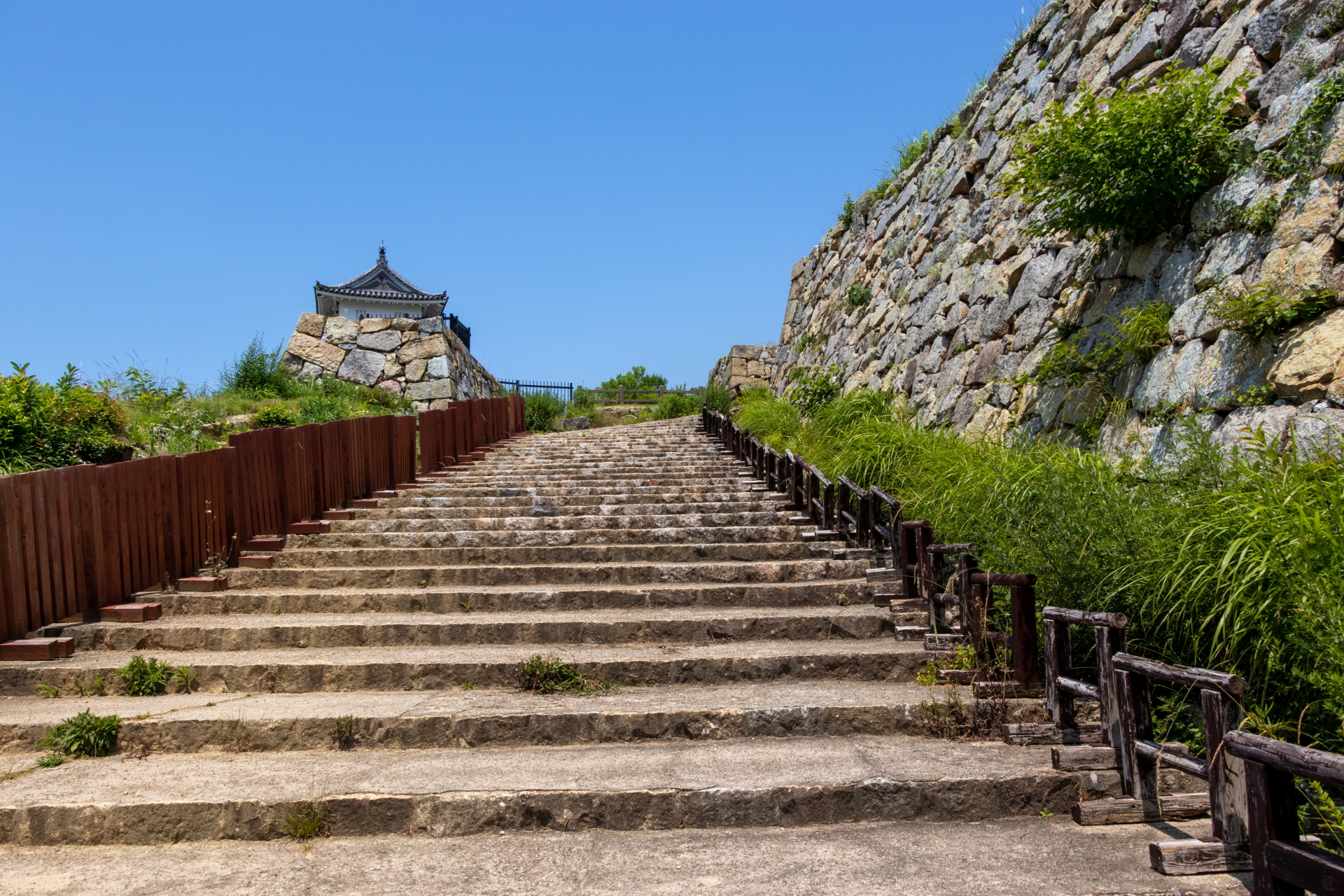
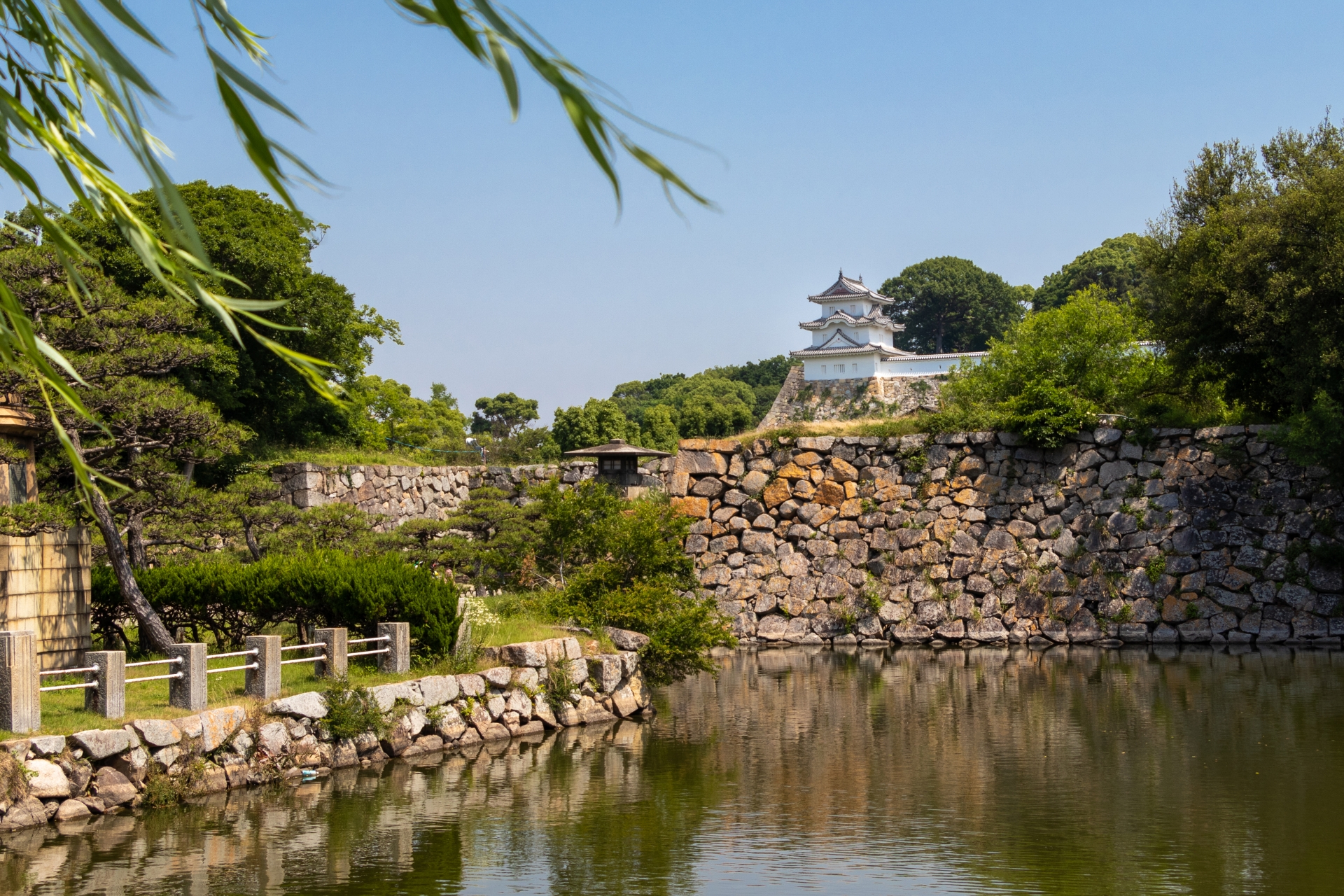
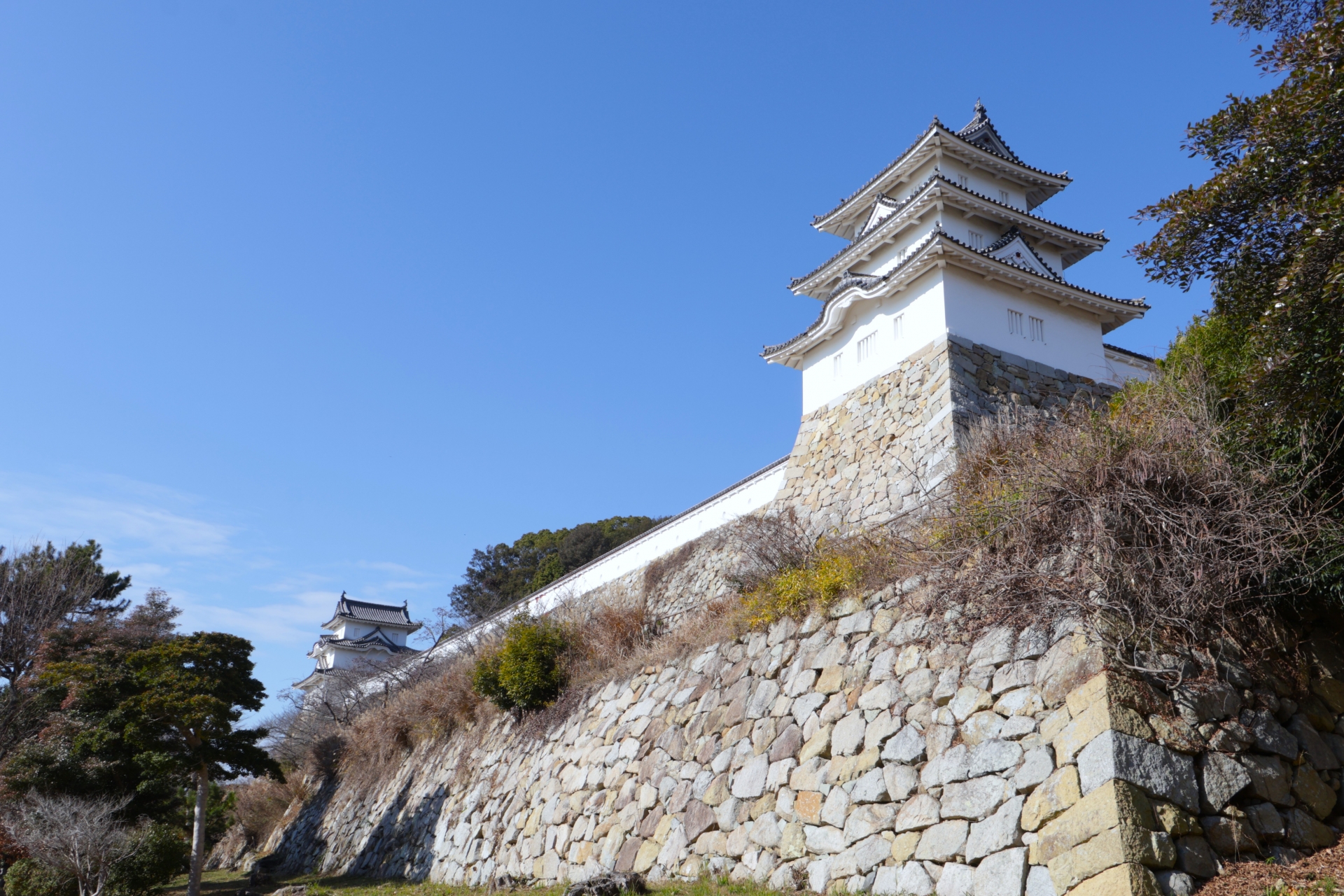
The Hitsujisaru and Tatsumi Turrets
Standing as the crown jewels of the Akashi Castle ruins, these two original three-story turrets are rare architectural survivors of the Edo period. Their stark white plaster walls contrast brilliantly against the azure Hyogo sky, offering a masterclass in samurai-era fortification. Walking beneath their eaves, one can almost hear the rhythmic clatter of armor. The elevation provides a strategic vantage point, allowing you to gaze across the park’s verdant expanse toward the shimmering Harima-nada Sea. It is a cinematic threshold where history feels tactile and immediate.
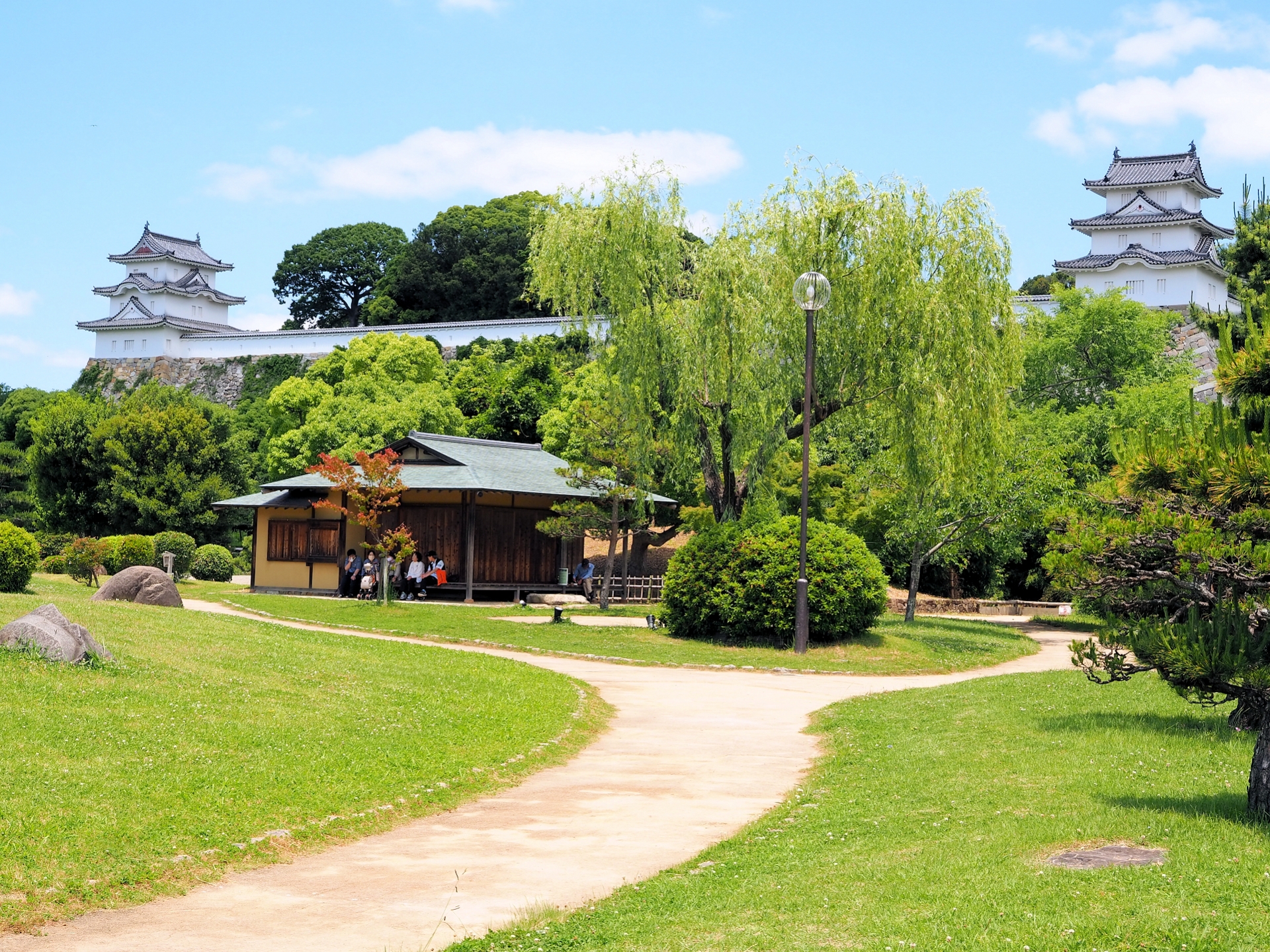
Musashino-niwa Garden
Designed by the legendary swordsman and artist Miyamoto Musashi, this garden is a masterwork of 'borrowed scenery.' The layout is a physical manifestation of Zen philosophy, featuring winding paths that lead to unexpected vistas of the castle walls. The sound of water trickling over smooth river stones provides a rhythmic soundtrack to your exploration. Every tree and rock has been placed with intentionality, creating a sense of balance that calms the mind instantly. It is an essential stop for those seeking the 'Ma'—the beautiful space between moments.
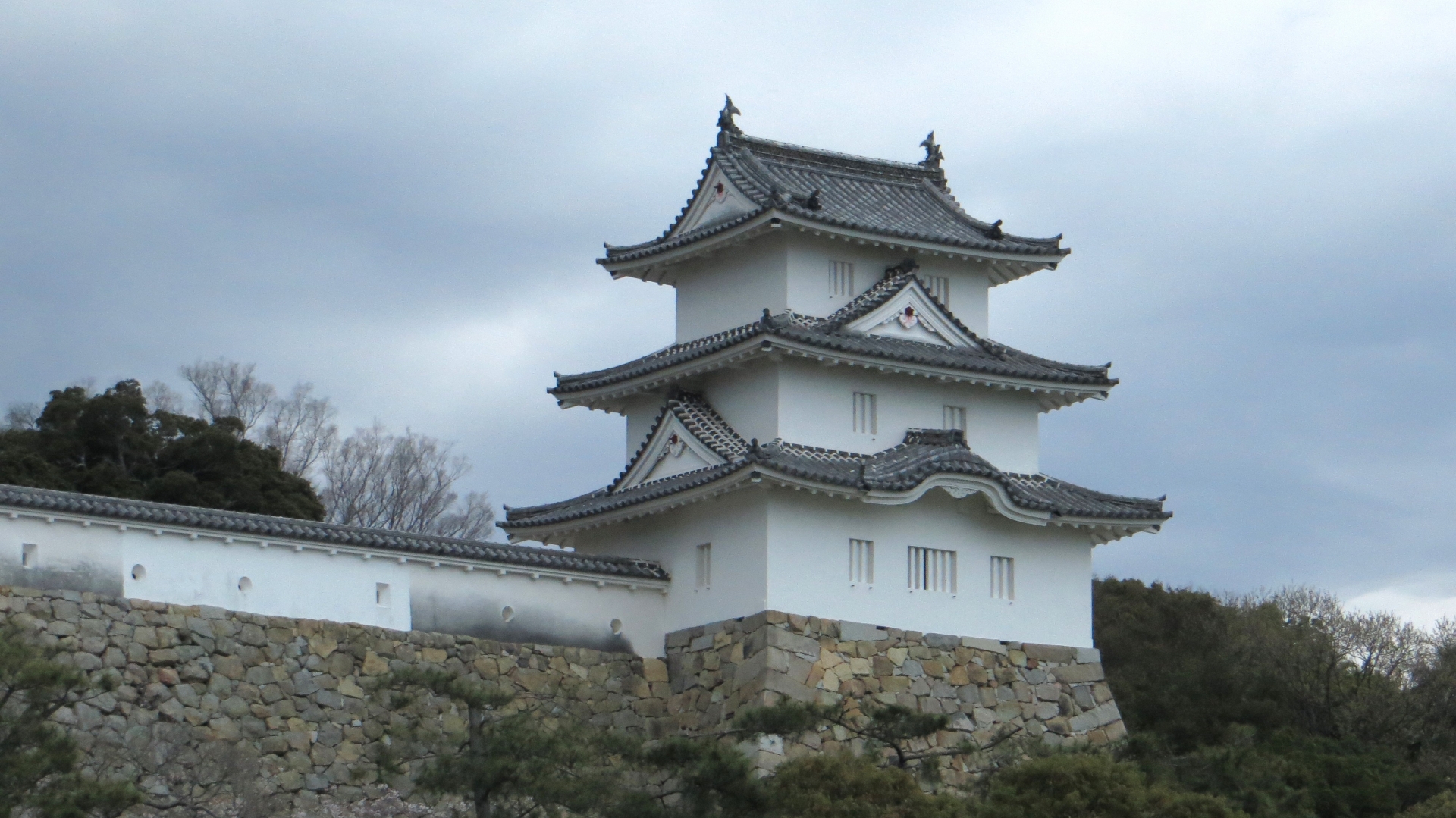
The Honmaru Observation Deck
For the ultimate perspective, ascend to the ruins of the main keep. While the central castle no longer stands, the massive stone foundations serve as a dramatic pedestal for one of Japan’s most iconic views. From here, the ancient stone ramparts frame the Akashi Kaikyo Bridge—the world's longest suspension bridge—creating a stunning juxtaposition of 17th-century craft and 20th-century engineering. The panoramic sweep encompasses the Awaji Island coastline, offering a breathtaking sense of scale and the vibrant maritime energy of the region.
Local Soul Food
Tastes you can't find anywhere else.
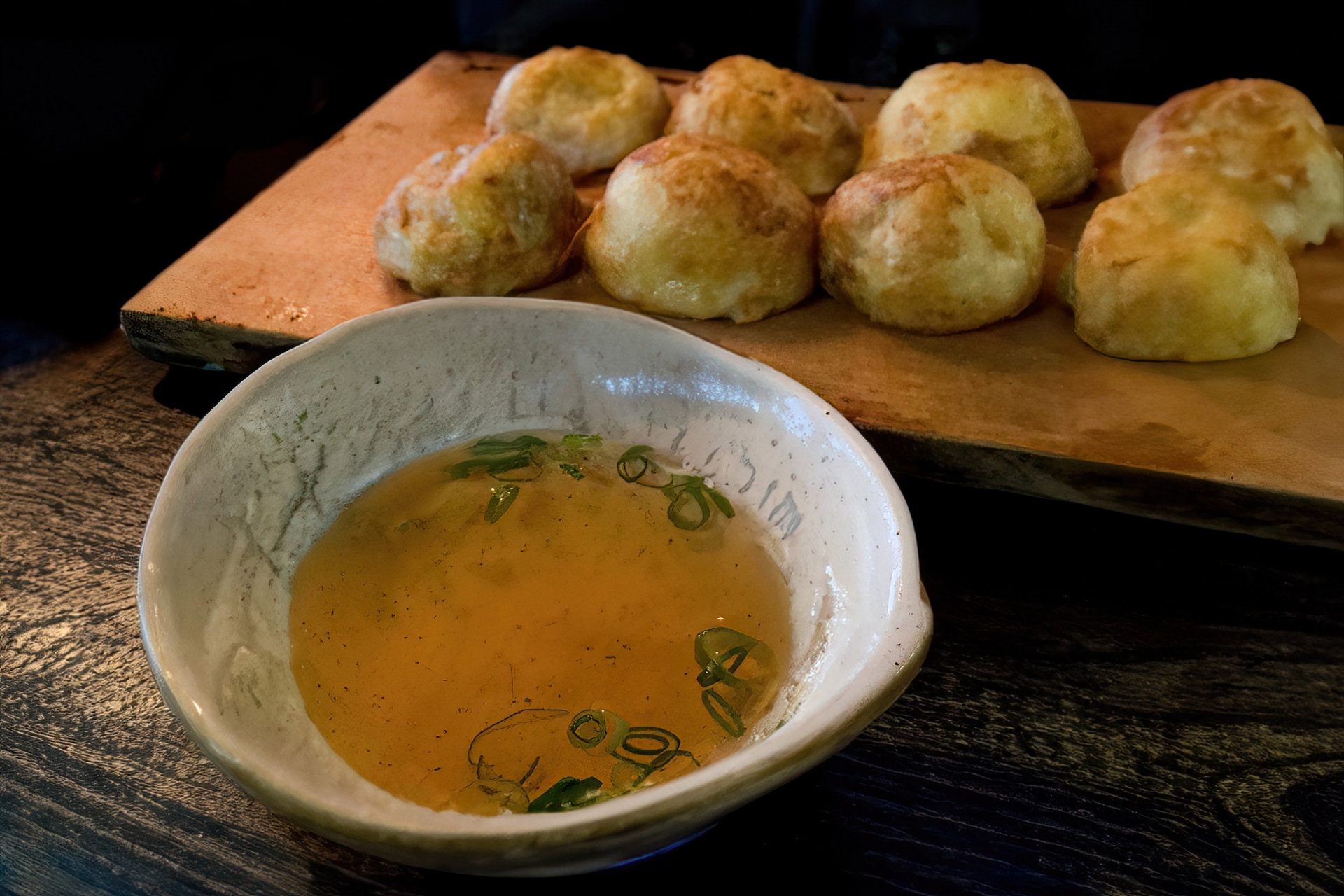
Akashiyaki (Tamagoyaki)
Unlike standard takoyaki, these delicate, egg-rich spheres are a cloud-like revelation. Each bite offers a velvety, custard-like texture that melts on the tongue, releasing the subtle sweetness of local octopus. Served with a side of piping hot, umami-rich dashi, you dip the dumpling to enhance its savory depth. The experience is a warm, comforting embrace of coastal flavors that defines the Akashi culinary identity.
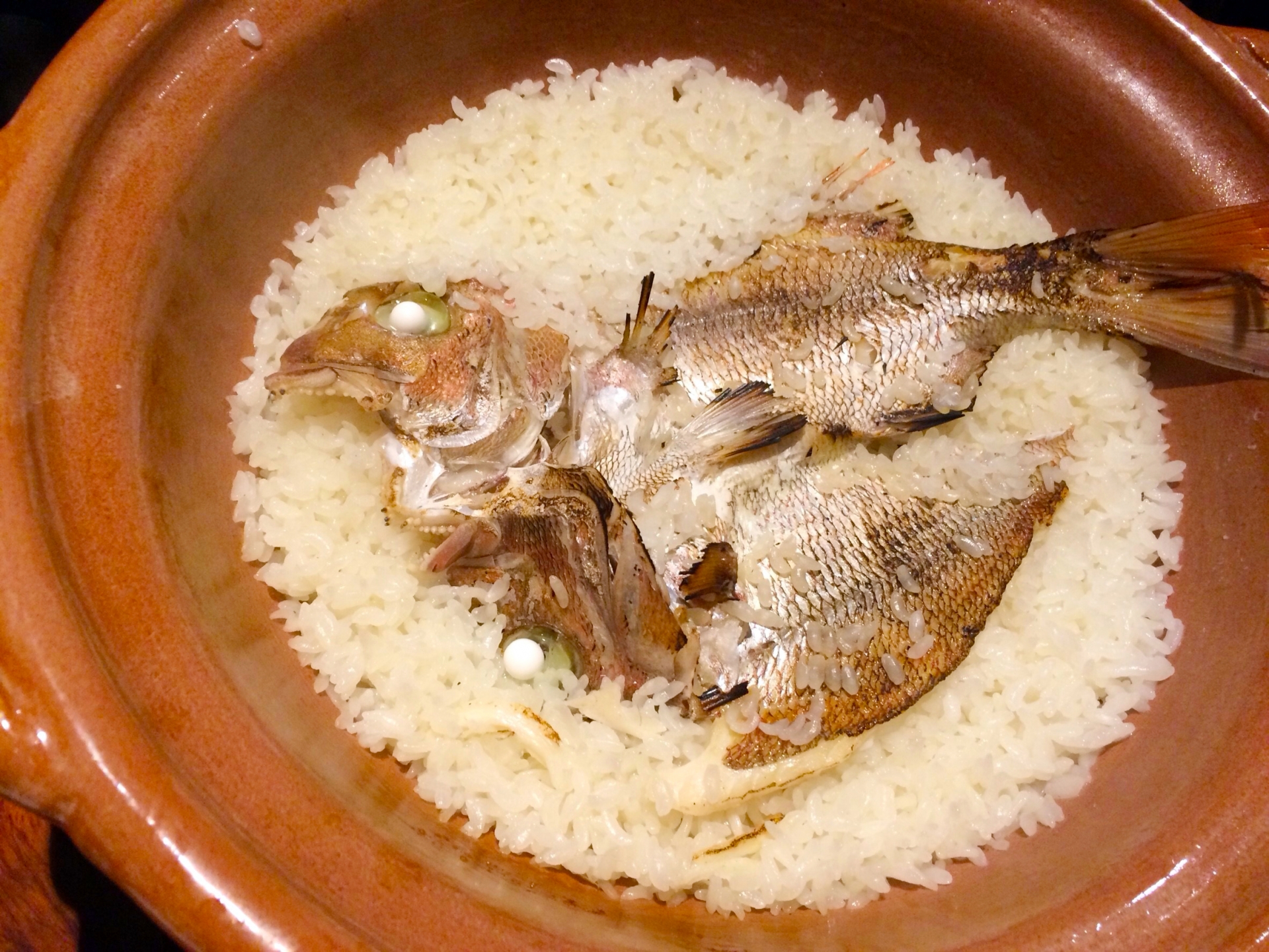
Akashi Sea Bream (Tai-meshi)
The fast-moving currents of the Akashi Strait produce sea bream with exceptionally firm, sweet flesh. In Tai-meshi, the fish is steamed atop a bed of premium rice seasoned with soy and ginger, allowing the natural oils to permeate every grain. The aroma is intoxicating—a clean, salty fragrance that evokes the morning catch. It is the height of sophisticated, minimalist Japanese seafood preparation.
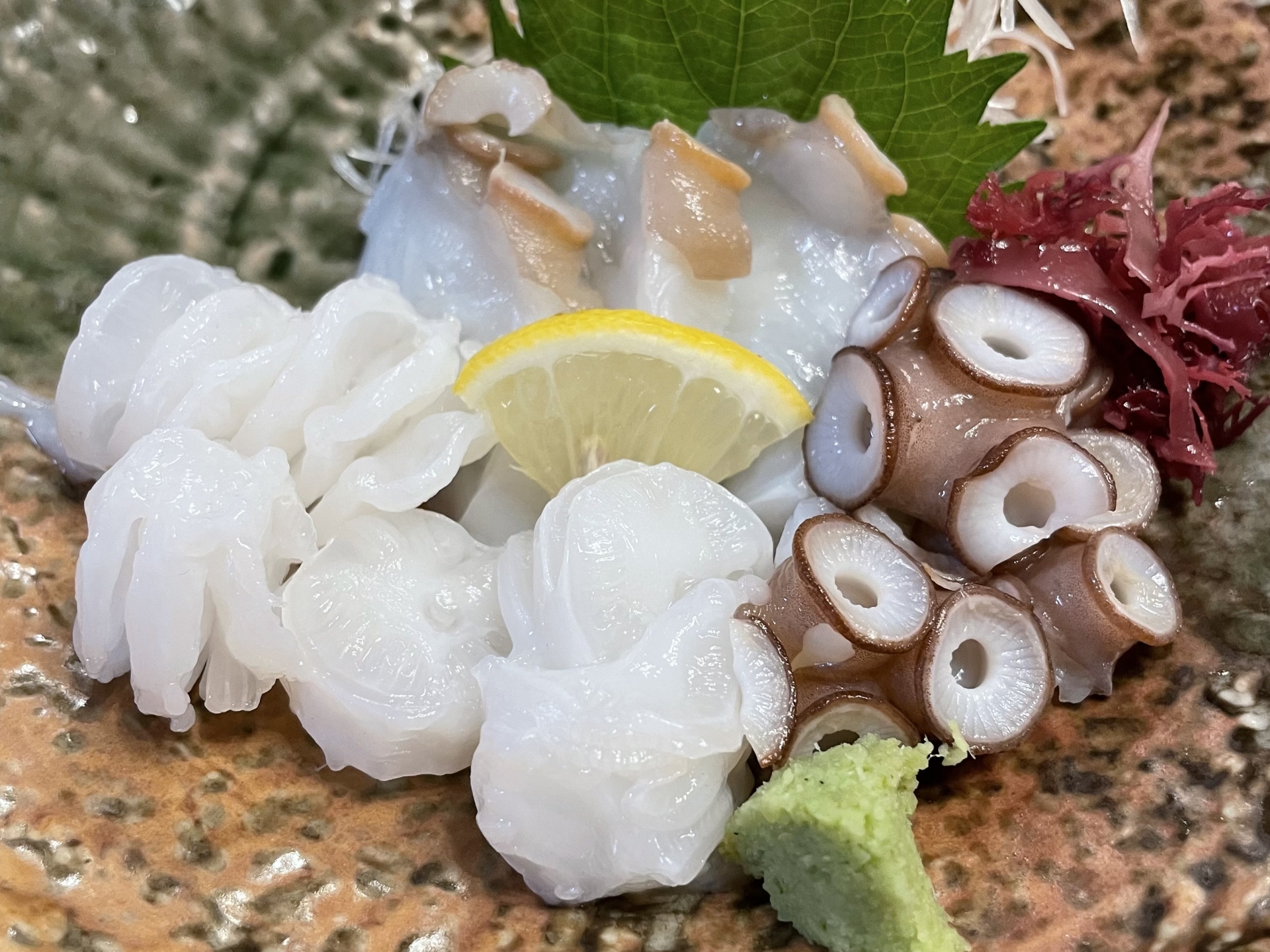
Akashi Octopus Sashimi
Renowned across Japan for its 'crunchy' yet tender texture, Akashi octopus is a textural symphony. Served as translucent slices of sashimi, it possesses a clean, oceanic sweetness that requires nothing more than a touch of freshly grated wasabi and a dip in high-quality soy sauce. The vibrance of the meat is a testament to the nutrient-rich waters of the Seto Inland Sea.
Premium Stays
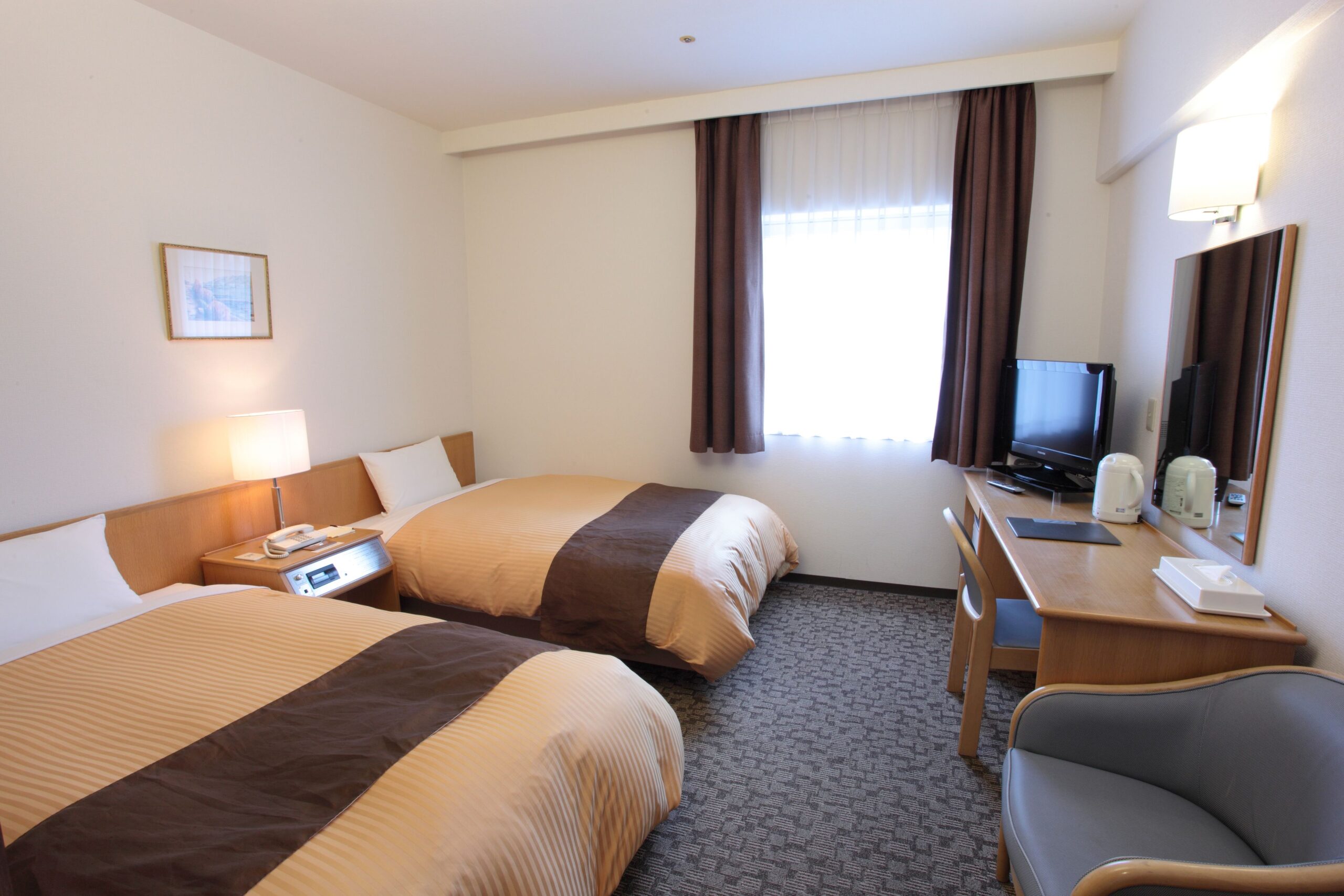
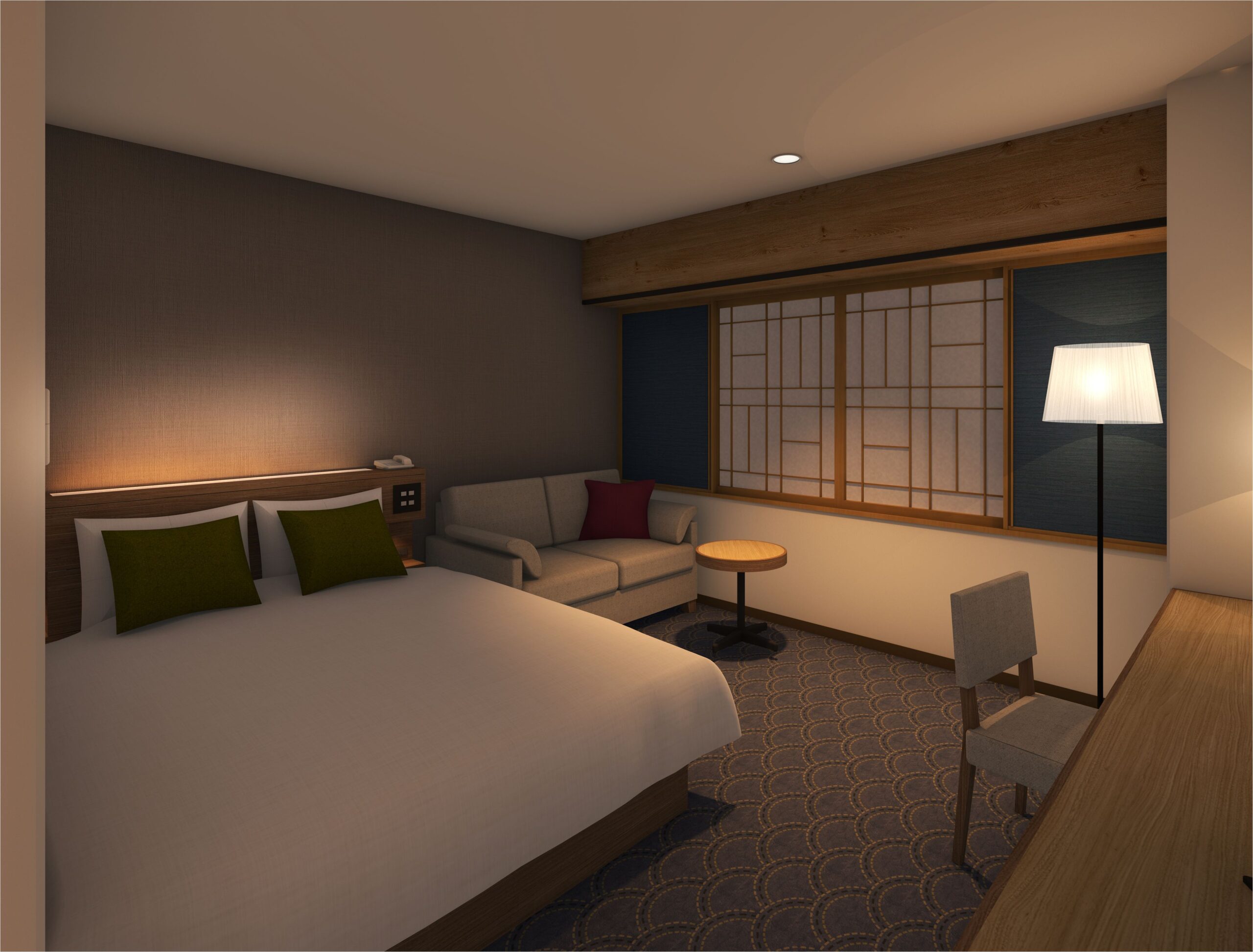
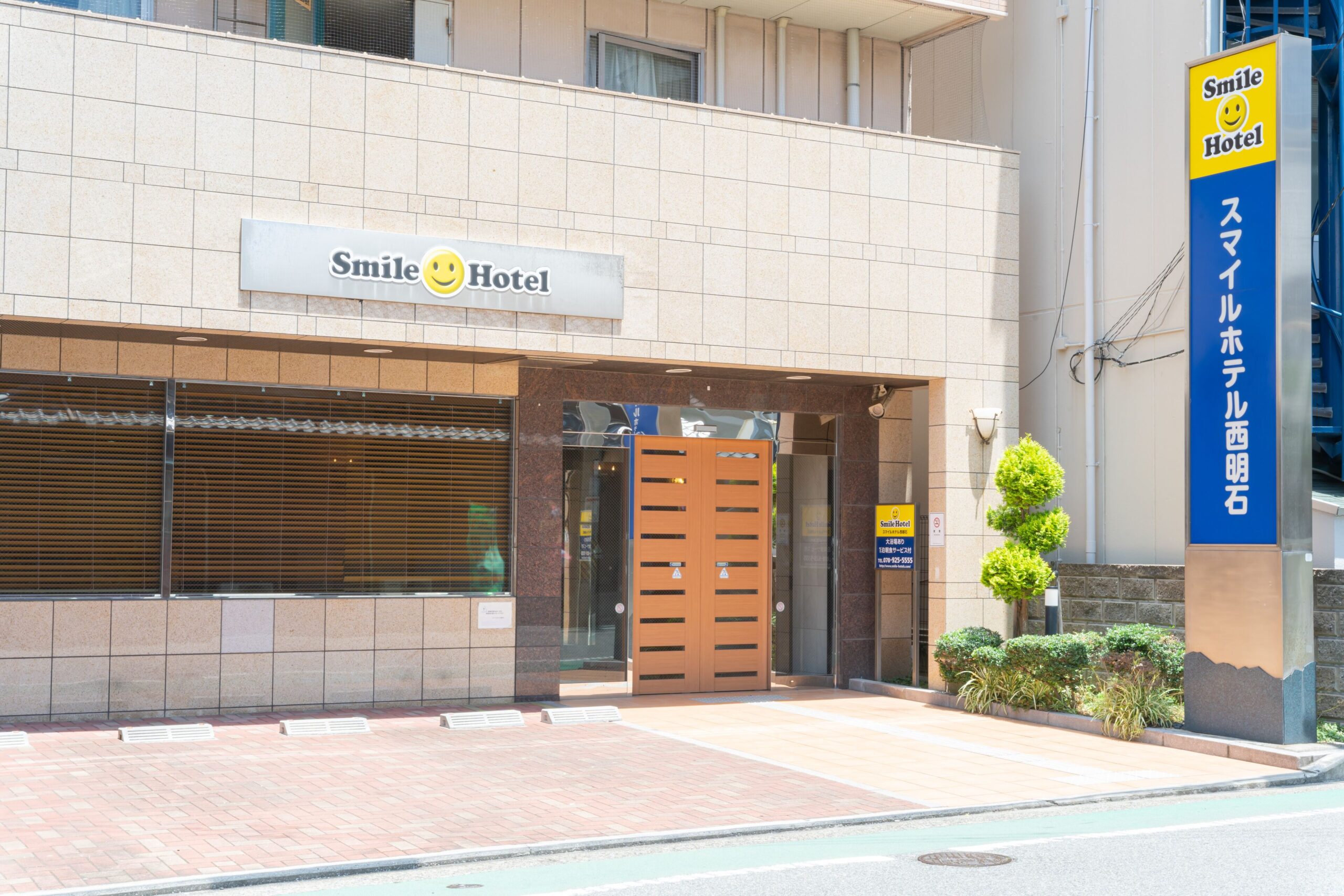
To truly absorb the coastal elegance of Akashi, staying near the Akashi Station area is paramount. This provides immediate access to the park's gates while keeping the vibrant Uonotana Market and the seaside promenades within walking distance.
Getting There
Akashi Park is exceptionally accessible. Take the JR Special Rapid service from Osaka (37 mins) or Kobe (12 mins) to JR Akashi Station. The park entrance is a mere 5-minute walk from the North Exit. Trains run every 15 minutes.
FAQ
Inspired?
Share this destiny with someone special.