The 2025 Reality: Why I No Longer Carry a Fortune
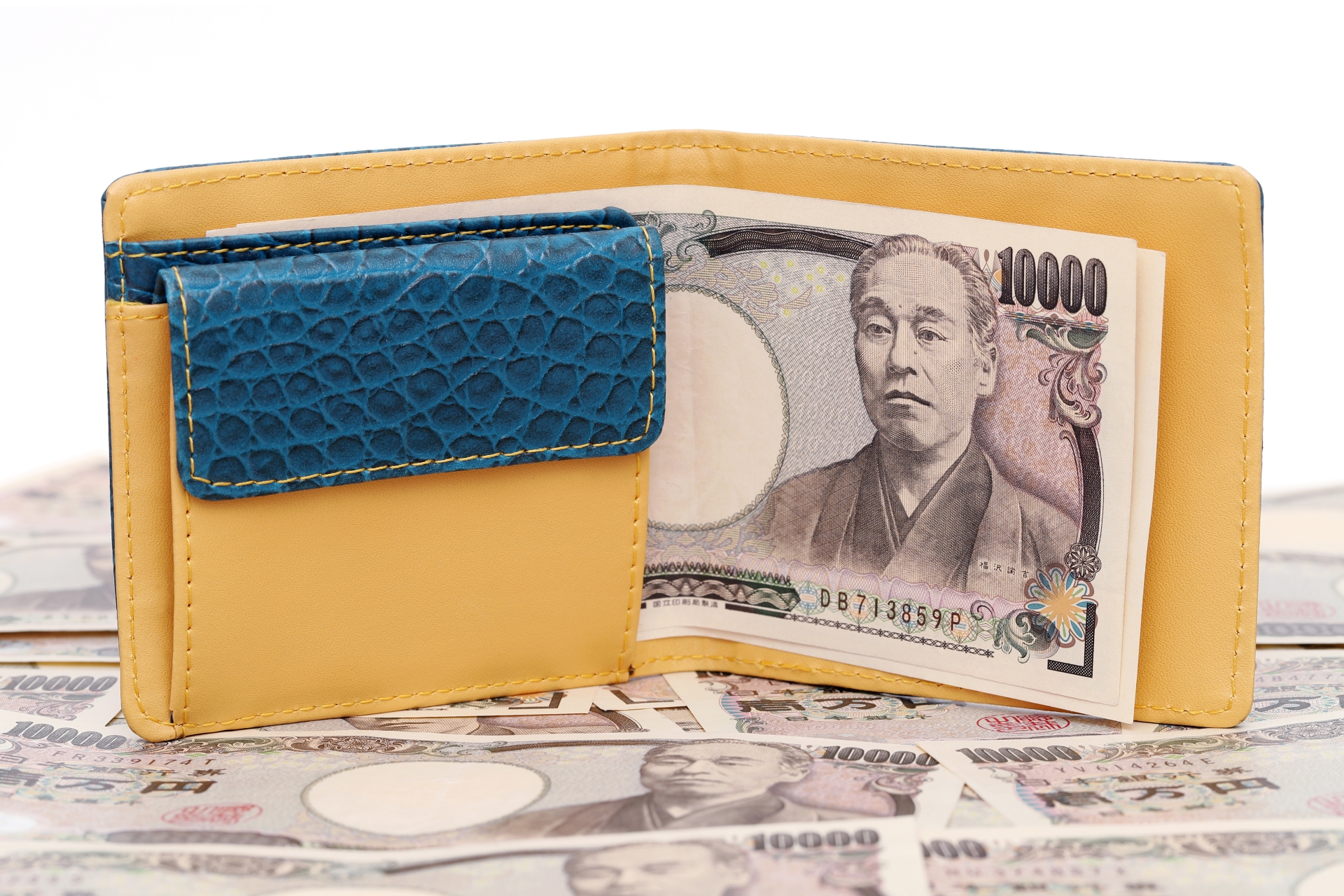
I remember my first trip to Japan back in the day. I had read so many outdated blogs saying 'Japan is a cash society' that I literally walked out of Narita Airport with a thick envelope of 100,000 yen in my pocket. I felt like a walking target. Every time I sat down for ramen or hopped on a train, I was patting my pocket to make sure that cash was still there. It was exhausting. Fast forward to 2025, and I can tell you the landscape has changed significantly. While you still need yen for those charming old-school temples or that tiny standing bar in Golden Gai, the 'cash is king' mantra is fading fast. Most major retailers, convenience stores, and even many small boutiques now accept digital payments like Apple Pay, Google Pay, and local options like PayPay. The secret to my peace of mind these days is the 'Digital-First' approach. I rely heavily on my smartphone for everything from transit to snacks. However, having a stable internet connection is vital for using digital payment apps or checking the latest exchange rates on the fly. I always grab an eSIM before I leave the airport
Traveler Essential
Klook eSIM / Pocket WiFi
Essential for accessing digital payments and maps to find the nearest ATM or cashless-friendly shops.
Check Connectivity Options
because it takes the guesswork out of staying connected. By moving most of my spending to digital platforms, I only ever carry about 10,000 to 15,000 yen for emergencies, which feels much more manageable than a whole month's budget. This shift has completely transformed how I experience the city; instead of fumbling with coins, I'm looking at the architecture. To be fair, the transition wasn't overnight, but the 2025 infrastructure is incredibly tourist-friendly. You'll find that even the vending machines in remote areas are starting to accept IC cards. The relief of not having a bulging wallet is worth the small effort of setting up your digital cards before you land.
The 'Small Bill' Secret
One thing I learned the hard way is that 10,000 yen bills are great for storage but a pain for small shops. I now make it a point to break my big bills at convenience stores. Buying a bottle of green tea (approx. 200 yen) with a large bill is perfectly acceptable in Japan, and it gives you the smaller change you need for vending machines or bus fares. This way, if I ever did lose my wallet, I'm only losing a small fraction of my travel fund, not the whole thing. I also keep my 'backup' cash in a completely separate pouch tucked away in my daypack, never in the same place as my primary wallet. It's all about layers of security that don't feel like a chore.
The Truth About Hotel Safes: My Foolproof Ritual
I used to be terrified of hotel safes. I had this irrational fear that either the staff had a master code or that I’d forget my own code and be locked out of my passport and cash forever. But here is the truth I discovered after staying in everything from capsule hotels to luxury Ryokans: the safe is your best friend if you use it right. In Japan, hotel staff pride themselves on 'Omotenashi' (hospitality) and integrity. Theft by hotel staff is incredibly rare—almost unheard of in the mainstream industry. To get over my safe-anxiety, I started a ritual. I take a photo of the safe once it's locked with my code visible on the screen (or just after I've set it). I also place one of my shoes inside the closet right next to the safe. Why? Because you can't leave the room without your shoes! It's a foolproof way to ensure I never forget my valuables when checking out. When choosing where to stay, finding a hotel that makes you feel secure is half the battle. I usually look for places with rave reviews about their staff and security features on Expedia
Top Rated
Secure Accommodations via Expedia
Book highly-rated hotels with reliable in-room safes and 24/7 security to keep your backup funds protected.
Find Secure Hotels
to ensure my 'home base' is actually safe. Once I trust my 'base camp,' I only take out what I need for the day, usually around the cost of a nice dinner and some souvenir shopping. This allows me to walk through the crowded streets of Shibuya or the quiet alleys of Kyoto without a single worry about what's back at the room. The peace of mind you get from knowing your passport and bulk cash are locked away is the ultimate travel hack. It's not just about physical safety; it's about the mental freedom to be present in your journey.
My 'Split and Conquer' Secrets for Total Peace of Mind
If you are still feeling that 'what if' dread, I highly recommend my 'Split and Conquer' method. This is how I’ve managed to travel from Hokkaido to Okinawa without losing a single yen. I divide my money into three zones. Zone 1 is my 'Active Wallet'—this has my IC card (like Suica or Pasmo) and about 5,000 yen for immediate needs. Zone 2 is my 'Daypack Reserve'—another 10,000 yen hidden in a zippered internal pocket of my bag, just in case I find a must-buy souvenir at a cash-only market. Zone 3 is the 'Deep Storage'—this stays in the hotel safe and contains the bulk of my currency and my backup credit card. This triple-layer security means that even in the worst-case scenario (which, let's be real, is usually just me dropping my wallet in a taxi), I am never stranded. I’ve found that the psychological relief of knowing I have 'layers' of protection allows me to actually look up and enjoy the neon lights of Osaka rather than constantly checking my pockets. Japan's safety is legendary for a reason—I once saw a businessman leave his laptop on a cafe table to go to the restroom—but your personal comfort matters most. If carrying cash makes you sweat, don't do it. Use the technology available in 2025 to your advantage. Another thing I found helpful is using a slim travel wallet that fits in a front pocket; it's much harder to lose and doesn't scream 'tourist' like a bulky back-pocket wallet does. By the time you reach your third day, this system becomes second nature, and you'll wonder why you ever worried in the first place. The goal is to make the logistics invisible so the magic of Japan can take center stage.
| Payment Method | Best Used For |
|---|---|
| IC Card (Suica/Pasmo) | Trains, Vending Machines, Convenience Stores |
| Credit/Debit Cards | Department Stores, Hotels, Mid-to-High Range Dining |
| Cash (Yen) | Temples, Local Festivals, Small Ramen Shops |
| Digital Wallets | Chain Stores and Modern Shopping Malls |