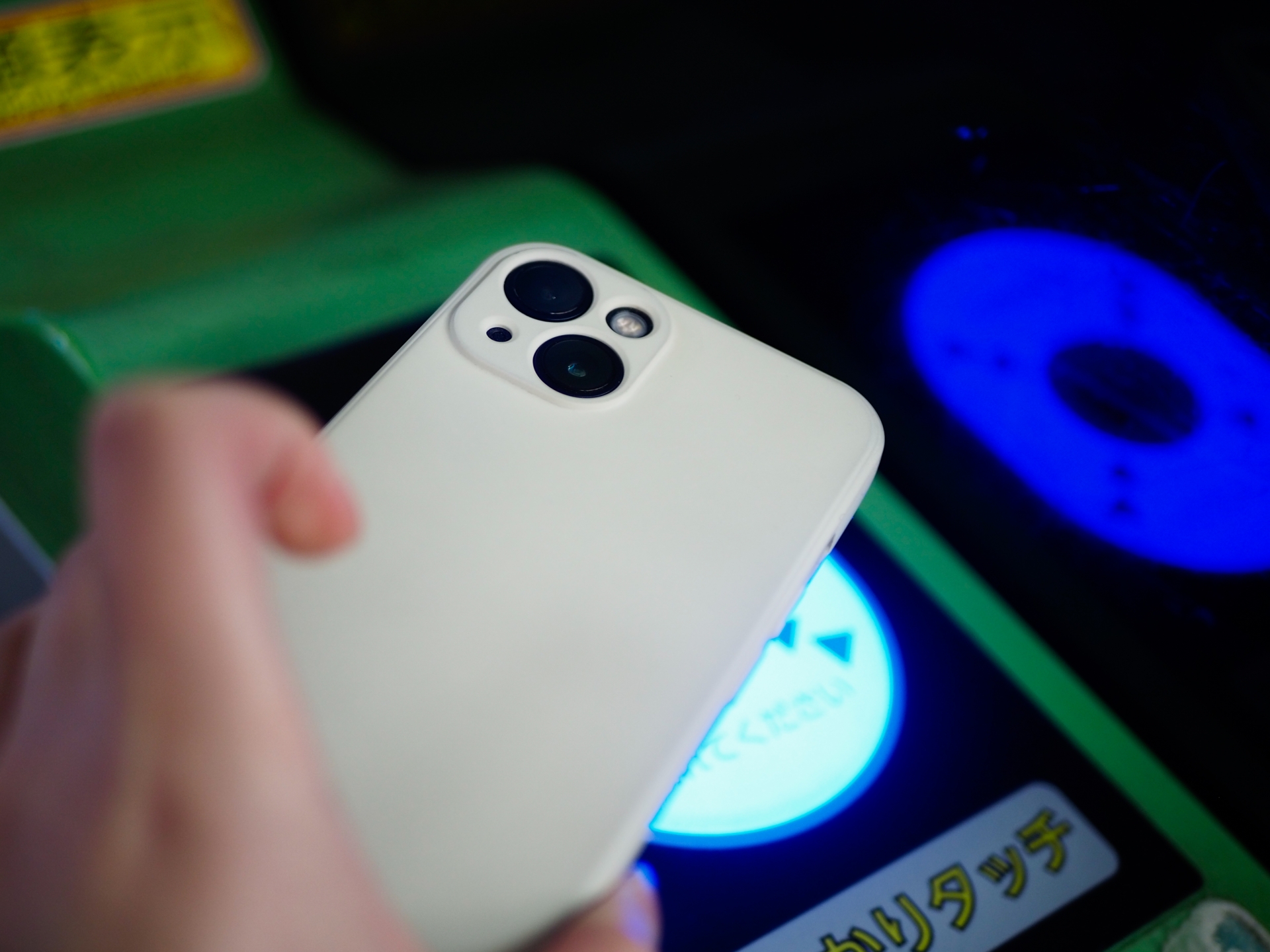
The IC Card Shortcut: Why I Ditched the Plastic
I remember my first trip to Tokyo years ago; I was constantly standing in front of those massive, glowing ticket machines, squinting at complex maps to figure out if my fare was 170 or 210 yen. It was exhausting and, frankly, a bit embarrassing with a line of locals behind me. Fast forward to 2025, and the game has completely changed. The biggest hack I can give you is to stop looking for a physical Suica or Pasmo card at the airport. While the 'chip shortage' that plagued 2023 and 2024 has eased, you honestly don't even need the plastic anymore. I now strictly use the digital version on my phone, and it has made my travels 100% smoother. If you have an iPhone, you can add a Suica, Pasmo, or ICOCA card directly to your Apple Wallet in about thirty seconds. It’s a total life-changer. You just tap your phone at the ticket gate—no need to even wake the screen, open an app, or use FaceID. I’ve walked through the busiest gates in Shinjuku without breaking my stride, while watching other tourists struggle with paper tickets that always seem to get lost in a pocket. This isn't just for trains, either. I use my digital Suica at thousands of vending machines, every convenience store like Lawson and 7-Eleven, and even at those high-tech coin lockers. If you're planning on doing a lot of inter-city travel, I highly recommend grabbing a digital transit pass or a regional rail ticket ahead of time to keep everything organized.
Traveler's Choice
Japan Rail Pass (Klook)
The most seamless way to secure your long-distance travel and digital transit options before you land in Tokyo.
Check Prices on Klook
It saves so much stress when you're trying to catch a Shinkansen and the platform is half a mile away. Beyond the convenience, the digital card allows you to track your balance in real-time. No more guessing if you have enough yen to get home. You can top it up using the credit card already stored in your phone while you're sitting on the train. Just a pro-tip: some international Visa cards still have occasional hiccups with in-app top-ups due to 3D Secure protocols, so having a Mastercard or Amex as a backup in your digital wallet is a savvy move I learned the hard way while stuck at a station in Kyoto. The digital IC card is the ultimate 'set it and forget it' tool for Japan.
The 'Welcome Suica' vs. Digital Freedom
If your phone doesn't support NFC or you just love having a physical souvenir, the 'Welcome Suica' (the red one) is still available at Haneda and Narita airports. It’s designed specifically for tourists and doesn't require the usual 500 yen deposit. However, keep in mind it expires after 28 days and you can't get a refund on any leftover balance. This is why I always push people toward the digital version. With the digital card, your balance stays active for ten years. I’ve used the same digital Suica across three different trips over three years without a single issue. It’s the ultimate shortcut to feeling like a local from the moment you land.
The Credit Card Truth: How I Avoided the QR Code Maze
One thing that really threw me for a loop during my recent stays was the explosion of QR code payments like PayPay and Rakuten Pay. You'll see that bright red PayPay logo everywhere, from tiny ramen stalls in Hokkaido to high-end boutiques in Ginza. Here is the cold, hard truth: as an international tourist, you probably can't sign up for PayPay because it almost always requires a local Japanese phone number and a Japanese bank account. I spent a frustrated hour trying to bypass this in a trendy coffee shop in Shimokitazawa before realizing it was a total dead end for travelers. But don't worry! In 2025, almost everywhere that takes PayPay has also upgraded their terminals to accept 'Touch' payments (NFC). I’ve found that as long as my credit card has the 'wave' symbol, I’m good to go at most major retailers, department stores like Isetan, and even many smaller shops in tourist-heavy areas. For my accommodation and bigger experiences, I always book through major platforms that allow me to pay in my home currency upfront. This avoids those pesky foreign transaction fees that can add up when you're staying at a nice place in Ginza or a traditional ryokan in Hakone.
Best Value
Expedia Hotel Deals
I use this to lock in my Tokyo and Kyoto stays with clear pricing and easy digital payment to avoid fees.
Search Hotels on Expedia
I’ve noticed that when I pay for my hotels in advance, my daily 'walking around' budget becomes much easier to manage, and I don't have to worry about my daily credit card limit while I'm out exploring. Another secret is the 'Tax-Free' system. Many big stores like Don Quijote or Bic Camera will process your tax refund right at the register if you spend over 5,000 yen. They’ll ask for your passport (always carry the physical one, not a copy!) and deduct the 10% consumption tax on the spot. Paying by credit card makes this process seamless. Just make sure you choose to be charged in 'Yen' rather than your home currency if the card machine asks—your home bank will almost always give you a better exchange rate than the shop's payment processor. This simple choice has saved me enough for an extra round of sushi more than once!
The Cash Survival Hacks: Why I Still Carry Yen
Despite Japan's futuristic reputation and the rise of digital wallets, I still find myself reaching for physical yen at least once a day. If you’re heading to a local shrine to buy an 'omamori' (amulet), a traditional 'shotengai' (shopping street), or a tiny six-seat izakaya tucked under the train tracks, cash is still the undisputed king. I once sat down for the most amazing bowl of handmade udon in Takayama, only to realize at the end that they didn't take cards or IC cards. The panic was real! Now, I always keep an 'emergency' stash of around 5,000 to 10,000 yen (approx. $35-$70 USD) in my pocket. You’ll also need coins for the older style of coin lockers and those charming gachapon machines that are impossible to resist. Don't bother exchanging money at your home bank before you leave; the rates are usually terrible. I’ve found that the 7-Bank ATMs found inside every single 7-Eleven are the absolute best way to get cash. They have English menus, they’re open 24/7, and the fees are very reasonable—usually around 110 to 220 yen per withdrawal. I usually withdraw a larger amount (like 30,000 yen) once every few days to minimize the per-transaction fee. Another thing to remember is the 'tray etiquette.' In Japan, you don't hand cash directly to the cashier. Instead, you place it on the small colorful tray provided at the counter. It’s a small cultural detail, but doing it right makes you look like a seasoned traveler. Also, try to spend your 1-yen and 5-yen coins as you go. They accumulate fast and can't be used in most vending machines or self-checkout kiosks, so dumping them into the tray at a convenience store is the best way to keep your wallet light. Japan is much more digital than it used to be, but the soul of the country is still found in the places where the register is an old wooden box and the only sound is the clink of coins.
| Payment Method | Best Used For | Tourist Rating |
|---|---|---|
| Digital IC (Suica/Pasmo) | Trains, Vending Machines, Conbini | 5/5 (Essential) |
| Credit Card (Touch/NFC) | Department Stores, Hotels, Restaurants | 4/5 (Very Reliable) |
| Physical Yen | Shrines, Small Izakayas, Rural Areas | 3/5 (Necessary Backup) |
| QR Codes (PayPay) | Local Residents Only | 1/5 (Skip It) |