The 8% vs. 10% Gamble: Where You Stand Matters
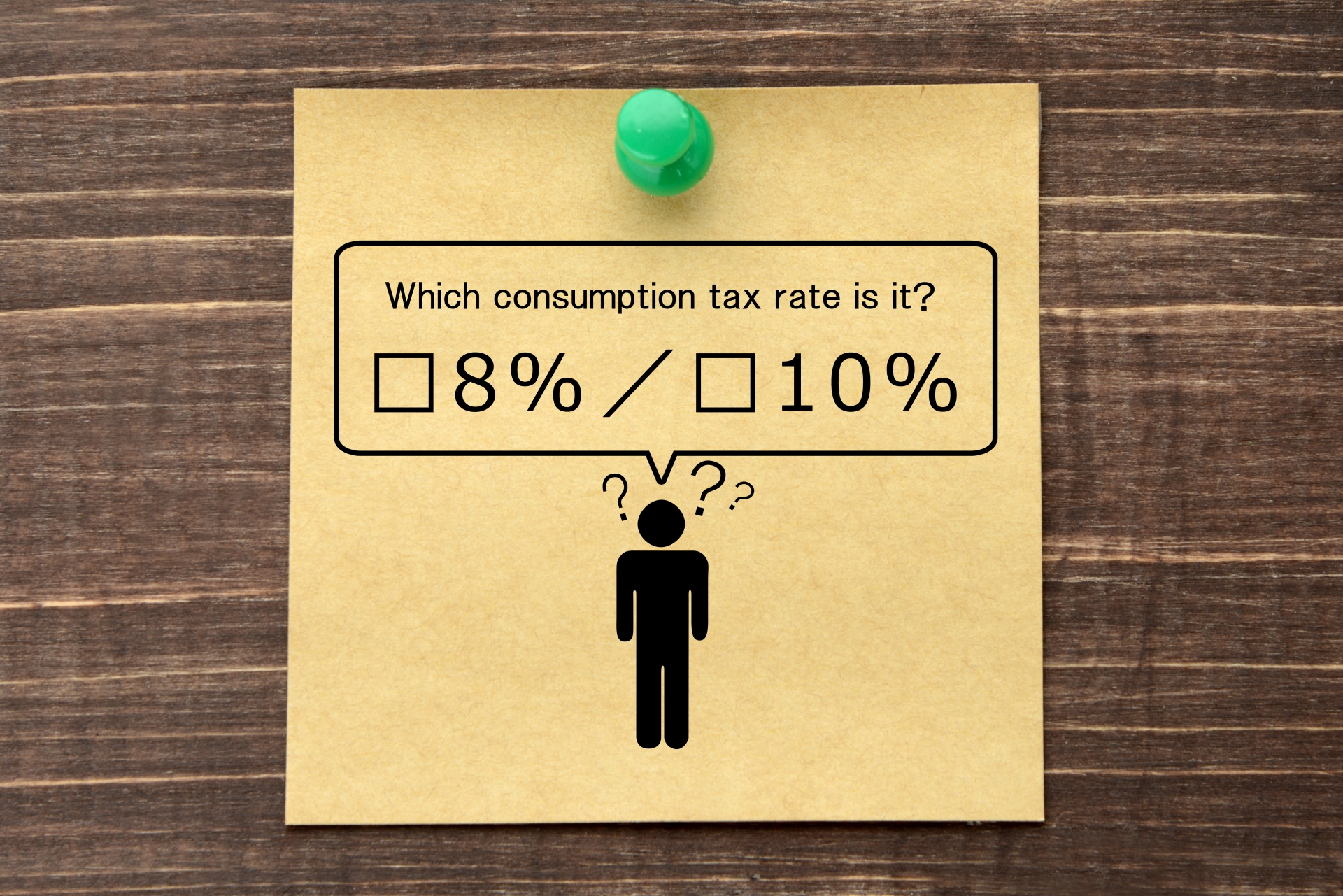
I tell my friends: in 2026, Japan is the only place where *where* you eat your sandwich changes its price. It’s the dual-consumption tax system. Basically, if you take your food to go, it's 8% tax. If you sit down in the store's seating area, it's 10%. I once sat down in a 7-Eleven lounge for five minutes and felt the intense gaze of a staff member checking if I’d paid the 'dine-in' rate! By 2026, many big city stores even have sensors or AI cameras near the lounge to help staff manage this, but usually, they’ll just ask you at the register. To keep up with these rules and check which items are exempt, I always have my rock-solid 2026 data connection ready
Savvy Choice
Japan Travel Data & eSIM
I use this to check currency rates and tax rules right at the shelf. In 2026, being informed is the best way to save.
Check My Data Plan
. It allows me to use a translation app to read the fine print on those tricky shelf labels. Most price tags now show the 'Tax Included' (Zeikomi) price in large numbers, but some drugstores still highlight the cheaper 'Tax Excluded' (Zeinuki) price just to lure you in. I’ve learned to always scan for that small print. And remember, alcohol is *always* 10% tax, no matter where you drink it. If your budget is tight, being mindful of that 2% 'Dine-in tax' across a whole trip can save you enough for an extra bowl of ramen!
The 'Takeout' Social Protocol
In 2026, it’s considered a bit of a social faux pas to pay the 8% takeout rate and then 'sneak' into the lounge to eat. If you change your mind after paying, it’s best to just walk to a nearby park. The staff are trained to be polite, but the 'tax compliance' culture is very real in urban Japan.
The Service Charge & 'Otoshi' Mystery: It's Not a Tip!
One thing I love about Japan is that I never have to calculate a 20% tip. But that doesn't mean the price on the menu is what you’ll pay. I remember going to a cool-looking izakaya in Shinjuku, ordering one beer, and being served a tiny dish of tuna salad I didn’t ask for. When the bill came, it was much higher than the beer price. I’d been hit by the 'Otoshi'—the mandatory seating fee. In 2026, these usually run between 300 and 1,000 yen per person. It’s not a scam; it’s just the Japanese way of covering the costs of the seat and service without tips. Also, at high-end hotel restaurants, keep an eye out for the 'Service Charge' (Sāvisu-ryō), which is often an extra 10-15% on top of everything. I always book my luxury stays through platforms that show the 'All-In' price
Logistics Pro
Expedia Transparent Hotels
I search for hotels that disclose all service charges upfront. It makes my budgeting 100% accurate before I even land.
Find My Transparent Stay
because I hate that moment of check-out shock when my 30,000-yen stay suddenly turns into 38,000 yen due to hidden fees and city taxes. In 2026, while some touristy spots in Kyoto are starting to phase out the 'Otoshi' to be more foreigner-friendly, most authentic local gems still keep it. My savvy hack? View the 'Otoshi' as a gateway to Japanese culture—you get a tiny, seasonal chef’s special as soon as you sit down. It’s actually quite a nice tradition once you expect it!
Pointo Kaado? Why I Always Say 'No' (Except When I Don't)
Every single time I reach the register in 2026, I hear the same phrase: 'Pointo kaado omochi desu ka?' (Do you have a point card?). Japan is absolutely obsessed with these points! People spend years 'hunting' for Rakuten or Ponta points. For a two-week traveler, my savvy advice is usually to just say 'Nai desu' (I don't have one). Most of these cards require a Japanese phone number and a lot of registration hassle. However, I’ve noticed a new 2026 trend: many stores now have a 'Member Price' that is significantly lower than the tourist price. If you’re a frequent visitor, it might actually be worth downloading the app and skipping the physical card. I use my Apple Wallet to link as many digital versions as I can—it makes the transaction much faster. If you’re using Mobile Suica, you can sometimes bypass the question entirely because the machine just knows! One last thing for the 2026 traveler: the receipts are now incredibly long because of the 'Invoice System.' They list every tax breakdown in detail. Don’t worry, the cashier isn't giving you special coupons; they’re just printing a novel for your taxes. I usually just give them a polite 'Resiito daijoubu desu' (I'm okay without a receipt) to save some paper.
| Fee Type | My Savvy Price Hack | The Blogger's Truth |
|---|---|---|
| Dine-in Tax | 10% (Always check!) | The automatic sensor will find you! Just pay the 10% if you sit. |
| Takeout Tax | 8% (Budget Saver) | Perfect for hotel-room picnics or park lunches. |
| Otoshi (Cover Charge) | ¥300 - ¥1,000 | Expect it in Izakayas. It's the cost of the experience. |
| Service Charge | 10% - 15% | Found in high-end hotels. Check the menu footer! |
| Point Cards | Just say 'Nai desu' | Unless you're moving here, they aren't worth the extra data. |