The 'Is This a Scam?' Moment: My First Experience with Local Sites
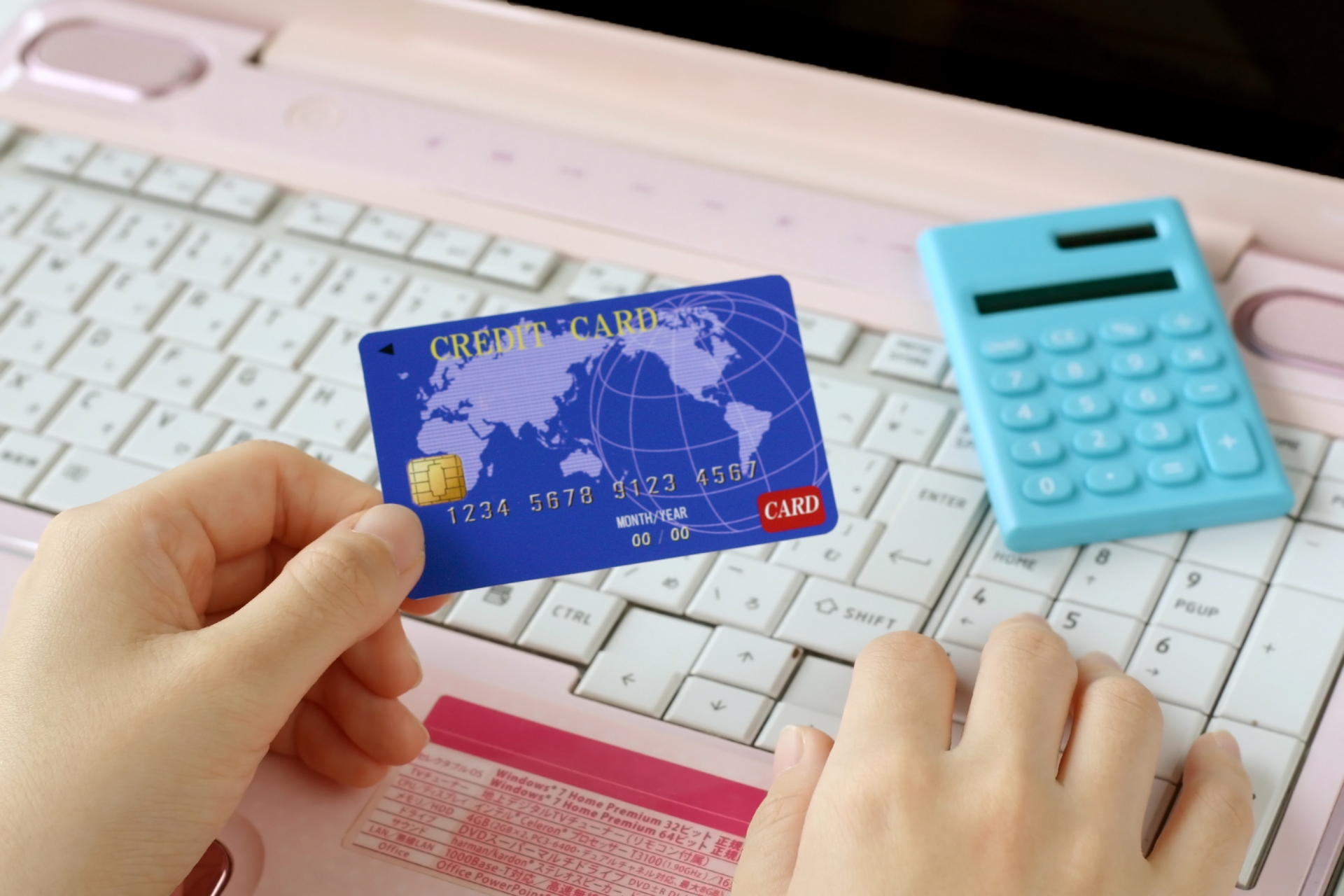
I remember the first time I tried to book a high-end sushi spot in Ginza. I had found the link through a foodie blog, and when I clicked 'Reserve,' I was redirected to a page that looked like it hadn't been updated since 1998. My heart started racing. There were no familiar logos, the English translation was patchy at best, and it was asking for my full credit card details upfront. As a traveler, your instinct is to close the tab and run. We are conditioned to look for sleek, modern interfaces as a sign of legitimacy. But in Japan, I quickly learned that digital aesthetics do not equal trustworthiness. Some of the most prestigious, multi-generational businesses use booking systems that feel ancient because they prioritize stability over style. The reason they ask for pre-payment is simple: the 'No-Show' problem. Japan’s restaurant industry lost millions of yen to tourists who booked five places and only showed up to one. Now, pre-payment is the shield that protects these small businesses. I’ve found that using a trusted intermediary makes this whole process feel a lot less like a gamble. When I’m booking my day trips or museum entries, I almost always use Klook because I know the interface is secure and the customer support speaks my language.
Traveler's Choice
Klook Japan Activities
The easiest way to book the Shibuya Sky, Disney, and TeamLab without dealing with confusing local payment gateways.
Check Activity Prices
It takes the guesswork out of whether my payment actually went through or if I’ve just handed my card info to a ghost site. I’ve had to learn to look past the clunky UI and realize that the 'Omotenashi' (hospitality) starts once you get through the digital gate. The thing is, these sites are often more secure than the flashy ones we use back home because they adhere to incredibly strict Japanese banking regulations. So, if you see a site that looks like a time capsule from the 90s, don't panic. Just look for the SSL padlock and proceed with caution but confidence.
Why the Japanese Web Design Style is Different
You'll notice many Japanese sites are information-heavy. They want to show you every possible detail, rule, and policy upfront. While it feels cluttered to us, it's actually their way of being transparent. I started using the Google Chrome 'Translate to English' feature on every page, and suddenly, those scary red boxes weren't warnings—they were just helpful tips about the chef's seasonal menu or the dress code. Don't let the design scare you off; look for the 'SSL' padlock in your browser and you're usually good to go. Also, keep in mind that many local sites are designed for mobile-first users in Japan, which can make the desktop version look even more bizarre to international eyes.
The Refund Anxiety: Will I Ever See My Money Again?
The biggest fear I hear from fellow travelers is: 'What if my flight is canceled? Will I get my 30,000 yen back?' I’ve been there. I once had a Shinkansen delay that made me miss a pre-paid tea ceremony in Kyoto. I was convinced my money was gone. However, Japan is a land of rules, and those rules work in your favor if you read them. Most legitimate Japanese booking sites have a very clear cancellation ladder: 100% refund if canceled 7 days out, 50% if 2 days out, and 0% for same-day cancellations. The trick is that the process to request that refund can be buried in a Japanese-only email. This is why I shifted my strategy for the big-ticket items like hotels. I used to try and book directly with tiny Ryokans to 'save money,' but the stress of communicating a change of plans wasn't worth the few dollars saved. Now, I use Expedia for my accommodations across Japan.
Best for Flexibility
Expedia Japan Hotels
I use this for the 'Free Cancellation' peace of mind, especially when booking Ryokans and hotels in major cities.
Find Refundable Stays
Their 'Free Cancellation' filters are a lifesaver for my anxiety. I can see exactly when my 'point of no return' is in plain English, and if I need to cancel, it’s a single button click in the app rather than a frantic email to a guesthouse owner who might not check their inbox daily. I’ve had to cancel a stay in Osaka last minute due to a head cold, and the refund was back on my card within four days. It’s that peace of mind that allows me to actually enjoy the trip instead of worrying about my bank statement. On top of that, using a major platform gives you a layer of mediation. If a local vendor tries to dodge a refund that you are legally entitled to, the platform's support team can step in and fight that battle for you. It's a safety net that I've found indispensable for international travel.
My Savvy Shortcuts for Stress-Free Payments
After years of bouncing around Tokyo, Osaka, and the rural corners of Kyushu, I’ve developed a system for these pre-payments. First, I never use a debit card. Always use a credit card with no foreign transaction fees. Not only does this save you around 3% on every booking, but the fraud protection is far superior. If a site truly does turn out to be a problem, a credit card chargeback is your safety net. Second, keep your banking app open on your phone while you book. Many Japanese sites use '3D Secure' (the thing that sends a code to your phone). If you don't approve it within 60 seconds, the transaction fails, but sometimes your bank 'holds' the funds anyway, leading to a double-charge panic. I always make sure I’m on a stable Wi-Fi connection before hitting 'Pay.' What's more, I always take a screenshot of the 'Thank You' or 'Confirmation' page. Sometimes the confirmation emails get caught in 'Spam' because they are sent from a Japanese '.jp' domain that your email provider doesn't recognize. Having that screenshot with the reservation number has saved me more than once at a restaurant podium. Another tip: if your card is repeatedly declined, it's likely not the site's fault. Japanese payment gateways are notoriously picky about '3D Secure' compatibility. I've found that having a backup card from a different issuer (like a Visa and a Mastercard) is the best way to ensure you don't lose out on a high-demand booking. Finally, don't forget to notify your bank that you're traveling. Even for online bookings, a sudden charge from a Japanese merchant can trigger a fraud alert that freezes your account right when you need it most.
| Booking Type | Best Payment Method | Refund Ease |
|---|---|---|
| High-end Dining | TableCheck / Credit Card | Moderate (Strict rules) |
| Local Tours | Klook / PayPal | High (Instant support) |
| Boutique Hotels | Expedia / Credit Card | High (Clear policies) |
| Train Tickets | Smart-EX / Apple Pay | Moderate (System fees apply) |