The Day I Learned 'Hourly' is a Luxury
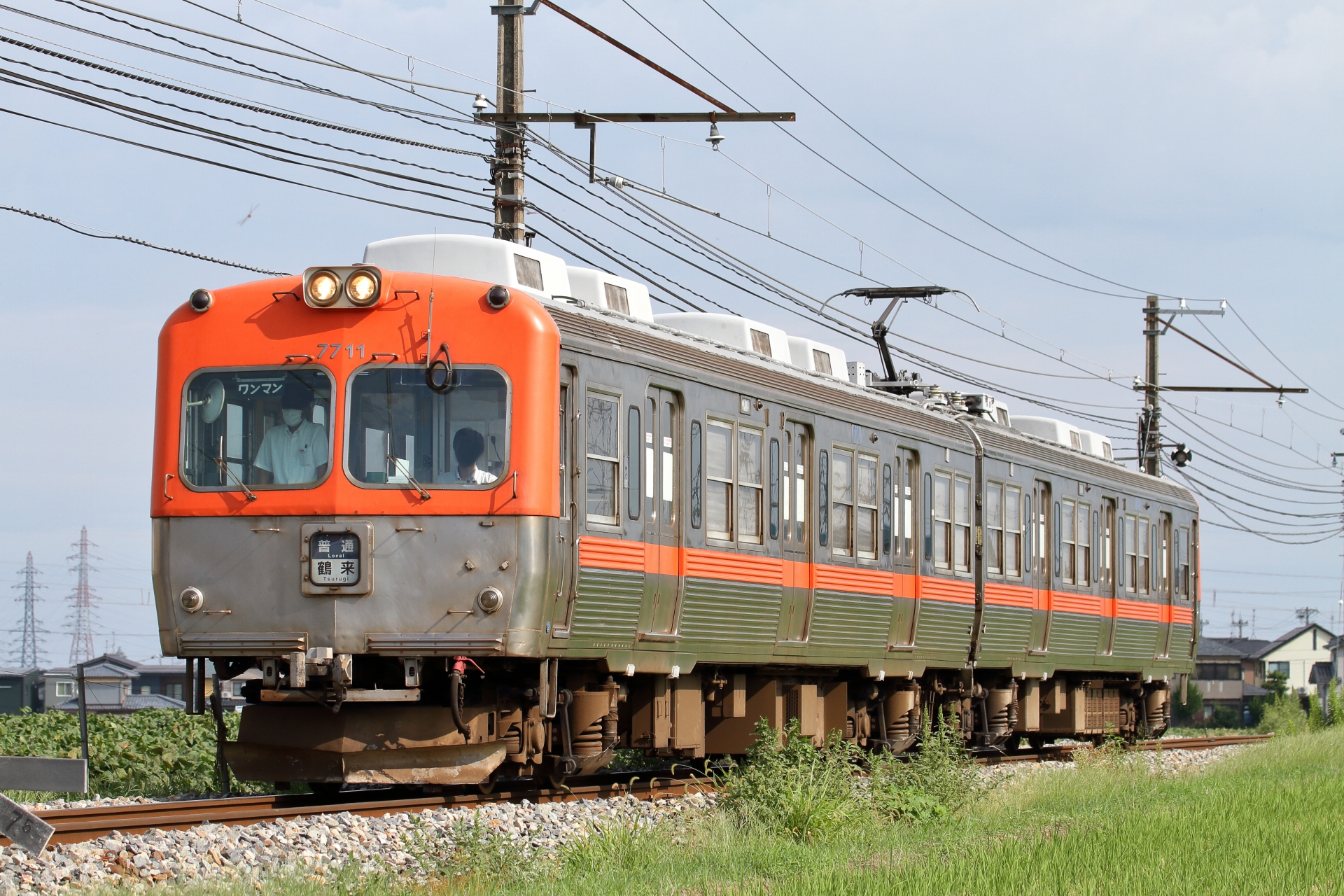
I’ll never forget standing on a freezing platform in the mountains of Gifu, watching the tail lights of the only bus for the next four hours disappear into the mist. I was only three minutes late, but in rural Japan, three minutes might as well be three years. By 2025, the 'depopulation' we used to read about in the news has hit the train and bus schedules hard. In many regions, the 'Diamond' (timetable) has been slashed significantly. If you miss that 2:14 PM local train, the next one isn't until 5:45 PM. It sounds extreme, but this is the reality for international travelers venturing off the Golden Route. I’ve learned the hard way that you cannot 'wing it' here like you do in Osaka or Tokyo. You need a rock-solid regional pass to keep your options flexible.
Traveler's Choice
JR Regional Passes
The most cost-effective way to navigate rural lines while keeping your schedule flexible.
Check Pass Options
I always tell my friends: in the city, the train waits for no one; in the country, the train barely exists for anyone. To survive, I now treat every departure time as a sacred appointment. I arrive 15 minutes early, every single time, because finding a staff member to help you at an unstaffed rural station is virtually impossible these days. Most of these stations have replaced humans with automated ticket machines that don't speak much English, so being early gives you the time to figure out the tech without the panic of a departing train. On top of that, the physical distance between platforms in rural hubs can be surprisingly long, often requiring you to haul your luggage over a pedestrian bridge with no elevator. If you aren't there early, you aren't making it.
The 'Buffer' Rule for International Travelers
I now implement what I call the 'Rule of 20.' If my transit app says a connection is 5 minutes, I don't take it. I look for the next option that gives me at least 20 minutes. Why? Because rural platforms are often far apart, and if you’re carrying a suitcase, you won't make that dash across the tracks. I’ve seen so many travelers' entire itineraries crumble because one local bus was delayed by heavy snow or road maintenance, causing them to miss a Shinkansen connection three hours away. My advice? Plan your day around one 'Big Anchor' event—like a specific museum or a shrine—and leave the rest of the afternoon as a buffer. It’s better to spend an extra hour drinking tea at a local cafe than it is to spend four hours shivering on a platform because you tried to squeeze in one too many stops.
Digital Lifelines When the Map Goes Blank
One of the biggest shocks for me in 2025 was realizing that Google Maps isn't always the king of the countryside. While it’s great for the Yamanote line, it often misses the 'Community Buses'—those tiny vans that are sometimes the only way to reach a remote shrine or ryokan. I’ve switched to using local-specific apps like 'Japan Transit by Jorudan' because they capture the real-time cancellations that are becoming more common due to driver shortages. Another lifesaver I discovered is booking my accommodation right next to the largest regional hub station.
Smart Saver
Station-Front Hotels
Avoid the stress of missing the last bus by staying within walking distance of the main hub.
Find Hub Hotels
Even if the hotel is a bit more expensive, the peace of mind knowing I’m at the center of the transport web is worth every yen. I once stayed at a gorgeous 'hidden' inn that required a 40-minute bus ride, only to find out the bus service had been suspended for the season. I ended up paying a fortune for a taxi that I had to call from a local convenience store because my roaming data was spotty. Here is the thing: rural Japan is beautiful because it's isolated, but that isolation is a double-edged sword. Don't be like me; check the 'Access' page of your hotel's website twice before booking. Often, they will have a PDF map or a specific shuttle schedule that isn't indexed by major search engines. Also, keep a portable battery pack charged. In the countryside, your phone works twice as hard to find a signal, and a dead phone in a town with no English signage is a recipe for a very long night.
The 'Plan B' Truth: Taxis vs. Rental Cars
If you do find yourself stranded, you need to know your alternatives fast. In 2025, the 'GO' taxi app has expanded significantly, but in the deep countryside, it still won't find a car. I always keep the phone number of a local taxi company written on a piece of paper—yes, paper! If your phone dies or the signal drops in a valley, you'll need it. I’ve compared the costs of being 'stuck' versus just renting a car for the rural leg of my trip, and the results surprised me. For a group of three, a rental car is almost always cheaper than two missed trains and a long-distance taxi rescue. Most people are terrified of driving in Japan, but the rural roads are actually quite peaceful compared to the chaos of Shinjuku. Just make sure you have your International Driving Permit (IDP) sorted before you leave your home country. You cannot get one once you arrive in Japan. Another thing to consider is that many rural areas now offer 'Demand Buses' which you have to call 30 minutes in advance. They aren't taxis, but they aren't fixed-route buses either. They are a hybrid designed to save fuel in depopulated areas. Learning how to use these can save you thousands of yen. But honestly, if you want total freedom and your budget allows for it, the rental car is the ultimate shortcut to a stress-free rural adventure. It turns a 'one-train-per-hour' nightmare into a 'stop-whenever-I-see-a-cool-view' dream.
| Scenario | Estimated Cost | Stress Level |
|---|---|---|
| Missing the Last Local Bus | Approx. 8,000 - 15,000 yen (Taxi) | Critical (Possible overnight stay) |
| Renting a Car (Daily) | Approx. 7,000 - 12,000 yen | Low (Total freedom) |
| Using Regional Train Passes | Approx. 2,000 - 6,000 yen/day | Medium (Must follow schedule) |