The Convenience Trap: Why the 'Golden Route' No Longer Breaks Even
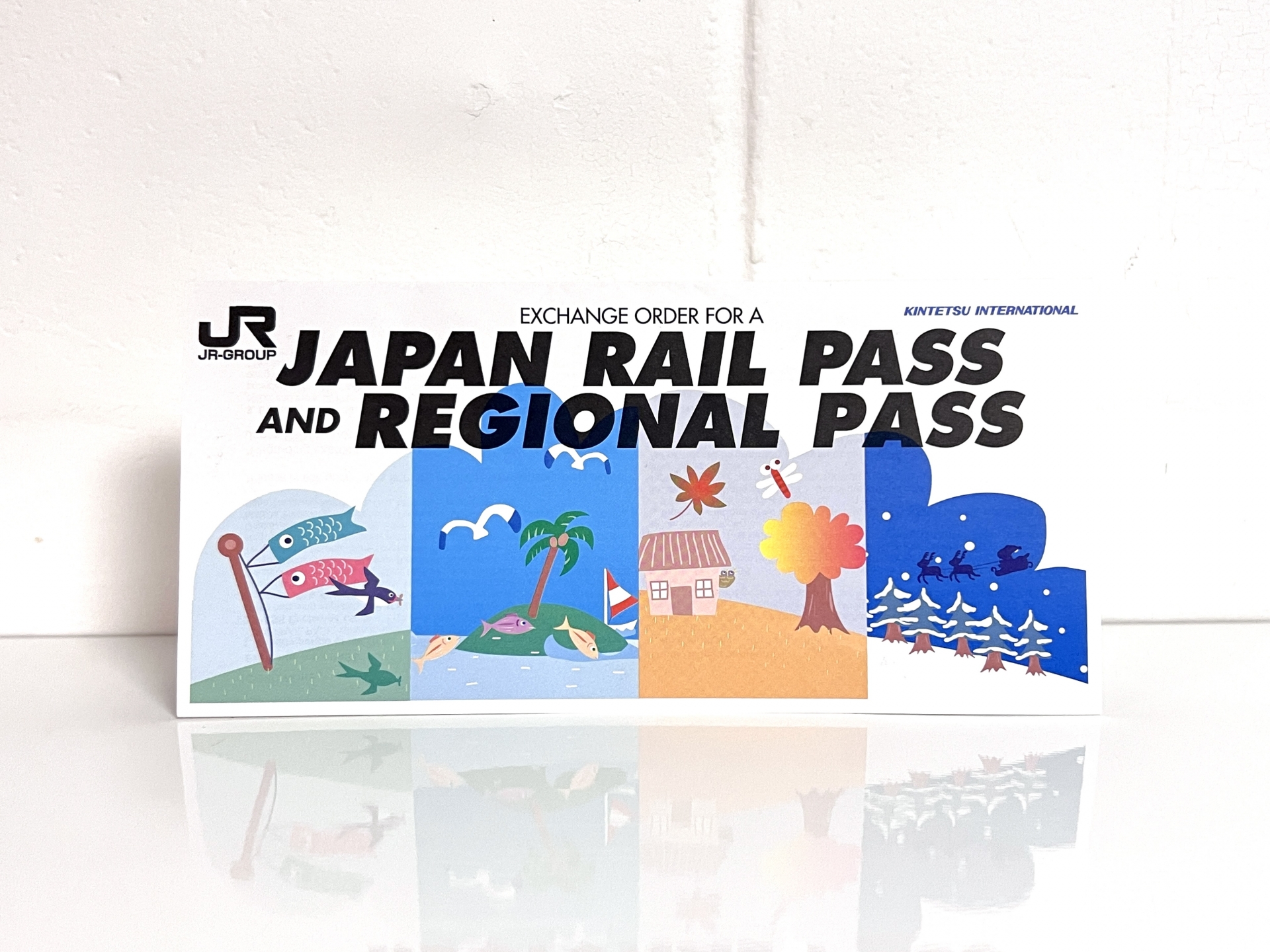
I remember the days when a 7-day JR Pass cost about the same as a round-trip between Tokyo and Kyoto. It was a no-brainer! But standing here in 2026, the 7-day National Pass will set you back around 50,000 yen. Let’s do the math I wish I’d done before my last trip. A reserved seat on the Shinkansen from Tokyo to Kyoto is roughly 14,500 yen. Double that for a return trip, and you’re at 29,000 yen. Even if you add a day trip to Nara or Osaka, you’re still only around 33,000 yen. If you bought the pass, you just handed the railway company 17,000 yen for absolutely nothing! That’s what I call the 'Convenience Trap.' I’ve talked to so many travelers in Shinjuku Station who are holding that expensive piece of cardstock and realized halfway through their trip that they can’t even break even. Plus, in 2026, the 'Smart EX' app for individual tickets is so much better than it used to be. I can book my seats on my phone while I’m having breakfast and get an 'early-bird' (Hayatoku) discount that the JR Pass can’t touch. I’ve found that by booking these individual digital tickets via a portal like Klook
Savvy Choice
Klook Rail Booking Portal
I use Klook to buy individual Shinkansen tickets or regional passes. It bypasses the payment issues on local apps and gives me instant QR codes.
Secure My Digital Tickets
, I get my QR codes instantly and don't have to spend my first hour in Japan standing in a hot basement waiting for a physical exchange voucher. The real freedom in 2026 isn't a pass—it's having the right digital tools on your phone.
The 'Hidden' Cost of the Nozomi Supplement
Here’s the part that really gets me: even after paying 50,000 yen, the National Pass doesn't let you on the fastest 'Nozomi' or 'Mizuho' trains without a surcharge! In 2026, the Nozomi runs every few minutes, while the slower trains you're allowed to use might only come twice an hour. I tried the 'Hikari only' challenge last week and spent an extra 90 minutes waiting on platforms just to 'justify' my pass. It felt like I was paying more to wait longer. If you want the fast train, you have to pay a supplement of nearly 5,000 yen *per leg*. At that point, your total cost balloons to 60,000 yen. It’s a classic sunk-cost fallacy that savvy travelers are finally ditching.
The Strategic Shift: When the Pass is Still a Winner
Now, I don't want you to think the JR Pass is completely dead. It’s just moved from a 'general hack' to a 'specialist tool.' In my 2026 travels, I only recommend the National Pass if you are what I call a 'Voyager'—someone who is basically living on a train for a week. If you’re starting in Tokyo, heading to Kyoto, then Hiroshima, then all the way up to Kanazawa, and back to Tokyo in 7 days, then YES, the pass is incredible value. I did a 'mileage density' run last year where I visited five cities in seven days, and the pass saved me a fortune. It’s also great for that psychological peace of mind. I sometimes enjoy knowing I can just walk into any station and know my travel is 'pre-paid.' But for most of us who want to actually *see* the cities we visit for more than 48 hours, the math just doesn't work. For the more relaxed trips, I’ve switched to a 'Regional Stack' strategy. For example, I’ll book my Tokyo-Kyoto ticket individually and then use a regional 'Kansai-Hiroshima' pass for the local area exploration. I found that I could stay in a much higher-quality hotel with the money I saved on transport
Logistics Pro
Expedia Station-Link Hotels
When I'm moving between cities, I stay near Tokyo or Shin-Osaka stations. I use Expedia to find the best spots that save me from long commutes.
Find Strategic Rail Hotels
. It’s about being a 'Logistical Architect' of your own journey. The 2026 traveler wins by being surgical, not by going unlimited. If you aren't crossing more than 400km every other day, keep your 50,000 yen and spend it on experiences instead.
The 2026 Comparison: My Personal Value Breakdown
To make this really clear, I’ve put together a breakdown based on the current 2026 prices I’m seeing at the ticket machines versus the National Pass cost. The values have stabilized now, and you can see exactly where the 'break-even' point sits. For most of you reading this who are doing the Tokyo-Kyoto-Osaka loop, you are almost always better off going point-to-point. You’ll save money, you’ll have access to the faster trains without surcharges, and you’ll have more flexibility in your schedule. I’ve reached a point where I view the National JR Pass as a specialty tool for the 'Shinkansen Enthusiast' rather than the average explorer. Let's look at the numbers for 2026.
| Shinkansen Route | Individual 2026 Price | Blogger's Savvy Strategy |
|---|---|---|
| Tokyo to Kyoto (Return) | ~29,000 yen | Individual tickets are 100% better |
| Tokyo to Hiroshima (Return) | ~39,000 yen | Still cheaper to buy point-to-point |
| Full Golden Route + Nara | ~34,000 yen | Save your 16,000 yen for dinner! |
| Tokyo -> Osaka -> Hiroshima -> Kanazawa -> Tokyo | ~58,000 yen | Finally! The JR Pass is a Winner |
| Tokyo to Hokkaido (One Way) | ~24,000 yen | Consider a low-cost flight instead |