The Reality Check: Why Romanized Names Won't Save You
I’ll never forget the time I tried to get to a tiny, secluded shrine in the hills of Wakayama. I kept saying the name in my best 'textbook' Japanese, but the driver just tilted his head, giving me that polite but confused look we all dread. The truth is, many rural drivers are older and are much more comfortable with Kanji than the Romanized (Romaji) spelling we see on our itineraries. Even in 2025, the 'language barrier' isn't just about speaking; it's about how information is presented. If you show a driver a name like 'Houshou-in,' they might not recognize it instantly, but show them the Kanji '宝勝院' and their eyes light up immediately. This is why I always make sure I have a solid data connection the moment I land. Having a reliable eSIM or pocket Wi-Fi is the absolute foundation for any rural exploration.
Travel Essential
Japan Travel eSIM
Essential for looking up Kanji addresses and using maps in real-time while in the taxi.
Get Your eSIM Here
It allows you to pull up the Japanese spelling of any destination in seconds, which is a total game-changer for your peace of mind. Beyond just the spelling, having live data means you can use Google Lens to translate physical signs or menus on the fly. In the deep countryside, English signage is still a luxury, not a standard. I've spent hours wandering through the Kiso Valley and Tohoku, and I can tell you that being able to show a driver a high-resolution image of a Kanji address is the difference between a 10-minute ride and a 40-minute headache. Most drivers in these areas are local legends who know every backroad, but they think in characters, not the Latin alphabet. When you provide the Kanji, you're speaking their primary visual language. It's a small step that builds immediate rapport and trust. Plus, it shows you've done your homework, which usually results in the driver being even more helpful, perhaps even pointing out a local 'secret' spot along the way that isn't on any tourist map.
My 'Show, Don't Tell' Philosophy
Honestly, I stopped trying to explain my destination verbally years ago. Now, I use the 'Visual Hand-off.' I open Google Maps, find the place, and then tap the 'address' section which usually shows the Japanese text. I also zoom in so the driver can see the surrounding landmarks. To be fair, most drivers are experts on their local 'shimaguni' (island nation) terrain, but they navigate by landmarks and neighborhood blocks rather than street names. If you’re heading to a specific hotel or a hidden ryokan, I highly recommend booking your stay through a platform that provides the address in the local language in your confirmation.
Top Choice
Authentic Ryokan Stays
Book your rural stay and get clear Japanese addresses for your driver.
Find Your Ryokan
I usually take a screenshot of that address so I don't even have to worry about a signal drop when I'm deep in the mountains. This visual approach bypasses the stress of pronunciation entirely. Japanese is a pitch-accent language, meaning a slight change in tone can change the meaning of a word. By showing the screen, you eliminate the risk of being misunderstood. I've also found that showing a photo of the building's exterior helps immensely. Many rural ryokans have distinctive gates or thatched roofs that drivers recognize instantly. Another pro move is to have the phone number of your destination ready. Most Japanese GPS systems in taxis allow drivers to input a phone number to find the exact location. This is often more accurate than a street address in rural areas where numbering can be chaotic. If you have the number, just point to it on your screen and say 'Denwa bango' (phone number). You'll see the driver nod, punch it into the dash, and you're on your way. It’s about creating a frictionless experience for both of you. The less you have to struggle with words, the more you can enjoy the stunning scenery of the Japanese countryside rolling past your window.
The Magic of the Business Card Hack
Here is a savvy tip I learned the hard way after getting dropped off at the wrong 'Izakaya' in a snowstorm in Hokkaido. Every time you leave your hotel or a restaurant, grab their business card from the front desk. These cards almost always have a small map and the address in Japanese. When you're ready to head back, you just hand the card to the driver. No talking required! It’s the ultimate 'I’ve been there' move. In the countryside, destinations like 'the big cedar tree' or 'the old bridge' might have three different locations nearby. Having that physical card or a clear digital pin removes all the guesswork and the fear of the meter running up while you're both confused. I call this the 'Return to Base' strategy. It’s especially useful if you’ve spent the day hiking or exploring a remote village and your phone battery is running low. A physical card never runs out of juice. I keep a small pouch in my daypack specifically for these cards. By the end of a trip, it’s like a little collection of memories, but during the trip, it’s my safety net. On top of that, if you find a driver you really like—someone who is patient and knows the area well—you can ask for *their* business card. Many rural taxi drivers are independent or work for small local fleets. If you're planning to visit a remote temple the next day, you can have your hotel call that specific driver for you. It builds a connection, and they’ll often be waiting for you with a smile. This level of personalized service is what makes rural Japan so special. You aren't just a fare; you're a guest in their hometown. Using the business card hack also helps avoid the 'lost in the neighborhood' loop. Rural addresses are often based on when a building was constructed, not its physical order on the street. A driver might know the general area but not the specific house. The map on the back of a business card is designed specifically to solve this problem for locals and tourists alike.
2025 Tech vs. Old School Manners
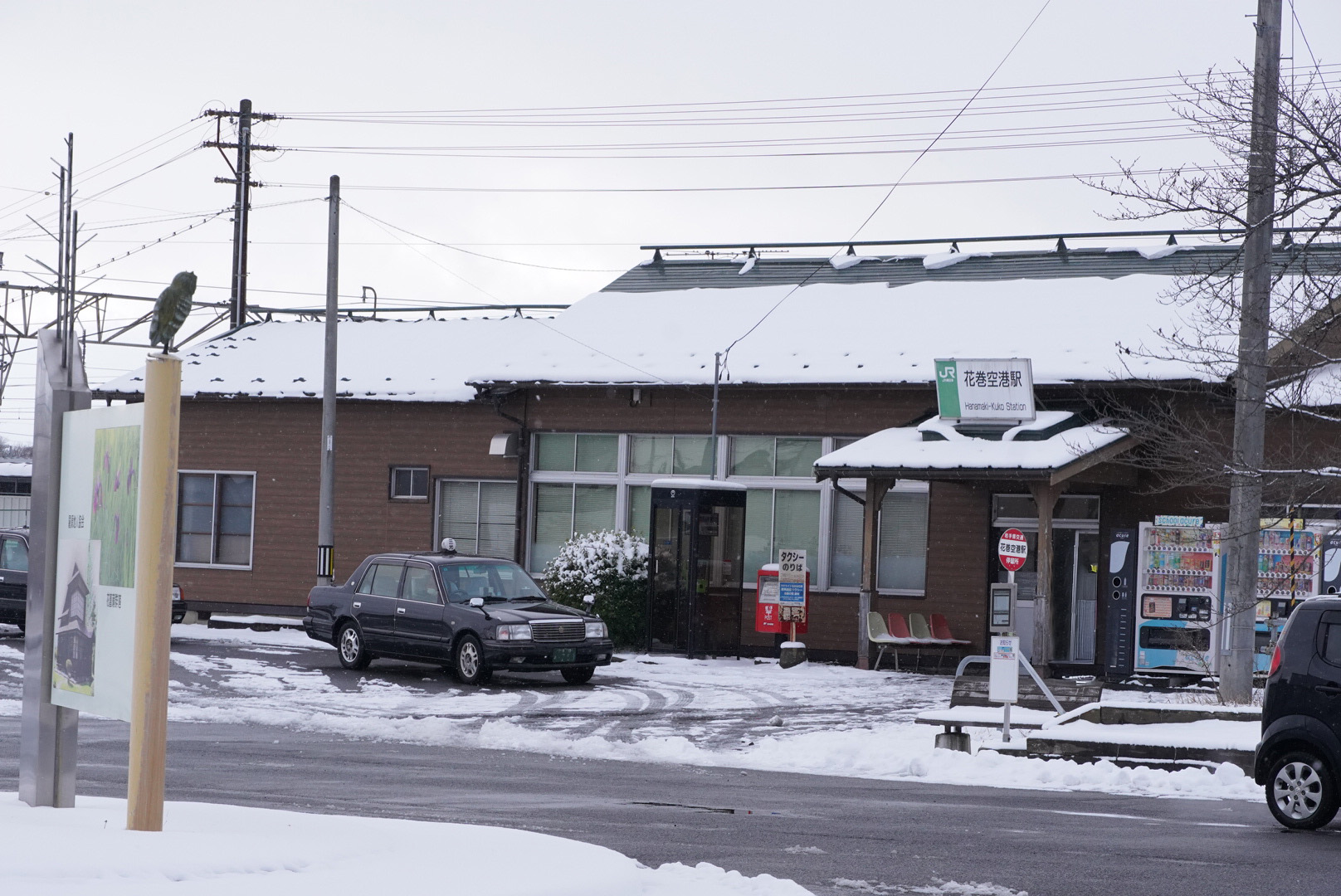
While apps like 'GO' and 'S.Ride' are expanding across Japan, they still have 'dead zones' in the deep countryside. I’ve found that in places like rural Shikoku or Tohoku, you still have to hail a taxi the old-fashioned way or ask a shopkeeper to call one for you. If a local calls for you, they'll usually tell the driver where you're going, which is a huge relief. When you do get in, remember that the left rear door is automatic—don't try to pull it shut! It sounds small, but starting the ride with proper etiquette puts the driver at ease. I also keep a small 'cheat sheet' in my Notes app with phrases like 'Koko made onegaishimasu' (To this place, please). It’s not about being fluent; it’s about showing you’re trying. In 2025, most taxis in mid-sized towns will accept credit cards or IC cards (like Suica), but the further you go into the 'inaka' (countryside), the more you'll need cold, hard cash. I always make sure I have at least 5,000 to 10,000 yen in smaller bills. Handing a driver a 10,000 yen note for a 1,200 yen ride is a bit of a faux pas if they don't have much change. Another thing to keep in mind is the 'Taxi Stand' culture. In many rural towns, you can't just hail a cab on any street corner. You usually need to go to the designated stand outside the train station or a major landmark. If there are no taxis there, look for a phone on a pole—often these are direct lines to the local taxi dispatch. If you're at a restaurant, don't be shy about asking the staff 'Takushi o yonde kudasai' (Please call a taxi). They are usually more than happy to help, and they can give the driver the exact name of the shop, ensuring they find you without issue. This blend of high-tech preparation and old-school manners is the secret sauce to a smooth trip. It respects the local culture while using modern tools to bridge the gap. You'll find that once the initial 'how do we communicate' hurdle is cleared, rural drivers are some of the most hospitable people you'll meet, often sharing stories about their town's history or the best place to get seasonal fruit.
| Tool | Best For... |
|---|---|
| Google Maps | Visual route and Japanese address display |
| Hotel Business Card | Getting back to your base without any fuss |
| Translation Apps | Explaining specific needs (e.g., 'stop here') |
| Taxi Apps (GO/Uber) | Booking in mid-sized rural cities |