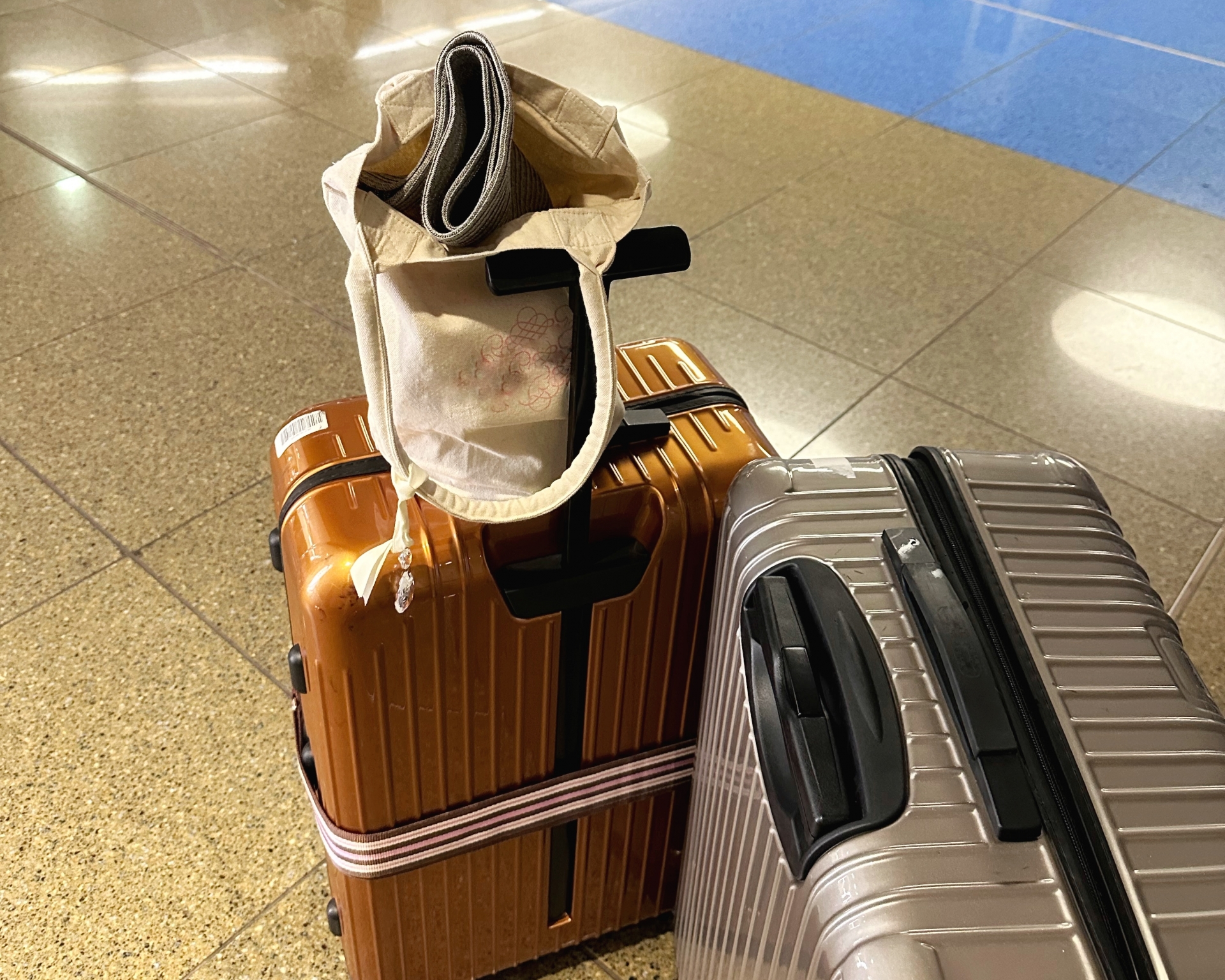
The 'Zombie Walk' Truth: Why I Ship My Bags Immediately
I’ll never forget my first landing at Haneda. It was 5:30 AM, I’d had about two hours of patchy sleep, and I was convinced I could just 'power through' with my 25kg suitcase. Big mistake. Within twenty minutes of hitting Shinjuku Station, I was sweating, frustrated, and blocking the path of a thousand commuters in the middle of the morning rush. The truth is, Japan’s stations are architectural marvels, but they are not designed for a sleep-deprived tourist dragging a 'checked-bag' sized monster during peak hours. Now, I have a strict rule: the moment I clear customs, I head straight for the Hands-Free Travel counters. These luggage delivery services, often called Takkyubin (look for the iconic black cat logo of Yamato Transport), are the ultimate life hack. For a small fee—usually ranging from approx. 2,500 to 4,000 yen depending on the size and destination—they will whisk your bags from the airport directly to your hotel lobby. You don't even have to think about them until you check in that evening. It frees you up to grab a coffee, hop on the train, and actually see the city without feeling like a pack mule.
Traveler's Choice
Klook Luggage Services
The easiest way to book airport-to-hotel delivery or secure storage in advance so you can skip the lines.
Book Luggage Delivery
I’ve found that the mental relief of not having to hunt for an oversized coin locker—which are almost always full by 10 AM at major hubs—is worth every single yen. If you're arriving at Narita, the service is just as seamless. Just look for the signage with the 'Hands-Free' logo. It’s the difference between starting your vacation in a state of high stress and starting it with a light, breezy walk through a Tokyo park. Plus, in 2025, many of these counters now allow you to pre-book via QR codes, making the drop-off take less than three minutes. Trust me, your back and your sanity will thank you when you're navigating the stairs of a local subway station later that morning.
The Coin Locker Gamble
If you decide to keep your bags, know that coin lockers are a competitive sport in Japan. The 'Large' lockers that fit suitcases disappear by 9 AM at major hubs like Tokyo Station or Osaka-Umeda. I’ve spent way too many hours circling the basement of stations looking for a yellow light. If you must use them, have your IC card (like a Welcome Suica or Pasmo Passport) ready, as many modern lockers in 2025 don't even take physical coins anymore! You can check locker availability on various local apps now, but even then, it's a gamble I rarely take with a full-sized suitcase.
How I Spend the 'Gap Hours' Without Losing My Mind
So, your bags are gone, but you still have eight hours until your room is ready. What now? My favorite savvy move is the 'Sento' or public bath reset. Many traditional baths and even modern 'Super Sentos' like Thermae-yu in Shinjuku open early or stay open 24 hours. There is nothing—and I mean nothing—that cures jet lag better than a long soak in hot mineral water and a quick nap in a relaxation lounge. It completely resets your body temperature and washes off that 'airplane grime.' If the bathhouse isn't your vibe, I highly recommend looking for 'Day Use' plans at hotels near major stations. Sometimes you just need a real bed for three hours to survive the day. I often check for these short-stay options on booking platforms to bridge the gap between my 6 AM landing and my 3 PM check-in.
Best Prices
Expedia Hotel Search
Perfect for finding 'Day Use' hotels or booking a room for the night before to ensure 6 AM access.
Find Tokyo Hotels
Another pro tip: head to a 'Family Restaurant' like Jonathan’s, Gusto, or Denny’s. Unlike the tiny boutique cafes where you might feel pressured to leave, these places are spacious, have 'drink bars' with unlimited coffee and tea, and won't mind if you linger for an hour while you plan your afternoon. It’s my go-to spot for a cheap, hearty breakfast and a chance to recharge my phone and my brain before the museums open at 10 AM. By the time you leave, the city is fully awake, and you've already had a meal, a shower, and a nap, putting you miles ahead of the other 'zombies' coming off your flight. You can then spend the midday hours visiting a quiet shrine like Meiji Jingu, which is actually at its most beautiful and peaceful before the afternoon crowds arrive.
The Truth About Logistics: Your First Day Comparison
Choosing how to handle your first few hours depends on your budget and your energy levels. I’ve tried every combination, and while the hotel drop-off is technically 'free,' it often costs you significant time and energy. Dropping bags at the hotel means traveling to your accommodation twice—once to drop the bags and once to check in. If your hotel is out in a residential area or a 15-minute walk from the nearest station, that’s two hours of transit you could have used for sightseeing. Here is how the options usually stack up in my experience for a typical 2025 trip.
| Method | Effort Level | Best For... |
|---|---|---|
| Airport Delivery | Zero Effort | Heavy luggage & long transit |
| Hotel Drop-off | Medium Effort | Budget travelers staying near hubs |
| Station Lockers | High Effort | Day-trippers or small carry-on bags |
| Early Check-in | Variable | Those willing to pay for the night before |