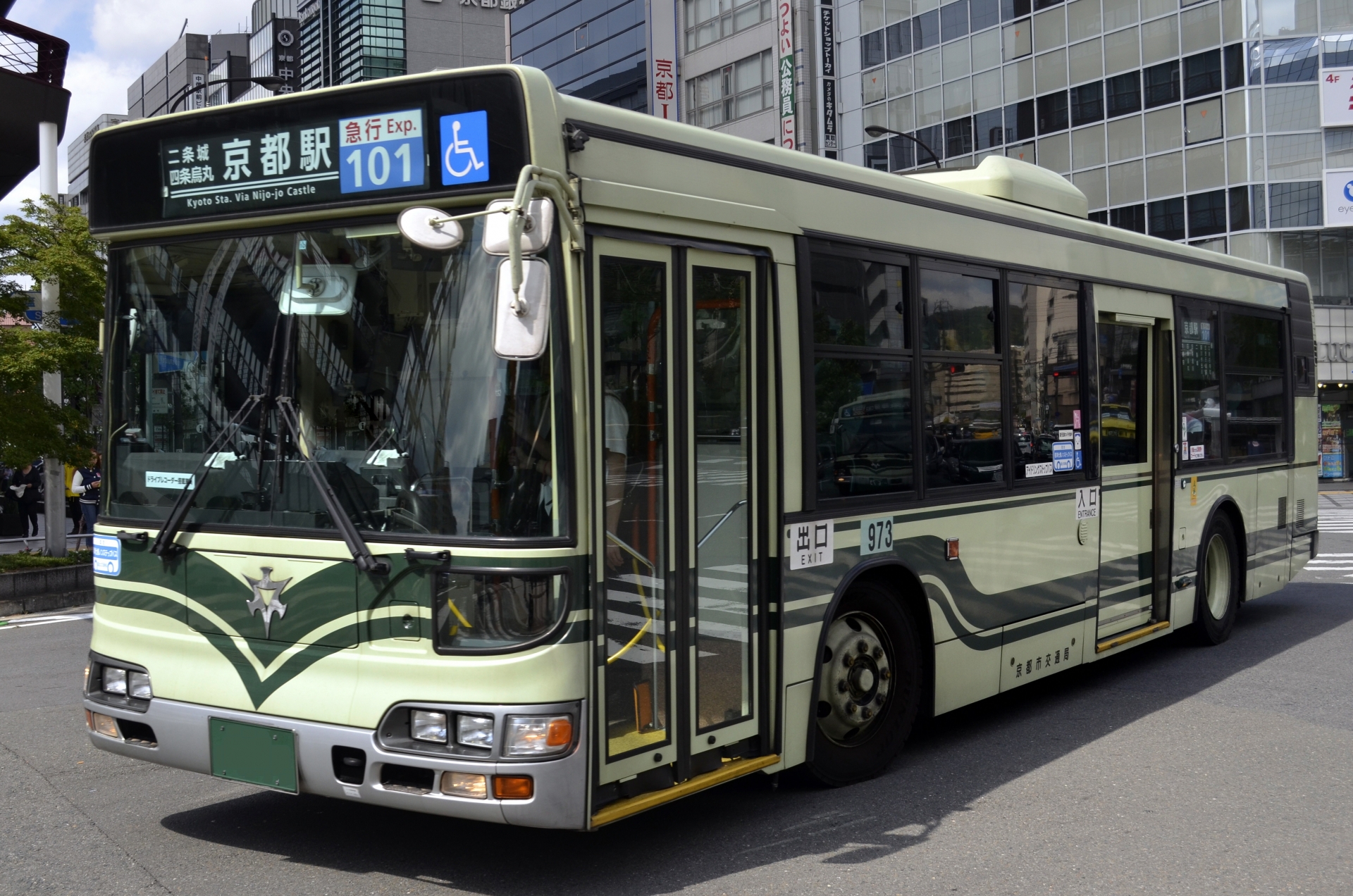
The Great Door Dilemma: Front or Back?
I'll be honest with you—nothing makes me feel more like an amateur than trying to enter a bus through the 'Exit' door. In Japan, the rules aren't unified nationwide, which is why it's so confusing. In central Tokyo, you’ll usually find the 'Maenori' (Front-entry) system. You hop on at the front, pay a fixed price—around 230 yen, about the cost of a nice snack—and then exit through the middle once you reach your stop. It’s fast and transactional. But the moment you head to Kyoto or more rural spots, everything flips! There, you enter through the middle or rear door (Atonori) and pay when you leave from the front. I’ve accidentally blocked the line in Kyoto more than once because I forgot this. 2026 has brought some high-speed express loops in tourist zones that allow boarding from both doors, but the binary rule usually sticks. My secret savvy move? I always check the side of the bus as it pulls up. If the middle door opens first, that's your cue to enter there. I also make sure my mobile Suica is ready on my phone before the bus even arrives. If you haven't set up your digital card yet, I highly recommend grabbing one through a portal like Klook
Savvy Traveler Top Pick
Digital Suica Setup
I use this for every bus ride to avoid the 'Numbered Ticket' confusion. Having your pass on your phone is the most 'savvy' way to travel in 2026.
Secure Your Digital IC Card
so you can skip the whole 'fumbling for coins' drama entirely. It makes that transition from the subway to the bus feel like one seamless motion.
The 'Sightseeing Express' Exception
In 2026, some major cities have introduced special 'Blue Buses' just for tourists. These often have a flat fare and allow you to enter from the front even in 'distance-based' cities like Kyoto. I love these because they often have extra space for bags and English-speaking AI helpers on boards. If you see a bus with a big 'Sightseeing' badge, just head to the front door and tap your phone—it’s the easiest way to travel!
The Magic of the 'Double Tap' and Numbered Tickets
For those long-distance rides where the price changes as you go, you’ll encounter the 'Seiri-ken' or numbered ticket system. If you aren't using a digital card, you have to pull a little paper slip from a machine at the entrance. That slip has a number on it, and you'll see a digital screen at the front of the bus that looks like a stock market ticker—prices for each number go up as you drive along! It used to stress me out trying to match my ticket to the screen. But in 2026, the screens are beautiful, high-def, and in perfect English. If you’re using your phone (which I strongly recommend!), you have to do what I call the 'Double Tap'. You tap your phone on the reader when you board at the middle door, and then tap it *again* at the front when you leave. This tells the computer exactly where you started and where you ended. If you forget to tap when you get on, the machine at the exit will throw a fit because it doesn't know how much to charge you! I’ve seen locals calmly explain their starting point to the driver, but for us travelers, it’s much easier just to develop the 'tap-tap' habit. I tell my readers: think of it as checking in and checking out. It’s the ultimate way to ensure you're only paying for the distance you actually traveled, rather than the full route fare.
Paying the Way in 2026: Tap, Tap, Done
The payment landscape in 2026 is such a relief compared to a few years ago. Now, most buses in major travel hubs accept 'Open Loop' payments—that’s just a fancy way of saying you can tap your Visa, Mastercard, or Amex credit card directly on the reader. No more hunting for a Suica kiosk if your balance is low! But a word of caution from my own experience: rural buses still love their 'Strategic Small Change'. Most on-board machines will only break a 1,000 yen bill. If you've only got a 5,000 or 10,000 yen bill, you’re going to be in for a very awkward conversation with the driver. I always keep a few 1,000 yen bills in my pocket just in case. Also, if you’re doing heavy sightseeing in Kyoto, I’ve found that staying at a hotel near the main station is a total life-saver
Logistics Pro
Expedia Kyoto Station Hotels
I always search for hotels near the Kyoto Station North Exit. It’s the main hub for every bus line in the city and makes navigation so much easier.
Find Best-Located Hotels
. It gives you access to the 'hub' bus terminals where the signage is best and the drivers are very used to helping international visitors. By using a combination of your mobile wallet for city rides and your credit card for the longer regional treks, you’ll be navigating the Japanese roads with total confidence. Just remember: wait until the bus comes to a complete stop before you stand up! It’s a point of etiquette (and safety) that the drivers take very seriously in 2026.
| Bus Type | Boarding Logic | Payment Strategy |
|---|---|---|
| Tokyo/City Loop | Front Door Entry | Flat Fare (Tap once at front) |
| Kyoto/Regional | Middle Door Entry | Double Tap (Boarding & Exiting) |
| Highway Bus | Front Door Entry | Pre-booked Digital Ticket |
| Rural Village Bus | Middle Door Entry | Cash/1,000 yen Bill Fail-safe |