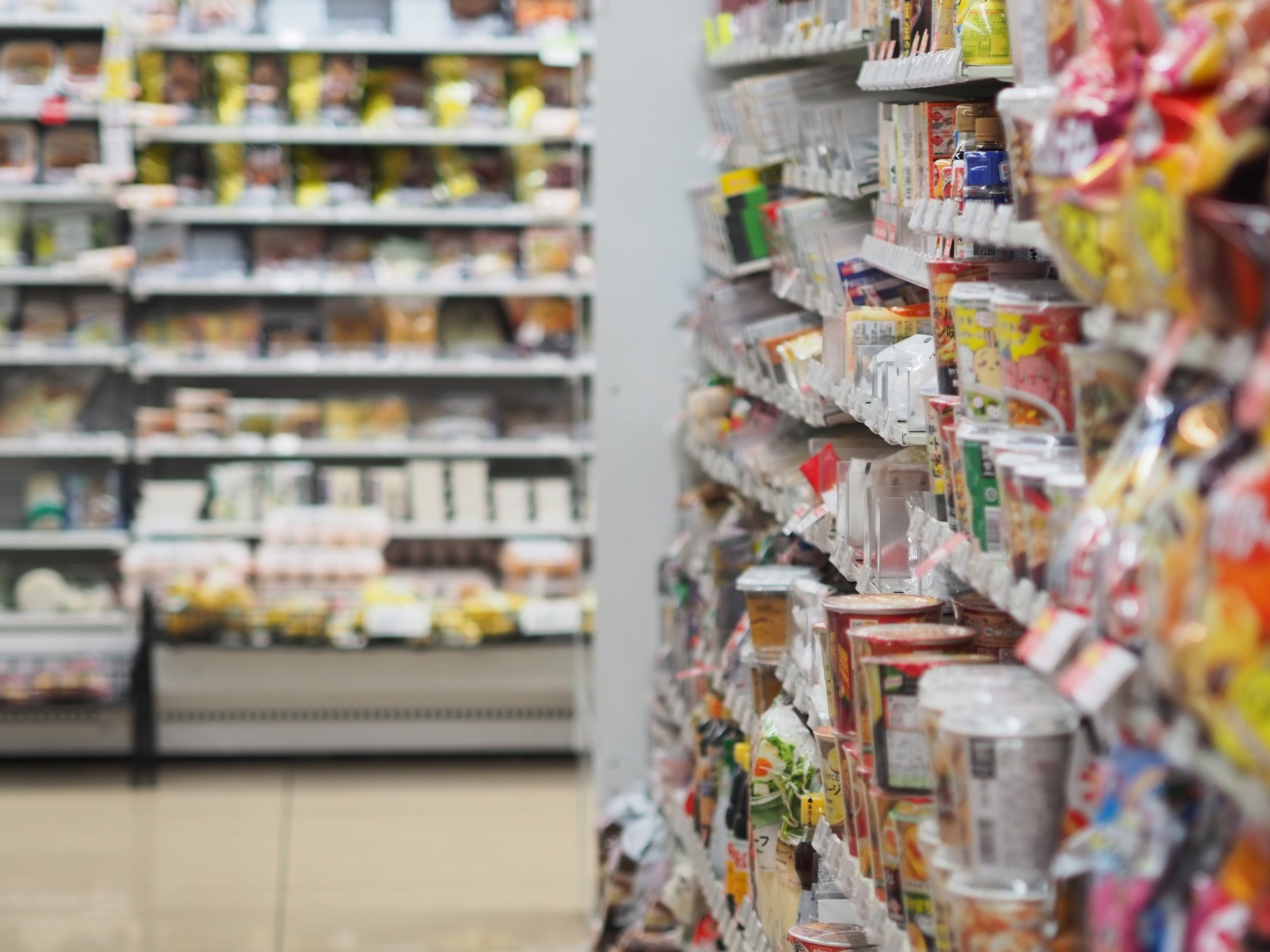
The Seasoning Minefield: Decoding the 'Hidden' Sugars
I tel my friends: the hardest part of shopping in 2026 Japan isn't the complex kanji, it's the 'fake' seasonings. I used to buy 'Mirin-fu' thinking it was real Mirin, only to discover it’s basically corn syrup with a drop of rice wine flavor! To be a savvy 2026 traveler, you need to look for 'Hon-Mirin' (True Mirin). The same goes for Soy Sauce (Shoyu). In the standard aisles, 70% of the bottles are 'Dashi-Shoyu' filled with MSG and sugar. For a clean gut, you want 'Marunama Shoyu' (whole bean). I’ve learned that the secret is in the ingredient count. If it has 3 items, it’s gold; if it has 10, it’s industrial. To truly master these aisles, I highly recommend joining a culinary tour that focuses on local markets
Savvy Choice
Klook Tokyo Organic Food Tour
I take this tour to learn the secret spots for additive-free ingredients and to see how the pros read the kanji. It’s a literal lifesaver for my gut!
Join the Foodies
. It’s how I finally learned to distinguish between 'Hon-jozo' (traditionally brewed) and chemical mixtures. In 2026, many labels are AI-friendly, so I use my high-speed data to run a quick scan. If the translator shows 'Amino-san,' put it back—it’s just a sneaky word for MSG! My rule is that if I wouldn't cook with it in my own kitchen back home, I don't buy it here. By sticking to raw, traditional seasonings, you get the real umami that Japanese cuisine is famous for, without the brain fog from processed additives. It’s a total game-changer for your energy levels while traveling!
The 'Mutenka' (Additive-Free) Truth
In 2026, 'Mutenka' is everywhere, but be careful! It usually just means 'No MSG,' but it doesn't mean 'No Sugar' or 'No High Salt.' I’ve learned to always flip the jar over and check for 'Budoto' (Glucose) or 'Kaito' (Syrup). The most honest products usually have a simple, rustic label—the flashy packages are usually the ones hiding the chemicals.
Strategic Shopping: My 2026 'Clean' Store Hit-List
Not all supermarkets in Japan are created equal. If I’m in a hurry, I’ll head to a neighborhood 'Life' or 'Aeon,' but if I want to eat like a wellness pro in 2026, I head to the specialist stores. 'Bio c' Bon' and 'Natural House' are my sanctuaries. They are like a curated dream of everything organic, gluten-free, and additive-free. Everything is clearly marked with the JAS Organic seal. If I'm staying in a major hub like Shinjuku or Ginza, I always search for 'Seijo Ishii.' It’s a bit more upscale, but they source incredible domestic ingredients that you won't find at the discount chains. My biggest pro-traveler tip? Book an apartment hotel or a suite with a full kitchenette through Expedia
Logistics Pro
Expedia Kitchenette Suites
I never stay in a standard hotel if I want to eat clean. I always search for 'Apartment' styles to get my own kitchen for supermarket hauls.
Secure My Private Kitchen
. Having a stovetop and a real fridge lets me take these amazing local ingredients—like grass-fed 'Jidori' chicken or single-origin Miso—and turn them into a $100-quality meal for a fraction of the price. In 2026, even the basement of department stores (Depachika) like Isetan have massive 'Bio' sections now. It’s where I find my fresh wasabi root and organic sea salt. Yes, it’s a bit pricier, but you’re getting the highest nutrient density Japan has to offer. I’d rather spend my budget on incredible, chemical-free food that keeps me moving than on expensive medical bills because I ate processed bento boxes for two weeks!
The 2026 Tech Advantage: Using AI to Scan Your Labels
The 2026 traveler has a superpower: AI-vision. I use my phone's camera to translate labels in real-time, and it's saved me from so many accidental gluten and sugar exposures! But you still need to know what to look for. In the produce section, I scan for 'Yuki' (Organic) and 'Tennen' (Wild-caught). In 2026, many labels now have QR codes that tell you exactly which farm your carrots came from! It’s the peak of transparency. I’ve put together a quick table below of the 'Good' and 'Bad' kanji I look for at the register. I’ve noticed that if I stick to the 'Shun' (in-season) items, the nutrition is so much higher and I don't need any artificial flavorings. For example, in the fall, I buy 'Sanma' (mackerel pike), and it's so fatty and rich it doesn't even need oil to cook! My final savvy blogger advice? If you're overwhelmed, head to the 'Bio-ral' section—it’s a special organic sub-brand found in many large Life supermarkets. It’s the easiest, most stress-free way for a non-Japanese speaker to shop healthy without the guesswork. In 2026, Japan is becoming a 'Clean Label' leader, and by using these tools, you can join the revolution and feel amazing every single day of your trip.
| Category / Item | My Savvy 'Buy' Choice | The Blogger's Truth |
|---|---|---|
| Soy Sauce (Shoyu) | Hon-jozo (Authentic) | Avoid anything listing 'Amino-san' (MSG). |
| Mirin (Sweetener) | Hon-Mirin (Traditional) | Avoid 'Mirin-fu'—it's just syrup and chemicals! |
| Cooking Oils | Na-tane-yu (Cold-pressed) | Avoid 'Sarada-yu' (Veggie oil)—it's highly processed. |
| Yogurt / Milk | Teion-shakkin (Low temp) | Tastes better and keeps much more nutrition. |
| Snacks | Unsalted Nuts / Seaweed | Japanese rice crackers often hide palm oil and sugar. |