The Reality of Yatai Hygiene: Behind the Steam
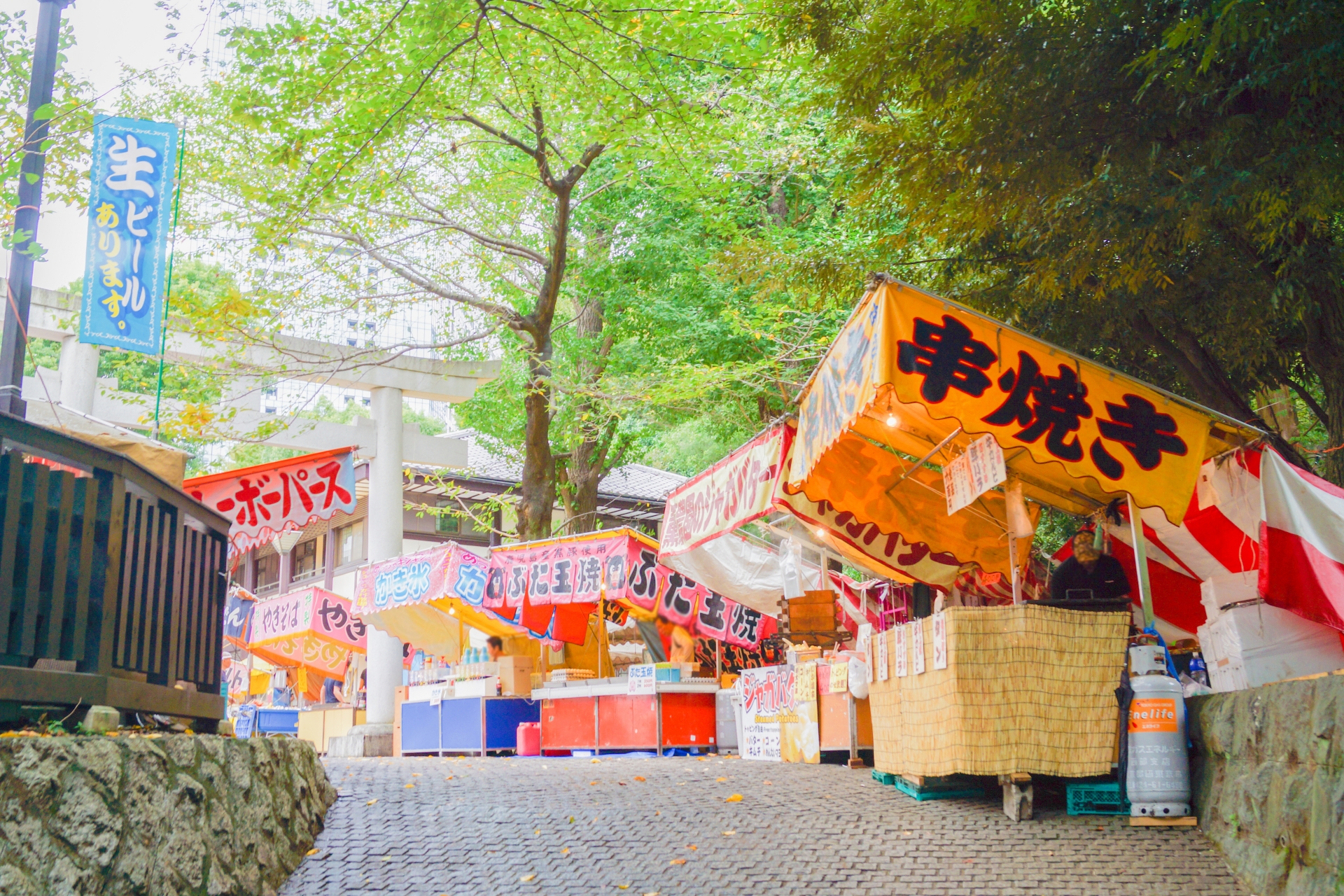
When you first step into a bustling 'Matsuri' (festival) in Tokyo or Osaka, the sensory overload is real. You've got the smoke from yakitori grills, the rhythmic shouting of vendors, and the sight of food being prepared in what looks like a makeshift tent. For many international visitors, especially those from regions with hyper-regulated indoor dining, this can trigger a bit of 'hygiene anxiety.' The reality is that Japan’s 'temporary' food stalls are far from lawless. Every single vendor operating a Yatai or a festival stall must obtain a permit from the local Health Center (Hokenjo). This isn't just a formality; it involves strict guidelines on water storage, food temperature, and waste management. You’ll often see a small, laminated license tucked away near the back of the stall—that’s your first sign of credibility. In 2025, the standards have only tightened. Most vendors now use high-grade sanitizers and are very conscious of 'cross-contamination' in terms of basic bacteria. You’ll notice that many stalls have a dedicated person for handling money while another handles the food, or they use ticket machines to keep hands clean. If you're feeling hesitant, watch the vendor for a minute. Do they use tongs? Are they keeping the raw meat strictly separated from the cooked pile? Usually, the answer is a resounding yes. The high turnover at these festivals is actually your best friend. Because the crowds are so large, the food doesn't sit around; it goes from the grill to your hand in minutes, which is the gold standard for food safety. To stay connected and look up stall reviews or translate signs on the fly, having a reliable data connection is non-negotiable.
Travel Essential
Japan eSIM / Pocket WiFi
Essential for real-time translation and checking ingredient lists on the go.
Check Connectivity Options
This ensures you can quickly check if a specific festival area is known for high-quality vendors. Beyond the permits, there is a deep-seated cultural pride in cleanliness. You will rarely see a vendor with a messy workstation. Even in the heat of summer, they manage to keep ingredients iced and surfaces wiped down. Another thing to watch for is the 'open kitchen' nature of these stalls. Unlike a restaurant where the kitchen is hidden, here everything is on display. If a vendor were cutting corners, the public would see it immediately. This transparency acts as a natural deterrent for poor hygiene. If you see a stall where the chef is wearing a clean 'hachimaki' (headband) and an apron, and they are moving with precision, you are likely in very safe hands. Don't let the 'street' aspect fool you; the level of professionalism often rivals that of permanent establishments. It's also worth noting that in 2025, many festivals have improved their infrastructure, providing better access to clean water for vendors and more frequent waste collection, which further reduces the risk of any hygiene issues.
Spotting a High-Standard Stall
Look for stalls where the grill is visible and the food is cooked to order. Avoid 'pre-packaged' items sitting in the sun. A busy stall with a line isn't just a sign of good taste; it’s a sign that the ingredients are being replenished constantly. Also, don't be afraid to look at the vendor's hands—most professional Yatai owners in Japan take immense pride in their 'Omotenashi' (hospitality) and maintain a very tidy workspace despite the cramped conditions. Remember to double-check official festival websites for the latest hours and any specific health advisories.
The Allergy Minefield: Navigating Hidden Ingredients
This is where the challenge really lies for the international traveler. In a standard Japanese restaurant, you might find a QR code menu with allergen filters. At a street stall, you’re lucky if there’s a handwritten sign in chalk. The biggest hurdle isn't just the language; it's the 'hidden' ingredients. For example, 'Dashi' (fish stock) is the backbone of Japanese cuisine and is found in everything from Takoyaki batter to the sauce on your Yakisoba. If you have a severe fish or shellfish allergy, you have to be extremely cautious because even 'meat' dishes might have been brushed with a sauce containing bonito flakes. Similarly, soy and wheat are ubiquitous. In my experience, the best approach is 'radical transparency.' Don't just ask 'Is this safe?'; be specific. Use a printed 'Allergy Card' that lists your allergens in Japanese characters (Kanji). This is much more effective than trying to pronounce the words yourself, as Japanese phonetics can be tricky. In 2025, many travelers are using real-time AI translation, but showing a clear, physical card to the chef usually gets a much more focused response. They will often tell you honestly if they can't guarantee safety due to shared grill space. This honesty is a hallmark of Japanese service—they would rather lose a sale than risk your health. If you're looking for a place to stay that's close to the best food districts so you can easily retreat if you're feeling overwhelmed, checking out local hotel options is a smart move.
Best Locations
Top-Rated Hotels in Foodie Districts
Stay close to the action in Tokyo, Osaka, or Kyoto with easy access to festivals.
Find Your Hotel
Many hotels in areas like Asakusa or Gion are very used to helping guests with dietary questions. On top of the language barrier, you should be aware of 'cross-contact' on the grill. Many stalls cook multiple items on the same flat top. If you have a life-threatening allergy to something like shrimp, and they are cooking 'Ebi-yaki' next to your chicken, the risk is real. Always point to your card and then point to the grill to ask about shared surfaces. Most vendors will understand the gesture immediately. Another thing to consider is that 'hidden' allergens can also include things like sesame oil or peanut-based thickeners in certain sauces, though peanuts are less common in traditional Japanese street food than in other Asian cuisines. The key is never to assume. Even if a dish looks like it's just grilled meat, the marinade could contain soy, wheat, or fish products. By being proactive and using visual aids, you can navigate these festivals with much more confidence. The vendors appreciate the clarity, as it helps them fulfill their duty of care toward you as a guest.
Practical Strategies for the Cautious Foodie
If you’re still feeling a bit nervous, there are ways to ease into the street food scene. Start with 'simple' foods. Grilled corn (Yaki-tomokoroshi) or whole grilled fish (Ayuno-shioyaki) are much easier to vet for allergens than complex mixtures like Okonomiyaki. Also, consider the timing. Arriving at a festival just as it opens means the grills are fresh and the vendors aren't yet rushed, giving them more time to answer your questions. By 2025, some larger festivals have started introducing 'Allergen-Friendly' zones or stalls with English signage, but these are still the exception, not the rule. Always have a backup plan—carry a few safe snacks from a convenience store (Konbini) just in case the festival options don't meet your safety needs. It's better to enjoy the atmosphere with a safe rice ball than to risk a reaction in the middle of a crowd. Another vital tip involves trash management. Trash cans are notoriously rare in Japan, and festivals are no exception. The standard etiquette is to return your empty skewers, plates, or cups to the specific stall where you purchased the food. They are actually obligated to take them back. This keeps the festival grounds clean and prevents the 'hygiene nightmare' of overflowing bins. If you wander too far from the stall, you might end up carrying your trash for the rest of the night. Also, keep an eye on your hydration. Festival food is often salty and savory, and while stalls sell drinks, they can be overpriced. Grabbing a bottle of water or unsweetened tea from a nearby vending machine before you enter the main festival area is a pro move. Finally, remember that 'Yatai' culture is about the experience as much as the food. If a particular stall doesn't feel right to you, just move on. There are always dozens of others to choose from. Trust your gut—literally and figuratively. By following these simple strategies, you can focus on the joy of the festival—the lights, the music, and the incredible flavors—without the constant worry of getting sick or having an allergic reaction. Japan is one of the safest places in the world to eat, and with a little preparation, the street food scene will be a highlight of your trip.
| Street Food Item | Common Hidden Allergens | Risk Level |
|---|---|---|
| Takoyaki | Octopus, Wheat, Egg, Fish (Dashi), Soy | High |
| Yakisoba | Wheat, Soy, Pork, Fish (Sauce/Flakes) | Medium |
| Yakitori | Soy, Wheat (in Tare sauce), Chicken | Low (if Shio/Salt is chosen) |
| Taiyaki | Wheat, Egg, Milk, Red Bean | Medium |
| Choco-Banana | Milk, Soy, Possible Nuts | Low |