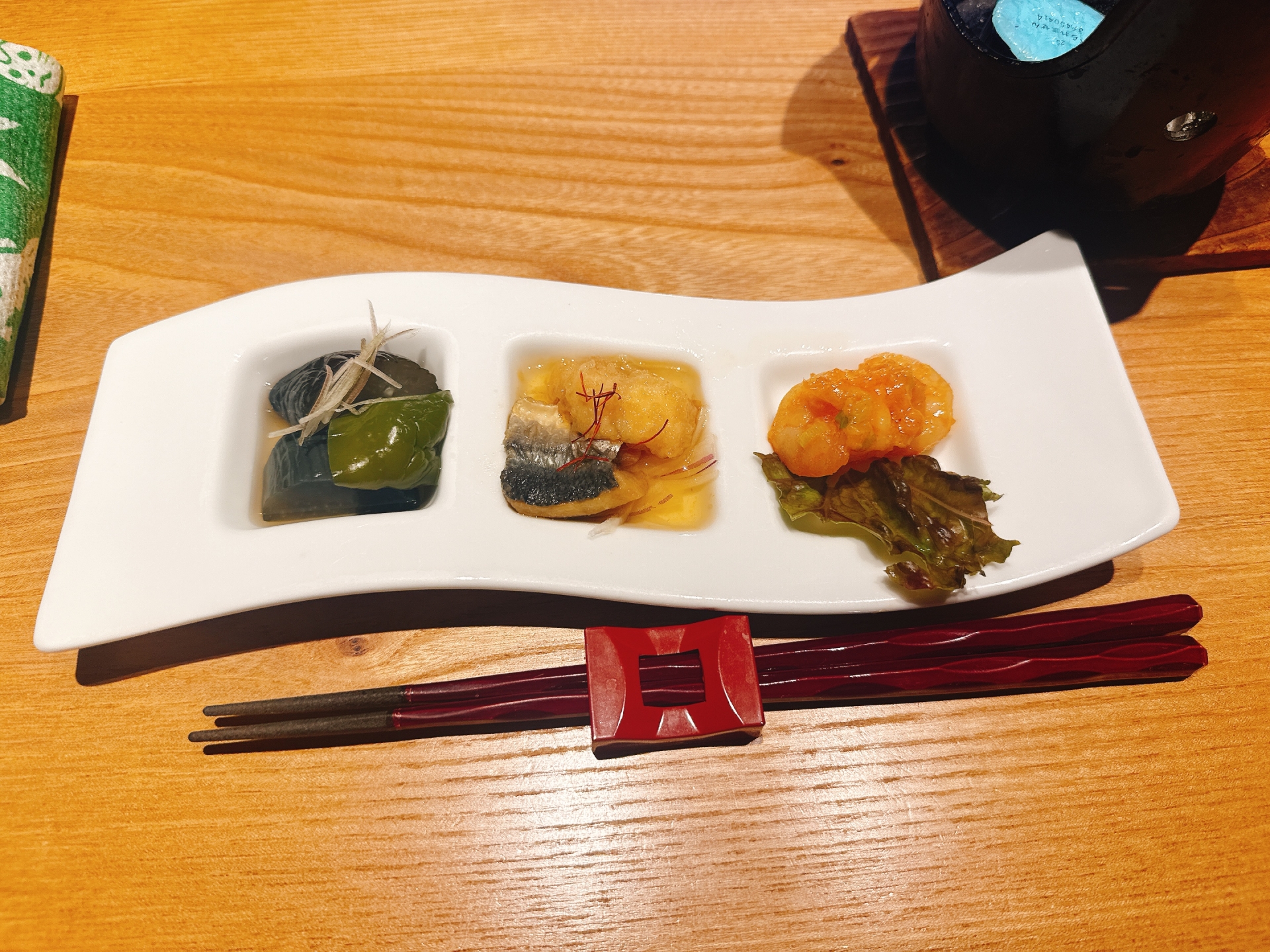
My First 'Scam' Scare in a Shinjuku Back-Alley
Honestly, the first time I sat down in a tiny, smoky Izakaya in Shinjuku back in the day, I felt like I was being taken for a ride. I had only ordered a single draft beer and some yakitori skewers. When the bill arrived, it was about 500 yen higher than I calculated. I saw this line item: 'Otoshi'. I remember thinking, 'Wait, did they charge me for that tiny bowl of cold cabbage I didn't even ask for?' I almost argued with the staff, but then I noticed the group of locals next to me paying the same thing without a second thought. That was my wake-up call. In 2025, with tourism at an all-time high, these charges are still very much a thing, and they often cause the most friction for us international travelers. It’s not that they are trying to cheat us; it’s just that the concept of a 'mandatory' appetizer is totally alien to how we eat back home. The reality is that these tiny bars, especially in places like Omoide Yokocho (Piss Alley), have very limited seating. If you occupy a stool for an hour, that space has a literal value. The Otoshi is a way for the shop to ensure a minimum revenue per customer. What's even cooler is that once you accept this, you realize the Otoshi is often a chef's specialty—a little 'hello' from the kitchen. I've had everything from simmered daikon radish to premium tuna tartare as an Otoshi. If you're nervous about navigating these local spots alone, I really found that booking a guided food tour
Blogger's Choice
Authentic Local Food Tours
The easiest way to experience Izakaya culture without worrying about hidden fees or language barriers.
Book a Food Tour
was the best way to get the hang of the etiquette without the 'bill shock' anxiety. These guides explain the fees upfront and usually take you to spots where the 'Otoshi' is actually delicious, like simmered beef or fresh sashimi, rather than just a handful of beans. It turns the 'fee' into a culinary highlight of the night. Plus, you get to see how the locals interact with the staff, which is a masterclass in Japanese social harmony. Don't let a few hundred yen ruin the vibe of a legendary Tokyo night out.
The 2025 Reality of the 'Otoshi' System
Nowadays, most places in major cities like Tokyo and Osaka are getting better at explaining this to tourists, but don't expect a formal lecture. You’ll sit down, and almost immediately, a small dish—the Otoshi—will appear. This is your 'contract' with the restaurant. By accepting the seat and the dish, you're agreeing to the cover charge. It’s essentially Japan's version of a service fee or a tip, but you get a little snack out of it. I’ve seen everything from pickled veggies to tiny servings of potato salad. The cost is usually similar to the price of a soft drink, so it won’t break the bank, but it can be annoying if you aren’t expecting it. In 2025, some modern Izakayas are starting to offer an 'opt-out' for tourists, but honestly, it's often more awkward to refuse than to just enjoy the snack. Think of it as the price of admission to a world of incredible flavors and atmosphere.
The Secret Logic Behind the 'Sekiryo' Culture
So, why does this exist? I used to think it was just a way to squeeze more money out of people, but after living through several Japanese winters and countless nights out, I get it now. Many of these bars are tiny—sometimes only seating six to eight people. If you sit there for two hours sipping one beer, the shop loses money. The 'Sekiryo' (seating fee) or 'Otoshi' ensures the shop can stay in business. It’s about the 'vibe' and the space you’re occupying. I’ve learned to view it as the price of admission to some of the coolest, most authentic spots in the country. When I'm planning my trips, I always make sure to book my hotels in areas like Ueno or Asakusa
Best Value
Top-Rated Tokyo Hotels
Stay in the heart of the action in Shinjuku or Shibuya to enjoy the nightlife to the fullest.
Find My Hotel
because these neighborhoods are packed with these traditional 'Shitamachi' style bars where the Otoshi culture is strongest. Being within walking distance means I can enjoy the atmosphere, pay the small fee, and not worry about catching the last train home. It’s all about the trade-off: you pay a few hundred yen for a seat, but you get an experience you can’t find anywhere else in the world. Just remember, in Japan, you don't leave a tip on the table. That extra 500-800 yen on your bill is the only 'extra' you'll pay, so in the end, it often works out cheaper than dining in the US or Europe where a 20% tip is expected. Also, the service in Japan is consistently top-tier regardless of the fee. You'll get your water refilled, your hot towel (oshibori) provided, and a warm welcome without any expectation of further gratuity. It's a clean, transparent system once you understand the rules of the game. I've spent nights in Golden Gai where the seating fee was 1,000 yen, but the stories I heard from the bartender and the fellow travelers I met were worth ten times that. It's about the community and the preservation of these tiny, historic spaces that are under constant pressure from modern development.
Hacks to Avoid (or Embrace) the Charge
If you are on a super tight budget, there are ways to avoid these fees without being rude. I’ve spent months figuring out which spots are 'safe' for the budget-conscious traveler. Generally, major chain restaurants, ramen shops, and fast-food joints (like Yoshinoya, Matsuya, or Ichiran) will never have a table charge. You pay for exactly what you eat. However, if the place has 'Izakaya' in the name or looks like a cozy pub, expect the charge. I’ve put together a quick guide below to help you distinguish between the two so you can choose based on your mood and your wallet. Honestly, some of my favorite memories are from the places that charged me 400 yen for a seat—the conversations I’ve had with local 'salarymen' in those cramped spaces are worth way more than the price of a small bowl of edamame. Another pro-tip: look for 'Tachinomiya' or standing bars. Because you aren't taking up a precious chair, many of these spots waive the seating fee entirely or keep it very low (around 100-200 yen). It's a great way to experience the pub culture on a shoestring budget. Also, check the menu outside; many tourist-friendly spots now explicitly state 'No Table Charge' in English to attract international visitors. But if you want the real, gritty, authentic Japan, just budget an extra 1,000 yen per night for these fees and dive in headfirst. The 'Truth' is that these fees are the lifeblood of Japan's unique nightlife. Without them, many of these tiny, specialized bars simply wouldn't exist in 2025's economy.
| Type of Eatery | Likelihood of Charge | Typical 2025 Cost |
|---|---|---|
| Ramen/Udon/Soba Shops | Zero | 0 Yen |
| Family Restaurants (Gusto, Saizeriya) | None | 0 Yen |
| Standard Izakaya | Very High | 300 - 800 Yen |
| High-end Ginza/Member Bars | Guaranteed | 1,500 - 5,000 Yen |
| Standing Bars (Tachinomiya) | Low | 0 - 300 Yen |