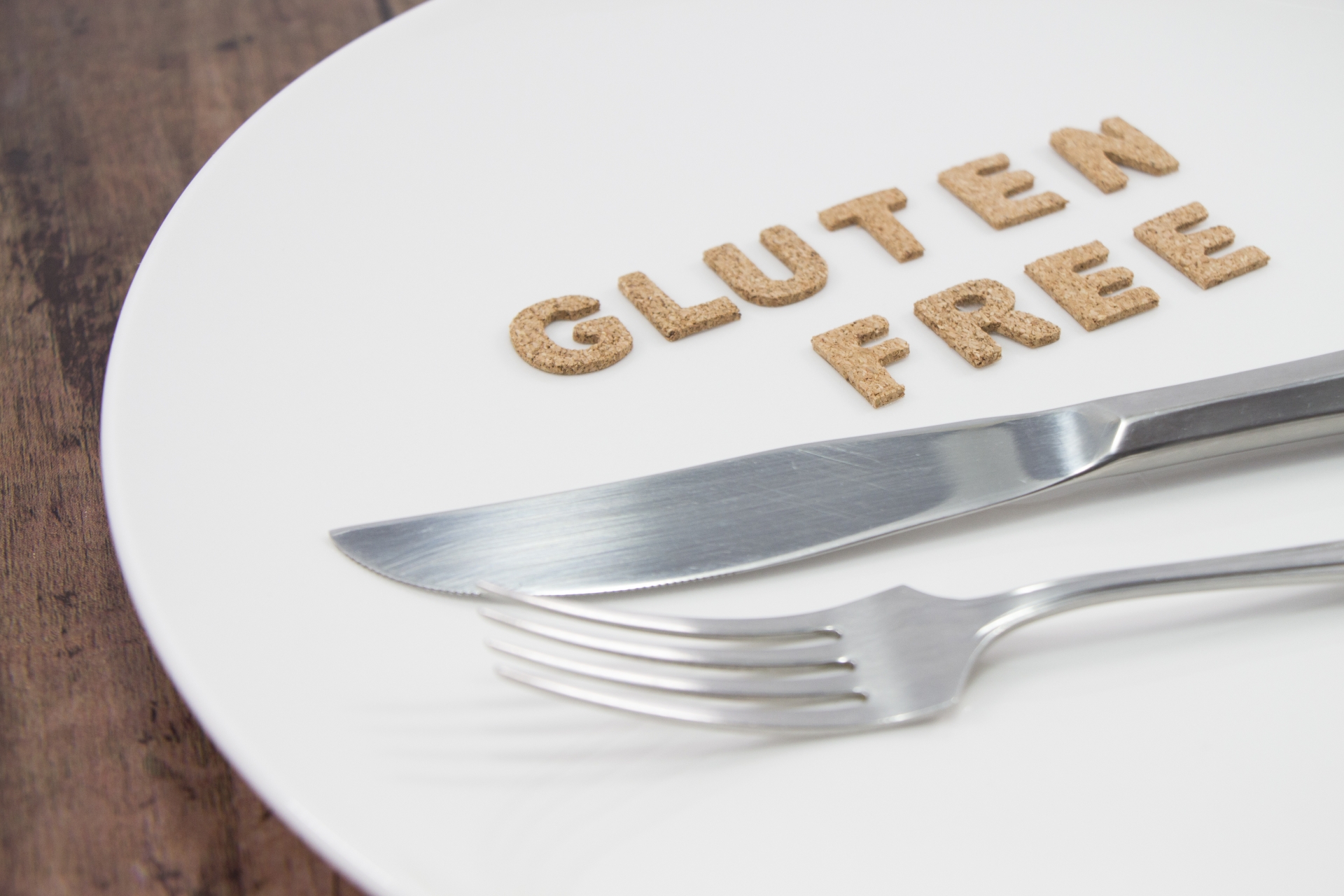
The Shoyu Paradox: Why 'Naturally Brewed' Doesn't Mean Safe
One of the biggest shocks for me in 2026 was realizing that even the most expensive 'pure' soy sauce is usually made with 50% wheat. It's the traditional way! For a savvy blogger like me, this means that almost everything—from the dipping sauce for your sashimi to the marinade for your yakitori—is a potential gluten bomb. I’ve learned that the only safe word in Japan is 'Tamari,' and specifically 100% soy Tamari. But the hard truth? Most local restaurants don't have it. My secret weapon is my 2026 'Digital Detective' kit. I use my high-speed data
Savvy Choice
Japan High-Speed Data Hub
I use this to run real-time ingredient scans and to find GF-certified restaurants on the fly. Without data, I’m just guessing, and guessing is dangerous for my health.
Stay Connected & Safe
to run real-time OCR translation on every label I see in convenience stores. I look for the character for wheat (小麦 - komugi) like a hawk. If I see it, I move on. In 2026, I’ve found that many travelers carry their own travel-sized bottle of GF Tamari, but I prefer a more integrated approach. I use my data to search for establishments that have been 'Allergen Certified' post-2025. These places understand that for a Celiac, even a single drop of soy sauce is a medical emergency, not a 'dietary choice.' If you're standing in a busy izakaya and they look confused when you say 'Gluten-Free,' that's your cue to leave. Trust your gut—literally!
The 'Hidden Wheat' Hit-List
In 2026, be wary of 'Dashi' (broth). Many instant dashi powders contain wheat-derived flavor enhancers. I always ask: 'Dashi wa komugi ga haitte imasu ka?' (Does the broth contain wheat?). Also, watch out for 'Kanikama' (imitation crab)—it's held together with wheat starch! Stick to whole, unprocessed fish to be 100% safe.
Strategic Dining: From Rice Flour Cafes to Luxury Safety
If you want to eat like a pro in 2026, you need to know where the 'Rice Flour Revolution' is happening. Districts like Nakameguro and Shibuya now have amazing cafes that are 100% wheat-free, using Japanese rice flour (Beifun) for everything from pancakes to ramen. But here's the kicker: in 2026, these places are *packed*. My savvy move is to book my stay in a luxury hotel or a high-end 'Ryotei' through Expedia
Logistics Pro
Expedia Allergen-Aware Hotels
I search for 'Apartment Hotels' or luxury stays where the staff is trained in Celiac protocols. It’s the only way I can travel without food anxiety.
Find My Safe Base
. Following the 2025 Expo, these top-tier establishments have finally created 'Dedicated Allergen Kitchens.' If you notify them 72 hours in advance, the executive chef will prepare a museum-quality meal that is 100% Celiac-safe. It’s the peace of mind you can’t get at a street food stall. If you're on a budget, I highly recommend finding an 'Apartment Hotel' with a kitchenette. Being able to cook my own breakfast using safe, JAS-certified organic eggs and GF rice crackers from a specialized grocer like 'Natural House' takes 90% of the anxiety out of my trip. It allows me to save my 'risk budget' for a high-end dinner where I know the staff is trained in medical-grade cross-contamination protocols. In 2026, Japan is much more aware, but 'Gluten-Free' is still often viewed as a trendy diet. Always emphasize that yours is an 'Arerugi' (Allergy) to get the most serious response from the staff.
The 2026 'Salt Strategy': My Go-To Survival Menu
When I’m out exploring and I don't have a pre-vetted restaurant, I fall back on what I call the 'Salt Strategy.' In Japan, almost anything that can be glazed in 'Tare' (soy sauce) can also be served with 'Shio' (salt). Whether it’s Yakitori (grilled chicken) or Yakiniku (BBQ), I always say 'Shio de onegaishimasu' (With salt, please). It’s naturally gluten-free and usually tastier because it highlights the quality of the ingredients! I’ve put together a quick 2026 Survival Table below to help you navigate a standard menu. My final savvy blogger advice? Don't be afraid to eat at 'Towari Soba' shops. These are 100% buckwheat noodle places. Buckwheat is a seed, not a grain, and it's naturally GF. But beware! In 2026, many shops still use the same boiling water for wheat-based Udon. Always ask if they have a dedicated 'Yude-gama' (boiling pot) for the buckwheat. If they don't, stick to the salt-grilled fish and steamed rice. It sounds simple, but in 2026, the simplest food is often the most profound (and the safest) way to experience Japan.
| Food Category | My Savvy 'Safe' Choice | The Blogger's Truth |
|---|---|---|
| Sushi & Sashimi | Sashimi with plain rice | Avoid the 'Nikiri' glaze and imitation crab (Kanikama). |
| Grilled Meats | Yakitori/Yakiniku with SALT | Never take the service 'Tare' sauce—it's 100% wheat-soy. |
| Noodles | 100% Buckwheat (Towari Soba) | MUST check for a dedicated boiling pot to avoid cross-contamination. |
| Convenience Stores | Onigiri (Salt/Salmon/Plum) | Avoid 'Tuna Mayo' or 'Teriyaki'—the seasoning hides wheat! |
| Tempura | Skip it (unless Rice Flour) | Standard tempura batter is 100% wheat. It's a no-go area. |