The Gion Reality Check: Why I Put My Camera Away
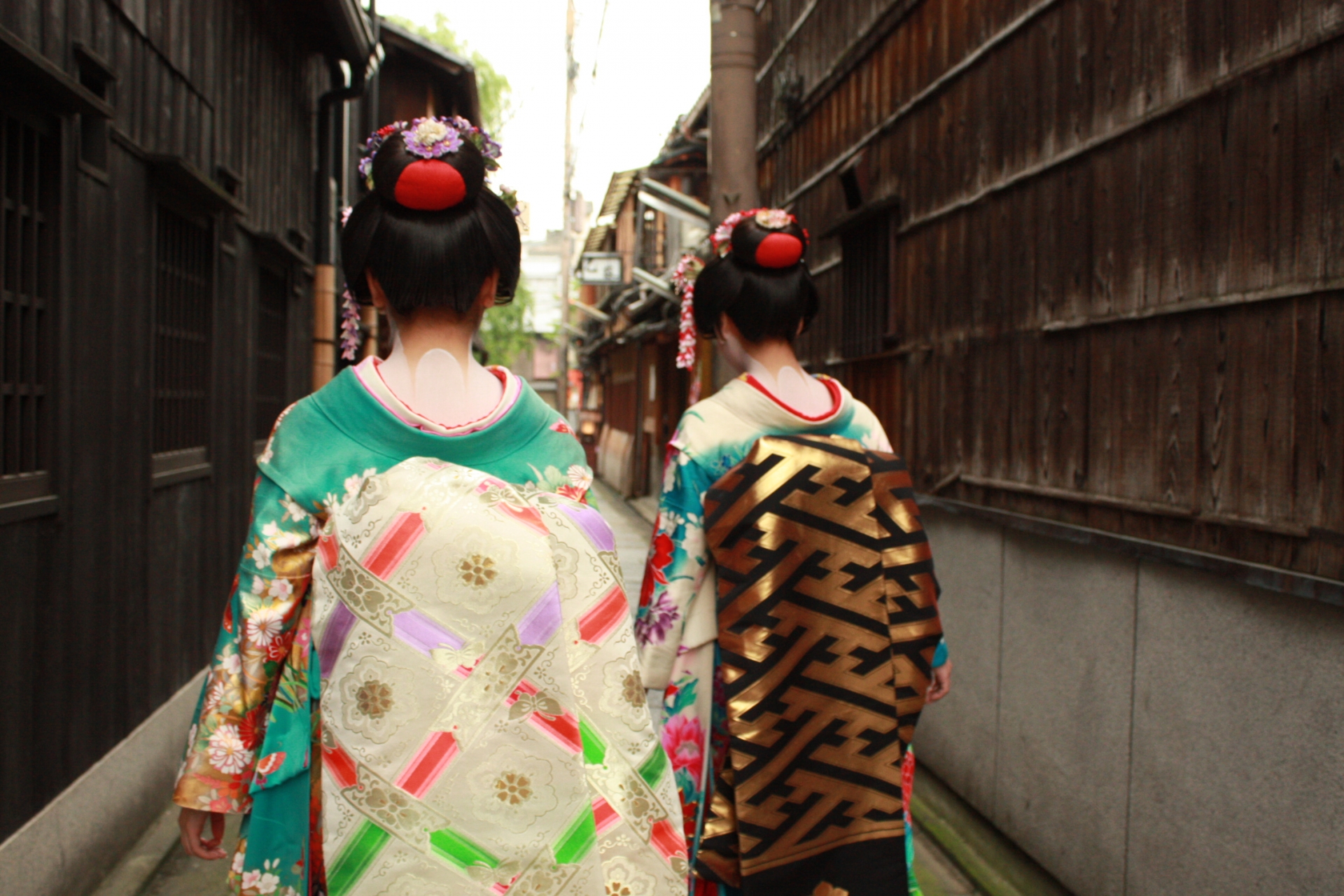
I remember my first trip back to Kyoto in early 2025. I had my DSLR ready, dreaming of that iconic shot of a Geiko turning a corner in Gion. But as soon as I stepped into the Hanamikoji area, the vibe was different. There were signs everywhere, and more importantly, there was a palpable tension. I saw a group of tourists chasing a Maiko with their phones, and the look of distress on her face changed me instantly. I realized that my 'art' was someone else's harassment. In 2025, the fines for photography in private alleys are very real, typically around 10,000 yen, but it's the social shame that hits harder. I’ve learned that the best way to handle this is to stick to the main public thoroughfares where photography is explicitly permitted. To ensure I always know where I am and what the local rules are, I never travel without a reliable data connection to check live maps and translation apps. I personally recommend grabbing a local eSIM or pocket Wi-Fi through a trusted provider to stay informed on the go.
Traveler's Choice
Klook Japan Travel Essentials
The easiest way to book eSIMs, pocket Wi-Fi, and guided photography tours that respect local laws.
Check Prices on Klook
Having that instant access to Google Translate's camera feature helped me read a small, hand-written sign in a Kanazawa neighborhood that basically said 'Residents only, no photos,' saving me from a very awkward encounter. What's more, having a solid connection means I can check the latest updates on local ordinances, which can change faster than you'd think in historic districts.
How I Spot the 'No-Go' Zones Before I Snap
I've developed a bit of a 'sixth sense' for this. If a street looks too quiet, too residential, or if I see laundry hanging out, I keep my lens cap on. In 2025, many 'Instagrammable' spots have introduced 'Photo Zones' versus 'Quiet Zones.' I always look for the red circle with a camera and a line through it, but even without the sign, I ask myself: 'Would I want a stranger taking a photo of my front door right now?' If the answer is no, I move on. This mindset shift actually made my trip more enjoyable because I started looking with my eyes instead of through a viewfinder. To be honest, the best photos I have from my last trip aren't even of the famous landmarks; they are the small, permitted moments I captured because I was actually paying attention to my surroundings instead of hunting for a viral post.
Understanding 'Shozo-ken': The Truth About Privacy Rights
One thing I didn't realize until I stayed in Japan for a month was the concept of 'Shozo-ken' or portrait rights. In Japan, people have a legal right to their own likeness. This means if you take a photo of a crowded street and one person’s face is clearly identifiable and they didn't consent, you could technically be in legal hot water if you post it online. I used to think 'it’s a public space, it’s fine,' but that’s not how it works here. I’ve had to get creative with my shots—focusing on architecture, food, or using long exposures to blur out moving people. It’s a fun challenge! I also found that the best way to get those stunning, traditional-looking shots without bothering anyone is to book a stay in a renovated Machiya or a high-end Ryokan that has its own private gardens. I usually browse options on major booking platforms to find places that offer that 'old Japan' aesthetic right in my own backyard.
Top Rated
Expedia Traditional Stays
Book a Ryokan or Machiya with private gardens to capture stunning photos without the crowds.
Find Your Stay on Expedia
This way, I can take all the photos I want in total privacy without worrying about breaking any social norms or laws. Plus, the lighting in those private gardens at dawn is way better than any crowded street in Gion anyway. It's all about finding those shortcuts to beauty that don't involve invading someone's personal space.
My Savvy Shortcuts for Ethical Photography
If you’re dying for a photo of a specific cultural moment, my best hack is to join a sanctioned tour or visit a theme park like Edo Wonderland where photography is the whole point. I also make it a rule to ask 'Shashin ii desu ka?' (Is a photo okay?) whenever I’m at a market stall or a small shop. Nine times out of ten, they say yes and give a big smile, which makes for a much better photo anyway! Also, remember that many temples have specific 'No Tripod' rules to keep the flow of people moving. I've seen many people get scolded for blocking paths with bulky gear. To wrap it up, here is a quick breakdown of how I categorize different areas in 2025 to keep my trip stress-free.
| Location Type | Photography Rule | My Personal Approach |
|---|---|---|
| Major Shrines (Senso-ji, etc.) | Generally OK in courtyards | No photos inside the inner sanctum |
| Gion Private Alleys | Strictly Prohibited | Camera stays in the bag, eyes wide open |
| Department Stores/Malls | Often restricted | Always look for the 'No Photo' sticker at the entrance |
| Public Trains | Legal but frowned upon | Avoid unless the carriage is empty; never take photos of sleepers |