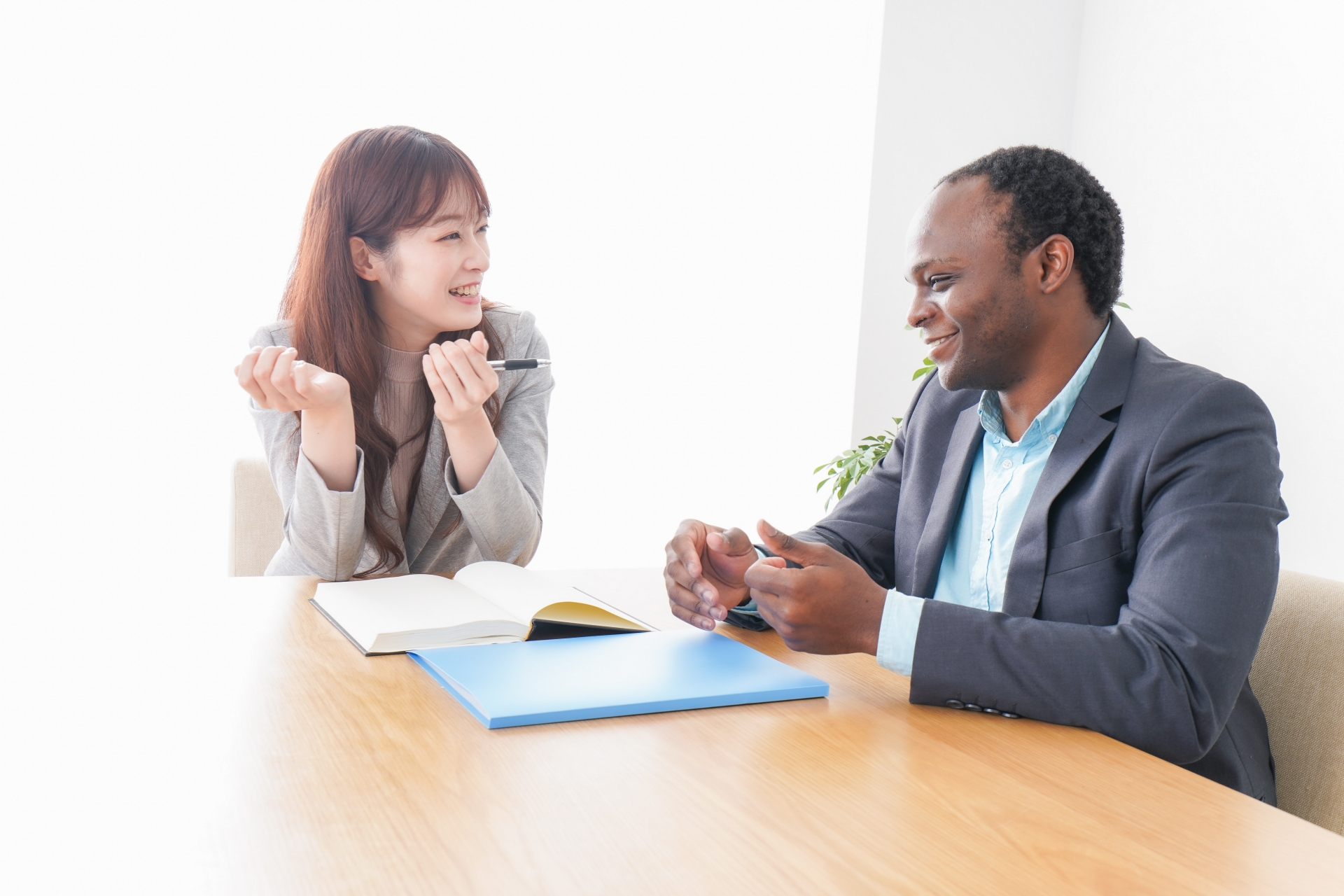
Why My Big Smiles Were Met with Blank Stares
When I first landed in Japan, I brought my high-energy, 'how’s it going?' personality with me. I’d walk into a small ramen shop in Osaka, give a massive grin to the chef, and wait for that friendly banter I was used to back home. Instead? I got a quick bow and a hurried look toward the stove. I’ll be honest: I felt rejected. I thought, 'Wow, these people are really cold.' But after living through several seasons here, I realized I was reading the room all wrong. In Japan, the culture of 'Omotenashi' is about anticipating needs, but it's also about not being intrusive. Many Japanese people are incredibly shy about their English skills. They aren't ignoring you; they are terrified of saying the wrong thing and causing 'meiwaku' (trouble or inconvenience) for you. I learned that my loud, Western-style approach was actually putting them on the spot. Once I dialed back the intensity and learned to appreciate the quiet, respectful distance, the interactions became much more natural. It’s not about a lack of warmth; it’s about a different way of showing respect for your privacy. I found that if I waited for them to initiate, I’d be waiting forever. The 'Secret' is that you have to be the one to gently open the door, but do it with a lower volume and a bit of humility. This concept of 'reading the air' or Kuuki wo yomu is vital. If the air is quiet, don't try to shatter it with a booming greeting. Instead, match the frequency of the room. I started noticing that when I lowered my voice and offered a slight, humble bow before speaking, the response was night and day. People who previously looked like they wanted to run away suddenly became helpful and even chatty in their own way. It's a subtle dance of social cues where silence isn't an absence of connection, but a form of respect. By 2025, this hasn't changed; if anything, the influx of tourists makes locals even more protective of their quiet spaces. Understanding that your 'friendliness' might be perceived as 'aggression' is the first step to actually making friends here. It took me months to realize that a smile in Japan isn't always an invitation to talk—sometimes it's just a polite shield. But once you learn to use the right key, that shield drops. I also realized that the 'blank stare' is often just a processing delay. They are translating your energy, your words, and their own response all at once. Give them space to breathe, and you'll find the warmth you're looking for.
The 'Sumimasen' Magic Trick
I started using 'Sumimasen' (Excuse me) as my universal key. It works for everything: getting a waiter's attention, asking for directions, or just acknowledging someone’s space. It’s the ultimate low-pressure way to start a conversation because it acknowledges that you are interrupting their flow. I found that once I said that one word, the 'panic' in their eyes often melted away because I had used a Japanese term, signaling that I was the one trying to adapt to them, not the other way around. It is the most powerful word in your 2025 travel arsenal.
Breaking the Silence with the Right Tools
By 2025, I noticed a huge shift in how we communicate. Even if the person you're talking to is hesitant to speak English, they are almost always willing to look at a screen. I remember being hopelessly lost trying to find a specific stationary shop in Ginza. I tried asking three different people, and each gave me a polite but firm 'I'm sorry, no English' before scurrying off. I realized I was the problem—I was asking open-ended questions that required complex English answers. I switched tactics. I pulled out my phone, opened my translation app, and showed the address. The next person I approached didn't just point; they walked me halfway there. Having a reliable data connection is the single best way to bridge this social gap. It turns a stressful 'I don't understand' moment into a collaborative 'Let's figure this out' moment. I never travel without a high-speed eSIM or a pocket Wi-Fi now, because being able to translate a menu or a sign on the fly saves me from that 'isolated' feeling. It's my safety net that allows me to be brave enough to talk to strangers.
Traveler's Choice
Japan High-Speed eSIM
Never lose your way or your words. A solid data connection is your best translation tool.
Check eSIM Rates
I also recommend downloading DeepL or Google Translate with the offline Japanese pack; it’s been a lifesaver when I’m in the basement of a department store where signals can get spotty. In 2025, the tech has reached a point where voice-to-voice translation is almost instantaneous, but I still find that showing text is less 'confrontational' for a shy local. It allows them to process the information at their own pace without the pressure of an immediate verbal response. This 'digital bridge' is what allows for those small, meaningful interactions that make a trip memorable. Whether it's asking a local about their favorite dish or confirming which train platform goes to Shinjuku, having that data connection is like having a local friend in your pocket. It removes the 'English panic' from the equation entirely. I've found that locals are actually quite tech-savvy and appreciate the efficiency of a translation app. It shows you've done the work to meet them halfway, which is a huge sign of respect in Japanese culture. Don't view the phone as a barrier; view it as the ultimate icebreaker. Furthermore, many restaurants now use QR code menus. While this might seem like it reduces interaction, it actually gives you the confidence to order exactly what you want, which makes the final 'Arigato' to the staff feel much more genuine and less like a sigh of relief.
Choosing Your Social 'Safe Spaces'
If you are craving that social buzz and finding the streets of Tokyo a bit too quiet, you have to know where to go. I used to stay in massive, impersonal hotels where the staff were perfectly polite but followed a strict script. It made me feel like a ghost. Now, I intentionally book places that foster a bit more 'human' vibe. I’ve found that staying in boutique hotels or even high-end hostels with common areas changes the entire energy of a trip. You meet other travelers, sure, but you also meet staff who are specifically hired for their ability to bridge the cultural gap. I remember a stay in Kyoto where the concierge spent thirty minutes teaching me how to properly use a public bath (sento), laughing with me about my fears of doing it wrong. That kind of interaction doesn't happen by accident; you have to put yourself in environments designed for it.
Best Reviews
Top-Rated Tokyo Hotels
Stay in places known for friendly staff and social atmospheres to beat the isolation.
Browse Hotels
Similarly, I’ve found that joining a guided food tour or a local craft workshop is a 'shortcut' to connection. When you are both focused on making gyoza or tasting sake, the pressure to have a perfect English conversation disappears. You’re just two people sharing an experience. These 'curated' social moments are what saved my sanity when I felt the weight of the language barrier the most. It’s okay to pay for a little bit of guided interaction to break up the solo travel blues. In 2025, the 'Yokocho' (alleyway) culture is booming. These tiny bars, often with only 6 or 8 seats, are the one place where the 'no small talk' rule is completely thrown out the window. Once you're shoulder-to-shoulder with a local salaryman and a few drinks have been served, the barriers melt away. You don't need fluent Japanese; you just need a shared appreciation for good food and a willingness to try. I've had some of my best conversations in these cramped, smoky spaces using nothing but broken Japanese and hand gestures. It's about finding the right 'social safe spaces' where the usual rules of Japanese reserve are relaxed. If you stay in your hotel room or only eat at chain restaurants, you'll miss the heartbeat of the country. Get out there, find a tiny bar, and just say 'Sumimasen' to the person next to you. You'll be surprised how quickly the silence breaks. These moments of connection are the real 'Secrets' to enjoying Japan. It’s not about mastering the language; it’s about finding the right stage for the interaction to happen naturally.
| Environment | Social Vibe | Best For |
|---|---|---|
| Business Hotels | Formal & Quiet | Privacy seekers |
| Boutique Ryokans | Warm & Personal | Cultural immersion |
| Izakayas (Local Pubs) | Loud & Friendly | Spontaneous chats |
| Guided Tours | Structured & Social | Making new friends |