The Gate and the Fountain: My First 'Aha!' Moment
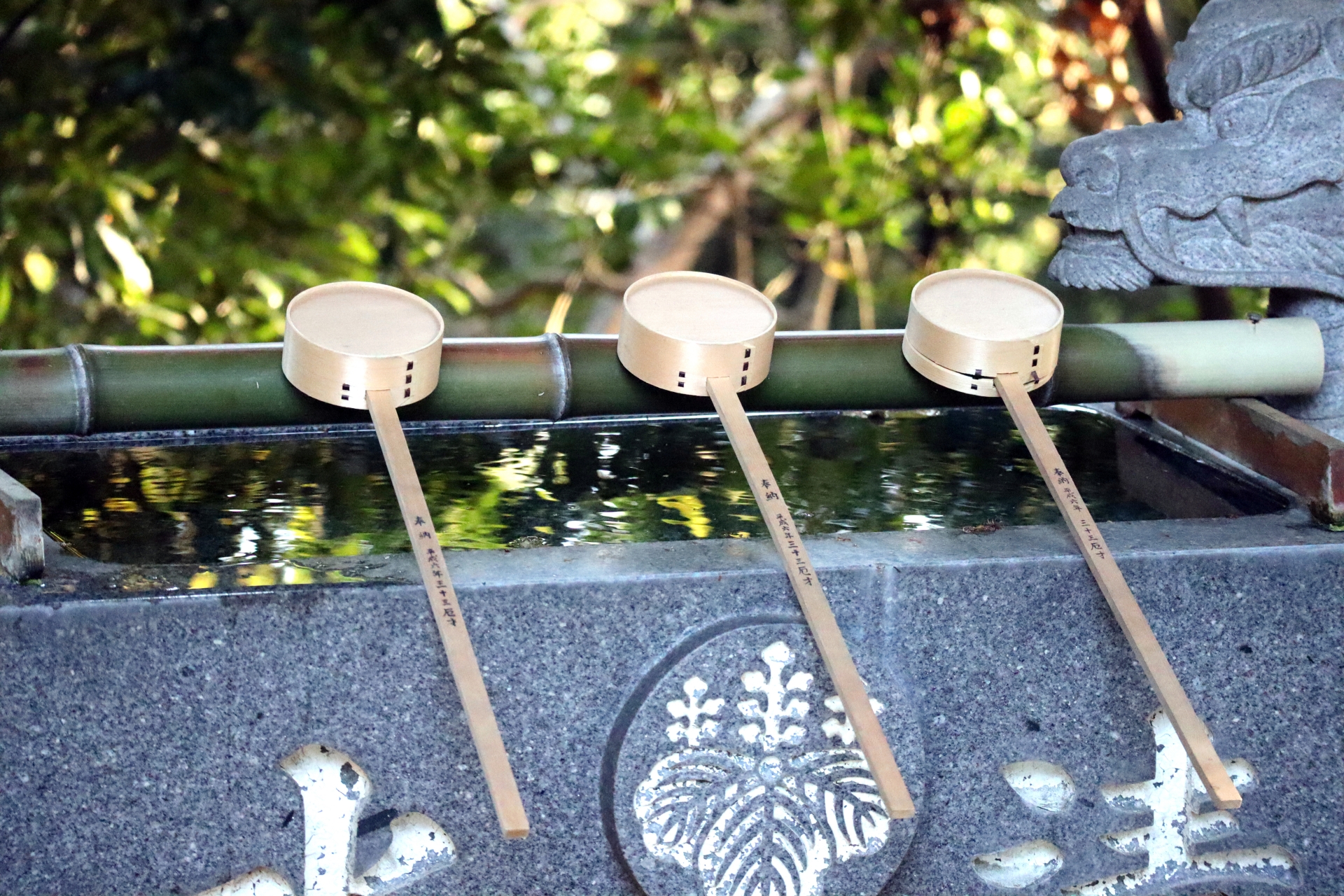
I remember standing at the massive Torii gate of Meiji Jingu in Tokyo, watching locals bow before they even stepped onto the gravel path. I used to just walk right through, but I’ve learned that the entrance is a boundary between the 'everyday world' and something special. Now, I always take a second to bow at the gate—it’s like a mental reset. And here’s a tip I learned the hard way: walk on the sides! The center of the path is reserved for the gods, and in 2026, with the new 'Respectful Flow' paths marked out, you'll see site stewards gently nudging tourists away from the middle. Once you’re inside, you’ll find the 'Temizuya'—the water fountain. For years, I was terrified I’d mess this up. But in 2026, many high-traffic sites have switched to sensor-based, ladle-less fountains for hygiene, which makes it much easier! If there's a ladle, remember my easy sequence: Left hand, right hand, then rinse your mouth with water from your cupped hand (never touch the ladle to your lips!). The final pro move? Tilt the ladle vertically to wash the handle for the next person. It’s a tiny gesture, but a monk once told me it shows you're thinking of others—the core of Japanese 'Omotenashi' (hospitality). To really get comfortable with these micros-gestures, I highly recommend taking a private cultural walk on your first day
Savvy Choice
Kyoto Cultural Heritage Private Tour
I took this tour to finally master my bow and learn the hidden history of the Gion shrines. It’s the ultimate confidence builder for your first day.
Book My Cultural Guide
. Having a friendly guide to correct your hand-positioning in real-time is the best 'hack' for feeling like a local for the rest of your trip. In 2026, these traditions are alive and well, but they’ve adapted to the modern world in the coolest ways.
The 'Temizu' Hygiene Protocol
Post-2025 Japan is very health-conscious. If you see a sign that says 'No Ladle,' just mimic the motion under the running water. I’ve noticed that in 2026, splashing others is the #1 way to get a 'cold stare,' so keep your ritual movements small and controlled. It’s all about elegance and quiet focus.
To Clap or Not to Clap? Avoiding the Most Common Mistake
This is where I used to get so confused. I’d see people clapping at one place and staying silent at another. Here is my blogger's shortcut: If you saw a red or stone Torii gate at the entrance, you’re at a **Shrine (Shinto)**. Here, the rule is 'Two Bows, Two Claps, One Bow.' The claps are to wake up the deity (Kami) and tell them you’re there. I love the sharp, crisp sound of a perfect clap in a mountain shrine—it feels like cleaning the air! But if you entered through a massive wooden gate with statues (a Sanmon), you’re at a **Temple (Buddhism)**. NEVER clap here! I made that mistake once and felt the weight of a thousand years of silence on my shoulders. At a temple, you just bow silently with your hands together. In 2026, you’ll also notice a massive change in how we give offerings (Osaisen). While my favorite 5-yen coin (the 'Go-en' pun for good luck) is still the classic choice, many major shrines like Senso-ji now have 'Digital Altar' terminals where you can tap your phone or IC card. I’ve tried it, and while it feels a bit sci-fi, the intention behind the gift is what matters. After a morning of spiritual exploration, I always love heading back to a peaceful ryokan in the historic district
Logistics Pro
Luxury Ryokan Collection
I always search for ryokans in the Higashiyama district. Being able to walk to the temples at 6:00 AM before the crowds arrive is a spiritual hack in itself.
Find My Zen Stay
. Staying in a place that respects the same level of quiet dignity as the shrines allows the experience to really sink in. In 2026, being a 'Guest' means valuing the silence as much as the locals do. Don't be the person throwing coins like they’re in a fountain in Vegas; place your offering gently and let the sound of the falling Yen be your prayer.
Modern Manners: Staying Cool in 2026’s 'Silent Shrines'
By 2026, Japan has introduced a movement called 'Seijaku Kanko' or Silent Tourism. This means that in major temples and shrines, talking loudly or even having your phone ringer on is seen as a huge violation. I’ve seen rangers at Meiji Jingu politely asking people to lower their voices even in the outdoor gardens! It might feel strict, but honestly, it makes the places feel much more magical. My savvy tip? Remove your headphones and put your phone on 'Do Not Disturb' before you even cross the gate. Also, let’s talk about photography. In 2026, almost every main hall has a strict 'No Photos' policy for the interior. I’ve seen AI-monitored cameras that will actually trigger a soft 'Please refrain' announcement if you point a lens at the inner altar! I always look for the crossed-out camera icon before I even think about my Instagram story. If you want a souvenir, do what I do: start a 'Goshuincho' (Stamp Book). These are beautiful, hand-written calligraphy stamps you collect at each site. In 2026, I use my translation app to ask for one politely: 'Goshuin wo itadakemasu ka?' (May I have a stamp?). It’s a sacred record of your journey, not just a photo on a cloud. Lastly, watch your clothes. While there’s no formal 'uniform,' in 2026, sites are cracking down on 'Theme Park' attire. I always make sure my shoulders and knees are covered, and I take off my hat before entering any building. It’s these small signs of 'I understand where I am' that will get you the warmest smiles from the monks and priests.
| Where am I? | My Savvy Ritual | The Blogger's Truth |
|---|---|---|
| Shinto Shrine (Torii Gate) | Two Bows, Two Claps, One Bow | Wakening the gods! Make those claps crisp. |
| Buddhist Temple (Sanmon Gate) | Silent Bow (Hands Together) | Quiet contemplation. NO CLAPPING permitted! |
| At the Water Fountain | Left, Right, Mouth, Handle | Don't drink from the ladle like a water bottle! |
| Giving Offering (Osaisen) | 5-Yen or Digital Tap | Gently drop the coin; don't 'throw' it like a dart. |