The Great Divide: Why I Switched Sides in Osaka
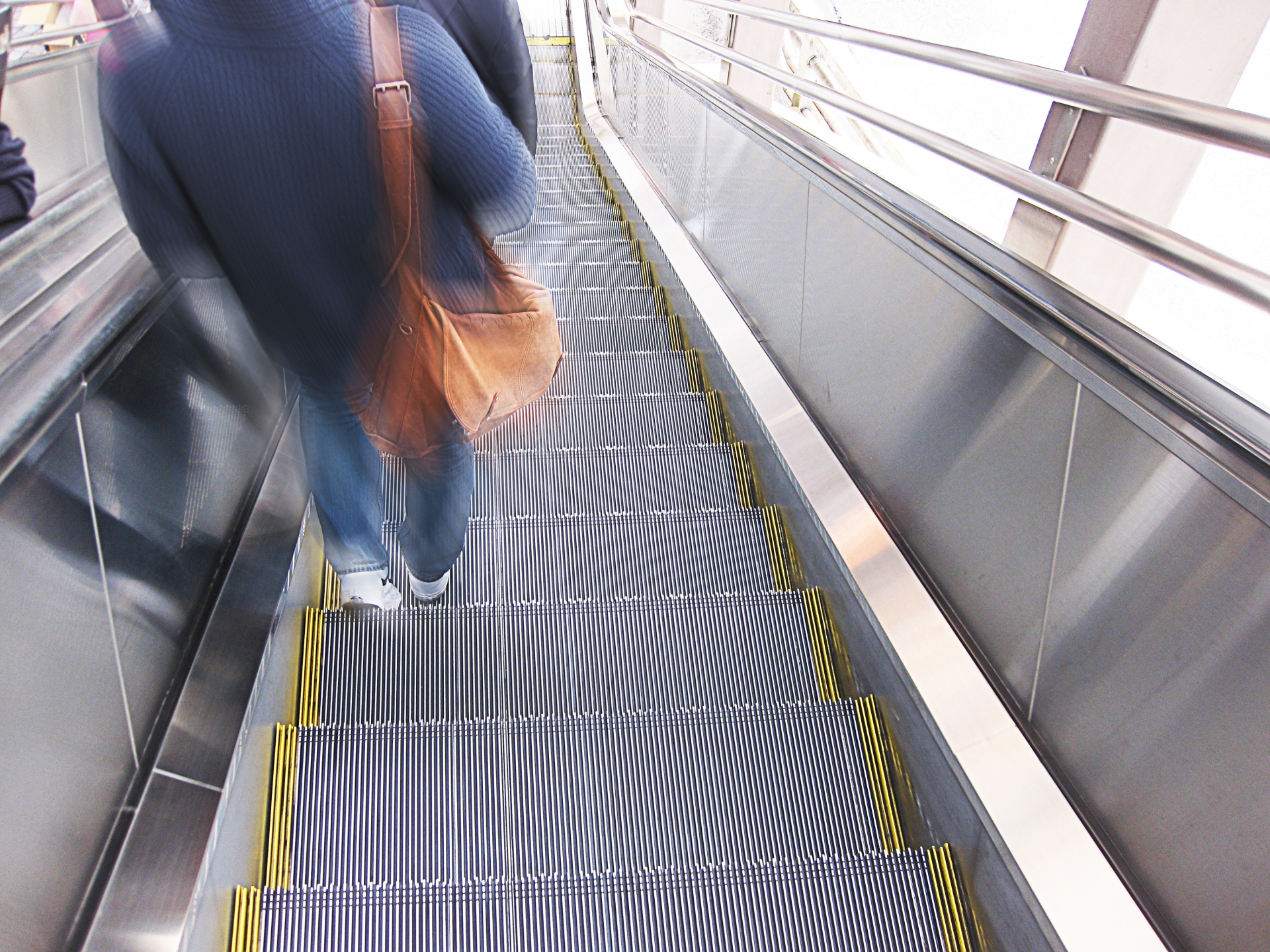
I remember my first morning in Tokyo back in early 2025. I was standing on the right side of a massive escalator in Shinjuku, mesmerized by the digital billboards, when I felt a polite but firm presence behind me. I realized I was blocking a literal stream of commuters who were power-walking up the right side. In Tokyo, the rule is simple: stand on the left, walk on the right. It felt intuitive after a day or two. But then, I took the Shinkansen to Osaka. I stepped onto the escalator at Shin-Osaka station, confidently stood on the left, and immediately became a human roadblock. In Osaka, they stand on the right and walk on the left. It’s a classic traveler’s trap that even seasoned pros fall into. Why the difference? Some say it’s because Osaka was a merchant city where people held their wallets in their right hands, while Tokyo was a samurai city where swords were worn on the left. Whatever the history, the reality is that you need to be a social chameleon. To make sure I never missed a beat, I kept my Pocket WiFi from Klook
Traveler's Choice
Japan Travel Essentials via Klook
Having a reliable data connection is the best way to double-check local etiquette and train schedules on the fly.
Check Prices
handy to check regional guides the moment I stepped off the train. It saved me from that awkward 'tourist stare' more times than I can count. The pressure of the morning rush is real, and the last thing you want is to be the person holding up a hundred salarymen. I found that by simply watching the feet of the person in front of me, I could adjust my position before I even reached the moving steps. It’s about being part of the flow rather than an obstacle in it.
How I Handled the 'In-Between' Cities
The real challenge isn't just Tokyo or Osaka; it’s the cities in between. In Kyoto, it’s a bit of a toss-up because of the high volume of tourists, but generally, they follow the Tokyo 'left-side' rule. However, if you find yourself in Nagoya, you might see people standing on both sides because of local safety campaigns. My secret? I never step onto an escalator without watching the three people in front of me. If they all drift left, I drift left. If I see a gap and I'm not sure, I just wait a second. It’s not about reading a manual; it’s about reading the room. I’ve spent hours people-watching at Umeda Station, and it’s fascinating how the crowd moves like a single organism. If you break that flow, you don't just slow yourself down; you disrupt the harmony of a thousand people. It sounds dramatic, but in a city of millions, these small hacks are what keep the gears turning. I also found that booking a hotel right next to the major hubs through Expedia
Best Locations
Top-Rated Hotels via Expedia
Stay near major stations like Shinjuku or Umeda to observe and learn the local flow of traffic easily.
Find Your Stay
allowed me to practice these movements during off-peak hours before I had to face the 8:00 AM stampede. It gave me the confidence to move with the crowd rather than against it. On top of that, I noticed that during peak hours, the 'walking' side moves incredibly fast, so if you aren't prepared to hike up five flights of stairs at a brisk pace, just stick to the standing side and enjoy the ride.
The Floor is the Map: Decoding the Queue
If you think the escalators are tricky, wait until you see the train platforms. I used to think a line was just a line, but in Japan, the floor is covered in a complex language of colorful tape and symbols. There are lines for the express train, lines for the local train, and even specific markings for where the doors will open for cars with different seating layouts. I once stood in what I thought was a line for the Yamanote line, only to realize I was in the 'priority boarding' area for the elderly. Nobody yelled at me—they’re too polite for that—but the silent confusion I caused was enough to make me want to vanish. Now, I treat the floor like a sacred text. Look for two parallel lines; that’s usually where you wait. When the train arrives, the people at the front of the line don't just rush in. They wait for everyone to exit, forming two wings on either side of the door. It’s beautiful, efficient, and honestly, a bit intimidating at first. I’ve learned to look for the markings that say '2-door' or '3-door' because the train car might change depending on the time of day. Another thing I noticed is that people will often start a second or third line behind the first one if the platform is narrow. You have to be careful not to accidentally cut in front of someone who is technically 'in line' but standing three feet away to keep the walkway clear. It’s a level of spatial awareness that takes a few days to develop, but once you get it, you’ll wonder why the rest of the world doesn't do it this way. The efficiency is mind-blowing, especially when you see a thousand people board a train in under sixty seconds without a single person bumping into another.
The Truth About the 'No Walking' Rule in 2025
To help you avoid the same 'deer in headlights' look I had, I’ve put together a quick reference for the major cities I visited. This isn't just about being polite; it's about not being the person who causes a pile-up at the bottom of a moving staircase. I found that in 2025, the 'no walking' campaigns are getting more vocal in places like Saitama and Nagoya, where they actually want you to stand on both sides to prevent accidents. However, the 'social rule' often overrides the 'official rule.' If you see a line on the left and people sprinting on the right, just follow the line. It’s much safer to follow the crowd than to be a lone enforcer of the official safety rules. I’ve seen tourists try to 'fix' the system by standing in the middle, and it usually just ends in a lot of frustrated sighs and very close-proximity walking. The reality is that Japan is in a state of transition regarding escalator safety. While the government wants everyone to stand still, the cultural momentum of the 'walking lane' is incredibly strong. My advice? Do what the locals do. If the person in front of you stands, you stand. If they walk, and you're on the walking side, you better start moving. It’s all about maintaining that 'Wa' or social harmony that Japan is so famous for. By the end of my trip, I wasn't even thinking about it anymore; my body just naturally drifted to the correct side based on the city I was in. It’s a small victory, but it makes you feel so much more connected to the local rhythm.
| City | Stand On... | Walk On... | Vibe |
|---|---|---|---|
| Tokyo | Left | Right | Efficient & Strict |
| Osaka | Right | Left | Relaxed but Fast |
| Kyoto | Left | Right | Tourist-Mixed |
| Nagoya | Both (Official) | N/A | Safety-First |