The J-Alert System and Digital Lifelines
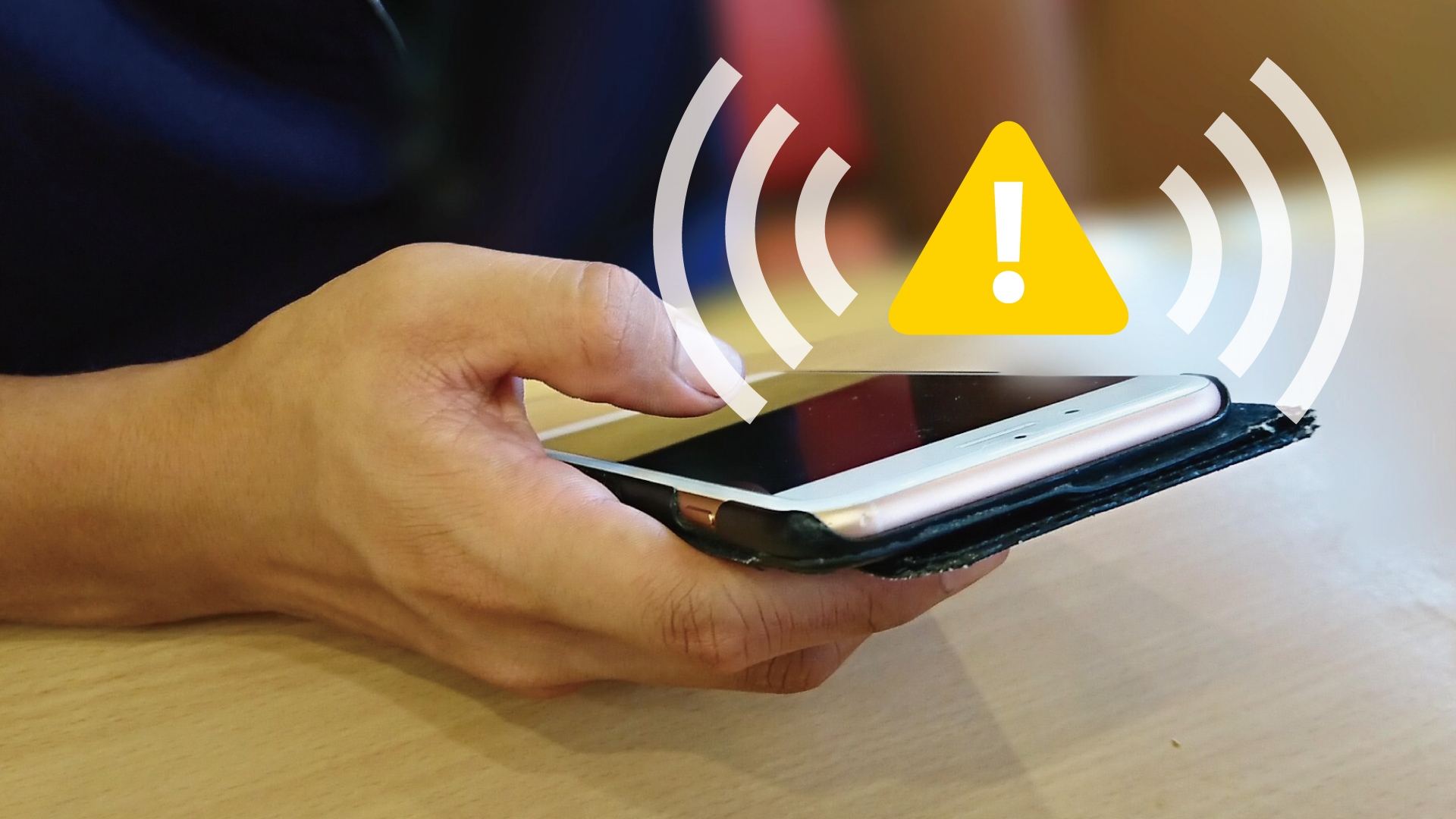
Living in Japan for a while, you get used to the 'chime.' It’s a distinct, slightly jarring sound that broadcasts across every smartphone in a specific radius before the shaking even starts. This is the J-Alert system. For a traveler, this sound can be heart-stopping, but it is actually your best friend. It gives you those precious seconds to move away from glass windows or heavy shelves. In 2025, the technology is incredibly precise, but it relies entirely on your device being connected to a local network. Many travelers rely on hotel Wi-Fi, but disasters don't wait for you to be back in your room. Having a constant data connection is the single most important safety step you can take. Staying connected is your first line of defense; I always recommend grabbing a reliable eSIM or portable WiFi before you even leave the airport so you can receive those instantaneous J-Alerts on your phone.
Safety Essential
Japan Travel Connectivity (eSIM/WiFi)
Essential for receiving J-Alerts and using translation apps during emergencies.
Check Connectivity Options
Beyond the tech, the psychological aspect is huge. When that alert goes off, look at the locals. If they are calmly moving to a safe spot, follow their lead. If they aren't panicking, you shouldn't either. Japan’s building codes are legendary; most modern structures are designed to sway, which can feel terrifying—like being on a boat—but it’s actually the building absorbing the energy to stay standing. Remember to keep your 'Safety Tips' app updated and your power bank charged. In 2025, data shows that travelers who had offline maps and emergency apps felt significantly less 'extreme stress' during minor tremors compared to those who didn't. It’s all about removing the 'unknown' from the equation. Also, remember to double-check official websites for the latest prices and hours of emergency services or information centers, as these can shift during recovery periods. The app also provides a 'Communication Card' feature, which allows you to show pre-translated Japanese phrases to locals or emergency staff if you’re too overwhelmed to speak. It’s a small download that makes a massive difference in your peace of mind.
The 'Safety Tips' App: Your Digital Shield
Developed specifically for tourists, this app provides earthquake early warnings, tsunami warnings, and even weather alerts in multiple languages. It is the most reliable way to stay informed without needing to understand Japanese news broadcasts.
Immediate Action: Drop, Cover, and Hold On
If the ground starts to move, the instinct is often to run outside. In Japan, this is usually the wrong move. Falling tiles, glass, and signage from building facades are the primary risks in dense urban areas like Shinjuku or Osaka’s Dotonbori. The gold standard is 'Drop, Cover, and Hold On.' Get under a sturdy table or desk. If you’re in a department store, move away from display cases and towards the building’s core or a large pillar. If you are near the coast and a large earthquake lasts for more than 30 seconds, don't wait for an official tsunami warning—start moving to high ground immediately. You’ll see blue signs on utility poles indicating the elevation and the direction of the nearest 'Tsunami Evacuation Building.' These are often reinforced concrete structures like schools or hotels. When booking your stay, look for modern hotels that adhere to the latest seismic building codes; many international chains listed on booking platforms provide clear evacuation maps in English right behind the room door.
Top Rated
Safety-Rated Accommodations
Book hotels with modern seismic standards and clear English emergency protocols.
Browse Safe Hotels
In 2025, the government further streamlined these evacuation routes with clearer English signage, making it much easier for global visitors to navigate. If you find yourself in a crowd, move with the flow but keep your eyes peeled for those 'Green Man' exit signs. The Japanese sense of order usually prevails even in emergencies, so avoid pushing. Follow the instructions of 'Staff' (look for people in uniforms or yellow vests). They are highly trained and often have access to real-time information that hasn't hit the news yet. It’s also worth noting that elevators will automatically stop at the nearest floor and park; never try to use an elevator during or immediately after a quake. If you are in an elevator when it happens, press every floor button and get out as soon as the doors open.
Shelter Etiquette: The 'Gaman' Spirit
If a disaster is significant enough that you cannot return to your hotel, you may be directed to a 'Hinanjo' or temporary evacuation center, often located in local gymnasiums or community centers. This is where cultural etiquette becomes vital. These spaces are managed with a philosophy of 'Gaman'—a Japanese term for enduring the seemingly unbearable with patience and dignity. These are not hotels; they are shared survival spaces. You will likely be given a small area on a floor, perhaps with a cardboard partition for privacy. The first rule is shoes off. Even in a disaster, the Japanese commitment to cleanliness remains. Keep your footwear in a plastic bag near your head. Noise is kept to an absolute minimum; use headphones and keep your voice low. In 2025, many shelters began stocking 'Tourist Support Kits' with English instructions, but the social contract remains the same: help where you can, keep your area tidy, and wait your turn for food or water distribution. It is a communal effort. You might find the silence in a room of 200 people unsettling, but it is a sign of mutual respect. If you have dietary restrictions, try to use your translation app to communicate this early, but be aware that emergency rations are often basic—think rice balls or crackers. Always double-check official websites for the latest prices and hours of any nearby convenience stores that might be operating on limited stock, as they often become the lifeblood of a neighborhood during the first 24 hours of a recovery. Being a helpful and quiet guest in these spaces will earn you immense respect from the local community.
| Action | Reason |
|---|---|
| Remove Shoes | Maintains hygiene in shared sleeping areas. |
| Silence Phones | Reduces collective stress and allows for rest. |
| Follow the Queue | Ensures fair distribution of limited resources. |
| Keep Trash | Waste management is limited; keep your own bag. |