The Secret Tax: Why I Paid for Food I Didn't Order
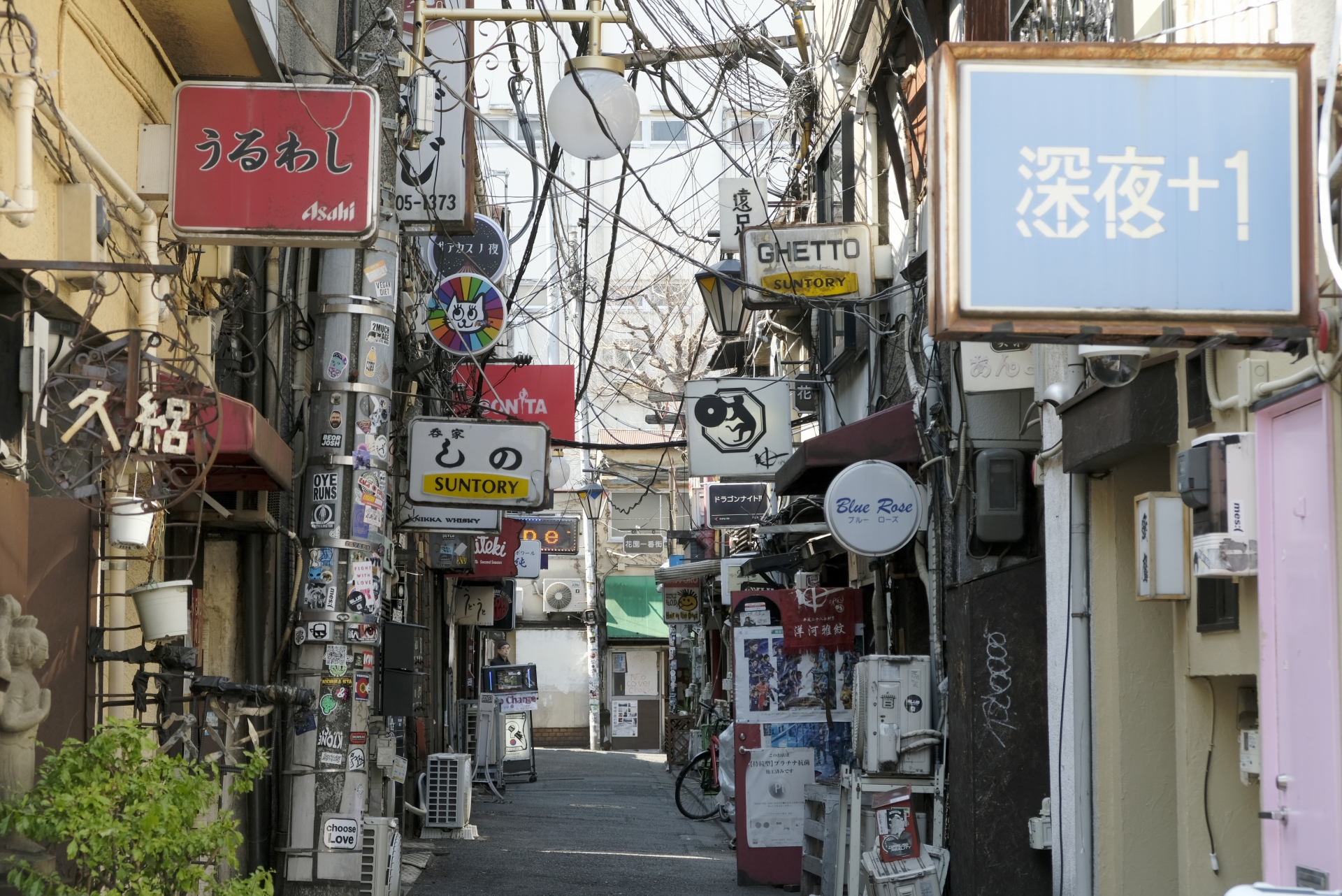
When I first stepped into a cozy izakaya in Shinjuku, I was ready for a cheap beer and some yakitori. But when the bill arrived, there was an extra charge I couldn't explain. I initially thought I was being scammed because I was a traveler. It turns out, I was just meeting my first 'Otoshibu.' This is a mandatory small appetizer served to every guest, acting as a table charge. It’s usually around the price of a coffee (approx. 300 to 500 yen), but it can catch you off guard if you aren't expecting it. I’ve learned to embrace it as a 'welcome snack'—sometimes it’s a tiny bowl of potato salad, other times it’s marinated octopus or edamame. It’s part of the experience, not a tourist trap. To get the best out of these local spots without the guesswork, I highly recommend booking a guided food tour where a local can explain these quirks in real-time.
Best for Solo Travelers
Tokyo Bar Hopping Experience
This is the exact tour I took to learn the ropes. It takes the stress out of ordering and explains all the hidden rules.
Book Your Food Tour
This helped me understand that the Otoshibu is actually a sign of hospitality, even if it feels like a surprise fee at first. The real deal is that this fee covers the seat and the service, allowing you to linger over your drinks without feeling rushed. In 2025, some chain izakayas are starting to phase this out or offer an 'opt-out' for tourists, but at the authentic 'hidden gems,' it's still the law of the land. Don't fight it; just enjoy the snack!
How to Handle the 'Otoshibu' Like a Pro
Don't try to send it back. It’s considered rude and, in most cases, the charge is non-negotiable. Think of it as your entry fee to a night of great food and atmosphere. If you're on a super tight budget, look for 'No Cover' signs, but honestly, you'll miss out on the most authentic spots if you only stick to those. Also, keep in mind that the Otoshibu is per person, not per table, so if you're in a large group, that 'small fee' adds up on the final bill.
Reading the Room: How I Found My 'Izakaya Voice'
Back home, a night at the pub means shouting over music and being as boisterous as you want. In Japan, the energy is different. I remember being in a tiny bar in Golden Gai and realizing my laughter was the only thing echoing off the walls. It was embarrassing. While izakayas can be loud, it's a 'controlled' loud. People are animated, but they rarely scream or cause a scene. I’ve found that the best way to fit in is the 'mirroring' technique. If the table next to you is whispering, keep it down. If they are cheering after a round of 'Nomihoudai' (all-you-can-drink), feel free to raise your voice a bit. Also, remember that 'Nomihoudai' is a marathon, not a sprint. I once saw a fellow traveler go too hard too fast and the staff had to gently (but firmly) ask them to leave. It's not just about how much you can drink, but how well you can hold it. Another thing to watch is the 'Kanpai' (cheers) etiquette. When clinking glasses with someone you want to show respect to—like a new local friend or a host—try to keep the rim of your glass slightly lower than theirs. It’s a small gesture that goes a long way. To make sure you have a safe place to crash after a night of testing your limits, I always suggest staying in a central neighborhood like Shinjuku or Namba.
Top Location
Shinjuku Nightlife Hotels
Staying near the action means you don't have to worry about the midnight train 'Cinderella' moment.
Find Nearby Hotels
Having a hotel within walking distance of the nightlife districts is a total game-changer for your peace of mind and your wallet.
The 2025 Truth About Last Trains and Late Nights
One thing I learned the hard way: the trains stop, and they stop early. In 2025, most major lines in Tokyo and Osaka still shut down between 11:30 PM and 1:00 AM. I’ve spent more than one night in a 24-hour karaoke box or a net cafe because I missed the last train and didn't want to pay for an expensive taxi. If you're planning to stay out late, check your 'Last Train' time on your phone maps immediately. Taxis in Japan are pristine and safe, but they are pricey, especially with the late-night surcharge that kicks in after 10:00 PM. I recommend downloading the 'Go' or 'S.Ride' apps, which are the local versions of Uber and work much better for hailing cabs in 2025. Also, be aware that while smoking was common in bars years ago, many izakayas now have strict no-smoking policies or designated ventilated booths. I always ask 'Tabako daijoubu?' (Is smoking okay?) if I'm unsure. The nightlife in Japan is incredibly safe, but the biggest danger is definitely losing track of time and being stranded! I’ve put together a quick comparison of what to expect in different types of drinking establishments below to help you plan your night.
| Establishment Type | Vibe/Expectation | Price Range |
|---|---|---|
| Local Izakaya | Loud, social, lots of small plates | approx. 3,000 - 5,000 yen |
| Standing Bar (Tachinomiya) | Quick drinks, very social, casual | approx. 1,000 - 2,500 yen |
| High-end Cocktail Bar | Quiet, refined, master mixologists | approx. 2,000+ yen per drink |
| Golden Gai Style Tiny Bar | Intimate, quirky, heavy cover charges | approx. 1,500 - 4,000 yen |