The 10,000 Yen Lesson: Why Gion is No Longer a 'Freestyle' Zone
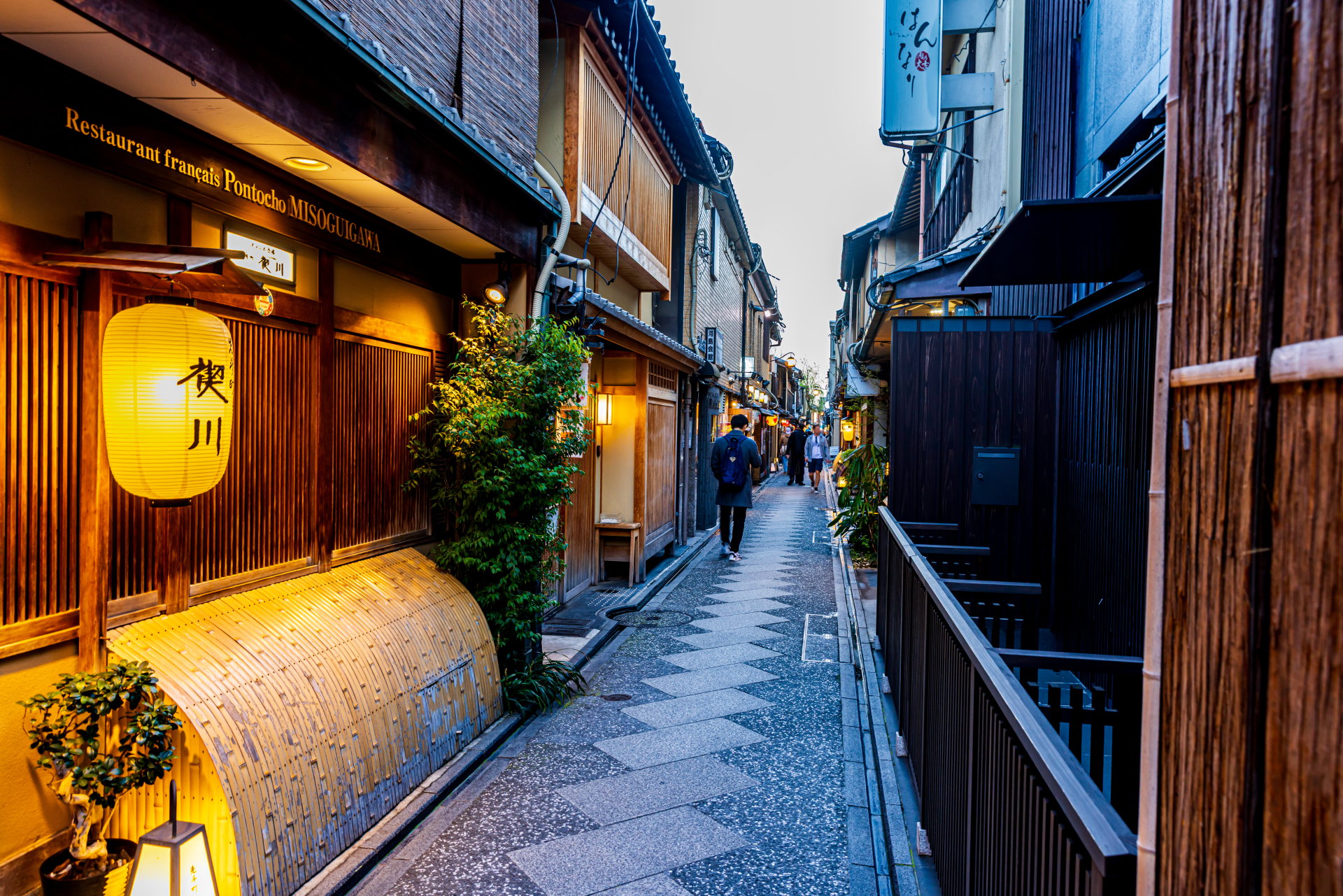
I tell everyone: in 2026, the 'I didn't see the sign' excuse doesn't work in Kyoto. The 10,000 JPY fine for entering private roads (the famous 'roji') is now a standardized municipal reality. By 2026, the city has replaced those old, faded stickers with high-tech, multilingual signage and even floor markings. The rule is simple: Hanamikoji (the main street) is fine, but those narrow, atmospheric side-lanes are likely private. I learned to look for the 'red and white' iconography. These restricted zones are now patrolled by 'Omotenashi Ambassadors' who are authorized to collect fines via digital wallets (like Apple Pay or Google Pay) right there on the sidewalk. To navigate this without anxiety, I always suggest booking a licensed cultural walk through a verified provider like Klook
Savvy Choice
Klook Licensed Gion Walking Tour
I take this tour every time I bring friends to Kyoto. It’s the only way to legally access specific alleys and learn the history without the fear of a fine.
Secure My Guided Access
. Why? Because these guides hold official permits and have pre-cleared relationships with the neighborhood councils. They know exactly which 'hidden' spots are actually okay to photograph and which ones will get you into trouble. In 2026, having a professional with you is like having a 'social license' to be in Gion. It completely removes the stress of accidentally trespassing while you're focused on the beauty of the architecture. Don't risk your vacation budget on a 'shortcut' that isn't public—the ambassadors are everywhere, and they are very efficient.
The Digital Boundary Hack
In 2026, Kyoto has implemented 'Acoustic Monitoring' in certain zones. If you're shouting or laughing loudly on a private road, it can trigger an alert to the local patrol. My savvy move? I always switch my phone to 'Gion Mode' (Do Not Disturb) the moment I enter the district. It keeps me mindful of the quiet energy that residents have fought so hard to preserve.
The Appointment Economy: How to See Gion's Real Magic Respectfully
The era of 'maiko hunting'—standing on street corners hoping for a glimpse of a Geiko—is officially over in 2026. Social norms have shifted, and the community now treats maiko commutes as private work commutes. If you're seen pointing a camera at a maiko walking to her appointment, you'll be met with immediate social disapproval and a potential verbal fine. My savvy blogger strategy is to participate in the 'Appointment Economy.' I book my tea house (Ozashiki) experiences or Gion Corner performances months in advance. It’s a much more dignified and richer experience. For staying in the heart of this sensitive area, I always search for luxury ryokans through Expedia
Logistics Pro
Expedia Gion Ryokan Collection
I always book ryokans in the Higashiyama ward that offer 'Resident Access' benefits. It’s my secret to feeling like a local, not an intruder.
Find My Gion Home
that have direct ties to the Gion neighborhood associations. These properties often provide their guests with 'Gion Protocol' briefings and can even arrange for a licensed escort to guide you to your dinner appointment through restricted shortcuts that 'normal' tourists can't use. By being a guest of a vetted property, you aren't just an outsider—you're a temporary community member. This access is the ultimate 2026 luxury. It’s the difference between being a paparazzi behind a fence and being a welcome guest at a private table. Remember, in 2026, Kyoto is looking for 'High-Value' visitors who value the culture as much as the photos. If you treat the district like a stage, you'll be treated like an intrusive audience. If you treat it like a home, you'll see its soul.
The 2026 Protocol: A Comparison of Public vs. Private Access
To survive Gion in 2026, you have to understand the hierarchy of space. I’ve put together a quick table below to help you identify where you can walk and where you must turn back. I’ve noticed that tourists who study this before their trip are much more relaxed and have a much better time. In 2026, there are also 'Digital Entry Permits' for certain high-density nights (like during Gion Matsuri or cherry blossom season). These are often bundled with your hotel or tour booking. If you don't have one, you might find Hanamikoji itself partially 'geofenced' to manage the crowd flow. My final savvy tip: Visit at dawn. Between 5:00 AM and 7:00 AM, the public roads are silent, the light is perfect for photos, and you can enjoy the district in its purest form without the 5:00 PM paparazzi rush. At that hour, even the ambassadors are off duty, but the 'Private' signs still command your respect. Be the traveler who knows the difference, and Gion will open its heart to you in a way it never does for the crowd.
| Zone Type / Area | My Savvy Access Rule | The Blogger's Truth |
|---|---|---|
| Main Public Streets (Hanamikoji) | Unrestricted Access | Permitted for walking, but no tripods or blocking traffic. |
| Private Alleys (Roji) | Strictly BANNED | Enter and you WILL be fined 10,000 JPY. No exceptions. |
| Maiko Routes | Restricted Photography | No photos of Geisha/Maiko on the street. It's now illegal. |
| Tea Houses (Ochaya) | Permission/Appointment Only | The golden ticket to high-culture. Pre-book everything! |