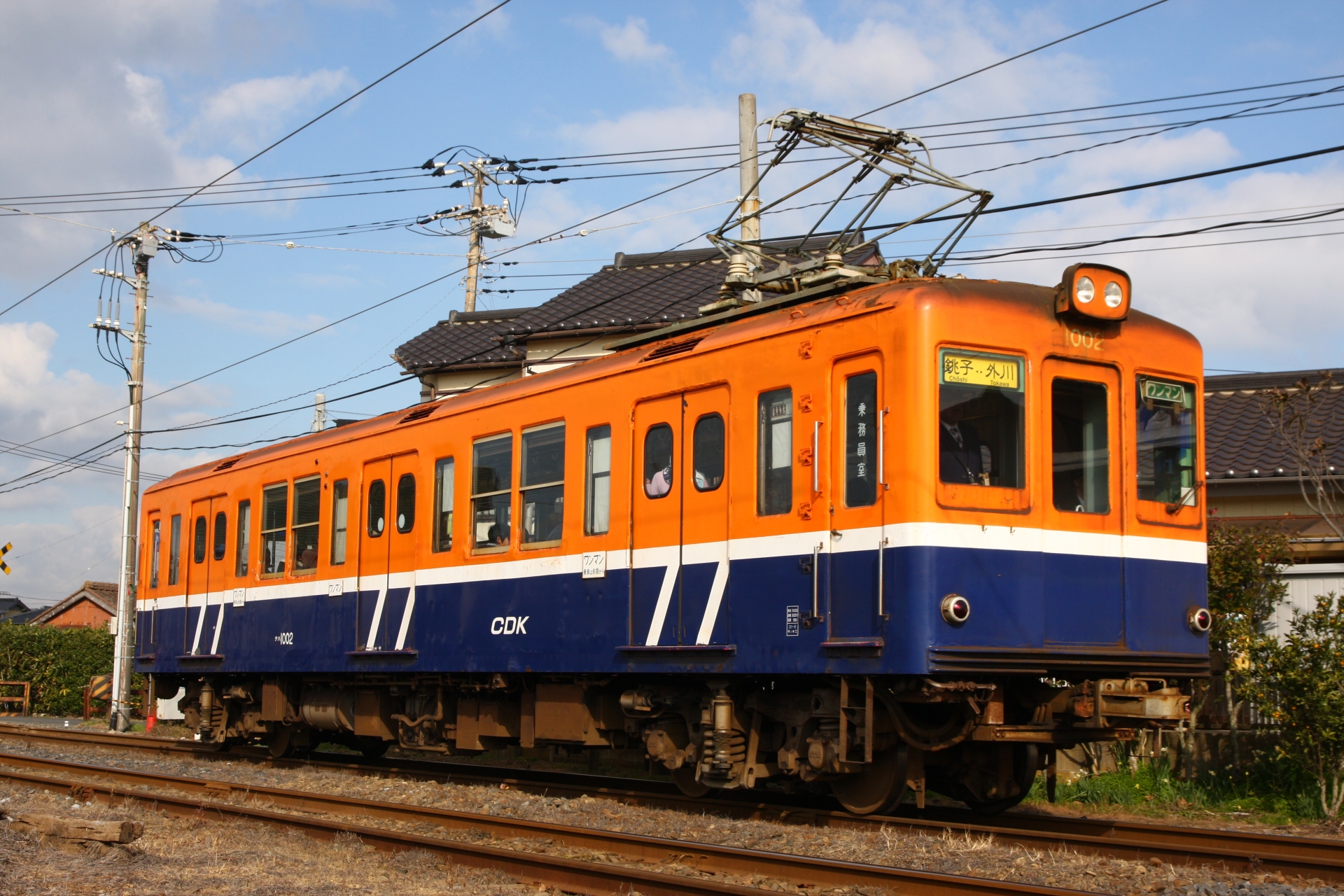
The 'Shinkansen Fallacy' and Why I Got Stuck
I’ll never forget the cold sweat I felt standing on a tiny, wind-swept platform in the mountains of Gifu. I had just finished a lovely day of hiking and assumed, like any 'savvy' traveler who had spent a week in Tokyo, that a train would be along in ten or fifteen minutes. I looked at the yellowed paper timetable and my heart sank. The next train wasn't for three and a half hours. This is what I call the Shinkansen Fallacy: the belief that because the bullet train runs every few minutes, the rest of the country follows suit. Actually, as we move through 2025, rural lines are facing 'genbin' or service reductions. Many lines that used to have hourly service now have massive gaps during the mid-day. If you are planning to visit the deep countryside, you need to treat your train schedule like a flight schedule. I now use the Japan Transit by Jorudan app religiously because it accounts for these 2025 schedule shifts better than most. To make sure you have your transport sorted before you even land, I highly recommend grabbing your regional or nationwide passes early.
Travel Essential
JR Pass & Regional Rail Passes
The most cost-effective way to handle the 2025 price landscape while securing your rural transit.
Check Pass Options
This saved me a fortune and a lot of headache when I finally realized that some rural ticket offices don't even have English-speaking staff or automated machines that take international cards.
The 2025 Scheduling Reality
The truth is, Japan is facing a labor shortage in the rail sector. This means fewer drivers and fewer late-night services. When I travel now, I always check the 'Last Train' (Shu-den) time the moment I arrive at a rural station. Don't trust your gut; trust the physical sign on the platform. I also make it a point to carry a physical printout or a screenshot of the return schedule because cell service can be spotty in the tunnels of the Japanese Alps. It sounds old-school, but it’s a shortcut to peace of mind.
Hacks for Booking those 'Joyful Trains'
We’ve all seen the TikToks of those gorgeous glass-topped trains winding through snowy forests or coastal cliffs. These are often called 'Joyful Trains,' and they are a dream—if you can actually get a seat. In 2025, the demand for these scenic routes has skyrocketed thanks to social media, but the number of cars hasn't increased. I made the mistake of trying to book the 'Shimakaze' to Ise-Shima just two days before my trip. Everything was gone. These trains are almost 100% reservation-only now. You cannot just hop on with a JR Pass and hope for the best. I’ve learned that the secret is to book exactly one month in advance when the reservation window opens at 10:00 AM JST. If you're staying in a rural hub like Takayama or Kanazawa, it's also smart to book your accommodation right next to the station so you don't have to worry about missing those rare, early-morning departures.
Blogger's Choice
Station-Front Hotels in Japan
Avoid the stress of rural commutes by staying within walking distance of the tracks.
Find Hub Hotels
Having a base camp near a major junction is my favorite shortcut to exploring the deep country without the stress of missing the only train back for the day.
The Rural Station Survival Guide
When you do find yourself at a rural station with a two-hour wait, don't panic. Some of my best memories from 2025 have come from these forced pauses. I’ve found tiny 'standing-only' soba shops and local craft stalls that I never would have seen if I were rushing. But you need to be prepared. Unlike the major hubs, rural stations often lack lockers for large suitcases and definitely don't have 24-hour convenience stores. I always carry a 'survival kit' which includes a portable battery, a physical book, and some snacks from a city-center Konbini. I also suggest checking if the station has a 'Eki-naka' (inside station) shop, though in rural areas, these often close by 4:00 PM. Here is a quick comparison of what to expect based on my recent treks through the countryside.
| Feature | Major Hub (Tokyo/Osaka) | Rural Station (Tohoku/Kyushu) |
|---|---|---|
| Train Frequency | Every 3-10 minutes | Every 1-4 hours |
| IC Card Usage | Universal (Suica/Pasmo) | Often Cash/Paper Ticket Only |
| English Signage | Extensive | Minimal to None |
| Staff Availability | 24/7 Assistance | Often Unmanned (Mujin-eki) |