The Moment I Realized I Was Doing It All Wrong
I remember standing in a tiny shop tucked away in a Kyoto side street back in 2021, holding a piece of navy blue cotton like it was a complex IKEA manual I didn't have the tools for. I’d lived here for a year and thought I knew what I was doing. I didn't. I was about to buy a 'pre-tied' obi—you know, the ones that look like a plastic butterfly stuck to your back—when this tiny, formidable woman who must have been 80 years old literally swiped it out of my hand. She didn't speak a word of English, but her 'No' was universal. She spent the next forty minutes showing me how a real cotton yukata should feel, how the patterns should align, and why the 'cheap' ones from the tourist traps near the station are basically glorified pajamas.nn
Top Rated
Authentic Yukata Rental & Styling
Don't just buy, learn to wear it first! This professional styling session in Kyoto includes a full yukata set, hair styling, and a guided walk through Gion to get those perfect shots. You'll feel the difference between a DIY job and a pro wrap.
I've done this twice with visiting friends—it's the only way to learn the 'left-over-right' rule properly.
Book Styling ↗
nnThat day changed how I looked at Japanese craftsmanship. It’s not just about a robe; it’s about the weight of the fabric, the way the geta (sandals) click on the pavement, and the hidden language of the patterns. I felt awkward at first, standing there in my socks while she wrapped me up like a decorative burrito, but when I finally caught a glimpse of myself in the mirror, I didn't look like a tourist in a costume. I looked like I belonged. It was the first time I felt the 'wa' (harmony) everyone talks about. Since then, I’ve made it my mission to help people avoid the shiny, polyester nightmares sold at major hubs and find the shops where the locals actually go. Trust me, the difference between a 3,000 yen 'kimono set' and a 12,000 yen authentic yukata is the difference between a paper plate and fine china. You’re going to want to get this right because a good yukata will last you a lifetime, while the cheap stuff will fall apart before you even get through airport security. Seriously. Don't be the person wearing a polyester sweat-trap in 35-degree humidity.
Look for shops that offer a 'fitting' service. If they just hand you a bag and point to a mirror, keep walking. A real shop wants to make sure you know how to tie the basics.
What You Need to Know Before You Spend a Single Yen
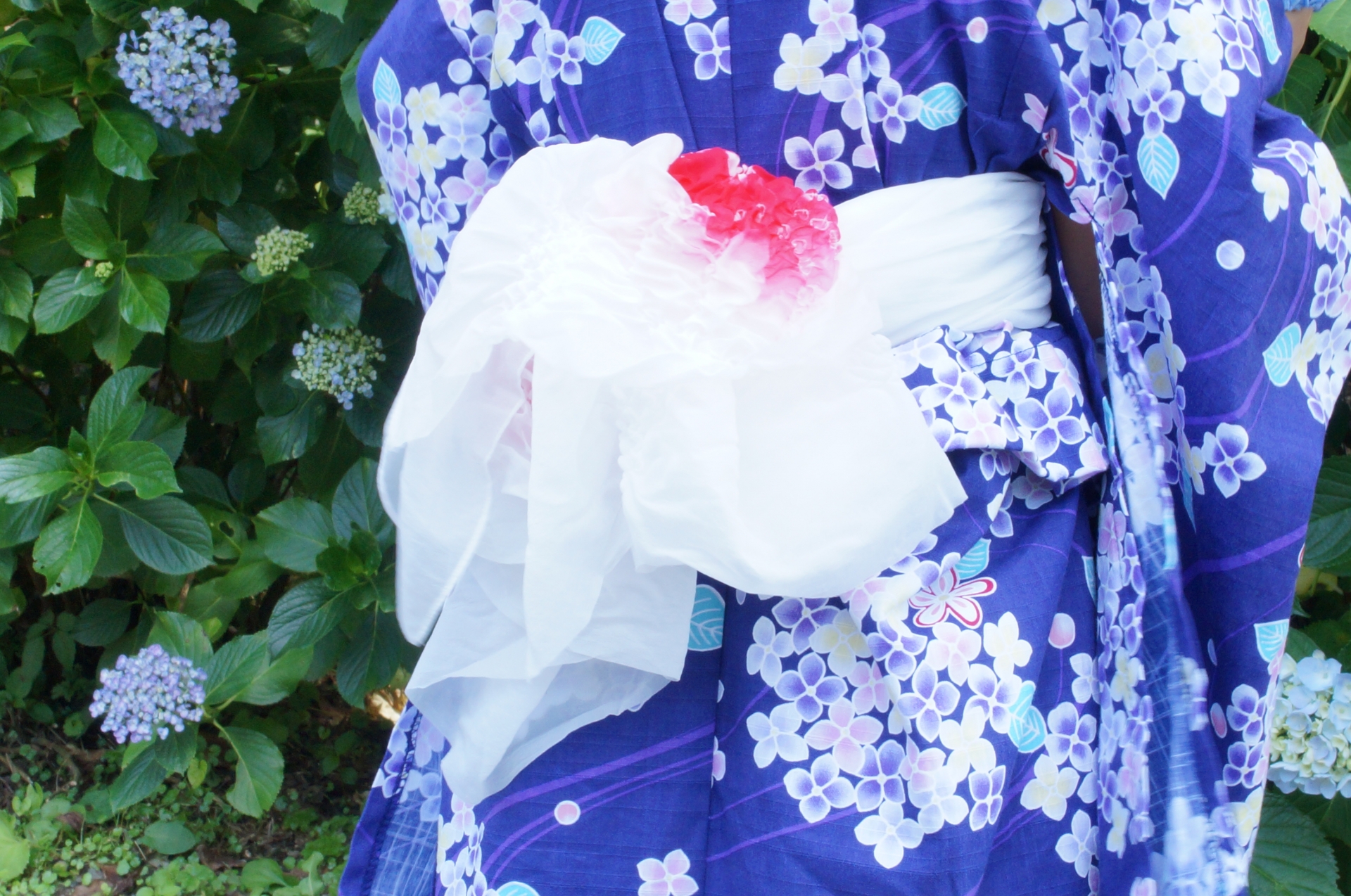
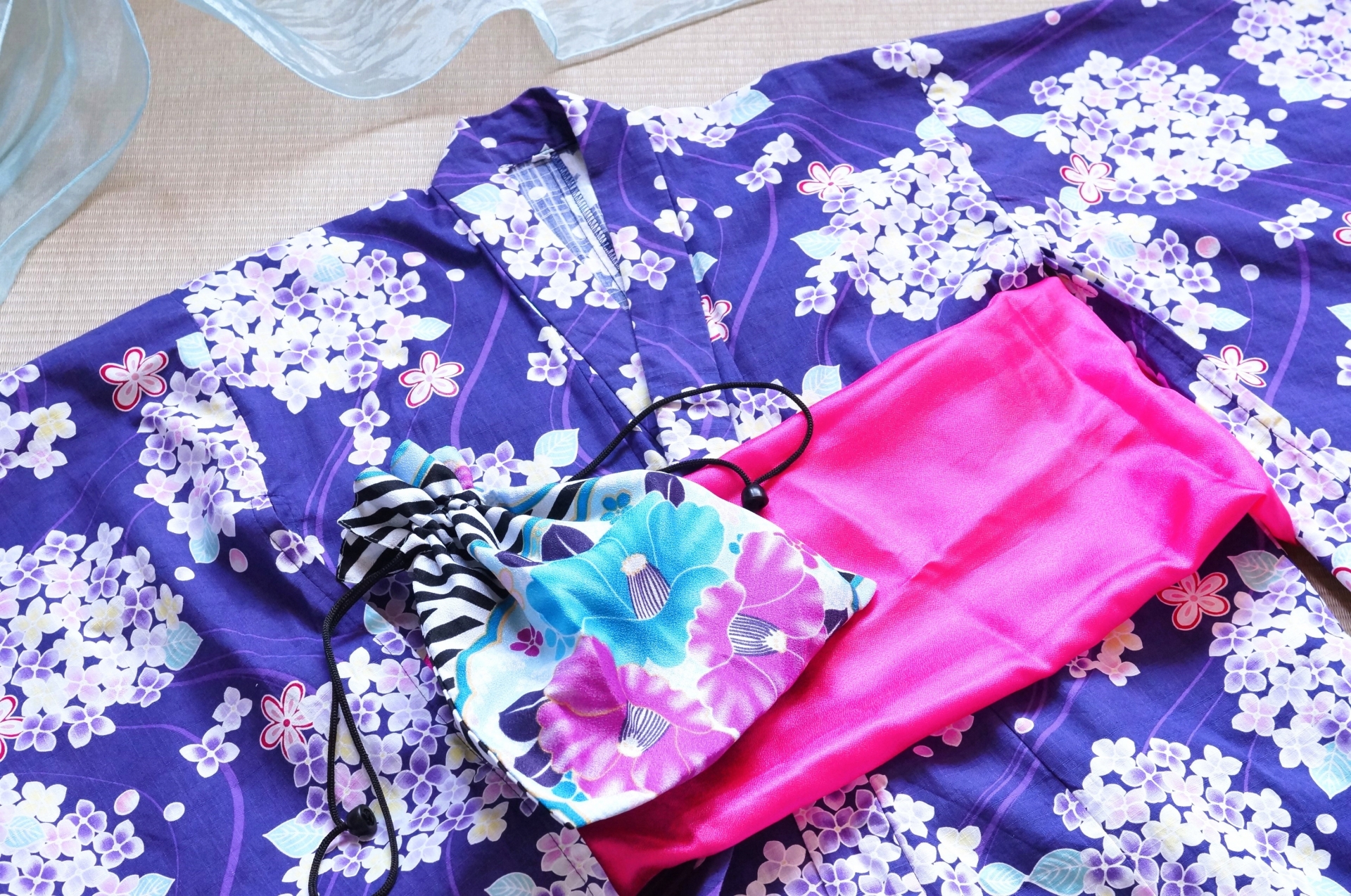
Let’s get one thing straight: Yukata is the casual, summer version of the Kimono. It’s cotton, it’s breathable, and it’s meant for festivals and lounging. But even 'casual' has rules. My biggest rookie mistake? Folding the right side over the left. Don't do that. That’s how they dress bodies for funerals. I did it at my first Hanabi (fireworks) festival in Osaka and wondered why several elderly women were looking at me with pure horror. Left over right, always. When you're shopping in places like Asakusa or Kyoto’s Teramachi district, you’ll be overwhelmed by 'Wa-zakka'—traditional Japanese goods. This includes everything from tenugui (hand towels with incredible prints) to furoshiki (wrapping cloths).nnOh, and here's the thing: the magic is in the accessories. A high-quality fan (sensu) or a handmade drawstring bag (kinchaku) completes the look.
Best Location
Stay in the Heart of Tradition
Stay in the Gion area of Kyoto to be steps away from the best traditional shops. Walking back to your hotel in your new yukata at sunset is a core memory waiting to happen. The atmosphere here after 6 PM is pure magic.
The morning light in Gion is perfect for photos before the crowds arrive.
Find Hotels ↗
I once spent two hours just picking out an obi cord because the shopkeeper insisted that the shade of green I chose 'clashed with the soul of the fabric.' She was right, by the way. Also, be prepared for the 'geta' struggle. Those wooden sandals look cool, but they will murder your feet if you don't break them in or wear the little toe-socks (tabi). I once tried to hike up to Kiyomizu-dera in brand new geta and ended up carrying them and walking barefoot like a total amateur. Learn from my pain. Buy the socks. Check out the fabric weight too; if you can see your hand through it when you hold it up to the light, it’s too thin and will stick to you the second you start sweating in the July humidity. Real yukata have a crispness to them that keeps the air flowing. You'll thank me later when you're not drenched in sweat while waiting for the fireworks to start.
If you're in Kyoto, skip the main street of Gion and head to the 'Antique' district around Shinmonzen-dori. You can find vintage silk accessories for half the price of the new stuff.
The Practical Guide to Not Getting Fleeced
So, where do you actually go? If you’re in Tokyo, Asakusa is the heart of this stuff, but you have to be careful. Avoid the stalls directly on Nakamise-dori; they’re overpriced. Instead, duck into the side streets like Denpoin-dori. In Kyoto, the Teramachi and Shinkyogoku covered arcades are goldmines for Wa-zakka. You can find everything from 800-yen tenugui to 60,000-yen hand-painted fans. Expect to spend around 10,000 to 18,000 yen for a solid, mid-range yukata set that includes the robe, the obi, and the sandals. If you’re looking for high-end, you’re looking at 35,000 yen plus. Most of these shops have staff who can speak 'shopping English'—enough to help you with sizes and colors.nnOn top of that, the sizing is usually based on height, so know your height in centimeters before you go. It’ll save a lot of 'point and guess' gesturing. Duration-wise, give yourself at least two hours. This isn't a 'grab and go' situation. You need to hold the fabrics against your skin, see how the light hits the patterns, and maybe even get a mini-lesson on how to tie the knot. Is it worth it? Absolutely. Every time I wear my yukata back home or even to a local festival in Tokyo, people stop me. Not because I’m a foreigner in Japanese clothes, but because the quality stands out. It’s a piece of art you can wear. Just remember to pack it carefully on the way home—roll it, don't fold it into a ball, or you'll be ironing out wrinkles for the rest of your life. And please, for the love of all things holy, check the official shop websites for their closing days. Many traditional shops close on Wednesdays or have weird hours that Google Maps doesn't always catch. Trust me, there's nothing worse than trekking to a shop only to find the shutters down.
Ask for 'chusen' dyed fabrics. It’s a traditional technique where the pattern is visible on both sides of the cloth. It’s the mark of a truly high-quality piece.