The Moment the World Blurred: Why I’ll Never Get Tired of This
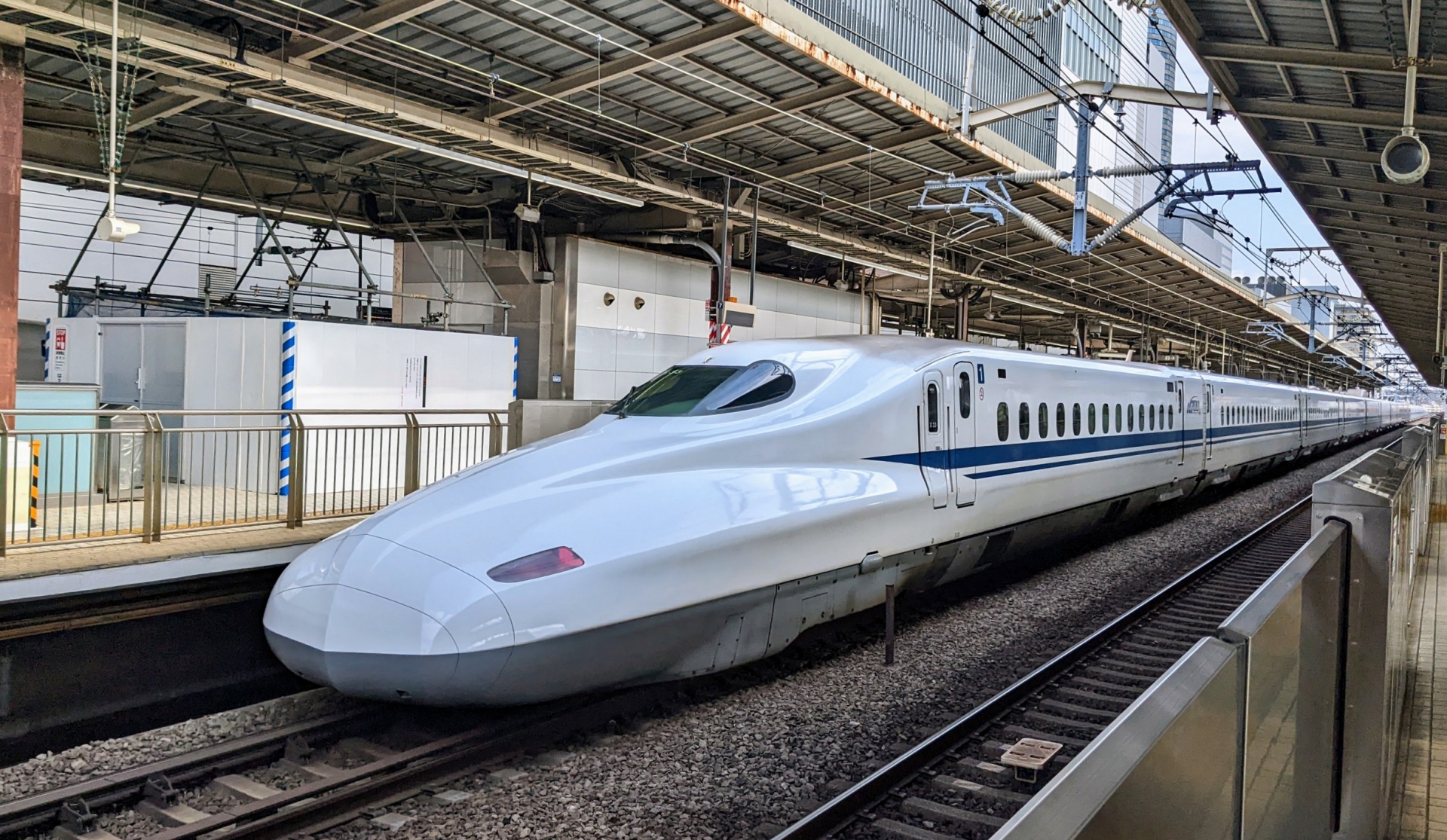
I remember my very first trip on the Nozomi like it was yesterday. I’d been in Tokyo for three days, my brain was absolutely fried from the neon lights of Shinjuku, and I just wanted to get to Kyoto without losing my mind. I stood on the platform at Tokyo Station, clutching a ticket I barely understood, watching the '7-Minute Miracle'—that’s when the cleaning crews flip a whole train in seven minutes flat. It’s hypnotic. They move like a choreographed dance troupe, bagging trash and spinning seats in total unison. But the real magic happened about twenty minutes after we pulled out. I was sitting there, bracing for the jerky movements of a normal train, but it never came. We were doing 300km/h and my coffee didn't even ripple. I literally stopped mid-sentence while talking to my partner. The urban sprawl of Kanagawa just melted into emerald green tea fields, and for about ten seconds, the entire carriage was silent except for the faint hum of the motor. It felt like flying, but with better legroom and a much better view. nnBut let me tell you about the time I totally screwed it up. I was being 'efficient' and didn't book a reserved seat during Golden Week back in 2021. Big mistake. Huge. I spent two and a half hours standing in the vestibule between cars, leaning against my suitcase while salarymen pushed past me to get to the bathroom. My legs were jelly by the time we hit Shin-Osaka. Don't be like 2021 Alex. Book your seat in advance, especially if you’re hauling luggage. If you want to make sure you actually get a spot for your bags and a view of the mountain, you should grab your
Best Seller
Shinkansen One-Way Ticket
Secure your seat on the world-famous Nozomi bullet train from Tokyo to Osaka or Kyoto. Includes reserved seating and luggage space booking to ensure a stress-free 2.5-hour journey through the heart of Japan.
Skip the confusing ticket machines and guarantee a window seat for those iconic Fuji views.
Book Tickets ↗
tickets at least a few days before you plan to travel. Trust me, the peace of mind is worth every single yen. There is something deeply meditative about watching Japan fly by at speeds that should feel violent but feel like a lullaby instead. Even now, after five years of living here, I still find myself staring out the window like a wide-eyed kid every single time. The way the rice paddies reflect the sky in the summer or the way the snow starts to appear as you hit Gifu—it’s a cinematic experience that no airplane can match. Plus, you don't have to deal with the soul-crushing experience of airport security. You just walk onto the platform, find your car, and you're off. It's civilized travel in its purest form.
If you are traveling from Tokyo towards Osaka, always request 'Seat E' in ordinary cars or 'Seat D' in Green Cars. That is the side where Mount Fuji appears about 40-45 minutes into the trip.
The Art of the Ekiben: What You Need to Know Before You Board
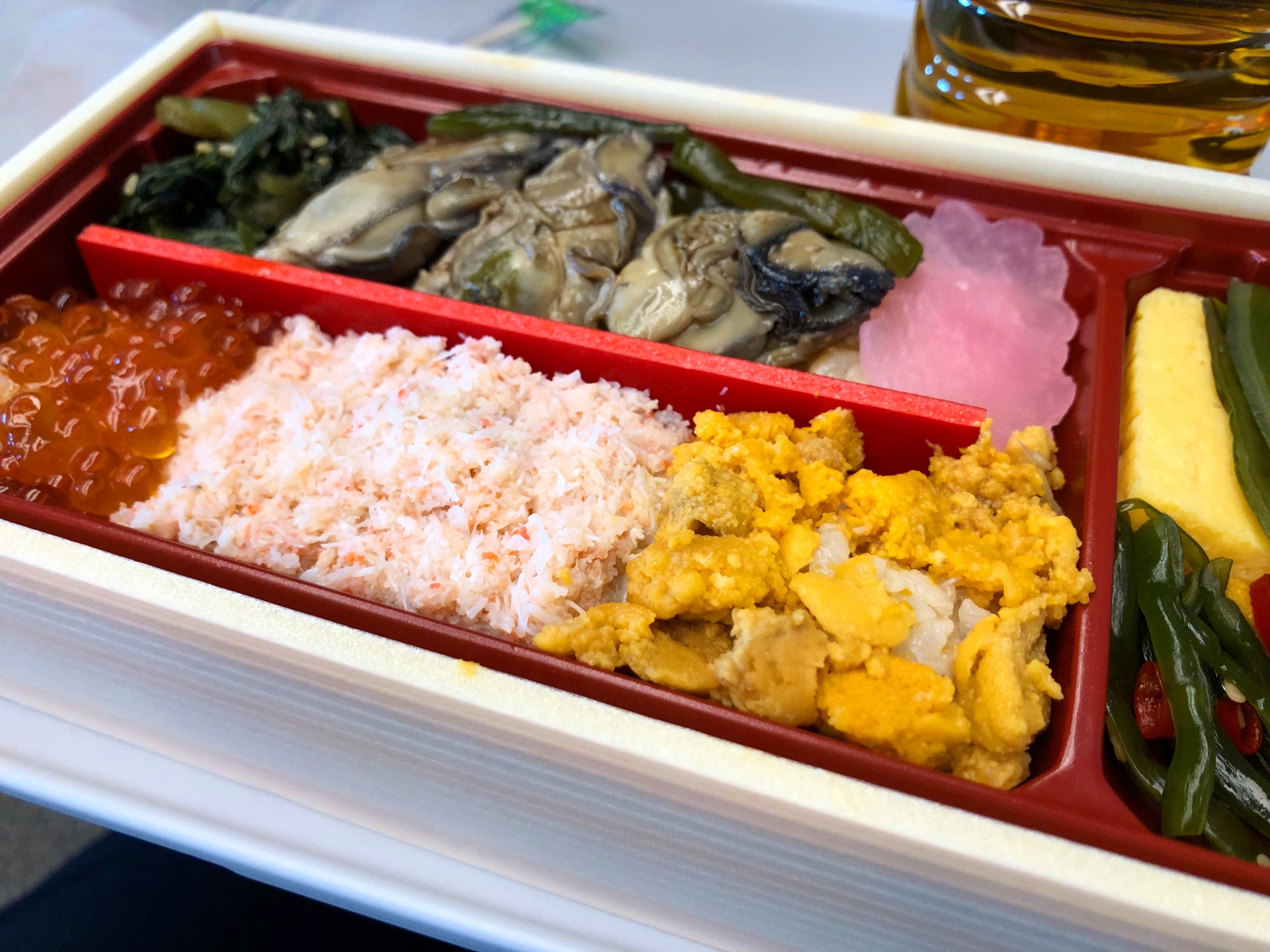
You cannot—and I mean this—board a Shinkansen without an ekiben. These are 'station bentos,' and they are a whole subculture in Japan. My first time, I made the rookie error of thinking I’d just buy a sandwich on the train. The trolley came around, but the selection was tiny compared to the massive 'Ekiben-ya Matsuri' shop inside Tokyo Station. Now, I have a ritual. I get to the station 45 minutes early just to browse. I once bought a bento shaped like the nose of the train; it was overpriced and the rice was a bit cold, but the joy of eating octopus dumplings while hurtling through the countryside is unmatched. On top of that, the seasonal specials are incredible. In autumn, you'll find chestnut rice and grilled mackerel that tastes like it was caught that morning. nnOne thing that catches people off guard is the luggage rule. Back in 2020, they introduced a rule where if your bag is over a certain size (basically anything larger than a standard carry-on), you HAVE to book a specific 'oversized luggage' seat. I saw a tourist get hit with a ¥1,000 fine and a lot of 'sumimasen' bowing because they just shoved a massive trunk into the overhead rack. It’s awkward for everyone. Just check the dimensions before you go. And speaking of being prepared, I always recommend staying somewhere within a 10-minute walk of the Shinkansen gates. I once stayed in a tiny Airbnb three transfers away and nearly missed my 6 AM train because the local lines weren't running yet. Finding a solid
Expat's Choice
Stay Near Tokyo Station
The Marunouchi area offers luxury and convenience, putting you steps away from the Shinkansen platforms. Perfect for early morning departures and avoiding the rush hour subway crush with heavy bags.
A 5-minute walk to the platform beats a 40-minute cross-town commute every single time.
Find Hotels ↗
hotel near Tokyo or Shinagawa station saves you so much morning stress. nnAlso, keep your voice down. The Shinkansen is basically a library that moves at 200mph. I once took a call on my phone in my seat and the lady behind me gave me a look so cold I think I actually shivered. If you need to talk, head to the space between the carriages. It’s these little cultural gears that make the whole machine run so smoothly. Oh, and here's the thing about the trash: you take it with you. There are bins at the end of each car, but leaving a mess at your seat is the ultimate expat sin. I’ve seen people leave entire bento boxes behind, and the collective sigh from the rest of the carriage is audible. Just be cool, keep it quiet, and enjoy the feast.
Look for the 'Self-Heating' ekiben. They have a little string you pull that triggers a chemical reaction to steam the food. It's like magic and tastes way better than the cold ones in winter.
The Practical Stuff: Booking, Classes, and Avoiding the Crowds
So, how do you actually do this without losing your mind? You have three main choices: The Nozomi (fastest, fewer stops), the Hikari (middle ground), and the Kodama (stops at every single station). If you’re using a JR Pass in 2026, remember that the prices went up a lot a couple of years ago. You now have to pay a supplement to ride the Nozomi, but honestly? It’s often worth it to save that extra 30 minutes. Personally, I think the Green Car (First Class) is worth the splurge if you’re traveling for more than three hours. The seats are wider, they have footrests, and the 'Oshibori' (hot towel) service makes you feel like royalty. It’s the closest I’ll ever get to private jet vibes. nnBut here is the real tip: use the Smart-EX app. You can link your credit card and your IC card (like Suica or Pasmo), book your seat on your phone, and then just tap your phone at the Shinkansen gate. No paper tickets to lose. I once lost my paper ticket somewhere between the ticket machine and the gate and had to buy a whole new one. I nearly cried. The app prevents that heartbreak. Also, if you’re on a budget, look for the 'Puratto Kodama' deal. It’s a special ticket for the slowest train that includes a free drink (yes, even beer) and costs significantly less than a standard ticket. It takes an extra hour to get to Osaka, but if you’ve got a good book and a cold drink, who cares? nnFinal recommendation: Don't rush the exit. People start lining up at the doors ten minutes before the train reaches the station. Stay in your seat. The train stops for a decent amount of time, and there's no need to stand in a cramped aisle like a sardine. Enjoy those last few minutes of the smoothest ride of your life. When you finally step off at Shin-Osaka, you'll feel refreshed instead of drained. That’s the Shinkansen difference. Just make sure you have your exit strategy planned—the stations are massive, and it's easy to get turned around if you're not following the yellow signs.
If the station bento shops are too crowded, head to the basement 'Depachika' (department store food halls) like Daimaru at Tokyo Station. The food is higher quality and often cheaper than the specialized bento shops on the platform.