Why I Swapped Skyscrapers for Soba Making
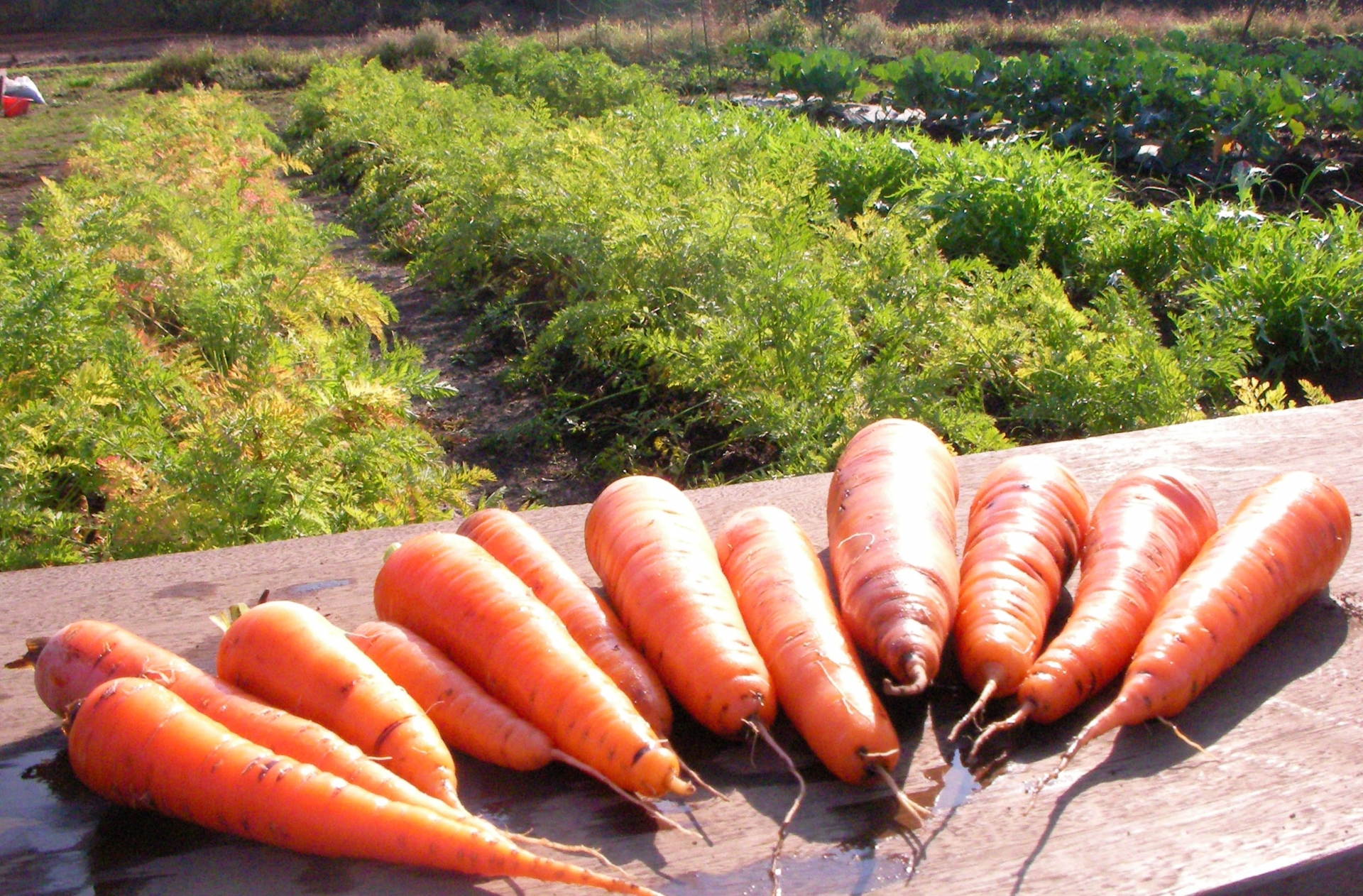
I was staring at a giant huntsman spider in the corner of a 150-year-old farmhouse in Gifu, questioning every life choice that led me away from my climate-controlled hotel in Tokyo. It was early 2026, and I was doing my first real 'Nouhaku' (farm stay). But then, Mrs. Tanaka—a woman who moved with the speed of a teenager despite being eighty—handed me a bowl of steaming miso soup she’d made from scratch that morning. The spider didn't matter anymore. The soup tasted like actual sunshine. In the five years I’ve lived here, I’ve realized that 2026 has made Japan busier than ever. The 'Golden Route' is absolutely packed with people chasing the same TikTok angles. If you want to actually see the soul of this country, you have to get your boots dirty. I spent that afternoon failing miserably at harvesting radishes. I thought I was strong until I saw a grandmother pull three out of the ground before I’d even cleared the dirt from one. We laughed until our ribs hurt, despite the fact that my Japanese was shaky and her English was non-existent. We communicated through the universal language of 'oishii' (delicious) and exaggerated hand gestures. nnBooking a Rural Farm Stay Experience
Authentic Choice
Authentic Farm Stay Experience
A fully immersive 2-day stay in a traditional farmhouse. Includes hands-on cooking classes, seasonal harvesting, and all meals prepared with the family in the Gifu or Nagano mountains.
These small-scale family stays fill up months in advance as travelers ditch the crowded cities in 2026.
View Availability ↗
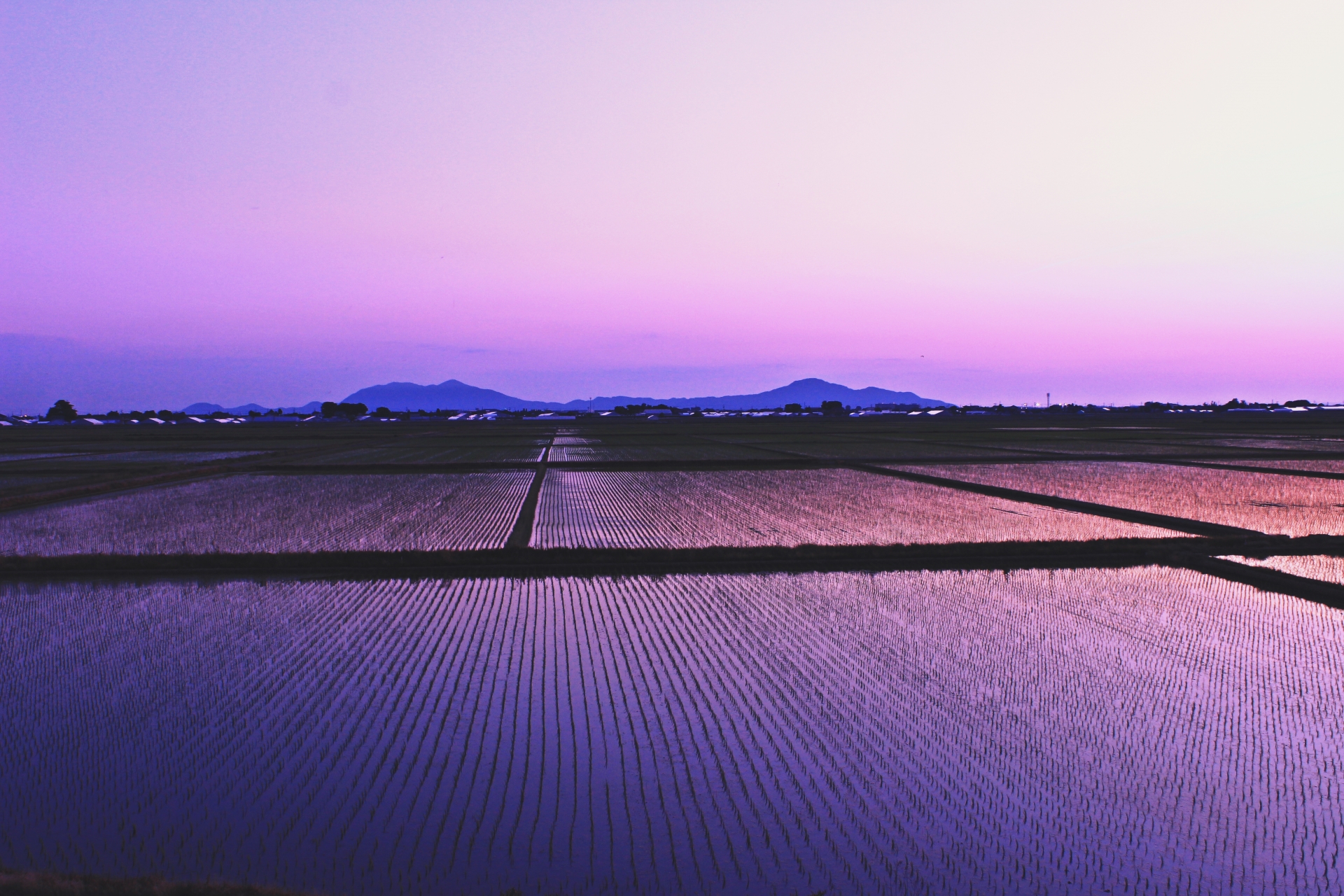
was the moment I stopped being a tourist and started being a guest. It’s awkward at first, sure. You’re in someone’s home. You’re sleeping on a futon that’s a bit firmer than you’re used to. But when the sun sets over the terraced rice fields and the only sound is the wind in the cedar trees, you’ll realize what you’ve been missing in the neon haze of the cities. I remember sitting on the 'engawa' (wooden porch) that night, watching fireflies. No video can capture that specific smell of damp earth and woodsmoke. It was the first time in months I hadn't checked my phone for three hours. Trust me, your brain needs this. You'll find that the silence isn't empty; it's full of the sounds of the mountain—frogs, wind, and the occasional creak of a house that has seen more history than your entire home city. It’s a total reset for the soul. Seriously. Go early in the season before the humidity hits, and you'll see what I mean. The air up there in Gifu just hits different.
Bring a small gift (omiyage) from your home country or a nice department store in Tokyo. It’s a huge cultural 'win' and breaks the ice immediately.
The Reality Check: It’s Not a 5-Star Hotel
Let’s get real for a second because I don't want you showing up with a Louis Vuitton suitcase expecting a bellhop. This is a home. My first mistake? I brought a massive hard-shell suitcase. Dragging that thing across centuries-old tatami mats is the fastest way to make your host cry. Don't be that person. Use a backpack or a small carry-on. You’ll likely be staying in a traditional guesthouse or a family home
Top Rated Area
Base Yourself in Takayama
If a full farm stay feels too intense, stay in a traditional Ryokan in Takayama. You get the aesthetic and the local Hida beef with a bit more privacy and English support.
The perfect middle ground between a hotel and a farm, located right on the edge of the Japanese Alps.
Find Ryokans ↗
, which means shared bathrooms and walls made of paper—literally. I once accidentally poked a hole in a shoji screen while trying to find the light switch in the dark. I felt like a criminal. But the trade-off is the food. You aren't getting some mass-produced buffet. You’re getting 'Kyodo Ryori', or local soul food. We made 'hoba miso' over an open fire—miso paste grilled on a magnolia leaf—and I swear I’ve never tasted anything better. nnYou’ll be expected to help out. Whether it’s chopping vegetables, laying out your own futon, or actually heading into the fields to pick your dinner, participation is the price of admission. It’s not 'work' in the corporate sense; it’s a connection. One morning, I was tasked with cleaning the rice cooker. I thought I was done, but Mrs. Tanaka pointed to a single grain I’d missed. She wasn't being mean; she was teaching me 'mottainai'—the concept of not being wasteful. It’s these tiny interactions that stick with you. You’ll see the photo spots that tourists pay hundreds to visit, but you’ll be seeing them from the host's backyard while holding a cup of green tea. It’s a completely different vibe. Oh, and here's the thing: the floors are cold. Even in 2026, these old houses don't have central heating. You'll be wearing four layers of wool and huddled around the 'irori' (sunken hearth), but that's where the best stories are told. You'll hear about the village history, the local legends, and why the neighbor's cat is considered a local deity. It's messy, it's real, and it's beautiful.
Wear slip-on shoes. You will be taking them on and off fifty times a day. Laces are your worst enemy in a Japanese farmhouse.
How to Actually Pull This Off (Without Stress)
So, how do you actually find these places? In 2026, there are more platforms than ever, but I still prefer the ones that vet the families. You want a host who actually wants to talk to you, not just someone renting out a spare room. Look for stays in areas like the Ina Valley in Nagano or the rural outskirts of Kyoto prefecture. These spots are accessible by train but feel worlds away. Most hosts will offer a pick-up service from the nearest station—take it. Rural Japanese buses are a labyrinth that even I haven't fully mastered after half a decade here. Price-wise, expect to pay around 15,000 to 20,000 yen per person, which usually includes two massive, home-cooked meals. nnIf you're worried about the language barrier, don't be. Most hosts use translation apps, and honestly, the best moments are the ones where words fail anyway. I’d recommend staying at least two nights. The first night is for getting over the awkwardness; the second night is when you actually start feeling like part of the family. I’ve gone back to visit my Gifu 'grandparents' three times now. Every time I leave, they stand at the gate and wave until my car is out of sight. It’s a far cry from the cold 'check-out' at a Hilton. On top of that, you'll find that the local community is incredibly welcoming if you show even a shred of interest in their way of life. I once ended up helping a neighbor fix a stone wall just because I happened to be walking by. If you're looking for a deep dive into Japanese culture that isn't scripted or sterilized, this is it. It’s the only way to see the Japan that exists behind the postcards. Just make sure you book well in advance for 2026, as these spots are becoming the 'it' thing for travelers tired of the city grind. You'll thank me when you're eating rice you harvested yourself while watching the sun dip behind the Japanese Alps.
Download the 'DeepL' translation app before you go. It handles Japanese grammar way better than Google Translate when you're trying to explain where you're from.