Why I Stopped Buying New Clothes in Tokyo
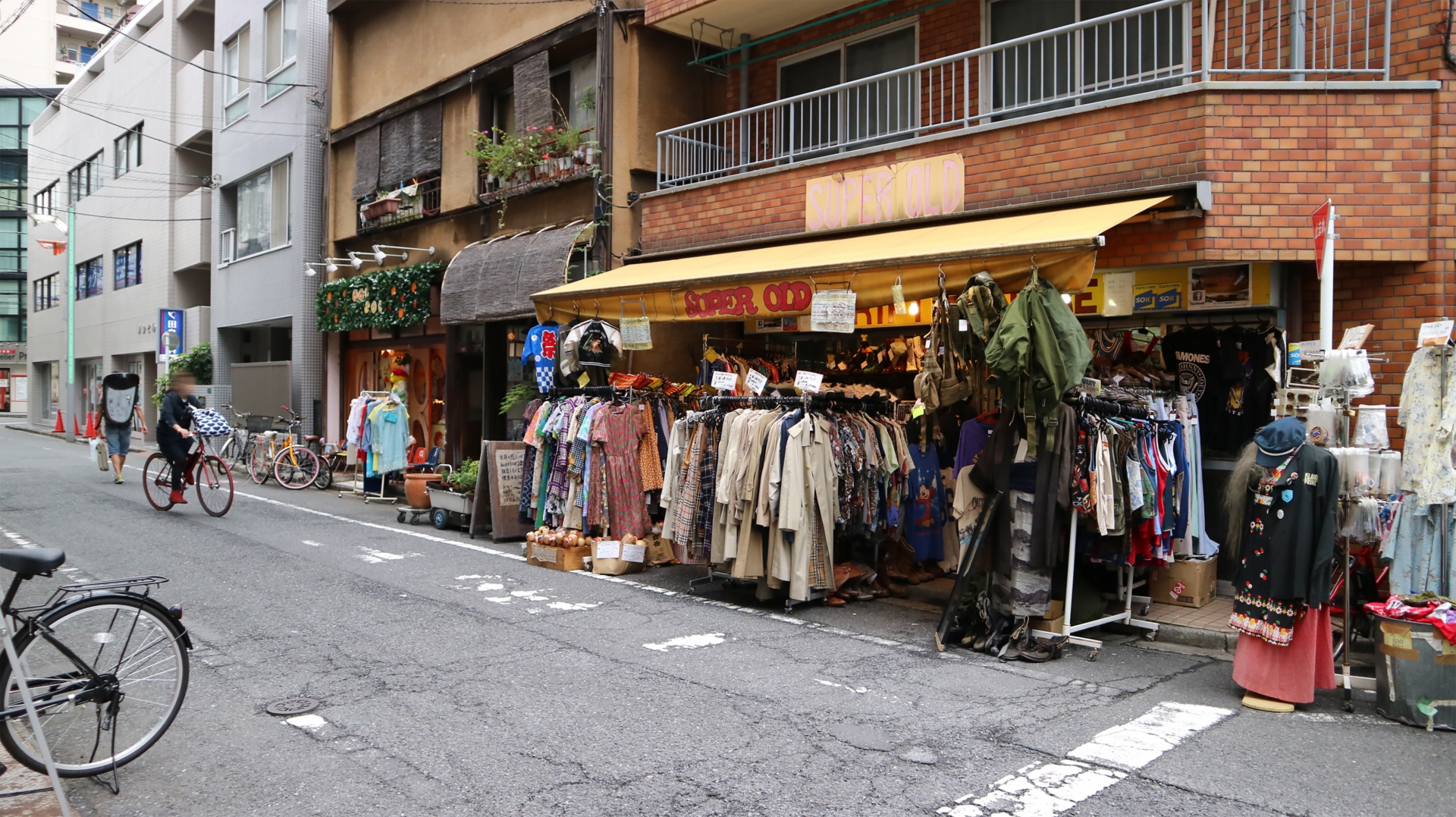
The first time I stepped into a Shimokitazawa thrift shop, I was sweating through my shirt. It was mid-August, 2021, and I had no idea that most shops didn't even open until noon. I stood there like a total rookie, melting on a street corner while the shopkeepers slowly rolled up their shutters. It was 12:15 PM. I’d been there since 10. But then, I found it: a perfectly worn-in, 1980s Yamaha racing jacket for about 4,000 yen. I didn't just buy a jacket; I bought a piece of Japanese history that fit me better than anything from a mall. That’s the magic of the 'Shimokita' vibe. It’s not just about clothes; it’s about the hunt. Since then, I’ve spent countless weekends digging through basements and narrow stairwells. You’ll find everything from high-end European designer archives to 'remake' fashion where someone has stitched three different flannels into a masterpiece. nnIf you’re serious about seeing the real creative heart of Tokyo, you need to book a guided walking tour to find the hidden spots that don't show up on Google Maps.
Top Rated
Shimokitazawa Fashion Tour
Let a local fashion expert lead you through the labyrinth of Shimokitazawa's best-kept secrets. This 3-hour walking tour covers hidden basements and exclusive 'remake' ateliers you'd never find alone.
I wasted two years finding these spots—you can do it in one afternoon.
Book the Tour ↗
Trust me, the best shops are usually down an alleyway that looks like a dead end. I once found a shop that only sold vintage buttons and lace—nothing else. It was bizarre, beautiful, and exactly why I love this city. You don't get this experience in the shiny Ginza department stores. You get it here, where the air smells like incense and old denim, and the shop staff look like they just stepped off a movie set. It’s intimidating at first, sure. But once you realize everyone is just there to express themselves, you’ll stop worrying about looking 'cool' and start looking for what speaks to you. nnAnd here's the thing: Shimokitazawa has changed a lot since the new 'Mikan' and 'Reload' developments opened up under the tracks. It’s cleaner now, but the soul is still in those dusty basements. You have to look past the shiny new cafes. On top of that, the sheer volume of inventory is staggering. You could spend three days here and not see half of it. I usually start near the North Exit and work my way toward the residential areas where the rent is cheaper and the finds are weirder. Oh, and don't be surprised if you see a shop that looks like a literal garage—those are usually where the best ¥1,000 bins are hidden. Seriously. Go early, but not '10 AM' early. Aim for 1 PM if you want the full experience.
Most vintage shops in Japan don't open until 12:00 PM or 1:00 PM. Don't show up at 10:00 AM expecting to shop—you'll just be hanging out with the crows.
The Reality Check: Harajuku vs. Koenji vs. Osaka
Listen, I love Harajuku, but Takeshita Street is a tourist trap. Avoid it. If you want real vintage, you have to go to 'Ura-Hara' (the backstreets). This is where I made my biggest mistake: I assumed everything would be cheap. I walked into a shop near Cat Street, saw a pair of Levi’s from the 60s, and nearly choked when I saw the price tag was over 100,000 yen. Japan takes 'vintage' very seriously; it’s often treated like fine art. If you want better prices and a grittier vibe, hop on the Chuo Line to Koenji. It’s less 'Instagram-perfect' and more 'I-live-in-a-rock-band-and-smoke-too-much.' It’s brilliant. nnAnd then there’s Osaka. If you’re staying in a central spot like Shinjuku or Shibuya, you're just a Shinkansen ride away from Amerikamura.
Shopper's Choice
Stay Near the Racks
The best hotels for shoppers are in Shinjuku or Shibuya. You'll be one train stop away from Shimokitazawa and within walking distance of Harajuku's backstreets. Look for hotels with extra luggage storage!
Trust me, you don't want to carry five bags of vintage denim across Tokyo on a crowded train.
Find Hotels ↗
'Amemura' is like Harajuku’s rebellious younger brother. The shops are louder, the staff are friendlier (it’s an Osaka thing), and the prices are generally lower than Tokyo. I remember finding a basket of 'all items 500 yen' in a basement near the Triangle Park. I dug for twenty minutes and found a silk kimono vest. One thing to keep in mind: Japanese sizing is... humbling. I’m a medium in the US, but in a Japanese vintage shop, I’m frequently an 'XL' or simply 'out of luck.' Don't let it bruise your ego—it’s just the way the patterns were cut forty years ago. nnAlways check for the 'Tax-Free' sign too. If you have your passport, you can save 10% on anything over 5,000 yen, which basically pays for your next bowl of ramen. Here's what most people miss: Koenji is actually the best place for menswear, while Shimokitazawa leans a bit more unisex and 'artsy.' If you're looking for 90s sportswear, Amerikamura is your mecca. You'll want to bring a physical passport, not a photo. I've seen people get denied the tax break because they only had a digital copy. It's a bummer. Also, the walk from Shibuya to Harajuku via the backstreets is the best way to see the evolution of Tokyo style. You start with the high-end boutiques and end up in the 'remake' shops where everything is one-of-a-kind. It's a long walk, but your wardrobe will thank you.
Look for the 'Size' tags carefully. Many shops use their own coding. If you see 'W' and 'L' handwritten on a tag, those are waist and length in inches, usually measured by hand by the staff.
How to Not Get Ripped Off (The Practical Stuff)
So, how do you actually do this? First, bring cash. Seriously. While the big shops in 2026 are all on board with digital payments, the tiny 'hole-in-the-wall' places—the ones where you find the real treasures—often treat credit cards like alien technology. Second, check the condition. Japanese vintage is usually in incredible shape because people here take care of their stuff, but always check the armpits and zippers. I once bought a gorgeous sukajan (souvenir jacket) in a dark shop in Osaka, only to get it into the sunlight and realize the zipper was completely mangled. Total rookie move. nnThird, don't be afraid to ask for 'Osusume' (recommendations). The staff are usually obsessed with fashion and love showing off their rarest pieces, even if they know you won't buy a 200,000 yen leather coat. For the best experience, I recommend starting in Shimokitazawa for the variety, then hitting Koenji if you want that underground musician vibe. If you’re in Osaka, dedicate a whole afternoon to Amerikamura and the nearby Minami-horie area for higher-end 'select' shops. Most shops will give you a nice sturdy bag, but bring a foldable tote anyway—those plastic bags get heavy after four hours of walking. nnAnd finally, if you find something you love, buy it. The turnover in these shops is insane. I once spent ten minutes debating a vintage Casio watch in Harajuku, went to get a coffee to 'think about it,' came back, and it was gone. Sold to a guy from France. I still think about that watch. Don't be like me. If the piece speaks to you, it’s meant to be yours. You should also keep an eye out for 'B-grade' racks. These are items with tiny, almost invisible stains or loose threads that are marked down by 70%. In any other country, they'd be full price. In Japan, they're 'damaged.' It's the best way to score designer labels on a budget. Oh, and one last thing: the smell. Real vintage shops in Japan don't smell like your grandma's attic. They usually smell like expensive sandalwood or high-end laundry detergent. If a shop smells musty, it's probably not a good one. Trust your nose.
Many shops have a 'no photos' policy inside to protect their curation. Always ask 'Shashin daijobu?' (Is a photo okay?) before snapping a pic of that cool display.