Why I Stopped Chasing Michelin Stars and Started Chasing Sunset Stairs
I was standing on the Yuyake Dandan stairs in Yanaka, clutching a brown paper bag that was rapidly becoming translucent with grease. Inside was a 'Menchi Katsu'—a deep-fried minced meat cutlet—that cost me less than a subway fare. I took a bite, and honestly? It was better than the 20,000 yen kaiseki meal I’d had the night before in Ginza. That was the moment I realized I’d been doing Japan all wrong for my first two years here. I was so obsessed with the 'best' restaurants on Google Maps that I was missing the actual soul of the city. Yanaka Ginza isn't just a shopping street; it's a time capsule. It’s one of the few places in Tokyo that survived the bombs of WWII and the even more destructive 'bubble era' redevelopment. nnWhen you walk down that narrow street, you aren't just a tourist; you're part of a neighborhood ecosystem. I once spent forty minutes talking to a tea shop owner named Sato-san who insisted I try three different grades of hojicha before letting me buy a single bag. He didn't care about the queue forming behind me. He cared about the tea. That’s the magic of a 'Shotengai' (traditional shopping street). You see the grandmothers gossiping at the tofu shop and the kids grabbing a 'yakisoba-pan' (carb-on-carb heaven) after school. If you want to actually feel what it’s like to live here in 2026, you have to get off the main road. I highly recommend booking a local-led walking tour to find the stalls that don't have English signs yet.
Top Rated
Old Town Tokyo Food Tour
Join a local guide through the winding alleys of Yanaka. You'll taste 6-8 different snacks, visit a hidden temple, and learn the history that Google Maps won't tell you. Perfect for getting your bearings in the 'Low City'.
I've lived here 5 years and still found spots on this tour I'd missed—the local connections are unbeatable.
Book Now ↗
It’s the easiest way to avoid the 'tourist tax' of just buying the first thing you see. nnI made the classic rookie mistake of trying to eat my croquette while walking. Big no-no. An old lady literally gave me the 'X' sign with her arms. In Japan, you 'tabearuki' (walk and eat) only in very specific spots, but generally, you stand near the stall, eat your prize, and hand the trash back to the vendor. It’s awkward at first, standing there staring at a wall while chewing, but it’s the local way. And trust me, the look of approval you get from the shopkeeper when you properly return your tray is worth more than any souvenir. Here's what most people miss: the street is also famous for its 'Seven Lucky Cats.' They aren't real cats—though plenty of real ones lounge on the rooftops—but wooden statues hidden in plain sight. Finding them all while the sun sets over the stairs is the most 'Tokyo' moment you'll ever have.
Look for the wooden 'cat' statues hidden on the rooftops of Yanaka Ginza. There are seven of them, and finding them all is the local version of a scavenger hunt.
The 7:01 PM Sticker War: A Guide to Supermarket Survival
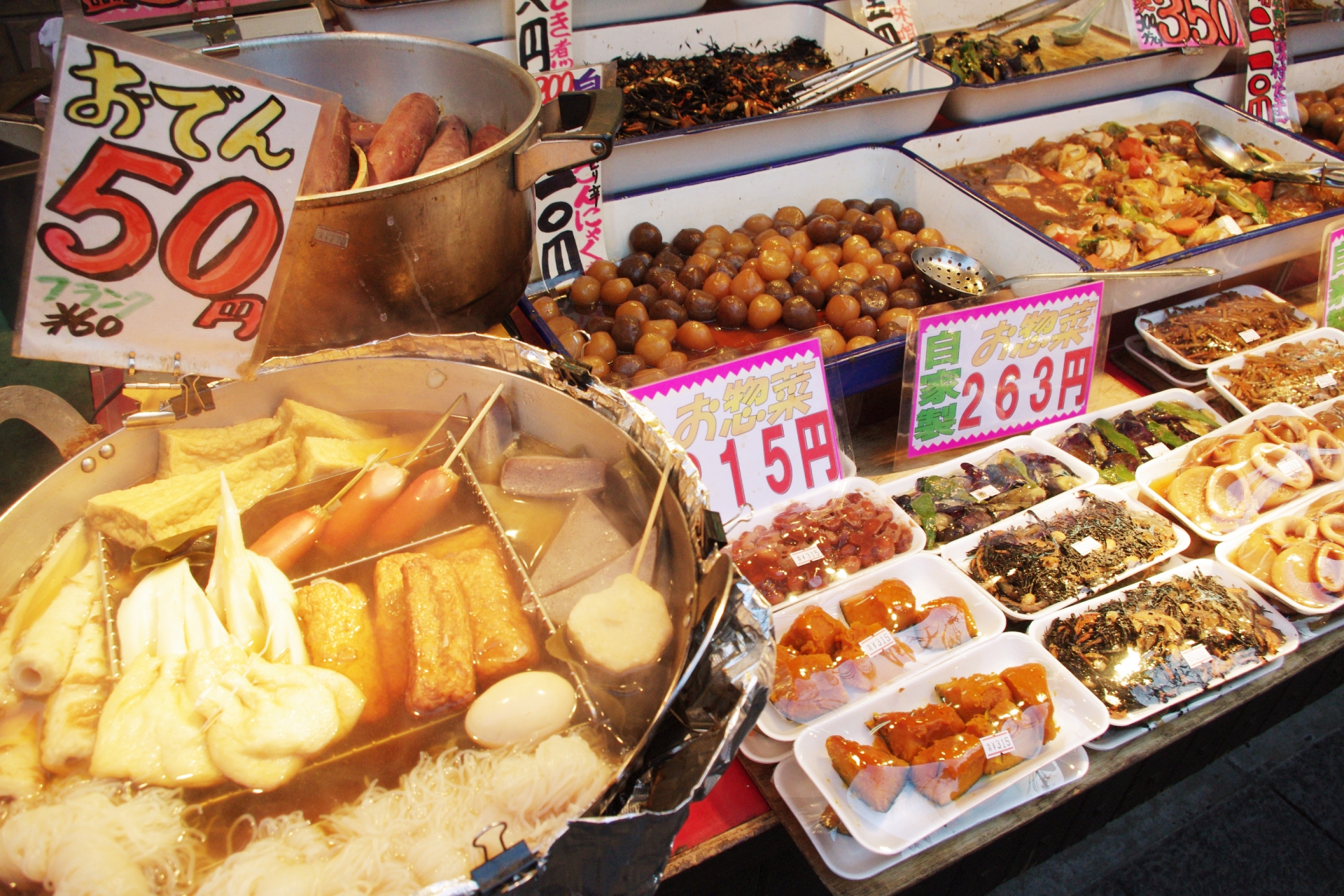
If the Shotengai is the soul of Japan, the local supermarket is the engine room. But don't go at noon. You go at 7:00 PM. This is when the 'Sticker Man' appears. I remember my first time witnessing the discount sticker frenzy at a Life Supermarket in Osaka. A staff member emerges with a handheld printer and starts slapping yellow 'Waribiki' (discount) stickers on the pre-made sushi and bento boxes. It’s like the floor of the New York Stock Exchange. I once saw a salaryman dive—literally dive—for a half-off premium sashimi platter. I stood back, terrified, and ended up with a sad, lonely triangle of plain onsen egg. nnNow? I’m the one hovering near the gyoza section at 6:55 PM. But there's an art to it. Don't be the aggressive tourist pushing people; just keep a steady, polite orbit. The 'Sozai' (prepared food) section is where the real treasures are. You’ll find things you didn’t know existed, like 'Potato Salad' that tastes better than your mom’s (don't tell her) or fried chicken (Karaage) that stays crispy even when cold. It’s the ultimate way to eat like a king on a budget. If you’re staying in a local neighborhood, which I always suggest for the best experience, you can take your haul back and have a feast.
Local Vibe
Stay in Taito-ku
Skip the neon chaos of Shinjuku. Staying in the Taito or Ueno area puts you within walking distance of Yanaka Ginza and some of the city's best local supermarkets. You'll wake up to temple bells instead of sirens.
This is where I stay when I want to feel like I actually live in Tokyo, not just visiting it.
Find Hotels ↗
nnOn top of that, you've got to watch out for the fruit. I once picked up a melon, saw it was 8,000 yen, and nearly dropped it. Do not touch the expensive fruit unless you intend to buy it. These aren't snacks; they're gifts. Stick to the 'cut fruit' section if you just want a snack. Also, the checkout process in 2026 is almost entirely semi-automated. You scan your items with a staff member, then move to a separate machine to pay. Don't try to hand your cash to the human—they’ll just point at the robot with a tired smile. I spent five minutes trying to shove a 1,000 yen note into a receipt printer once. Don't be me. Oh, and here's the thing: bring your own bag. Since the plastic bag tax went up, everyone carries a reusable one, and the staff will look at you like you're a criminal if you ask for three plastic ones for a single bottle of tea.
The 'basement' (Depachika) of big department stores like Isetan or Mitsukoshi is like the supermarket's high-fashion cousin. Go there an hour before closing for high-end treats at 30-50% off.
Tokyo vs. Osaka: Which Street Wins?
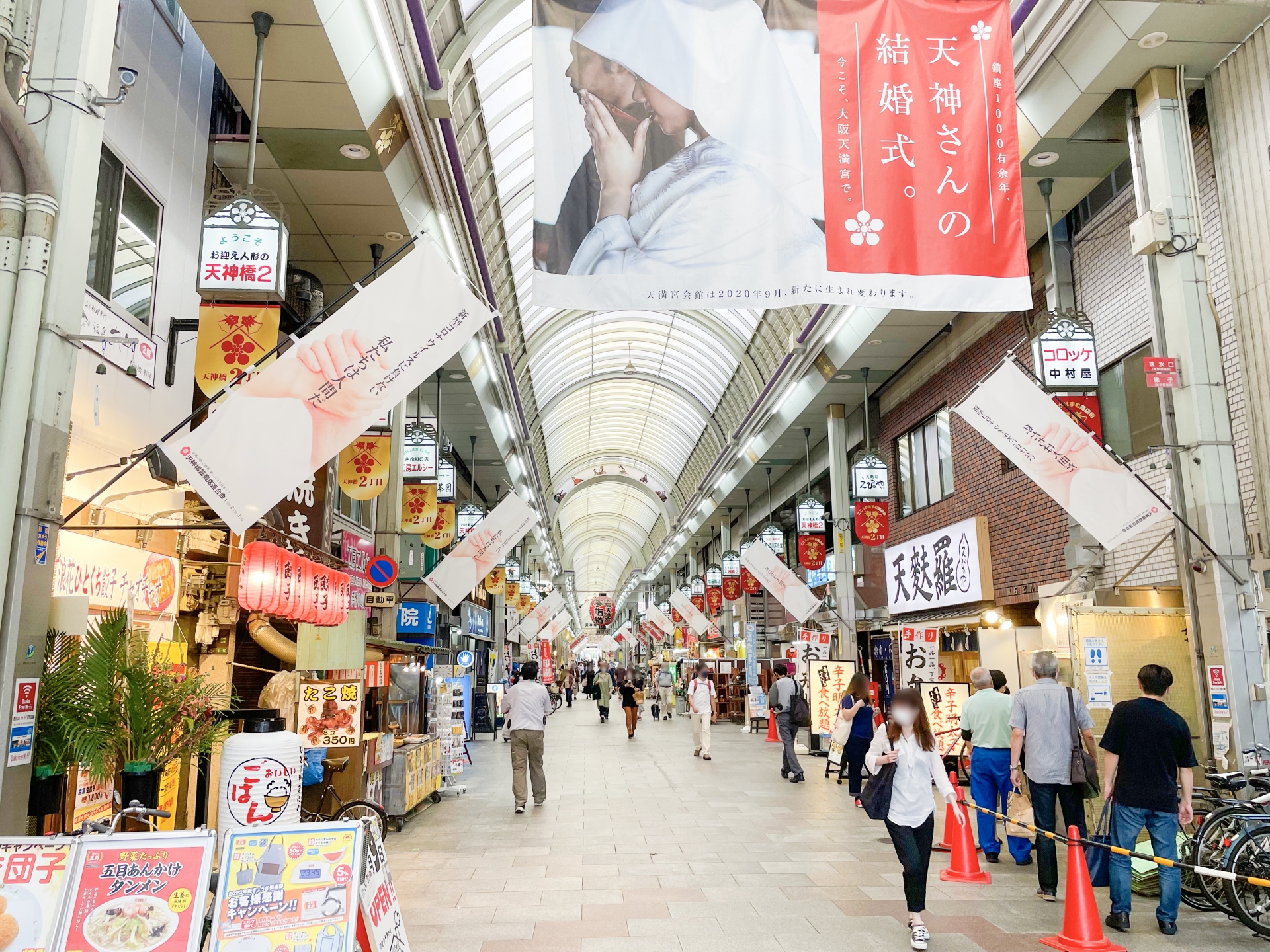
I get asked this a lot: 'Alex, if I only have time for one, where do I go?' It’s like asking me to pick a favorite child, but let’s be real—I have a favorite. Tokyo’s Yanaka Ginza is charming, nostalgic, and very 'Instagrammable.' It’s perfect for a slow afternoon. But if you want the high-octane, 'I might get stepped on by a bicycle' energy, you go to Tenjinbashisuji in Osaka. It is the longest shopping street in Japan, stretching over two kilometers. It’s relentless. It’s loud. It’s wonderful. nnIn Osaka, the shopkeepers will actually banter with you. I once had a guy selling takoyaki tell me my Japanese was 'passable for a toddler,' which is the highest compliment I’ve ever received in that city. The food there is heavier, saltier, and cheaper. You’ll find 'Kushikatsu' (deep-fried skewers) shops where the rule is 'no double-dipping in the sauce'—and they mean it. I saw a guy get yelled at by a chef who looked like he wrestled bears for fun. Seriously. Don't double dip. nnPractically speaking, these experiences are free to enter, but you'll want at least 2,000 to 3,000 yen in small bills. Many of the best stalls in the Shotengai still treat credit cards like alien technology. Most 'supermarket tours' or 'food walks' last about three hours, which is the sweet spot before your feet give out on the concrete. If you're doing this solo, aim for mid-afternoon (3 PM) for the shopping streets to see them at their liveliest, and then hit the supermarket right as the sun goes down to catch the discounts. It’s the perfect 'Urban Discovery' day that doesn't involve a single museum ticket or a 2-hour queue for a themed cafe. Just you, the locals, and a really, really good piece of fried chicken. You'll thank me later when you're eating world-class sushi on your hotel bed for the price of a Starbucks latte.
In Osaka, look for the 'Certificate of Completion' if you walk the entire 2.6km of Tenjinbashisuji. You can get a little souvenir from the shops at either end if you prove you did the whole stretch.