The Moment I Realized I Was Doing Japan All Wrong
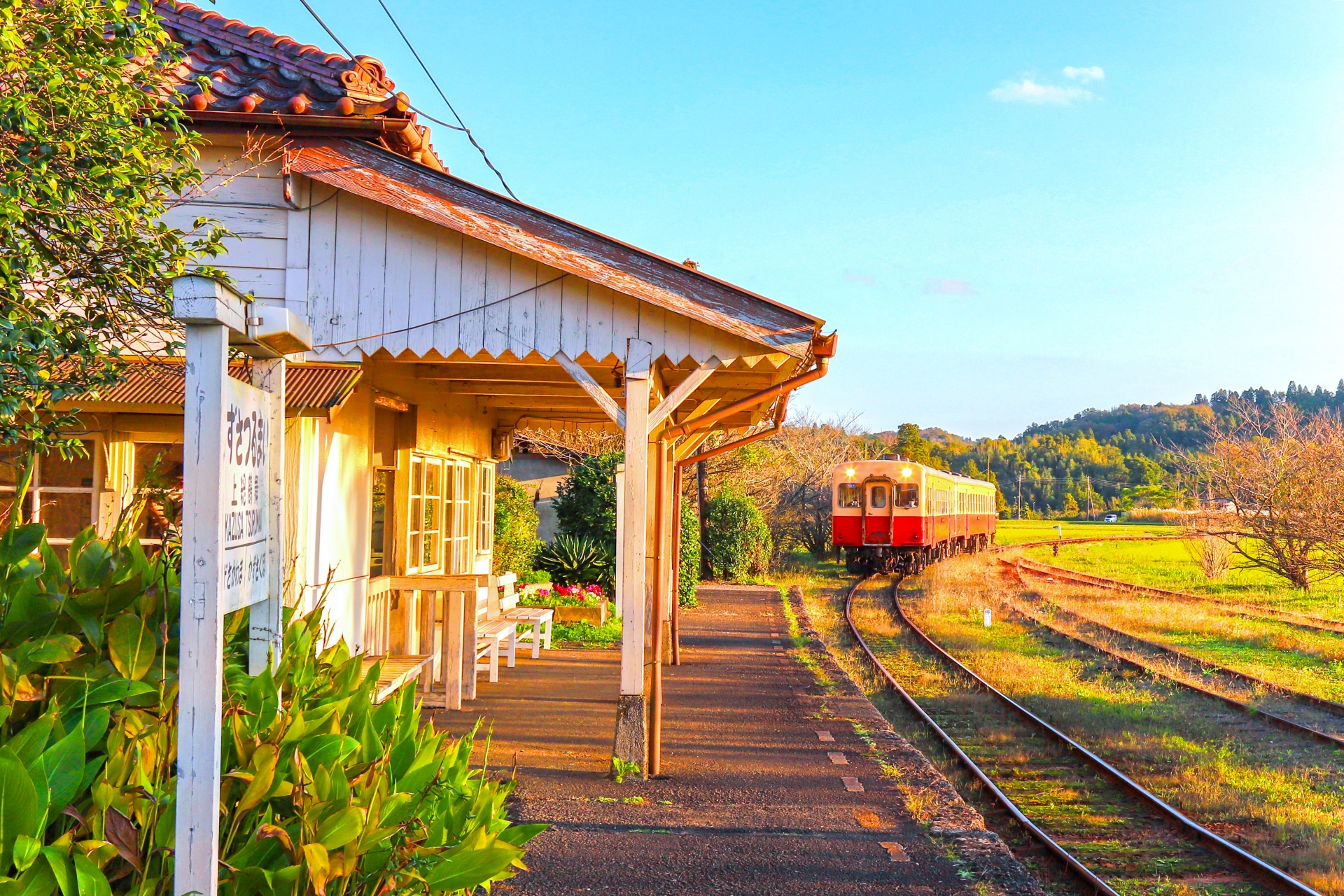
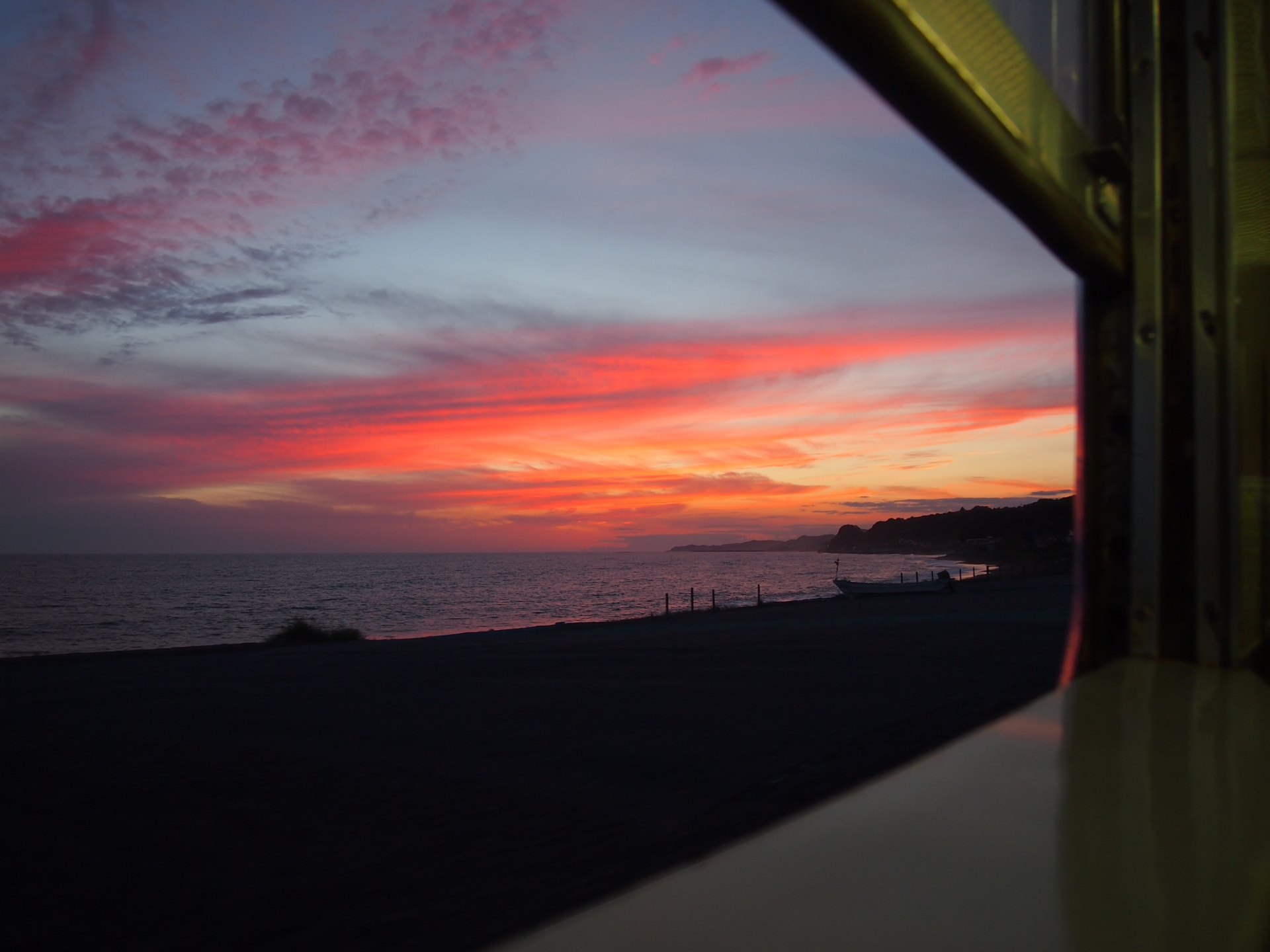
The first time I hopped on the Gonō Line back in '22, I was a stressed-out mess. I’d just spent three days in Tokyo dodging umbrellas in Shinjuku, and my brain felt like it had been through an industrial blender. I remember sitting on the platform at Higashi-Noshiro, looking at this two-car train that looked like it belonged in a Studio Ghibli movie rather than a high-tech rail network. I thought, 'Alex, what are you doing? You’re going to be stuck on this thing for five hours.' But then the train started moving. And it didn't just move; it rattled. It hummed. It breathed. About forty minutes in, the tracks hugged the coast of the Sea of Japan so closely I felt like I could reach out and touch the salt spray. That was the moment. The old man sitting across from me—who had clearly seen a thousand stressed-out expats like me—just pointed at the window and said, 'Umi' (the sea). No big speech. Just the ocean. For the first time in years, I actually put my phone down. If you're looking to actually see the country instead of just blurring past it at 300km/h, you need the JR East Pass (Tohoku area)
Essential
Get the JR East Pass (Tohoku)
The golden ticket for slow travel. Covers all local lines in the Tohoku region, including the Gonō and Tadami scenic routes, plus the Shinkansen to get there. It's the only way to do this without breaking the bank.
This pass pays for itself if you do just two of these scenic routes.
Get Your Pass ↗
to get you onto these tracks.nnAnd here's the thing: it’s not just about the view. It’s the rhythm. On the Shinkansen, you’re in a pressurized tube. On the local lines, you hear the whistle, you feel the brakes, and you see the small-town station masters bowing as you pull away. I once made the absolute rookie mistake of trying to 'speed run' a local trip by taking the first available commuter train instead of waiting for the scenic 'Resort Shirakami.' Big mistake. I ended up on a train with no view-facing seats and a very loud group of middle schoolers on a field trip. Trust me, wait for the 'Joyful Trains.' They are designed for us—the people who want to stare out the window and feel something. It’s the difference between eating a protein bar and sitting down for a seven-course meal. You’re here for the experience, not just the destination. In 2026, with the world moving faster than ever, these slow tracks are the only place I can actually hear myself think. On the Resort Shirakami, they even have live Tsugaru-jamisen (traditional lute) performances in some cars. Imagine that: the percussive pluck of strings echoing while the snowy coastline of Aomori rolls by. It’s hauntingly beautiful. You won't get that on a bullet train. Seriously. Go slow.
If you're on the Resort Shirakami, book seat 'A' in car 1 or 4. It’s the window seat that faces the ocean for the longest stretch of the journey. I’ve seen people nearly get into polite Japanese arguments over these seats.
What You Need to Know Before You Trade Speed for Soul
So, let’s talk logistics, because this isn't as simple as tapping your Suica card. The 'Joyful Trains'—like the Resort Shirakami on the Gonō Line or the scenic cars on the Tadami Line—require reservations. I once saw a couple try to board the Tadami Line during the peak of autumn colors without a booking. The conductor was incredibly polite, but they were left standing on a very lonely platform in the middle of Fukushima while the rest of us rolled off into a landscape of fiery reds and oranges. It was heartbreaking to watch. You have to book these seats in advance through the JR East website or at a ticket office. Oh, and here's what most people miss: the Tadami Line only recently fully reopened after years of repairs from flood damage. It’s a miracle of engineering and local pride. nnAnother thing: food. Most of these local lines don't have trolley service. I learned this the hard way on a six-hour trek through the mountains with nothing but a pack of mints and half a bottle of lukewarm tea. My stomach was growling louder than the train engine by hour three. Now, I always hit the 'Ekiben' (station bento) shops at the starting station. In Aomori, look for the seafood bentos; in Fukushima, the beef ones are legendary. On top of that, you should pack a portable charger. While the 'Joyful Trains' often have outlets, the older 2-car local trains definitely don't, and you'll be draining your battery taking 500 photos of the Tadami River. nnWhen you finally roll into a hub like Aomori or Koriyama after a day on the rails, you’re going to be 'train-tired'—that weirdly pleasant exhaustion from doing absolutely nothing but looking at beauty. You’ll want a hotel that’s right next to the station so you can collapse and scroll through your photos. Checking out the harbor-side hotels in Aomori
Strategic Location
Stay in Aomori City
The perfect base for the Gonō Line. Stay near the station to catch the early morning 'Resort Shirakami' departures without stress. The harbor views at night are a great bonus.
I missed the 8:00 AM train once because I stayed too far away—don't be me.
Find Hotels ↗
is your best bet for a solid night’s sleep before heading back into the wild. The Tadami Line is particularly tricky because it’s so remote. You’re crossing bridges that look like they’re held up by magic, spanning gorges that drop off into turquoise water. It’s beautiful, but it’s a commitment. You aren't just taking a train; you're entering a different time zone where 'on time' still matters, but 'hurry' doesn't exist. You'll thank me later when you're staring at the First Tadami River Bridge from the window.
Download the 'Digital JR Timetable' app. Paper schedules are cute, but when there's a delay due to heavy snow (common in Tohoku), the app is the only thing that will save your sanity.
The Practical Stuff: Routes, Timing, and Reality
If you only have time for one, which should it be? That’s the question I get asked most. If you want the ocean, it’s the Gonō Line (Akita to Aomori). If you want mountains, rivers, and a sense of total isolation, it’s the Tadami Line (Aizu-Wakamatsu to Koide). I personally prefer the Tadami Line in the winter. There is something profoundly moving about watching the snow fall on a frozen river while you’re warm inside a carriage with a heated floor. You'll want to be prepared for the 'lava' mode heaters, though. nnPrice-wise, it’s actually quite a bargain if you use a rail pass. Without a pass, a full day of local hopping might run you around 8,000 to 12,000 yen depending on how many stops you make. With a JR East Pass (Tohoku Area), which costs about ¥30,000 for 5 days in 2026, it’s essentially 'free' after you’ve paid for the pass itself. Duration is the big one—don't try to squeeze this into a day trip from Tokyo. It’s physically possible, but you’ll spend 80% of your time on the Shinkansen just getting to the start of the local line. Stay overnight in Aizu-Wakamatsu or Hirosaki. These towns are gems in their own right. nnLanguage support is 'okay.' The scenic trains usually have English announcements, but the tiny stations in between? Not so much. But honestly, that’s part of the charm. I’ve had some of my best 'conversations' in Japan using nothing but hand gestures and Google Translate with station masters who haven't seen a foreigner in a month. They are almost always thrilled to show you which platform you need. Just remember: these trains are a lifeline for locals, not just a tourist attraction. Be respectful, keep your voice down, and don't block the aisles with your luggage. It’s their backyard; we’re just lucky enough to be riding through it. In 2026, the Tadami Line is seeing more visitors, but it still feels like a secret. Don't be the person who ruins the vibe by being loud. Just sit back, watch the rice fields turn into mountains, and let the rhythm of the rails do the work.
In winter, the trains are heavily heated. Wear layers. I’ve spent many trips sweating in a heavy parka because I didn't realize the 'floor heaters' would be set to 'lava' mode.