Why I Swapped the Neon Arcades for a Table and a Deck of Cards
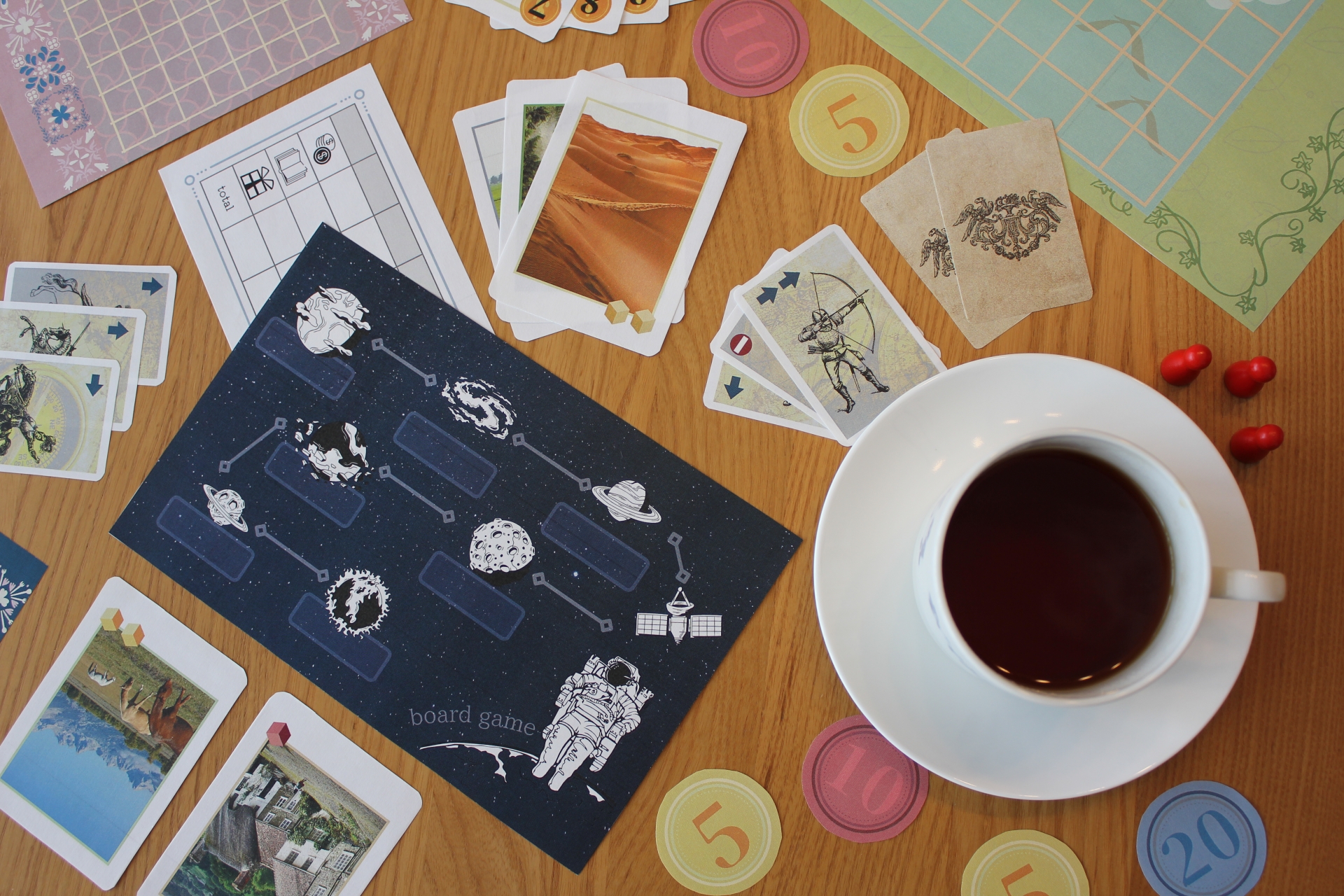
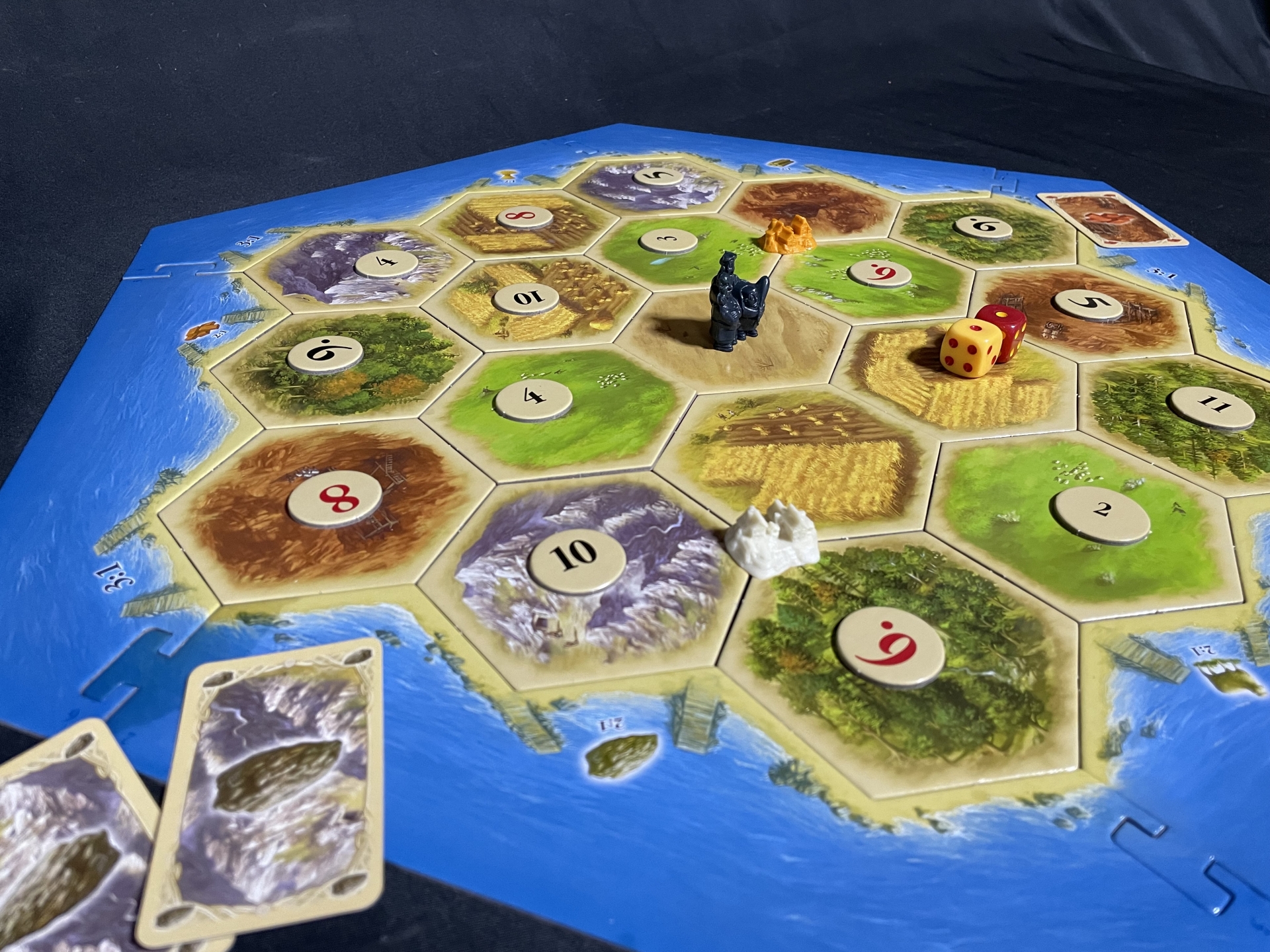
I still remember my first Friday night in Tokyo back in 2021. I was wandering through Akihabara, totally overwhelmed by the screeching sounds of the crane games and the sensory overload of those multi-story arcades. I wanted to be social, but I didn't want to scream over J-Pop all night. That’s when I stumbled into a tiny, nondescript elevator that opened up into a 'Jelly Jelly Cafe.' The contrast was jarring. It was quiet, smelled faintly of roasted green tea, and was filled with people laughing over wooden cubes and colorful cards. I felt like a total outsider until a staff member noticed my 'lost tourist' face and invited me to a table where three locals were playing something called *Deep Sea Adventure*. I spoke about ten words of Japanese then, but it didn't matter. Within twenty minutes, we were all clutching our chests as our shared oxygen supply ran out in the game. nnI realized then that these cafes aren't just about games; they are the ultimate 'third space' in Japan where the usual social barriers just melt away.
Top Rated
Book a Board Game Session
Secure your spot at Tokyo's most famous board game chain. You'll get access to over 500 titles, including rare Japanese indies, plus unlimited soft drinks to keep you hydrated while you plot your next move.
Guarantees a table in Shibuya or Akihabara where weekend walk-ins are almost impossible.
Book Now ↗
I’ve spent countless rainy afternoons since then tucked away in these spots. There’s something visceral about the 'click-clack' of high-quality Japanese game components—the tiny boxes from Oink Games are basically works of art. You aren't just playing; you're engaging in a silent conversation with the people across from you. I once spent four hours playing a strategy game with a salaryman who looked like he’d just finished a 14-hour shift. By the end, we were high-fiving. You don't get that at a tourist trap temple. It’s the most 'real' Tokyo experience I know, and it costs less than a fancy cocktail in Roppongi. Trust me, even if you think you aren't a 'gamer,' the atmosphere alone is worth the elevator ride. nnAnd here's the thing: the scene has only grown since I arrived. In 2026, these spots are more than just hobby shops; they're community hubs. You'll see groups of students, couples on dates, and even elderly regulars who can absolutely crush you at abstract strategy games. The 'vibe' is everything. It's a place where you can be yourself without the pressure of the 'perfect' tourist itinerary. I've found that the best way to understand Japanese social dynamics isn't by watching from afar, but by sitting down and sharing a deck of cards. It’s intimate, it’s low-stakes, and it’s genuinely fun. If you're feeling lonely on your trip, this is the cure. Seriously. Just go.
Look for 'Aiaigasa' (sharing an umbrella) nights or 'Solo Player Welcome' events on the cafe's Twitter/X feed. It's the fastest way to make local friends without the awkwardness.
What You Need to Know Before You Roll the Dice
Walking into a Japanese board game cafe for the first time can feel like you've walked into someone's living room uninvited. Don't panic. The system is actually very organized. Most places work on a 'time charge' basis. You pay for a block of time—usually three hours or an 'all-day' pass—and that almost always includes 'nomihoudai' (all-you-can-drink) soft drinks. I made the classic rookie error of trying to bring in a greasy bag of FamilyMart fried chicken my first time. Big mistake. The staff gave me a look that could freeze fire. Most cafes have a strict 'no messy food' policy to protect the games, though some sell light snacks like pretzels or chocolate. If you're staying in a central area like Shinjuku, you'll find these cafes are the perfect 'reset' button after a day of walking. nn
Gamer's Choice
Stay Near the Gaming Hubs
Rest your head in the heart of Akihabara. These hotels put you steps away from the best gaming cafes and retro shops, so you can play until the last train and never worry about the commute.
Perfect for late-night gamers who want to avoid the 'last train' dash.
Find Hotels ↗
On top of that, let's talk about the language barrier. You might worry that you can't play because you can't read the cards. Here's what most people miss: Japanese indie games are famous for being 'language-independent'—meaning they use icons and symbols instead of text. Plus, the staff are usually absolute wizards at explaining rules using gestures and translation apps. I once watched a staff member explain a complex worker-placement game to a French couple using nothing but a tablet and a lot of enthusiasm. It was like watching a silent movie performance. nnYou'll want to look for the 'Oink Games' shelf. These are the small, brightly colored boxes. They are easy to learn, fast to play, and fit perfectly on the tiny tables. If you see a game called *Insider* or *Fake Artist Goes to New York*, grab it. They are the gold standard of Japanese social gaming. Oh, and one more thing—don't be afraid to use a translation app on the rulebooks. Most modern cafes are totally cool with it. I've spent many afternoons with my phone hovering over a manual, and nobody bats an eye. It's all part of the experience. Just remember to be respectful of the components. These games are often the personal property of the cafe or part of a very curated collection. Treat them like the treasures they are. If you spill a drink, you're going to have a very bad time. But as long as you're careful, you're in for one of the most relaxing and rewarding afternoons you can have in the city.
Always check the 'Game Menu' near the entrance. Many cafes now have a 'Foreigner Friendly' sticker on game boxes that have English rulebooks tucked inside.
The Practical Stuff: Where, When, and How Much?
So, where should you actually go? If you’re in Tokyo, the 'Jelly Jelly Cafe' chain is the most beginner-friendly. They have locations in Shibuya, Ikebukuro, and Akihabara. They are bright, modern, and usually have at least one staff member who speaks decent English. If you want something a bit more 'hardcore' or atmospheric, look for 'Game Cafe Bossa' or smaller independent spots in Shimokitazawa. Prices in 2026 generally hover around ¥1,500 to ¥2,500 for a weekday afternoon, and might jump to ¥3,500 on weekends. It’s honestly one of the cheapest ways to spend five hours in the city. Most places open around 1:00 PM and stay open until 11:00 PM. nnI actually recommend going on a weekday afternoon if you can; it's quieter, and the staff will have more time to teach you games. If you go on a Saturday night, it’s going to be packed with local groups, and you might have a harder time finding a 'pick-up' game to join. As for booking, most places allow walk-ins, but if you're a group of four or more, definitely use their website to reserve a table. Most of their booking forms are simple enough to navigate with Google Translate. nnDuration-wise, don't plan for just an hour. You'll get sucked in. I usually tell people to budget at least three hours. It takes time to pick a game, learn the rules, and get through a few rounds. And honestly? The best part is the 'post-game' chat. Even if it's just broken English and Japanese, discussing the move that won or lost the game is where the magic happens. It’s a side of Japanese social life that most tourists never see because they're too busy standing in line for a themed cafe where the food tastes like cardboard. This is better. I promise. You'll walk out feeling like you actually *lived* in the city for a few hours, rather than just passing through it. It's that feeling of connection that keeps me here after five years. Don't miss out on it just because you're afraid of a few rules.
If the cafe is full, check the top floors of the building. In Japan, the 'B-side' of buildings often hides smaller, cheaper gaming dens that aren't on Google Maps yet.