The Moment I Arrived: A Sugar-Induced Revelation
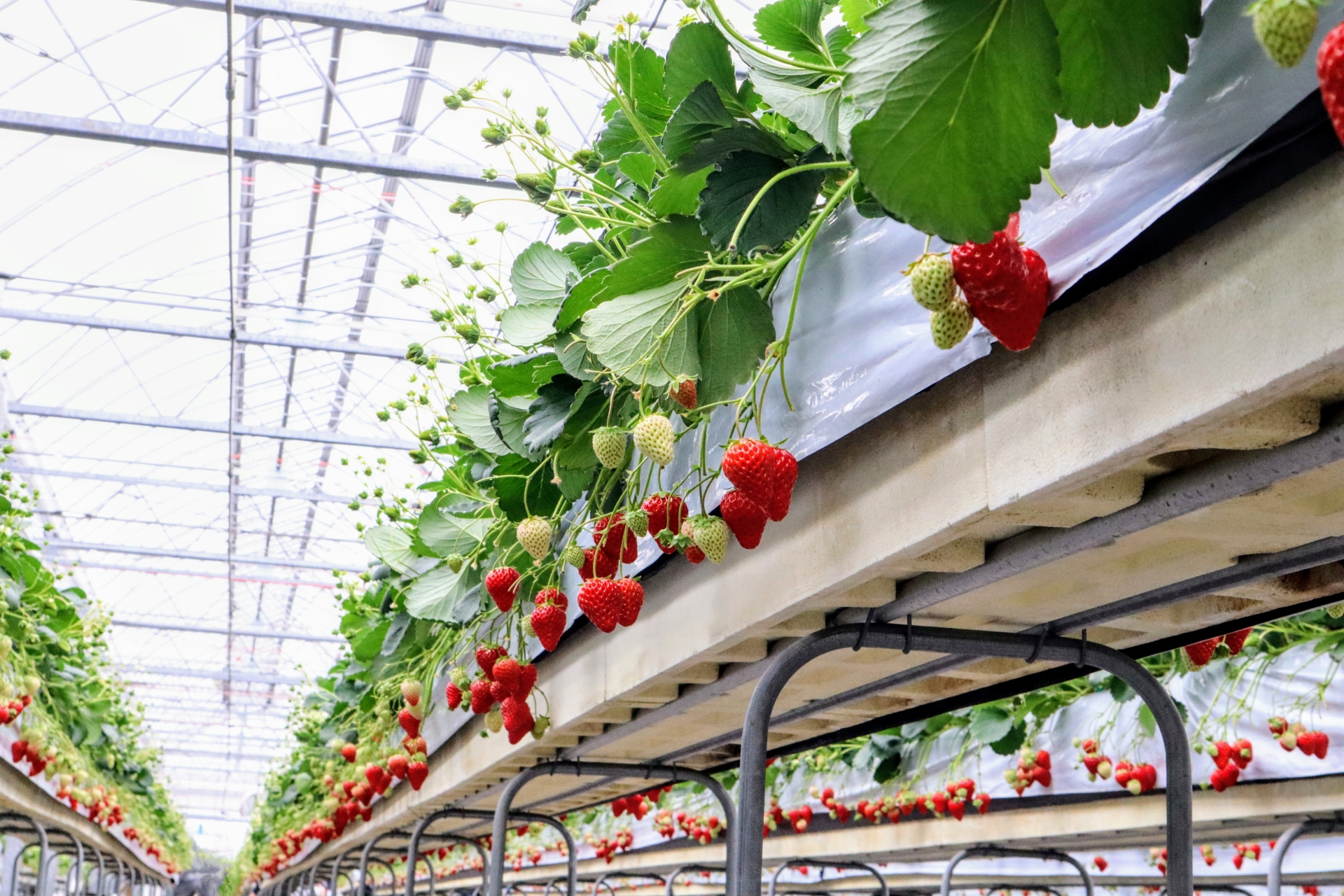
The air inside the vinyl greenhouse in Yamanashi was so thick with the scent of ripening sugar it felt like I was breathing in a dessert menu. I remember my first time back in 2019—I showed up with a group of friends, thinking we’d just pick a few berries and head to a cafe. I was so wrong. The old lady at the gate handed me a small plastic tray with two compartments: one for stems and one filled with sweetened condensed milk. I looked at the milk, then at the rows of ruby-red strawberries, and realized this wasn't a snack; it was a sport. I literally stopped mid-sentence when I bit into a 'Benihoppe' berry. It was the size of a golf ball and tasted like someone had injected it with honey. For about ten seconds, nobody in our group said a word. We just stood there in the humidity, juice running down our chins, realizing that the 'discount' fruit we’d been buying at Tokyo supermarkets was a lie. nnSeriously. Go early. nnIf you're coming from Tokyo, the easiest way to do this without losing your mind in transit logistics is to hop on a curated day trip.
Perfect for Foodies
Stay in Fuefuki, Yamanashi
Wake up surrounded by peach and cherry blossoms in a traditional ryokan. These spots in Isawa Onsen offer private hot spring baths to soak your tired legs after a day in the orchards.
The best ryokans with Mt. Fuji views sell out months before the May harvest season.
Find Ryokans ↗
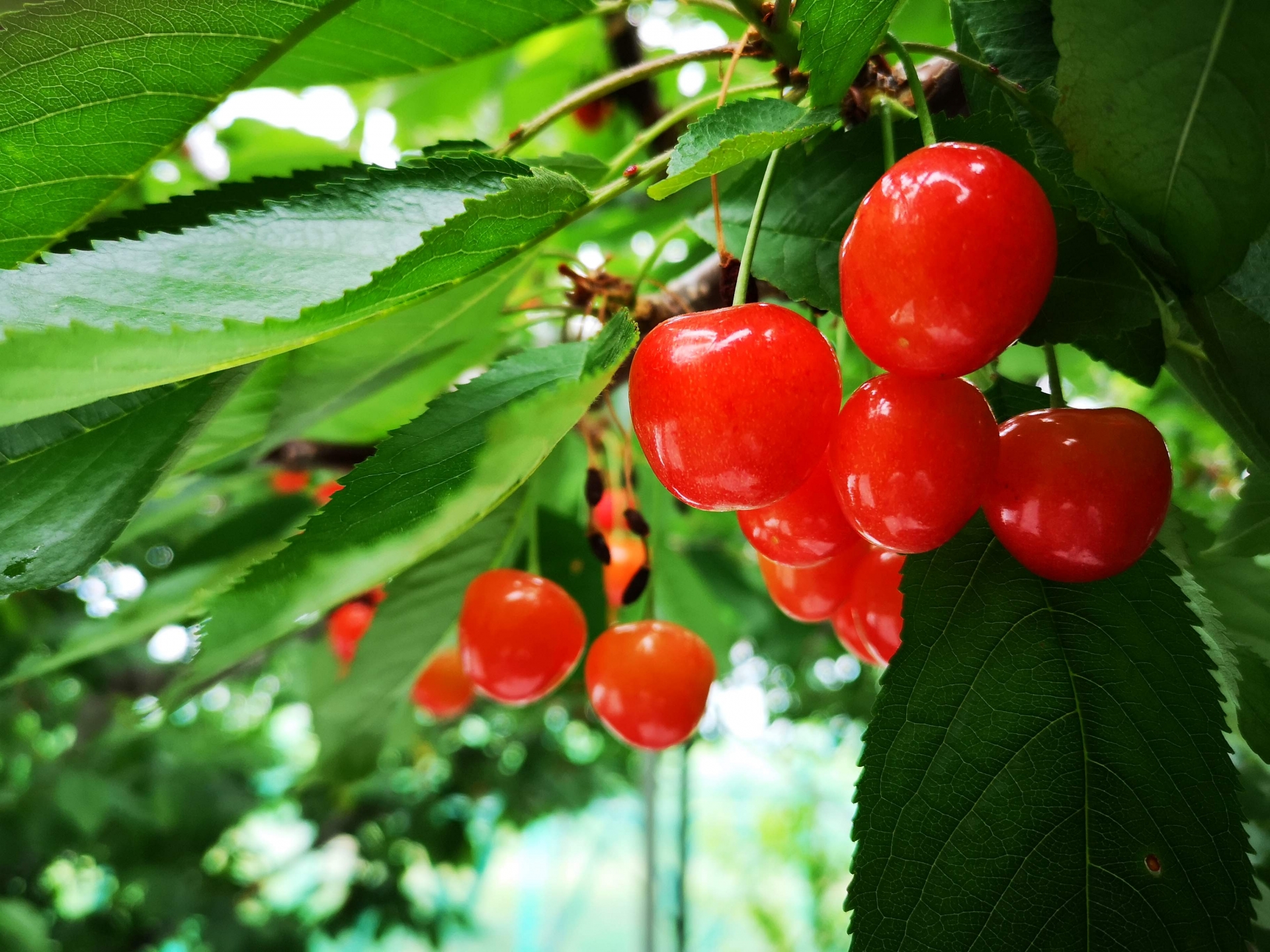
On top of that, it saves you the hassle of navigating local buses that only run once an hour in the deep countryside. I once tried to wing it using only Google Maps and ended up walking three kilometers uphill through a peach grove because I missed the one bus that stopped near the farm. Trust me, the 'adventure' of being lost in rural Japan loses its charm when you’re sweating through your shirt and dreaming of cherries. The scale of these orchards is what really gets you. In Yamagata, the cherry trees are pruned so perfectly they look like art installations, but the real magic is the 'all-you-can-eat' (tabehoudai) rule. You haven't lived until you've sat under a canopy of Sato Nishiki cherries, competing with your friends to see who can stack the highest pile of pits. It’s primal, it’s messy, and it’s easily my favorite way to spend a May afternoon. Oh, and here's the thing: the 'Benihoppe' variety literally translates to 'red cheeks' because they're so good your cheeks will fall off. I'm not even joking.
Look for the 'ugly' strawberries. The ones that are slightly misshapen or have a split near the stem are often the sweetest because they've reached peak sugar content and are literally bursting.
What Most People Get Wrong: The Cherry Traps and Berry Blunders
Here is the cold, hard truth: not all fruit farms are created equal. I see tourists all the time flocking to the big 'resort' farms right next to the highway. They’re fine, I guess, if you like being elbow-to-elbow with three tour buses worth of people. But if you want the real deal, you have to go deeper into the valleys. I’m personally obsessed with the Fuefuki area in Yamanashi. The views of the Southern Alps are ridiculous, and the farmers there actually seem happy to see you. I made the rookie error once of going on a Sunday afternoon. Big mistake. By the time I got to the rows, the 'prime' low-hanging fruit had been picked clean by families who got there at 9 AM. If you can, go on a weekday morning. The fruit is cooler, the air is fresher, and you won't have to dodge a toddler every time you reach for a prize-winning cherry. nnAnd let's talk about the cherries. nnEveryone raves about strawberries, but May is the secret window for cherries (Sakuranbo). In Japan, these aren't the dark, tart things you find in the US. They are bright red, delicate, and sweet. I actually think they're better than the strawberries because they’re such a luxury item in the city—sometimes costing 100 yen per single cherry in Ginza department stores! To really enjoy the region, I usually stay overnight in a nearby hot spring town like Isawa Onsen.
Top Rated 2026
Yamanashi Fruit & Mt. Fuji Day Tour
Skip the rural bus nightmare with this all-in-one trip from Shinjuku. It includes all-you-can-eat fruit sessions and a stop at Lake Kawaguchi for that iconic Mt. Fuji shot.
Guaranteed entry to private orchards that usually require Japanese-language reservations.
Book Tour ↗
There is nothing quite like soaking in an outdoor bath after eating your body weight in Vitamin C. Oh, and here’s a hot take: skip the condensed milk for the first ten minutes. You need to taste the actual fruit before you drown it in dairy. My first time, I went through three refills of milk and couldn't taste anything else for an hour. Don't be me. Appreciate the craft that goes into these fruits first. These farmers spend all year thinning branches and hand-pollinating just for this three-week window. It's a labor of love, and you can taste it in every bite.
Skip the main gift shop at the entrance. Drive or walk five minutes down the road to the local 'Michi-no-Eki' (Roadside Station). They sell the exact same fruit from the same farms for about 30% less because it doesn't have the 'souvenir' packaging.
How to Actually Plan This: Logistics Without the Tears
Planning a fruit-picking trip in 2026 requires a bit more than just showing up. First, you'll want to check the 'Fruit Calendar' for the specific farm you're eyeing. May is the sweet spot where the late-season strawberries overlap with the early-season cherries. If you're heading to Yamagata, be prepared for a longer journey—it’s about three hours on the Shinkansen from Tokyo—but the quality of the cherries there is unmatched globally. For a quick fix, Yamanashi is your best bet. You’ll want to wear shoes you don't mind getting a little dusty. These are working farms, not movie sets. I once wore a pair of white sneakers to an orchard after a light rain, and they were permanently stained pink by the end of the day. nnBring a small bottle of water and maybe some wet wipes. nnYour hands will get incredibly sticky, and while most farms have a wash station, it’s usually a single tap with a line of twenty people. Also, check the 'time limit.' Most places give you 30 minutes. It sounds short, but trust me, you can do some serious damage to a strawberry patch in 30 minutes if you stay focused. If you find a place that offers 'unlimited time,' marry it. Those are rare gems. Lastly, don't forget that these farms are often in the middle of nowhere. If you aren't booking a tour, you absolutely need to check the return bus schedule the moment you arrive. I’ve spent way too much money on rural taxis because I assumed 'there will be another bus soon.' Spoilers: there wasn't. But honestly? Even with the transport headaches and the sticky fingers, standing in a sun-drenched orchard with a perfect cherry in your hand is one of those 'this is why I moved to Japan' moments. You’re going to want to bookmark the farm names in advance because the best ones fill up their reservation slots weeks out. Don't say I didn't warn you.
Check the farm's Instagram or website the morning you go. If they had a sudden heatwave or heavy rain, they might close certain sections of the orchard to let the fruit recover, and you'd rather know that before the 2-hour train ride.