The Moment I Arrived: Falling for the 'Shimanto Blue'
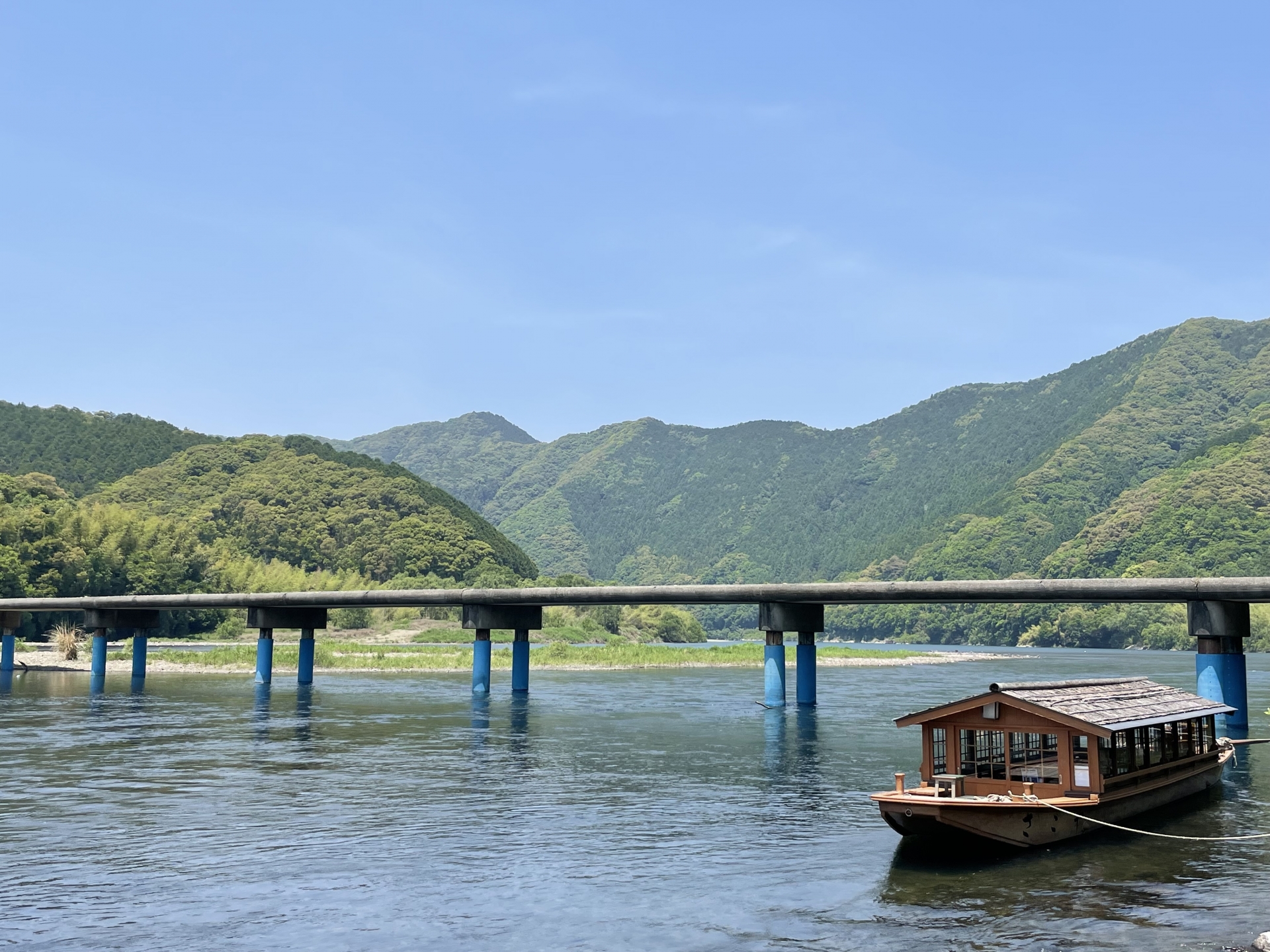
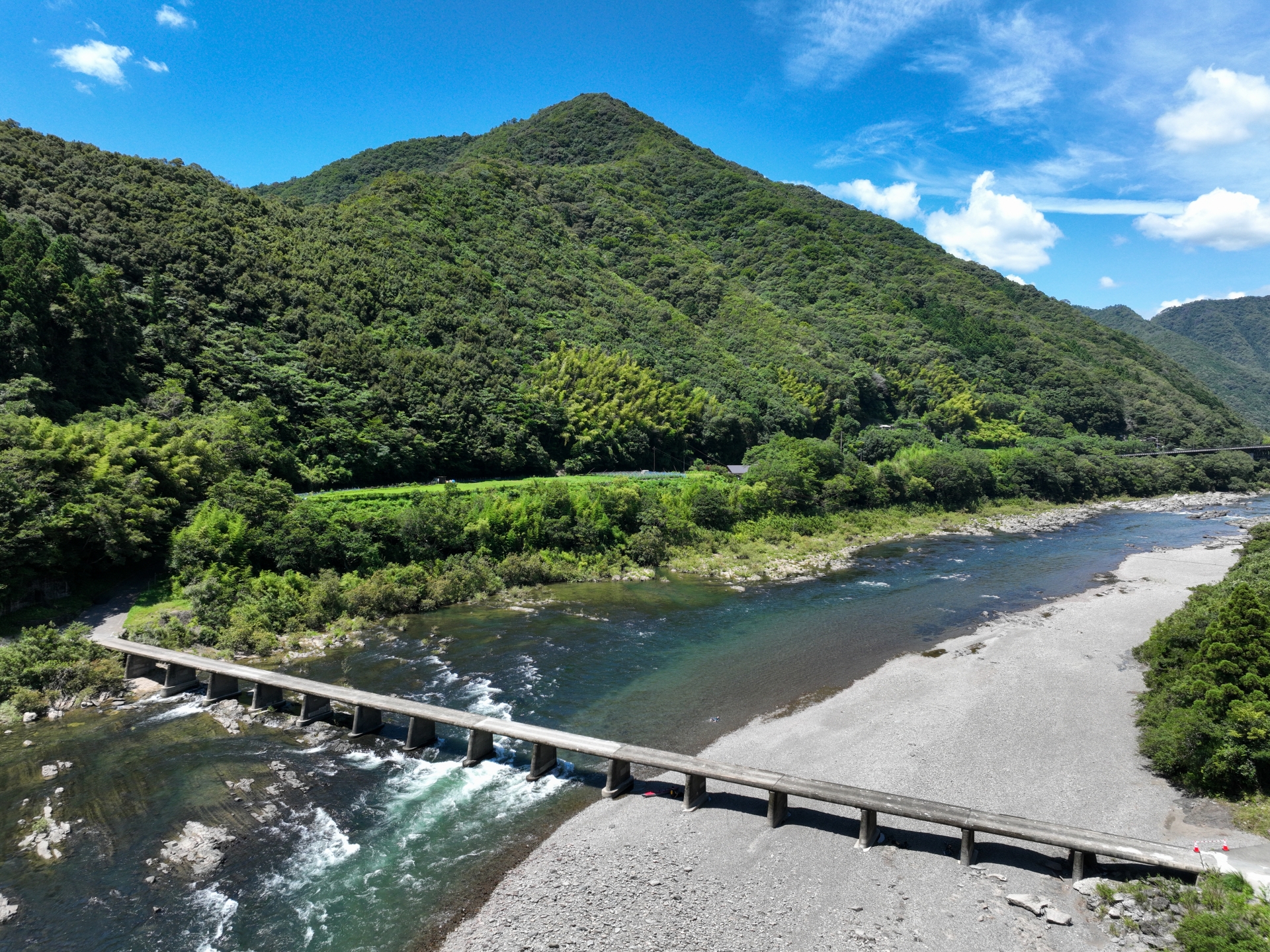
The moment I stepped out of my car in Shimanto, the air hit me differently. It wasn’t that thick, suffocating Tokyo humidity I’d grown to loathe by June; it was... alive. It smelled like wet moss, crushed ferns, and something impossibly clean. I’ve lived in Japan for over five years now, and I’ve seen plenty of 'scenic rivers' that were little more than concrete-lined canals. But Shimanto is the real deal. They call it 'Japan’s Last Undiscovered Stream,' and for once, the marketing isn't lying. I remember standing on the edge of the Sada Chinkabashi—one of those famous bridges built without railings to survive floods—and looking down. The water was so clear I could see individual stones on the riverbed ten feet below. I actually dropped my lens cap because I was leaning over too far like a total amateur. Watching it sink was the most peaceful thing that happened to me all year.nnThe 'Fresh Greenery' (Shinryoku) season in mid-June is the absolute sweet spot. The mountains are so vibrant they look like they’ve been Photoshopped. I hopped on a yakatabune, a traditional roofed boat, and the sound of the engine was surprisingly quiet—just a low hum against the rushing water. I sat there with a cold drink, watching the reflections of the cedar trees dance on the surface. If you’ve never done a river cruise in Japan, this is the one to start with. It’s not a tourist trap; it’s a meditation. I even managed to book a spot on a local canoe experience right after, which you can find through
Authentic Experience
Stay in Shimanto City
Nakamura is the gateway to the river. Staying here gives you early access to the bridges before the tour buses arrive from Kochi City. Look for river-view inns to watch the mist rise in the morning.
The best local minshukus sell out months in advance for the June greenery peak.
Find Hotels ↗
if you want to get closer to the water than I did on my first clumsy attempt. Honestly, I spent the first twenty minutes paddling in circles because I was too busy staring at the hawks circling above. Don't be like me—watch where you're going, because the current is stronger than it looks.nnAnd here's the thing: the river changes color depending on the light. In the morning, it's a pale turquoise, but by noon, it turns into this deep, sapphire 'Shimanto Blue' that you won't find anywhere else in Shikoku. I spent a good hour just sitting on the riverbank near the boat launch, listening to the water. No sirens, no vending machine jingles, just the wind. It’s the kind of place that makes you realize how loud your normal life is. You'll want to bring a good camera, but honestly, sometimes it's better to just put the phone away and breathe. The greenery in June feels like it's vibrating with energy. It's the peak of life before the summer heat starts to turn everything yellow and tired. If you're looking for a reset, this is it.
Skip the crowded noon cruises. The 9:00 AM boat has better light for photos and the water is usually calmer, making the reflections look like a mirror.
What Most People Get Wrong: The Bridge Trap and River Treats
Here’s what most people get wrong: they think all Chinkabashi are the same. They aren’t. Most tourists flock to Sada Chinkabashi because it’s the closest to Nakamura station, and yeah, it’s iconic. But if you want the real soul of the river, you need to head further upstream to Misato or Iwama. I made the rookie error of spending three hours at Sada my first time, fighting for a photo spot without a dozen other people in the frame. Eventually, I just gave up and drove twenty minutes north. Best decision I ever made. The Iwama bridge is where you get that 'lost in time' feeling. I sat there for an hour just watching a local fisherman. He didn’t care about the greenery or the 'aesthetic'; he was just there for the fish. Speaking of fish, if you come here and don’t eat Ayu (sweetfish), we can’t be friends. I used to be squeamish about eating whole fish—head, bones, and all—but when it’s salt-grilled over charcoal right by the river? It’s a game-changer. It tastes like the river itself, slightly sweet and smoky.nnOn top of that, you have to try the Aonori (river seaweed) tempura. I actually had a bit of a 'moment' at a tiny local shack near the Katsuma bridge. I ordered the tempura, and the old lady serving it just laughed at my face when I told her it was the best thing I'd ever eaten. 'It’s just weeds from the bottom,' she said. But that’s the thing about Shimanto—the 'weeds' here are better than five-star dining in Roppongi. If you're looking for a place to crash after a day of eating your weight in river fish, I’d suggest looking at the small guesthouses in the Nakamura area via
Top Rated
Shimanto River Canoe Experience
Get out on the water with a local guide who knows the secret swimming holes and the best angles for photos under the Chinkabashi. Includes all gear and safety orientation.
You haven't seen the river until you've paddled under a bridge with no railings.
Book Canoe Tour ↗
. Just a heads-up: skip the fancy 'resort' style hotels if you can. You want a Minshuku (local B&B). You’ll get a futon that smells like fresh tatami and a breakfast that’ll keep you full until dinner. Trust me, the luxury here isn't in the thread count; it's in the silence.nnI remember the smell of the charcoal smoke mixing with the scent of the rain-washed forest. It’s a sensory overload in the best way possible. Most people just do a day trip from Kochi City, but they miss the magic of the river at dusk. When the sun starts to dip behind the mountains, the shadows on the water turn purple. It’s eerie and beautiful. I stayed at a place where the owner took me out to see fireflies after dinner. It wasn't a 'tour,' just a guy showing a guest something cool. That’s the vibe here. It’s not polished, and it’s not trying to impress you. It just is. And that’s why I keep coming back every single year.
If you drive, the road to Iwama Chinkabashi is narrow. I nearly lost a side mirror to a delivery truck. If you aren't confident in your reverse-driving skills, stick to the lower bridges.
How to Actually Plan This: Logistics and Lessons Learned
Practical talk time, because I don't want you stranded in rural Kochi with no signal and a dead battery. First off, Shikoku is far. If you’re coming from Tokyo, you’re looking at a flight to Kochi Ryoma Airport and then a two-hour drive or a series of trains. I highly recommend the train—the Tosa Kuroshio Railway is stunning and hugs the coast. But—and this is a big 'but'—make sure you check the schedules. I once missed the last 'Limited Express' back from Nakamura and ended up paying a taxi fare that cost more than my flight. It was a painful lesson. Also, mid-June is the start of the rainy season (Tsuyu). I showed up in 2024 with nothing but a light hoodie and got absolutely drenched. The rain in Shimanto isn't a drizzle; it’s a deluge. Bring a real waterproof jacket, not one of those flimsy plastic ponchos that tear if you breathe too hard.nnAs for timing, aim for the second week of June. The greenery is at its peak, and the humidity hasn't reached 'melt-your-face-off' levels yet. If you’re planning to do the yakatabune, book the morning slots. Wear shoes with grip. The riverbanks are slippery, and the bridges have no rails—I’ve seen more than one tourist almost lose their phone trying to get a selfie. Oh, and bring heavy-duty insect repellent. The mountain mosquitoes here are built different; they’ll eat you alive through your socks. If you’re coming from outside Shikoku, the smartest move is to grab a rail pass to cover the long haul. It makes the trip significantly cheaper and less stressful than trying to navigate local bus fares in broken Japanese. You're going to want to bookmark the train times before you leave the hotel, because reception in the valley can be spotty at best.nnOh, and one more thing: don't expect everyone to speak English. This is deep Kochi. People are incredibly friendly, but you'll be doing a lot of gesturing and 'Arigatos.' I found that a smile and a genuine attempt to enjoy the local food goes a long way. I once spent twenty minutes talking to a farmer about his ginger crop using only hand signals and a few basic words. It was one of the highlights of my trip. Shimanto isn't a place you visit to check things off a list; it's a place you visit to slow down. If you're rushing, you're doing it wrong. Give yourself at least two full days. One for the bridges and the boats, and another just to wander. You'll thank me later when you're sitting by the water with nothing to do but watch the clouds.
Rent a bicycle at Nakamura Station. It’s about an 8km ride to the first bridge. It's mostly flat, and riding through the rice paddies in June is one of the most 'Ghibli' experiences you can have in real life.