The Moment I Arrived: Salt Air and Concrete Dreams
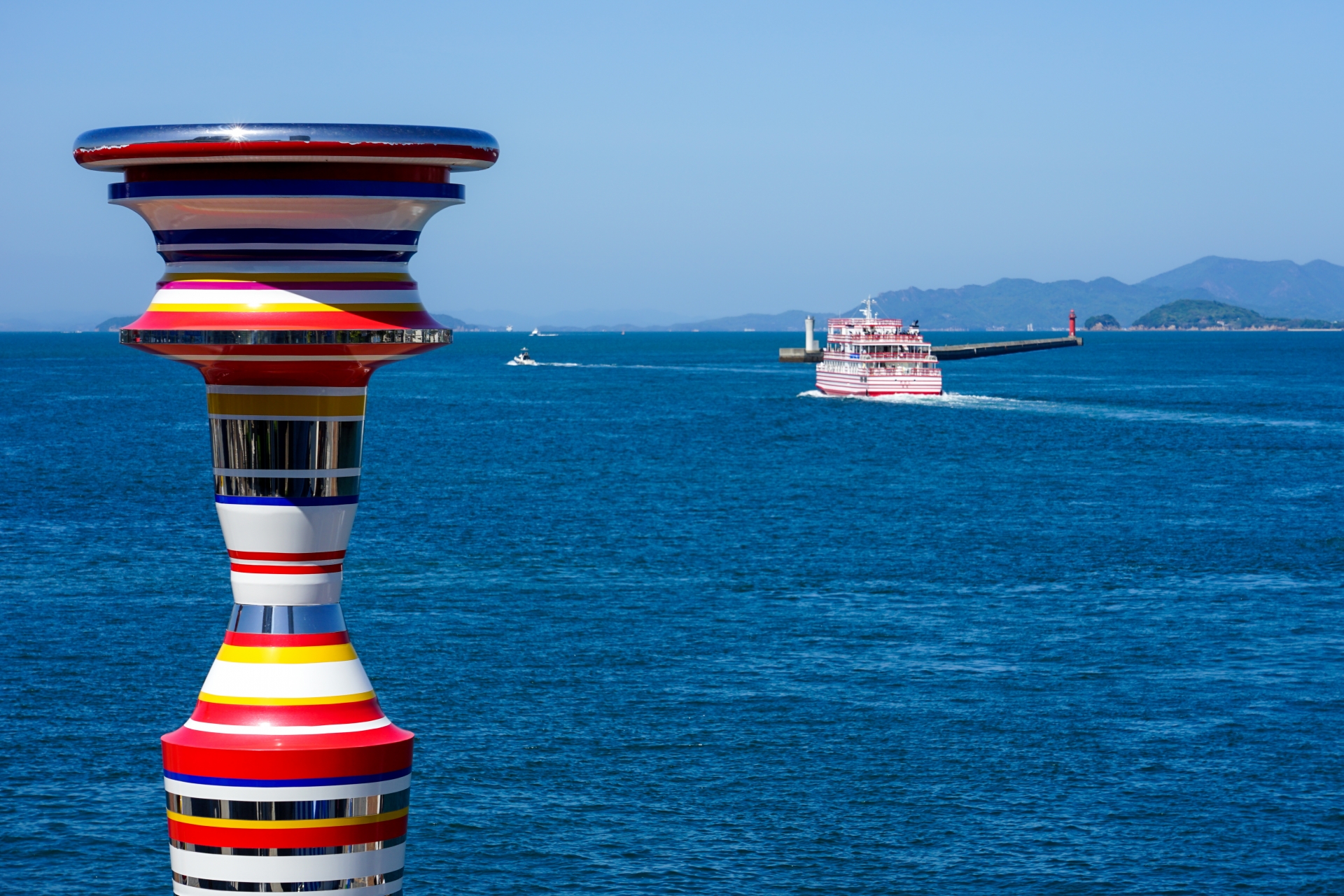
The ferry ramp hit the concrete with a heavy, metallic thud, and I stepped off into the salt-crusted air of Miyanoura Port. It was my first time visiting the Setouchi islands years ago, and I remember thinking I’d just be checking off some 'famous' art boxes. I was trying to look cool with my vintage film camera, but honestly? I was just sweating through my shirt and desperately trying to figure out which way the Red Pumpkin was. Then I saw it—that massive, polka-dotted gourd sitting right on the edge of the blue water. I literally stopped mid-sentence. The contrast between the industrial pier and this surreal, vibrant pop of art is something a photo just can't capture. It’s the smell of the sea mixed with the scent of pine trees and the sound of distant ferry horns. For about ten seconds, everyone around me—tourists and locals alike—just stood there in silence. It was the first time in Japan I felt the frantic 'must-see' energy of the cities just... evaporate.nnI’ll be honest: my first trip was a bit of a disaster because I tried to wing it. I thought, 'Hey, it’s an island, how big can it be?' Big enough to ruin your legs if you don't book a bike. But that’s the beauty of the Setouchi Triennale. It forces you to deal with the rhythm of the ocean. You aren't on a subway schedule here; you're on a ferry schedule. If you miss the boat, you’re staying for another hour, and you know what? That hour spent sitting on a wooden pier eating a convenience store rice ball might be the highlight of your day. Oh, and here's the thing: the 2026 crowds are going to be massive. To make sure you actually get to the islands without the stress I had, you should definitely look into booking your transit or a guided experience early.
Strategic Location
Stay in Takamatsu
This is the ultimate strategic base. These hotels are a literal stone's throw from the ferry pier, meaning you can grab a coffee and be first in line for the morning boat while everyone else is still on the train.
Island hotels sell out 6 months in advance—Takamatsu is the smarter, stress-free move.
Find Hotels ↗
I’ve found that having a set plan for the 'big' islands saves you from the 2026 crowds that are definitely going to be descending on Naoshima this spring. Seriously. Go early. The morning light hitting the water as you approach the port is worth the 6 AM alarm. On top of that, the local volunteers—mostly elderly residents who have lived here their whole lives—are the real stars. They’ll point you toward the best art with a smile that makes you feel like you’ve just come home. It’s not just a gallery; it’s a living, breathing community that opens its doors every three years.
Skip the crowded bus at the port. Walk 5 minutes past the rental shops to the 'Little Plum' sculpture—it's often ignored and makes for a much better quiet moment than the main pumpkin.
What Most People Get Wrong: The Naoshima Trap
Here is my hot take: Naoshima is the celebrity, but Teshima is the soul of the Triennale. Most people spend 90% of their time on Naoshima because that’s what Instagram tells them to do. Don't get me wrong, the Chichu Art Museum is a religious experience—it’s built entirely underground to not 'disturb' the scenery—but Teshima has a raw, wild energy that Naoshima has lost to its own fame. I made the rookie error of not booking my Chichu ticket weeks in advance during my second visit. I ended up standing outside the gate like a sad puppy while people with QR codes breezed past me. Don't be me. Book your time slots the second they open for 2026. nnAnd let's talk about the bikes. You’ll see people trying to walk from the Miyanoura Port to the Benesse House. It looks close on the map. It is not. It’s a series of brutal, sun-drenched hills. I once saw a couple in full 'Tokyo fashion'—heels and all—trying to trek up the hill toward the Yellow Pumpkin. They looked like they wanted to file for divorce by the time they reached the top. Rent an electric bike. Not a regular bike. An *electric* one. Your knees will thank me. Also, everyone raves about the museum cafes, but I actually think the best food is in the 'Honmura' area on Naoshima. There’s a tiny place serving curry in an old wooden house that feels like your Japanese grandma’s living room. It’s about the atmosphere, not just the plating. Since these islands are remote, you'll want to base yourself in Takamatsu and take the morning ferries.
Best for First-Timers
Naoshima Art Island Day Tour
Let someone else handle the ferry logistics and museum entry battles. This guided trip ensures you see the heavy hitters like the Art House Project without staring at a map all day.
Guarantees entry to high-demand spots like Chichu without the ticket-fighting headache.
Book Tour ↗
Trust me on this—trying to stay on the islands themselves is expensive and they sell out six months in advance. Staying near the port in Takamatsu is the pro move. You'll have more food options at night and you won't be stranded if the weather turns. And here's what most people miss: the Teshima Art Museum isn't really a museum in the traditional sense. It's a concrete shell where water droplets dance on the floor. I spent two hours there just watching water move. It sounds crazy, but it’s the most peaceful I’ve felt in five years of living in Japan. You should go there when you need to reset your brain.
The 'Yellow Pumpkin' is the icon, but the 'Art House Project' in the Honmura district is where the real magic is. Specifically, 'Minamidera'—it’s an experience involving total darkness that will haunt you (in a good way) for weeks.
How to Actually Plan This: No-BS Logistics
Alright, let's get practical because the ferry schedule is basically a logic puzzle designed by a sadist. First, buy the Triennale Passport. It’s a physical booklet that you get stamped at every exhibit. It sounds cheesy, but by day three, you will be hunting those stamps like a maniac. Second, the weather in early May is gorgeous but deceptive. The sun on the water will fry you before you even realize you're warm. Wear a hat, bring more sunscreen than you think you need, and for the love of all things holy, wear comfortable shoes. I wore 'stylish' sneakers once and ended up with blisters that made the ferry ride home a nightmare.nnTiming is everything. The first ferry from Takamatsu leaves around 8:00 AM. If you aren't in line by 7:30 AM, you’re standing on the deck for the hour-long ride. Not the end of the world, but not ideal. Also, cash is still king on the smaller islands like Inujima or Ogijima. I once ran out of yen on Teshima and had to beg a shopkeeper to let me pay via a very complicated bank transfer app because the only ATM on the island was closed. It was embarrassing. Don't let that be you. Bring a fat envelope of 1,000 yen notes for the small cafes and bike rentals. Lastly, don't try to see three islands in one day. You'll spend the whole time looking at your watch instead of the art. One island per day is the golden rule. Enjoy the silence. Listen to the wind through the bamboo. This isn't a marathon; it's a slow-motion movie where you're the main character. Oh, and if the main ferries are packed, look for the 'small boat' (kousoku-sen) options. They cost a few hundred yen more but are much faster and usually have shorter lines. You'll want to check the schedule at the port office the day before. It’s the little things that make or break this trip. On top of that, remember that many exhibits are closed on Mondays or Tuesdays, so plan your week carefully. You don't want to take a 60-minute ferry only to find a 'Closed' sign on the museum door.
If the main ferries are packed, look for the 'small boat' (kousoku-sen) options. They cost a few hundred yen more but are much faster and usually have shorter lines.