The Moment I Arrived: Wet Shoes and Blue Hues
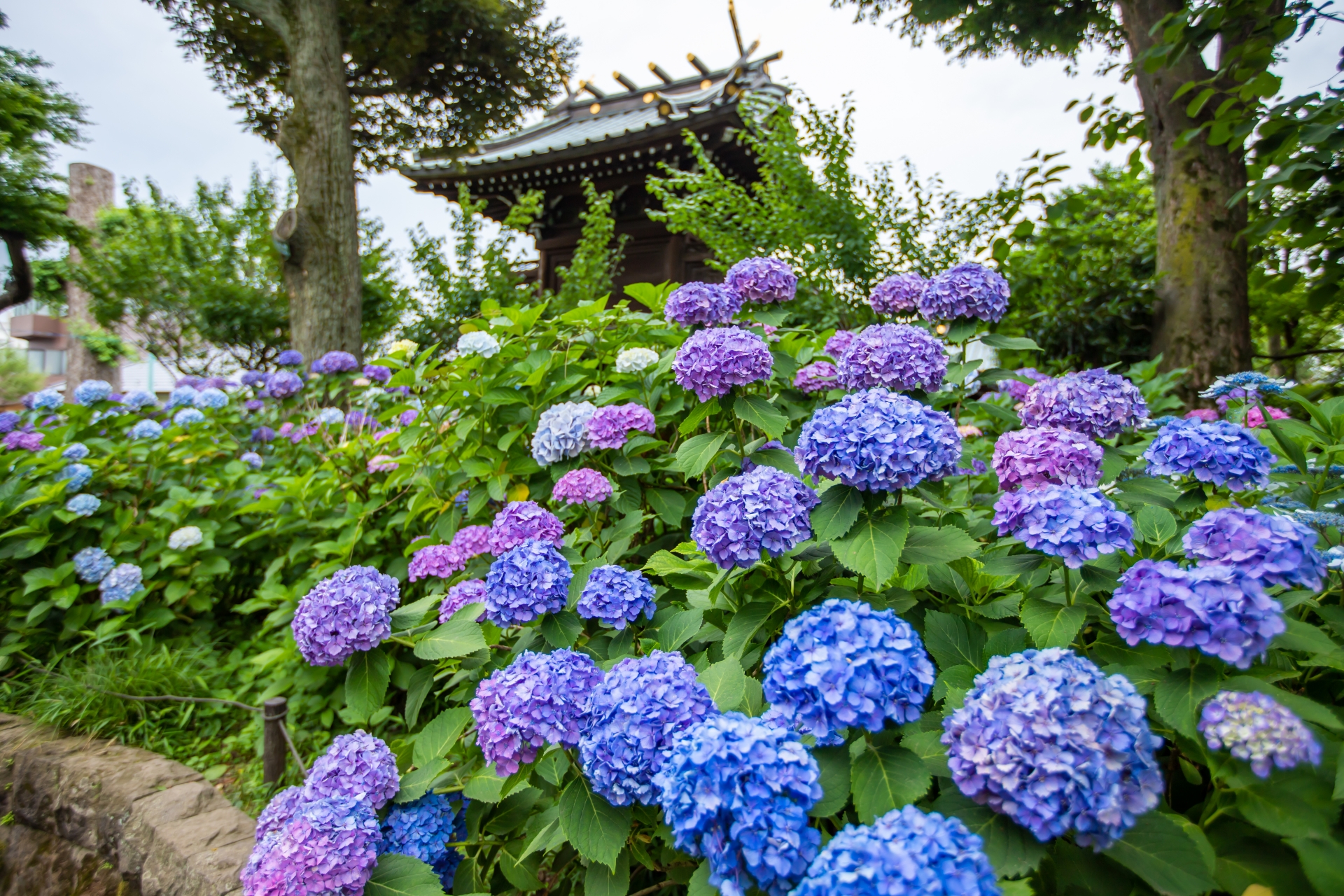
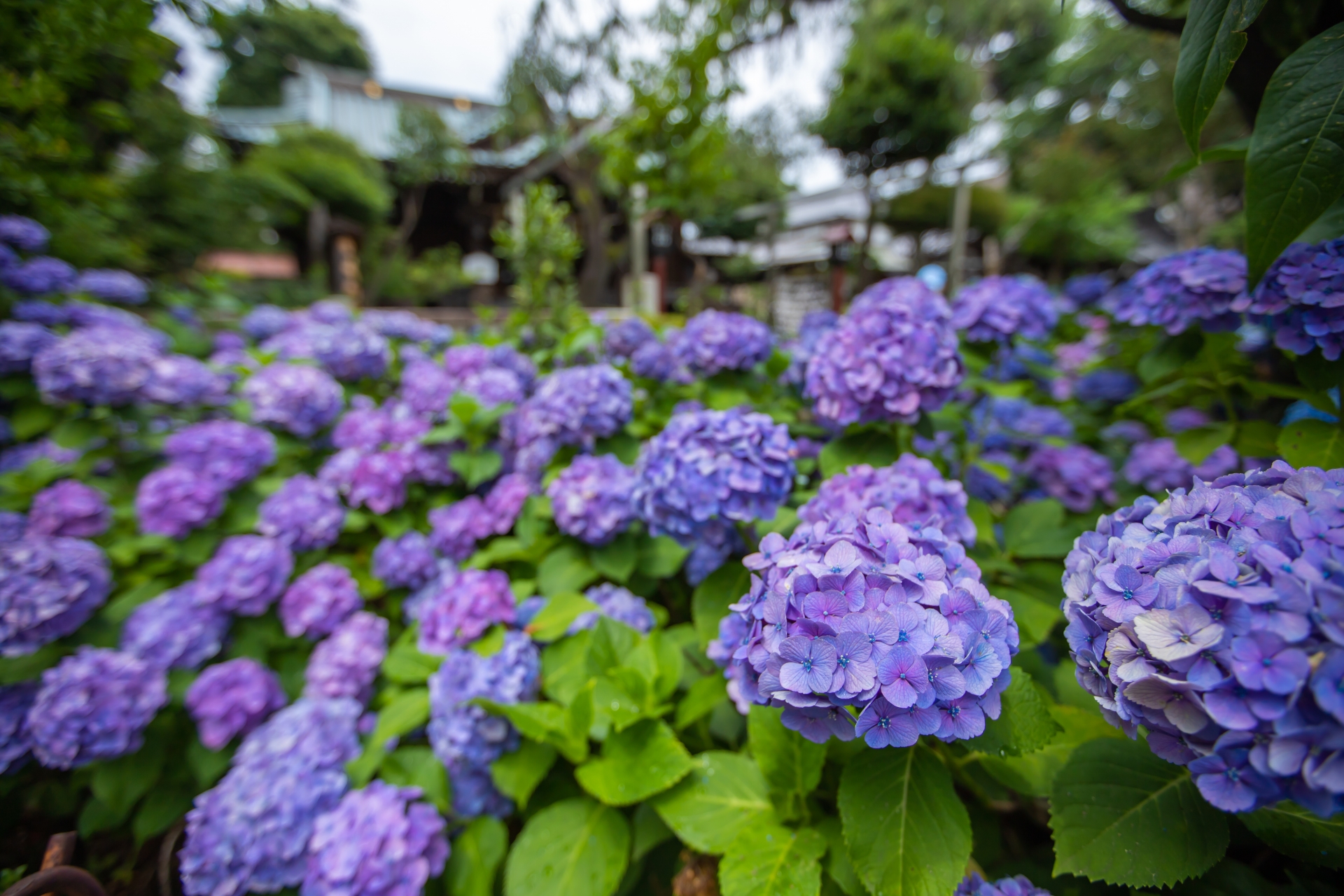
Look, I’ll be the first to admit it: June in Tokyo usually sucks. It’s humid, your hair does things it shouldn't, and the sky looks like a wet wool blanket for thirty days straight. But then I discovered the Bunkyo Hydrangea Festival at Hakusan Shrine, and suddenly, the 'Tsuyu' (rainy season) didn't feel like a punishment anymore. The first time I stepped off the Mita Line at Hakusan Station, I was grumpy, carrying a cheap convenience store umbrella that was already turning inside out. But as I walked toward the shrine, the smell changed. It wasn't that hot-asphalt-and-exhaust smell of central Tokyo; it was damp earth, ancient cedar, and burning incense. I saw the first cluster of electric-blue petals peeking over a stone wall, and my cynicism just... evaporated. nnThere’s something about Hakusan Shrine that feels like a time capsule. It’s one of the 'Ten Shrines of Tokyo,' and it’s tucked away in a quiet residential neighborhood that tourists usually skip on their way to Yanaka or Ueno. I remember standing by the main hall, watching an elderly woman meticulously wipe down a wooden railing while the rain drummed on the roof. It was so quiet, despite being in the middle of one of the world's biggest cities. I literally stopped mid-sentence while talking to my friend. The entire back area of the shrine was a sea of blue, purple, and white. For about ten seconds, nobody around me said a word. We were all just standing there, getting slightly damp, staring at these flowers that seemed to glow in the overcast light. nnAnd here's the thing: if you want to experience that same vibe, I highly recommend booking a local neighborhood walking tour to see the hidden shrines of Bunkyo
Local Favorite Area
Stay Near Hakusan Shrine
The Bunkyo and Suidobashi areas offer a quieter, more authentic Tokyo experience. You'll be within walking distance of the festival and the beautiful Koishikawa Korakuen Garden.
Hotels in this residential pocket offer much better value than Shinjuku during the June peak.
Find Hotels ↗
because the history here is deep, and you'll miss 90% of it if you're just looking at your phone. It’s not just about the flowers; it’s about that 'Shitamachi' (old downtown) soul that still lives in these narrow alleys. You see it in the way the local shopkeepers set out small pots of hydrangeas in front of their doors, or how the neighborhood kids run through the park despite the drizzle. It’s a side of Tokyo that feels lived-in and real, far away from the neon of Shibuya. You'll want to take your time here. Don't rush. Let the rain actually do its job and slow you down for once. Trust me, the city looks better through a bit of mist anyway.
Don't bother with a big, heavy umbrella. The paths around the shrine and the 'Hydrangea Mound' are narrow and get crowded. Bring a compact one or, better yet, a stylish raincoat so you don't poke anyone's eye out while framing your photos.
What Most People Get Wrong: The 'Secret' Mound and Rookie Mistakes
The biggest mistake I see people make at the Bunkyo Hydrangea Festival? They stay in the main courtyard. Sure, the flowers there are nice, but the real magic is the Ajisai-yama (Hydrangea Mound). It’s a tiny, artificial hill behind the main shrine building that is strictly closed off almost the entire year. They only open the gate during this festival. My first year, I saw the line for the mound and thought, 'Eh, I’ve seen flowers before, I’ll skip it.' Huge mistake. I went back the next year and realized that the view from the top of that little hill, looking down through the layers of petals toward the shrine roof, is the best shot in the city. nnAnd let’s talk about timing. Everyone thinks they should go on a sunny Saturday afternoon. Don't do that. You’ll be shoulder-to-shoulder with thousands of people, and the hydrangeas actually look kind of sad and wilted in direct sunlight. These flowers are the goths of the plant world—they thrive in the gloom. I once made the rookie error of wearing brand-new white sneakers on a drizzly Tuesday. By the time I finished the climb up the mound, they were a lovely shade of 'shrine-dirt brown.' Wear boots. Seriously. nnOn top of that, skip the main entrance if it’s backed up; there’s a side path through Hakusan Park that leads you right into the heart of the food stalls. Speaking of which, the 'Yakisoba' here hits different when you're eating it under a dripping tree. If you're staying in a nearby area like Suidobashi or Korakuen
Highly Rated
Tokyo Old Town Walking Tour
Explore the hidden temples and 'Shitamachi' history of Bunkyo and Yanaka with a local guide who can explain the deep spiritual significance of the hydrangea season.
You'll find hidden photo spots and local eateries that aren't on any map.
Book Tour ↗
, you can easily beat the crowds by showing up at 8:30 AM before the official 'matsuri' energy kicks into high gear. Trust me, having the shrine to yourself for twenty minutes is worth the early alarm. You get to hear the monks chanting and the birds waking up before the selfie sticks arrive. It’s a completely different experience. Oh, and keep an eye out for the shrine cats. They usually hide under the wooden platforms when it rains, looking just as grumpy as I was before I saw the flowers. They’re basically the unofficial mascots of the neighborhood, and seeing one curled up next to a bunch of purple petals is the peak Tokyo aesthetic you didn't know you needed.
The 'Ajisai-yama' mound usually closes around 4:00 PM or 5:00 PM, even if the shrine grounds stay open later. If you show up at sunset, you'll be staring at a locked gate. Get there by 2:00 PM to be safe.
How to Actually Plan This: Logistics and No-BS Advice
Alright, let’s get practical because I want you to actually enjoy this. Hakusan is on the Toei Mita Line. It’s super easy to get to from places like Sugamo or Hibiya. If you’re coming from Shinjuku, you’ll have to transfer, but it’s worth the twenty-minute trek. When you get out of the station, follow the signs—or just follow the crowds of people carrying cameras. It’s a five-minute walk, but there are plenty of cute little bakeries and cafes along the way if you need a caffeine hit first. nnWhat should you bring? Cash. This is an old-school festival. While the shrine entry is free, you’re going to want to buy a 'Goshuin' (shrine seal) or some of the festival food, and most of those stalls wouldn't know what to do with Apple Pay if their lives depended on it. Also, bring a small plastic bag for your trash. Japan is famous for having zero trash cans, and carrying a greasy yakisoba plate for three miles is not the 'aesthetic' you're looking for. nnOh, and here's what most people miss: if you’re planning to hit other spots, this festival pairs perfectly with a visit to the Nezu Shrine (which is a 15-minute walk away) or the Koishikawa Korakuen Garden. You can easily make a full 'North Tokyo' day out of it. Just remember that June is peak humidity. Even if it’s raining, you’re going to sweat. Wear breathable layers. I once wore a polyester shirt thinking it would 'repel water'—I ended up feeling like I was trapped in a portable sauna. Stick to linen or tech-wear. nnFinally, book your transport and hotels early. Even though this isn't as famous as the cherry blossoms, Tokyo is packed in 2026, and the local business hotels fill up with Japanese travelers who come specifically for the flower festivals. You don't want to be stuck commuting from an hour away when you could be waking up right next to the shrine. The Bunkyo area is one of my favorite places to stay because it feels like a real neighborhood, not a tourist trap. You'll find tiny izakayas where the menu is handwritten and the master remembers your face the second time you walk in. That’s the real Tokyo magic, and it’s waiting for you right here in the rain.
There is a public restroom in Hakusan Park, but it's... well, it's a park restroom. Use the facilities at the train station or a nearby convenience store like FamilyMart before you head into the shrine grounds.