The Moment I Arrived: A 1,000-Year-Old Fever Dream
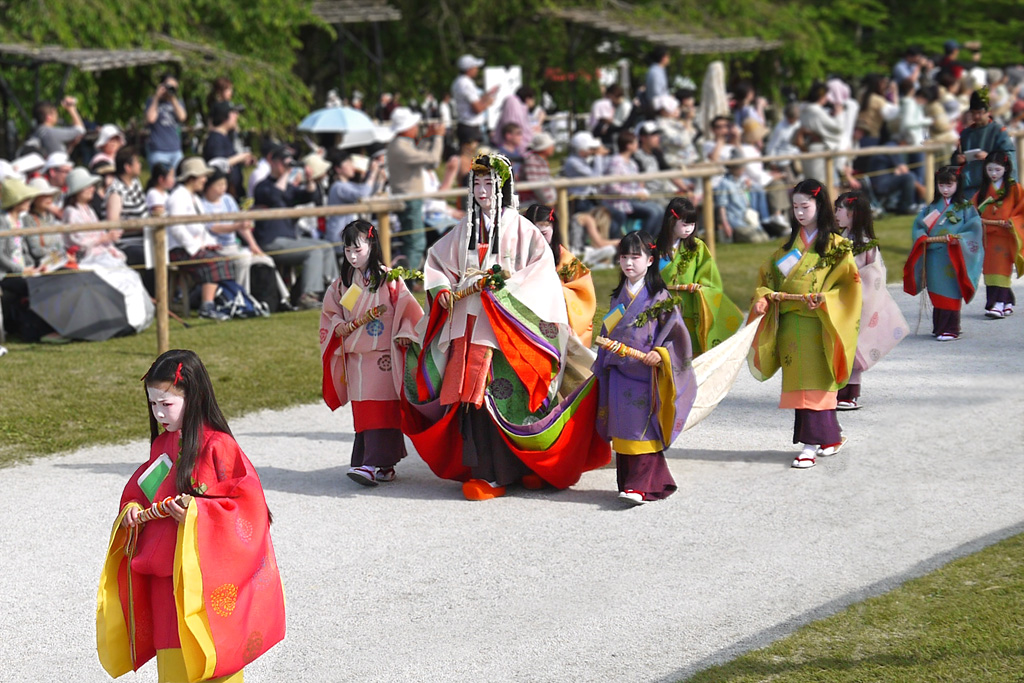
Kyoto in mid-May is a mood. It’s not just the humidity starting to creep in; it’s the literal weight of history. I remember my first Aoi Matsuri back in 2019. I showed up at the Kyoto Imperial Palace grounds at 9:00 AM, thinking I was early. Rookie move. There were already thousands of people lined up, and the sun was already starting to bake the gravel. But then, the music started. It’s not the booming drums of a summer festival; it’s this haunting, reedy sound of flutes and strings that feels like it’s vibrating through your bones. When the first line of marchers appeared in their vibrant Heian-era robes, I literally stopped mid-sentence. The sheer scale of the colors—the deep vermillions, the forest greens, and the intricate embroidery—is staggering. You aren't just watching a parade; you're watching a living museum. nnSeriously. Go early.nnI’ll be honest, I expected it to be a bit stiff. It’s a religious ritual, after all. But there’s a strange intimacy to it. I saw an Imperial Messenger on a horse whose stirrup broke, and for a second, the 'god-like' aura slipped as his attendants rushed to fix it with frantic whispers. It reminded me that even though these people are dressed as 8th-century nobles, they’re just Kyoto locals carrying a massive cultural weight on their shoulders. If you want to dive deep into this history without just staring at a crowd, you'll want to book a guided cultural tour that explains the 'why' behind the wisteria leaves.
Prime Location
Stay Near the Imperial Palace
Secure a room in Nakagyo Ward to stay within walking distance of the parade's starting point. You'll appreciate the ability to retreat to your room's AC when the midday sun hits its peak.
Hotels along the Karasuma subway line sell out months in advance for the May 15th festival—book by February.
Find Hotels ↗
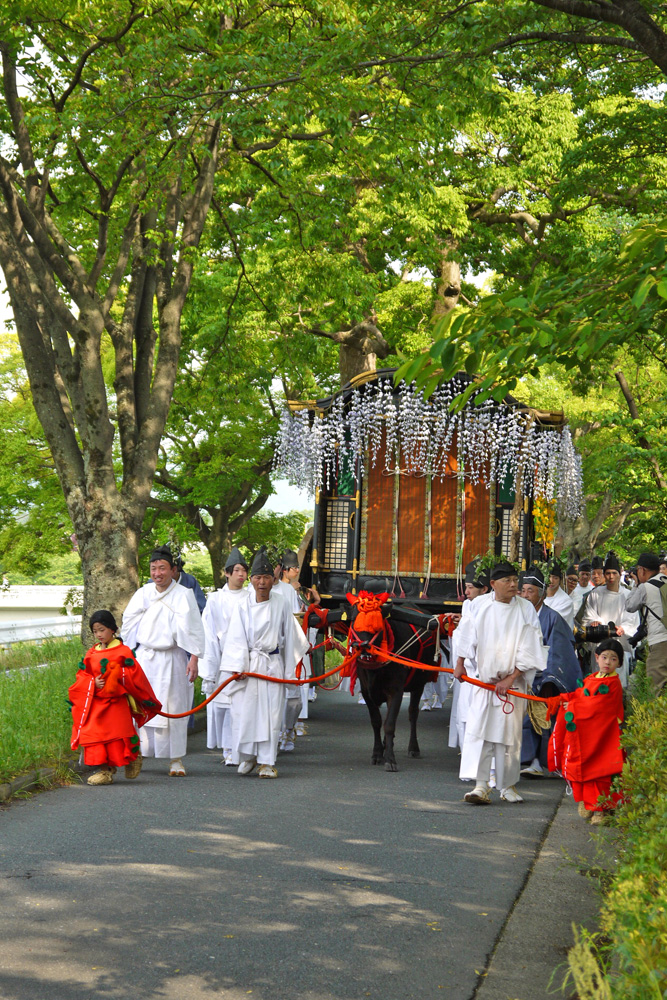
It makes the five-hour wait in the sun feel a lot more meaningful when you know why that guy is carrying a giant red umbrella. nnWhat really got me was the Sai-O-Dai. She’s the 'Imperial Princess' of the festival, usually a young woman from a prominent Kyoto family. Seeing her carried on a palanquin, wearing the 'junihitoe'—that’s a twelve-layer silk kimono that weighs about 30 kilograms—made my own back ache just looking at her. She looked absolutely serene, though. I later found out they spend months practicing how to sit and move in that mountain of silk. It’s that level of dedication that makes Kyoto, well, Kyoto. You don't get this kind of 'slow-burn' elegance in Tokyo or Osaka. It’s a uniquely Kyoto brand of patience. On top of that, the smell of the incense and the rhythmic 'clop-clop' of the ox-carts on the gravel creates this hypnotic atmosphere that makes you forget you have a smartphone in your pocket.
The 'Aoi' (hollyhock) leaves are everywhere for a reason. Legend says they protect against natural disasters. Look closely at the hats of the marchers and the harnesses of the horses—they are all adorned with real leaves. It’s a subtle detail most tourists miss while looking at the big carts.
What Most People Get Wrong: The Seating Trap
Let’s get real for a second: Do NOT just stand on the sidewalk near the Imperial Palace and expect a good view. You will end up staring at the back of a tall guy’s head (usually mine, sorry) for three hours. My second year, I tried to 'wing it' by standing near the Teramachi intersection. I saw exactly three hats and the top of an ox-cart. If you are coming all the way to Japan for this, shell out the ¥3,500–5,000 for the reserved seating at the Imperial Palace or Shimogamo Shrine. It sounds like a tourist trap, but trust me, having a guaranteed spot and a little brochure that explains the procession is the difference between a 'meh' day and a 'wow' day. nnIt felt human.nnOh, and another thing people mess up? They think the festival is just the parade. The real soul of Aoi Matsuri happens at the two Kamo Shrines—Shimogamo and Kamigamo. I actually prefer the vibe at Kamigamo Shrine towards the end of the day. By the time the procession reaches the upper shrine in the late afternoon, the crowds have thinned out slightly, and the long shadows across the grass make the whole scene look like a Ghibli movie. I once sat by the stream at Kamigamo with a cold green tea, watching the marchers finally relax and take off their heavy headgear. nnIf you're staying in the city, don't make the mistake of booking a hotel far from the subway line. Kyoto buses are a nightmare on festival days—they get stuck in the same traffic as the ox-carts. I usually tell my friends to stay near the Karasuma Line so they can just zip up to Marutamachi or Imadegawa.
Expert Guide
Kyoto Heian History Walking Tour
Go beyond the surface of the parade with a guide who explains the complex Heian-era hierarchy and the hidden meanings behind the wisteria-draped ox carts.
A local expert helps you navigate the massive crowds and finds the 'secret' shortcuts between the Kamo shrines.
Book Tour ↗
It saves you from the sweaty, 40-minute bus crawl that ruins your morning mood. And whatever you do, don't try to follow the parade on a rental bike. I saw a group of tourists try this in 2023, and they ended up trapped in a pedestrian dead-zone, looking miserable while everyone else was enjoying the show. You'll thank me later when you're sitting in an air-conditioned train while everyone else is fighting for a spot on a bus that isn't moving.
Skip the main entrance of Shimogamo Shrine. Head to the 'Tadasu no Mori' forest path about 40 minutes before the parade is scheduled to arrive there. The trees provide much-needed shade, and the photos of the colorful robes against the deep green forest are way better than the ones in the bright, washed-out sun of the palace grounds.
How to Actually Plan This: The Survival Guide
Look, I’ve seen grown men cry at this festival, and not because of the beauty—it’s usually because they’re dehydrated. Let’s talk logistics, because this is where the 'magic' can turn into a meltdown. First, the weather. May in Kyoto is deceptive. It looks breezy in photos, but when you’re sitting on a plastic chair in an unshaded gravel lot for three hours, it’s brutal. I made the mistake of wearing a black t-shirt my first time. I felt like a rotisserie chicken. nnWear linen.nnTiming is everything. The procession starts at the Imperial Palace around 10:30 AM, hits Shimogamo around 11:40 AM, and finally reaches Kamigamo around 3:30 PM. You don't need to see the whole thing at every stop. Pick one. If you want the 'grand' start, go to the Palace. If you want the 'sacred forest' vibe, go to Shimogamo. If you want the 'triumphant finish,' go to Kamigamo. Personally? I like starting at the Palace for the photos and then taking the subway ahead of the parade to grab lunch near the shrines before they get swamped. nnSpeaking of lunch, every restaurant within a three-block radius of the route will have a line out the door. My secret? I hit a 'depachika' (department store basement) like Daimaru or Takashimaya the night before and grab a high-end bento. Eating a fancy Kyoto-style bento while waiting for a Heian-style parade? That’s peak efficiency. Also, keep in mind that if it rains, they usually postpone the whole thing to the next day. I’ve seen many a heartbroken traveler realize this too late. Always have a 'Plan B' (like the Kyoto Railway Museum or an indoor craft workshop) just in case the clouds open up. This is a bucket-list event, but it requires a bit of 'battle prep' to truly enjoy it. And here's the thing: even if you're not a history buff, the sheer aesthetic of 500 people in silk robes walking through a modern city is something you won't forget.
There is a tiny mochi shop near the Demachiyanagi area called Futaba. They are famous for 'Mame-daifuku.' The line is usually an hour long, but on festival day, if you go super early (like 7:30 AM), you can snag a box to snack on during the parade. It’s the ultimate Kyoto power move.