Why I Loved This (And Why You’ll Probably Lose Your Mind)
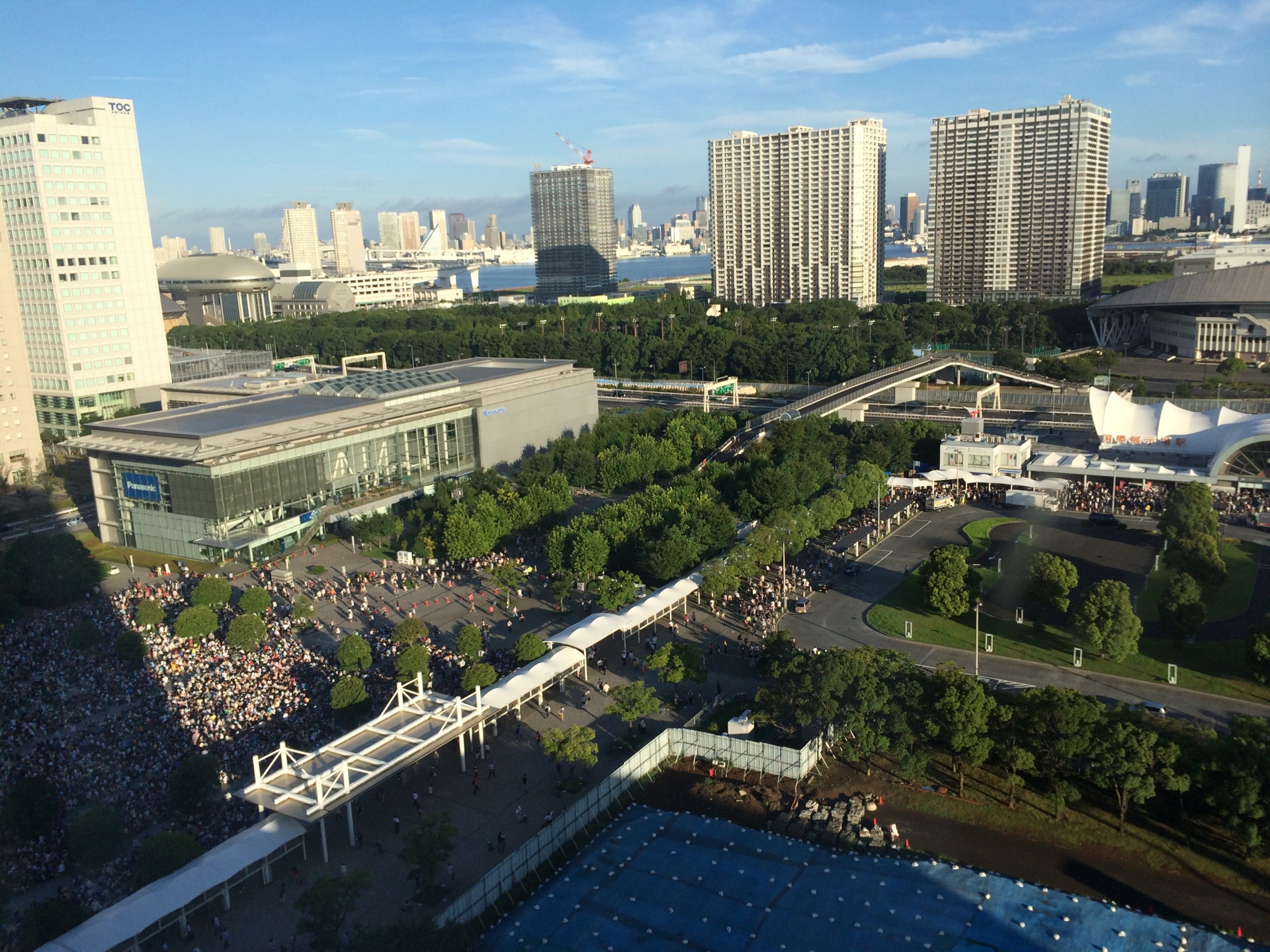
The sun wasn’t even up, and I was already standing in a concrete parking lot in Ariake, shivering in the 5 AM coastal breeze. If you’d told 20-year-old me that I’d be spending my vacation waiting in a line of 30,000 people to buy self-published comics, I’d have called you crazy. But there I was. That first time at Comiket—the world’s biggest doujinshi fair—was a total baptism by fire. I remember the doors finally opening at 10 AM. The roar of the crowd wasn't a scream; it was a collective, determined shuffle of thousands of feet on the polished floors of Tokyo Big Sight. It’s a sensory overload. You’ve got the smell of printer ink, the frantic rustle of plastic bags, and the sheer, unadulterated passion of creators who spent six months drawing a 20-page book just to see it in your hands. I remember finding this one artist—a guy who drew hyper-detailed landscapes of rural Japan—and his face lit up when I told him I’d traveled from Tokyo just for his work. That’s the magic. It’s not just a market; it’s the heartbeat of Japanese subculture. If you’re even remotely into anime, manga, or just seeing what happens when thousands of people share a singular obsession, you have to experience this. The energy is infectious. You aren't just a customer; you're a 'participant.' In Japan, they don't call it 'buying,' they call it 'supporting the circle.' It’s a subtle linguistic shift that changes the whole vibe. You aren't just consumerist cattle; you're part of an ecosystem. And here's the thing: to get your bearings before diving into the deep end of a massive event like this, I highly recommend doing a deep-dive tour of the 'holy land' of Akihabara first.
Top Rated
Akihabara Otaku Culture Tour
Dive into the neon-lit backstreets of Akihabara with a local guide who knows exactly where the rarest doujinshi are hidden. You'll learn the unspoken rules of the scene before the big event.
I wish I'd done this first—it makes the massive events way less intimidating.
Book Now ↗
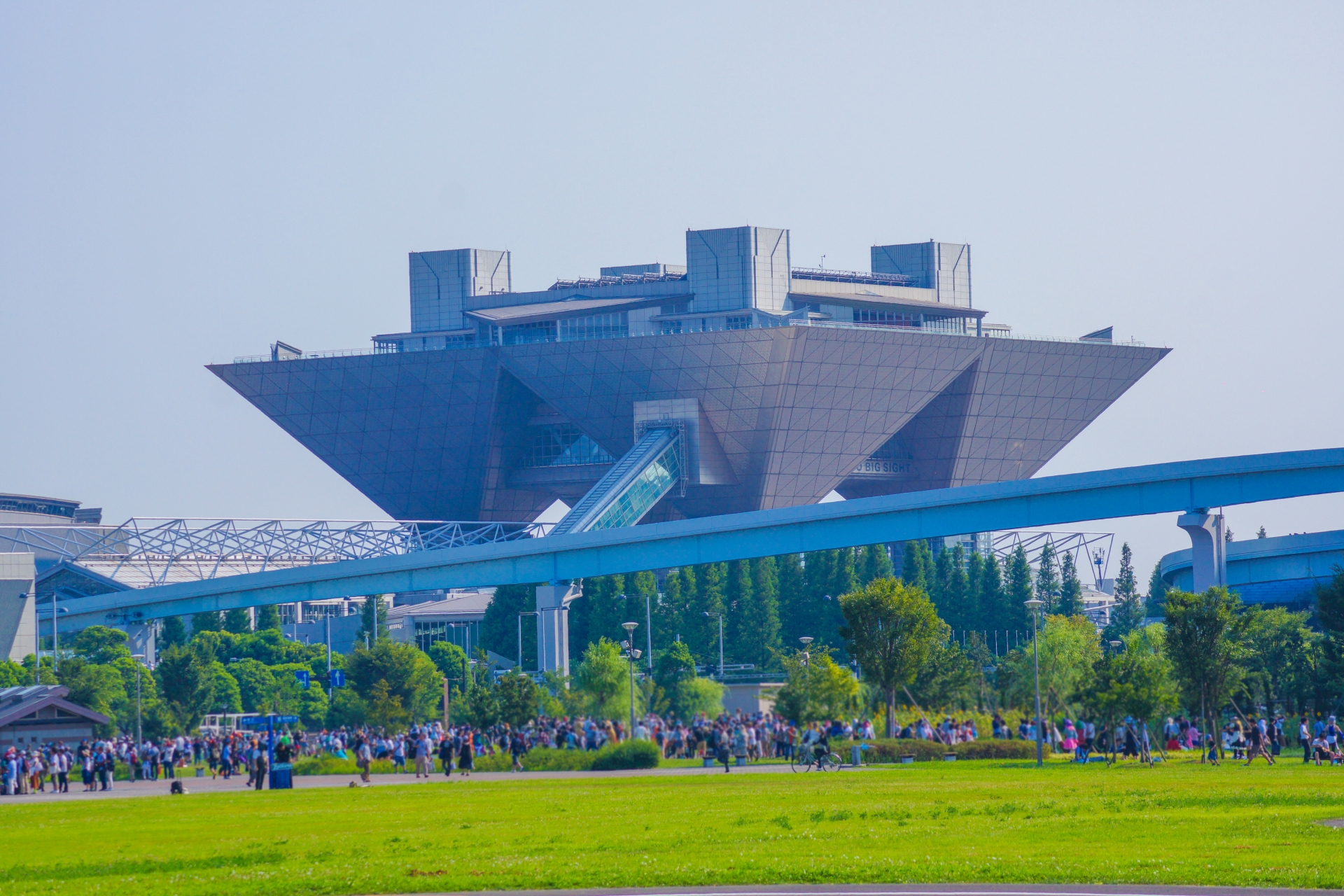
It’ll give you the context you need so you don’t feel like a total outsider when the madness begins. Honestly, I’ve been to five of these now, and I still get that nervous stomach-flip when I see the Big Sight inverted pyramids on the horizon. It’s the Olympics of nerd culture, and even if you don’t speak a word of Japanese, the sheer scale of it will leave you speechless. Just... maybe don't go on the day they feature the 'adult' circles if you're easily embarrassed. I made that mistake once with my visiting cousin. We didn't talk for the rest of the day. Seriously. It was awkward. But that's the beauty of it—it's raw, unfiltered, and completely human. You'll see grandmas selling knitting guides next to teenagers selling high-octane mecha manga. It's a cross-section of Japan you won't find in any glossy travel brochure.
Look for the 'Wall' circles first. These are the most popular artists located along the perimeter of the hall. If you don't hit them in the first 30 minutes, their stock will be gone, and you'll be left staring at a 'Sold Out' sign for the rest of the afternoon.
What You Need to Know Before You Enter the 'War'
Let’s get real: Comiket and other large-scale doujin events are often referred to as 'The War' (Sensou) by locals, and for good reason. My first mistake? I wore brand-new boots. By noon, I wanted to saw my own feet off. The floors of Tokyo Big Sight are unforgiving, and you will be walking miles. And then there’s the 'Comiket Cloud.' Yes, it’s a real thing. In the summer, the collective sweat of 150,000 people evaporates, hits the ceiling, and creates a literal mist inside the hall. It’s gross, it’s legendary, and it’s why you need to bring a portable fan and about three liters of Pocari Sweat. You also need to understand the ticketing system. Gone are the days of just showing up and joining a 5-mile line for free. Since the 2020s, everything is tiered. You’ve got Early Entry, General Entry, and Afternoon Entry. If you want the rare stuff, you pay for Early Entry. If you just want to soak in the vibes and see the cosplayers, the Afternoon ticket is cheaper and way less stressful. I usually opt for the mid-range—you still get some good books, but you don't have to wake up at 3 AM. Oh, and cash is king. I’ve seen tourists trying to use credit cards at a circle booth, and the poor artist just looks at them like they’re speaking Martian. Bring 1,000-yen notes and 100-yen coins. It makes the transactions lightning-fast, which is crucial when there are 50 people behind you. On top of that, you'll want to stay near the venue. Book your room months in advance. I once tried to find a spot three weeks out and ended up staying in a capsule hotel two hours away in Chiba.
Walking Distance
Stay Near Tokyo Big Sight
Secure a room in Ariake or Odaiba to avoid the legendary morning train crush. You'll be able to walk to the venue and drop off your heavy loot throughout the day.
Walking home while everyone else fights for the train is the ultimate flex.
Find Hotels ↗
Trust me, being able to walk back to your room and dump ten kilos of books on the bed is worth the extra cost of an Ariake hotel. Here's what most people miss: the 'Catalog' is your bible. Don't just wander. You need a plan. I spent my first year wandering like a lost puppy and missed the one artist I actually came to see. Never again. Now I map out my route with the precision of a bank heist. It sounds intense, but when you're in the thick of it, you'll thank me.
Bring a rigid A4-sized folder or a dedicated 'doujinshi case' (you can buy them at Animate). Nothing hurts more than spending ¥2,000 on a beautiful art book only to have it get creased in your backpack five minutes later.
The Practical Stuff: Tickets, Timing, and Tactics
Alright, let's talk logistics because this is where most people mess up. First, the tickets. You usually have to buy them via 'Ticketpay' or 'Lawson Tickets' weeks in advance. It’s a bit of a hurdle for international travelers because the interfaces are often Japanese-only, but there are plenty of English-language proxy services or guides that can help you navigate the process. Don't assume you can buy them at the door—you almost never can. Second, the 'Catalog.' This thing used to be a phone-book-sized monster, but now most people use the digital version. It’s worth the subscription fee to map out your route. I spent my second Comiket wandering aimlessly and missed three of my favorite artists because I didn't realize they were in a completely different hall. Third, transport. The Rinkai Line and the Yurikamome are your two main arteries. They will be packed. Like, 'sardines-in-a-can' packed. If you have claustrophobia, wait until after 11 AM to head toward the venue. The initial rush is brutal. But honestly? The chaos is part of the fun. There’s something strangely bonding about being squeezed against a stranger who is just as excited about a niche 90s anime as you are. For those who want the experience without the 100,000-person crowd, look into smaller events like 'Sunshine Creation' in Ikebukuro or 'Comic City.' They’re much more manageable and happen more frequently. But if you want the 'Big One,' Comiket in August or December is the only answer. Is it exhausting? Yes. Will your bank account hate you? Probably. Would I do it again? I’ve already got my 2026 dates marked in red. It’s the purest expression of fan culture on the planet, and there’s absolutely nothing else like it. Oh, and one more thing—don't forget to eat. I once got so caught up in the hunt that I nearly fainted in the South Hall. Keep a CalorieMate in your pocket. You'll need the fuel. By the time you're heading home on that train, clutching a bag of books that no one else in your home country has ever seen, you'll feel a weird sense of pride. It's not just shopping; it's a victory.
If you're going to the winter event (Comiket 109 in Dec 2026), the wind coming off the bay is brutal. Wear layers you can peel off, because once you're inside the hall, the body heat makes it feel like a tropical rainforest.